
Kitchen Cleaners
Kitchen Cleaners for Everyday Grease, Spills and Food Residue
Kitchen cleaners help remove grease, spills, food residue and everyday marks from suitable worktops, sinks, hobs, appliances and other kitchen surfaces. Choosing a product designed for the specific task and material can make routine cleaning easier while reducing the risk of damaging delicate finishes.
Browse kitchen sprays, degreasers, oven cleaners, hob cleaners, antibacterial products, wipes and specialist formulas. Compare options by their intended use, surface compatibility, application method, contact time and whether rinsing is required.
Explore the Kitchen Cleaners range at YPC to find practical products for quick wipe downs, regular maintenance and deeper kitchen cleaning.
-
Kitchen Cleaners
Kitchen Appliance Cleaner Spray, Multi-Purpose Degreaser and Grime Remover
£4.99 *View On Amazon* -
Kitchen Cleaners
Jantex Kitchen Cleaner & Sanitiser Spray 750ml CF968
Original price was: £7.15.£6.65Current price is: £6.65. *View On Amazon* -
Kitchen Cleaners
Method Antibacterial Spray Refill All Purpose Cleaner Wild Rhubarb Scent 1 x 2L
Original price was: £7.00.£6.00Current price is: £6.00. *View On Amazon* -
Kitchen Cleaners
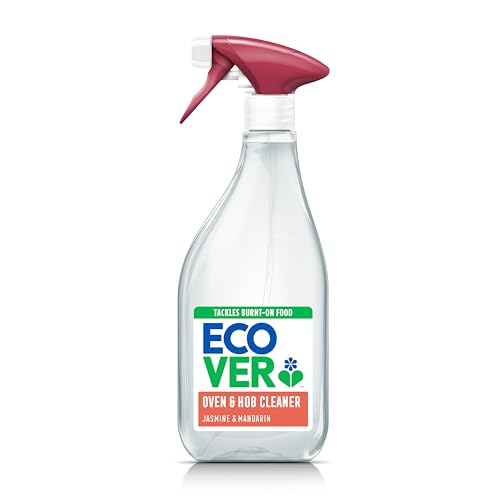
Ecover Oven & Hob Cleaner Spray 500ml, Fresh Jasmine & Mandarin Scent
Original price was: £4.00.£3.20Current price is: £3.20. *View On Amazon* -
Kitchen Cleaners
Flash Spray Wipe Done Bright Crisp Lemon Cleaning Spray 800ml
£6.36 *View On Amazon* -
Kitchen Cleaners
Cif Infinite Clean Lavender & Eucalyptus All in One Cleaner Spray 280 ml
Original price was: £4.00.£3.00Current price is: £3.00. *View On Amazon* -
Kitchen Cleaners
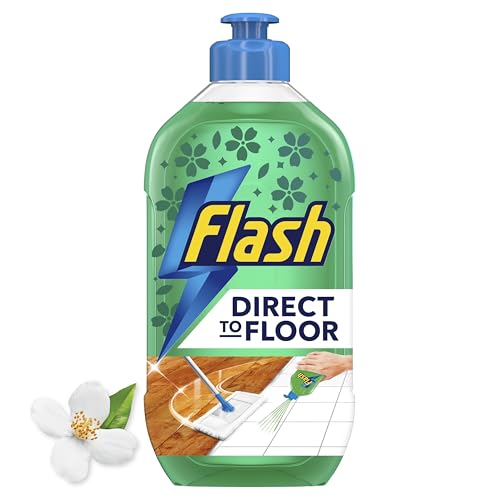
Flash Direct To Floor Flower Garden Breeze All Purpose Floor Cleaner 800ml
Original price was: £3.25.£2.75Current price is: £2.75. *View On Amazon* -
Kitchen Cleaners
Cillit Bang Kitchen Grease, Bathroom Grime & Limescale Remover 3 x 750ml
£12.37 *View On Amazon* -
Kitchen Cleaners
Cif Infinite Clean Lime & Lemongrass All in One Cleaner Spray, 280 ml
Original price was: £4.00.£2.84Current price is: £2.84. *View On Amazon* -
Kitchen Cleaners
Zoflora Bouquet All Purpose Concentrated Disinfectant Liquid 500 ml
Original price was: £7.19.£4.50Current price is: £4.50. *View On Amazon* -
Kitchen Cleaners
Glisten Garbage Disposer Cleaner and Freshener, Lemon Scent, 4 Packets
Original price was: £8.41.£7.56Current price is: £7.56. *View On Amazon* -
Kitchen Cleaners
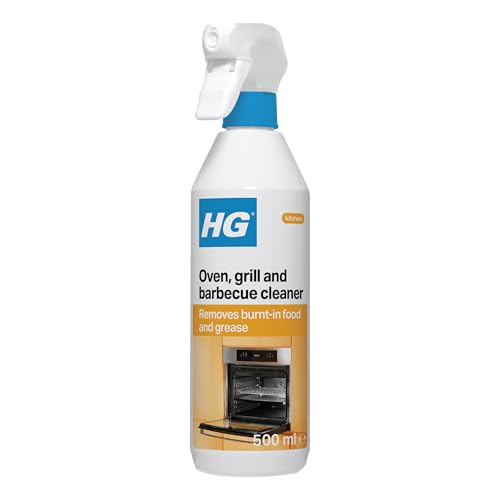
HG Oven, Grill & BBQ Cleaner Spray 500ml
Original price was: £11.19.£6.85Current price is: £6.85. *View On Amazon* -
Kitchen Cleaners
HG Kitchen Drain Unblocker 1L
Original price was: £7.11.£6.85Current price is: £6.85. *View On Amazon* -
Kitchen Cleaners
ABENA Puri-Line Kitchen and Bathroom Cleaner 750 ml Ready-to-Use
£3.15 *View On Amazon* -
Kitchen Cleaners
Fairy Skip the Soak Dish Spray Kit Lemon Trigger + 4 x 500ml Refill
£12.25 *View On Amazon*










How to Choose the Right Kitchen Cleaner
Kitchen cleaners are designed for different types of dirt, including grease, dried food, spills, fingerprints, burnt on residue and limescale. Some products are suitable for everyday wiping, while others are intended for ovens, hobs, stainless steel, sinks or food preparation areas.
Start by identifying the surface and the type of residue you need to remove. A strong oven cleaner may be unsuitable for a worktop, while a general kitchen spray may not be powerful enough for heavily burnt on grease.
Always read the product instructions and check compatibility before use. Where appropriate, test the cleaner on a small, discreet area first.
Types of Kitchen Cleaners
General Kitchen Sprays
General kitchen sprays are designed for routine cleaning on suitable washable surfaces. They may help remove light grease, crumbs, fingerprints and everyday food marks from worktops, cupboard fronts and appliance exteriors.
Ready to use sprays offer convenient, targeted application. Check whether the product should be sprayed directly onto the surface or applied to a cloth.
Some products need rinsing after use, especially on surfaces that come into direct contact with food.
Kitchen Degreasers
Degreasers are formulated to break down oily residue and cooking grease. They may be suitable for splashbacks, extractor hood exteriors, cupboard doors, worktops and other listed surfaces.
Strong degreasers can affect painted finishes, aluminium, natural stone and some plastics. Follow the stated contact time carefully and avoid leaving the product on longer than recommended.
For lighter grease, a general kitchen cleaner may be sufficient and less aggressive.
Oven Cleaners
Oven cleaners are designed to tackle baked on grease, food deposits and carbon residue inside suitable ovens. Products may be supplied as sprays, gels, foams, liquids or cleaning kits.
Check which parts of the oven can be treated. Some formulas should not be used on heating elements, catalytic liners, self cleaning panels, seals or aluminium components.
Use suitable ventilation and protective gloves where instructed. Rinse or wipe the oven thoroughly according to the product directions before cooking again.
Hob Cleaners
Hob cleaners may be designed for ceramic, induction, glass, gas or stainless steel cooking surfaces. Different hob materials require different cleaning methods.
Non abrasive creams and specialist scrapers may be suitable for some glass ceramic hobs, but only when recommended by the hob manufacturer. Gas burners and pan supports may need separate cleaning.
Allow the hob to cool fully before cleaning unless the instructions state otherwise.
Stainless Steel Cleaners
Stainless steel cleaners can help remove fingerprints, grease and water marks from suitable appliance fronts, sinks and fittings. Some products also leave a polished finish.
Check whether the cleaner is suitable for brushed, polished or coated stainless steel. Wipe in the direction of the grain where applicable and avoid abrasive pads that could scratch the surface.
Not every silver coloured appliance is uncoated stainless steel, so check the appliance care guidance before use.
Sink and Drain Cleaning Products
Kitchen sink cleaners may be formulated for stainless steel, ceramic, composite or other listed materials. Limescale, tea stains and food residue may require different products.
Drain cleaners are designed for particular types of blockage or maintenance. Follow the instructions carefully and never mix drain products with bleach, acids or other cleaners.
Persistent or complete blockages may require professional attention rather than repeated chemical treatment.
Antibacterial Kitchen Cleaners
Antibacterial kitchen cleaners are intended to reduce specified bacteria on suitable surfaces when used according to the instructions. They may be useful around sinks, bins, worktops and frequently touched areas.
Check the stated claims, required contact time and rinsing instructions. An antibacterial cleaner does not automatically disinfect against every microorganism.
Food preparation surfaces may need to be rinsed with clean water after treatment.
Kitchen Cleaning Wipes
Kitchen wipes provide a quick option for small spills, crumbs and touch ups. They are pre moistened and do not require a separate spray bottle or cloth.
Wipes are convenient but generally single use. One wipe may not be sufficient for a large or heavily soiled surface, particularly where a stated contact time must be maintained.
Dispose of wipes as instructed and do not flush them unless the packaging explicitly confirms they are suitable for flushing.
Important Buying Considerations
Surface Compatibility
Kitchen surfaces can include laminate, wood, quartz, granite, marble, stainless steel, ceramic, glass, enamel and painted finishes. These materials do not all tolerate the same cleaning formulas.
Natural stone can be particularly sensitive to acidic cleaners. Wood and laminate may be damaged by excess moisture, while polished surfaces can be scratched by abrasive products.
Check both the cleaner label and the surface manufacturer’s care guidance where available.
Type of Grease or Residue
Light splashes and fresh spills may only need a mild general cleaner. Thick grease, dried food and burnt on deposits may require a specialist degreaser, oven cleaner or hob product.
Using the strongest cleaner available is not always the safest option. Match the product to the task and begin with the gentlest suitable method.
Food Contact Surfaces
Worktops, chopping areas, dining surfaces and other food contact areas may require rinsing after cleaning. Check the label for clear instructions.
Do not use a product on utensils, cookware, chopping boards or food preparation equipment unless it is specifically listed as suitable.
Remove or cover exposed food before spraying cleaners nearby.
Product Format
Sprays are useful for targeted cleaning and vertical surfaces. Foams and gels may cling for longer, while creams can help with controlled cleaning on compatible hobs and sinks.
Concentrated cleaners may offer more usable solution but require accurate dilution. Wipes are convenient for small jobs but may be less practical for larger areas.
Contact Time
Some cleaners need to remain on the surface for a specific period to loosen grease or deliver a stated hygiene benefit.
Wiping the product away immediately may reduce its effectiveness. Do not exceed the stated contact time, as prolonged exposure may damage the material.
Fragrance and Ventilation
Kitchen cleaners are available in fragranced and lower fragrance options. Strong scents may be unsuitable for some households, particularly in small or poorly ventilated kitchens.
Open windows or use extraction where instructed. Fragrance does not indicate cleaning power or antibacterial performance.
General Kitchen Cleaner or Specialist Product
A general kitchen cleaner can be convenient for routine wiping across several compatible surfaces. It may be suitable for fresh spills, fingerprints and light grease.
Specialist products are designed for more specific tasks, such as cleaning ovens, ceramic hobs, stainless steel or heavy grease. They can provide a more targeted approach but may be unsuitable elsewhere.
Many households benefit from using a mild general cleaner for daily maintenance and a smaller number of specialist products for occasional deeper cleaning.
Cleaning Different Kitchen Areas
Worktops and Food Preparation Areas
Identify the worktop material before applying any cleaner. Laminate, solid wood, quartz, granite and marble each have different care requirements.
Remove crumbs and loose residue first. Apply the cleaner according to the instructions, then rinse or dry the surface where required.
Avoid allowing water or cleaning solution to collect around joins, edges or damaged sealant.
Hobs and Splashbacks
Allow cooking surfaces to cool before cleaning. Remove loose food carefully and use a product suitable for the hob or splashback material.
Glass, ceramic, stainless steel and tiled surfaces may all need different tools. Abrasive pads can leave permanent scratches on polished finishes.
Ovens and Grills
Ovens should be switched off and cool before cleaning unless the product instructions state otherwise. Remove shelves and trays where appropriate and treat them separately if permitted.
Do not apply cleaner to electrical components, fans, heating elements or self cleaning liners unless specifically allowed.
After cleaning, remove all residue as instructed before using the oven again.
Sinks and Taps
Kitchen sinks may be made from stainless steel, ceramic, composite or other materials. Choose a cleaner that is suitable for the exact surface.
Limescale around taps may need a specialist product, but acidic cleaners can damage some metals and stone worktops. Avoid leaving wet cloths or concentrated cleaner around fittings.
Fridges and Food Storage Areas
Use only products listed as suitable for refrigerator interiors and food storage surfaces. Remove food before cleaning and rinse thoroughly where instructed.
Avoid strong fragrances that may transfer to food. Allow the interior to dry before replacing shelves, drawers and stored items.
Cupboards and Appliance Exteriors
Cupboard doors and appliance finishes may be painted, laminated, wrapped, coated or made from wood. Use a soft cloth and avoid excessive moisture around edges and joins.
Spray cleaner onto the cloth rather than directly onto electrical controls or appliance openings where appropriate.
Kitchen Cleaning Safety
Always read the label before using a kitchen cleaner. Follow all instructions concerning gloves, ventilation, dilution, rinsing and contact time.
Never mix cleaning products. Bleach, acids, ammonia, drain cleaners and oven cleaners can react dangerously when combined.
Keep products in their original labelled containers and store them securely away from children, pets and food.
Do not transfer cleaners into drinks bottles, food containers or unlabelled spray bottles.
Using Kitchen Cleaners Around Children and Pets
Keep children and pets away while cleaners are being applied. Allow surfaces to dry or rinse them as instructed before normal use resumes.
Take extra care around highchairs, feeding areas, pet bowls and children’s kitchen equipment. Only use products specifically listed as suitable for the intended surface or item.
Natural or plant based wording does not mean a product can be swallowed, handled carelessly or used without following the safety instructions.
Useful Kitchen Cleaning Accessories
Kitchen cleaners may be used with microfibre cloths, non scratch sponges, brushes, scrapers, protective gloves and paper towels.
Choose accessories that suit the surface. Rough scourers, metal scrapers and abrasive brushes can scratch hobs, sinks, appliance fronts and polished worktops.
Using separate cloths for worktops, floors, bins and pet areas can help reduce the transfer of dirt and bacteria.
Wash reusable cloths regularly and allow them to dry completely before storage.
Why Buy Kitchen Cleaners from YPC?
At YPC, we understand active lifestyles and the need for practical products that work in real use. Our Kitchen Cleaners category makes it easier to browse and compare products for worktops, ovens, hobs, sinks, appliances and everyday cooking areas.
Explore the available options and compare surface suitability, formula, application method and cleaning task to find products that fit your kitchen routine.
Frequently Asked Questions
What type of cleaner should I use on kitchen worktops?
Choose a cleaner specifically listed as suitable for your worktop material. Laminate, wood, quartz, granite and marble can require different products and care methods.
Can kitchen cleaners be used on food preparation surfaces?
Only use them where the label confirms suitability. Some products require the surface to be rinsed with clean water before food is prepared.
What is the difference between a kitchen cleaner and a degreaser?
A general kitchen cleaner is intended for routine dirt and light grease. A degreaser is usually formulated for heavier oily residue and may require additional safety precautions.
Can I use oven cleaner on a hob?
Not unless the product specifically states that it is suitable. Oven cleaners can be too harsh for glass, ceramic, stainless steel and coated hob surfaces.
Can kitchen cleaning products be mixed with bleach?
No. Never mix cleaning products unless the manufacturer explicitly confirms that it is safe. Certain combinations can create hazardous fumes or reactions.
 Getting ready for Summer? View our Home and Garden Products

Heading outdoors this winter? Take a look at our Outdoor Clothing.