
Limescale Removers
Limescale Removers for Bathrooms, Kitchens and Appliances
Limescale removers help dissolve mineral deposits caused by hard water on suitable taps, shower screens, tiles, sinks, toilets, kettles and household appliances. Choosing a product designed for the specific surface or appliance can make cleaning easier while reducing the risk of dulling, etching or damaging delicate materials.
Browse sprays, liquids, gels, foams, powders, tablets and appliance descalers for different household tasks. Compare products by their intended use, surface compatibility, contact time, dilution requirements and whether rinsing is needed.
Explore the Limescale Removers range at YPC to find practical products for regular maintenance, visible water marks and heavier mineral build-up.
-
Limescale Removers
Bondtech Toilet Cleaner Tablets, Heavy Duty Limescale Remover, 24 Pack
Original price was: £9.99.£8.49Current price is: £8.49. *View On Amazon* -
Limescale Removers
Ecover Ecological Limescale Remover Pack of 3 (3 x 500 ml)
£17.50 *View On Amazon* -
Limescale Removers
Astonish Specialist Limescale Remover Spray, Lime Blast, 750ml Pack of 3
£12.79 *View On Amazon* -
Limescale Removers
Toilet Pumice Stone Cleaner, Limescale Remover, 250 g (Pack of 1)
Original price was: £11.99.£10.99Current price is: £10.99. *View On Amazon* -
Limescale Removers
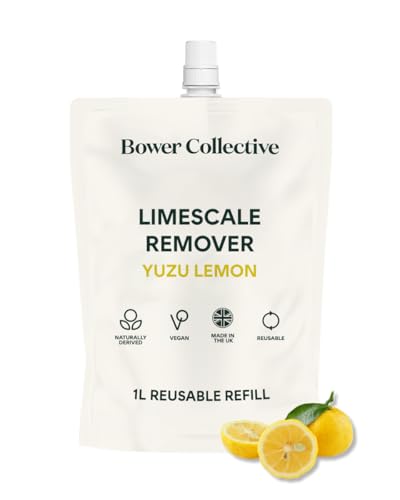
Bower Collective Yuzu & Lemon Natural Limescale Remover Spray Refill 1 Litre
£11.99 *View On Amazon* -
Limescale Removers
Harpic Limescale Remover 750ml
Original price was: £4.60.£4.36Current price is: £4.36. *View On Amazon* -
Limescale Removers
Eco Family Limescale Remover Refill Powder, 4 x 10g Sachets, Happy Haze Scent
£9.99 *View On Amazon* -
Limescale Removers
Viakal Limescale Remover Spray Vinegar Action 10 x 500 ml
Original price was: £30.00.£27.99Current price is: £27.99. *View On Amazon* -
Limescale Removers
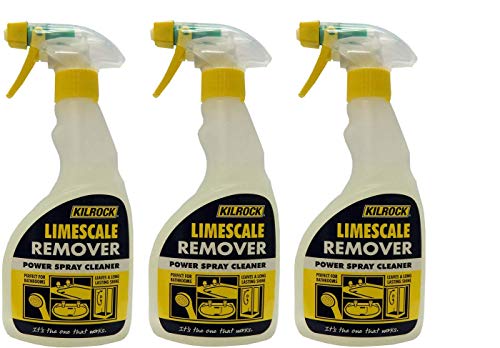
Limescale Remover 500ml Power Spray Bundle with Brush, Sponge and Cloth
Original price was: £13.49.£12.99Current price is: £12.99. *View On Amazon* -
Limescale Removers
Kilrock-k Multi-purpose Descaler Limescale Remover 250ml Phosphate Free
Original price was: £5.72.£5.39Current price is: £5.39. *View On Amazon* -
Limescale Removers
ACTIVE Appliance Descaler Limescale Remover 450g Powder
Original price was: £15.95.£13.56Current price is: £13.56. *View On Amazon*









How to Choose the Right Limescale Remover
Limescale is a hard, chalky deposit created when minerals in hard water build up on surfaces and inside appliances. It commonly appears around taps, showerheads, toilet bowls, kettles, coffee machines and other areas regularly exposed to water.
The right limescale remover depends on where the deposit is located, how heavy it is and what the surrounding material is made from. A bathroom spray may be suitable for ceramic tiles and glass but unsuitable for natural stone, aluminium or appliance interiors.
Always check the product instructions and the care guidance for the surface or appliance before use.
Types of Limescale Removers
Bathroom Limescale Sprays
Bathroom sprays are designed for targeted use on suitable shower screens, taps, tiles, baths and sinks. They can help remove water marks, soap residue and mineral deposits, depending on the formula.
Sprays are convenient for vertical surfaces, although they should not be allowed to dry or remain in place longer than instructed. Check compatibility with chrome, acrylic, grout, sealant and nearby flooring.
Limescale Remover Gels and Foams
Gels and foams can cling to vertical surfaces for longer than thin liquids. They may be useful around taps, shower fittings, toilet bowls and other areas where a runny product would drain away quickly.
Follow the stated contact time carefully. A longer treatment is not necessarily more effective and may damage sensitive finishes.
Descaling Liquids and Powders
Liquid and powder descalers may be intended for kettles, coffee machines, steam appliances, washing machines or dishwashers. These products are usually added in a measured quantity and followed by a specific cleaning or rinsing cycle.
Use only a product listed as compatible with the appliance. Ordinary bathroom limescale remover should not be poured into a kettle or coffee machine unless the label specifically permits it.
Descaling Tablets and Sachets
Tablets and premeasured sachets can make dosage easier for compatible appliances. They may be suitable for coffee machines, kettles, washing machines or other products, depending on the individual instructions.
Check the number of treatments included and whether the product is intended for a particular appliance brand or model.
Toilet Descalers
Toilet descalers are formulated to treat mineral deposits inside suitable toilet bowls. They may be supplied as gels, liquids, powders or tablets.
These products can contain strong acidic ingredients. Avoid splashing them onto toilet seats, chrome fittings, natural stone floors or surrounding surfaces.
Never mix a toilet descaler with bleach or another toilet cleaner.
Important Buying Considerations
Surface Compatibility
Surface compatibility is the most important factor when choosing a limescale remover. Acidic formulas can damage marble, limestone, travertine and other natural stone.
Some products may also affect aluminium, enamel, chrome plating, grout, rubber seals, painted surfaces or decorative finishes.
Check the label carefully and test the product on a small, discreet area where appropriate.
Location of the Limescale
Visible deposits on taps and shower screens require a different application method from scale hidden inside kettles, coffee machines or washing machines.
Choose a product designed for the exact location rather than using a general household descaler everywhere.
Severity of Build-Up
Light water marks may respond to a mild spray or regular wiping. Thick, hardened deposits may need a specialist product and more than one treatment.
Follow the repeat-application instructions rather than increasing the dosage or contact time without guidance.
Contact Time
Limescale removers often need several minutes to dissolve mineral deposits. Removing the product too soon may reduce its effectiveness.
Leaving it on longer than directed can permanently mark or dull the surface. Use a timer where helpful and rinse promptly when instructed.
Ready to Use or Concentrated Formula
Ready to use products offer convenient application without measuring. Concentrated formulas may provide more treatments but require accurate dilution.
Using an undiluted concentrate where dilution is required can damage surfaces and increase safety risks.
Bathroom Limescale Removers
Bathrooms are common areas for limescale because taps, shower screens, tiles and sanitary fittings are regularly exposed to water.
Choose a cleaner that is suitable for every material it may touch. A product applied to a tap may also run onto a stone worktop, grout joint or acrylic basin.
Remove loose dirt and soap residue first where instructed. This can help the descaler reach the mineral deposit more effectively.
Rinse treated surfaces thoroughly and dry them with a soft cloth to help reduce fresh water marks.
Kitchen Limescale Removers
Kitchen limescale can appear around taps, sinks, draining boards and appliances. Check whether the product is suitable for stainless steel, ceramic, composite sinks or the worktop material nearby.
Food contact surfaces may require thorough rinsing after treatment. Remove uncovered food, utensils and preparation equipment before applying spray products.
Avoid allowing acidic descaler to remain on natural stone worktops, aluminium components or plated fittings.
Kettle Descalers
Kettle descalers are designed to remove mineral deposits from compatible electric and stovetop kettles. Follow the dosage, water temperature and treatment time shown on the packaging.
The kettle may need to be rinsed several times or boiled with fresh water after descaling. Complete every rinsing step before using it for drinks.
Do not use a surface cleaning spray inside a kettle unless it is specifically approved for that purpose.
Coffee Machine Descalers
Coffee machines can develop scale within water tanks, heating systems and internal pipes. Use a descaler recommended for the type of machine.
Follow the appliance’s descaling programme where available. Some machines require a particular solution or treatment frequency.
Run the stated rinsing cycles before preparing drinks again. Never assume that household vinegar or a general descaler is suitable for every machine.
Washing Machine and Dishwasher Descalers
Appliance descalers may help remove mineral deposits from internal components when used according to the instructions. Products can be supplied as powders, liquids or tablets.
Check whether the treatment should be used in an empty machine and which programme or temperature is required.
A descaler does not replace regular cleaning of filters, seals, detergent drawers or spray arms. Follow the appliance manufacturer’s maintenance guidance as well as the product instructions.
Limescale Remover or General Bathroom Cleaner
A general bathroom cleaner may remove soap residue, everyday dirt and light water marks from suitable surfaces. It may not be strong enough for hardened mineral deposits.
A specialist limescale remover is formulated to dissolve scale but may be more acidic and unsuitable for delicate materials.
Use the gentlest suitable product for routine cleaning and reserve stronger descalers for visible mineral build-up where they are compatible.
Natural Stone and Delicate Surfaces
Marble, limestone, travertine and some other natural stones can be damaged by acidic products. This damage may appear as dull patches, discolouration or permanent etching.
Choose a product specifically labelled as suitable for the exact stone type. Where care instructions are unavailable, seek specialist guidance before applying a descaler.
Take similar care with painted surfaces, enamel, aluminium, decorative metal finishes and older fixtures.
Cleaning Taps and Showerheads
For external deposits, apply the product using the method stated on the label. A cloth or non-abrasive sponge may provide more controlled application around taps and fittings.
Removable showerheads may be soaked only where the manufacturer and cleaner instructions permit it.
Rinse thoroughly and dry with a soft cloth. Avoid using metal tools or aggressive abrasive pads that could scratch or remove the surface finish.
Using Limescale Removers Safely
Always read the label before use and follow all instructions on gloves, ventilation, dilution, contact time and rinsing.
Never mix limescale remover with:
- Bleach
- Toilet cleaner
- Disinfectant
- Drain cleaner
- Ammonia-based products
- Another descaling product
Mixing acidic limescale remover with bleach can release dangerous chlorine gas.
Keep products in their original labelled containers. Store them upright and securely away from children, pets, food and heat.
Avoid breathing spray mist and do not lean directly over appliances or containers during treatment.
Using Descalers Around Children and Pets
Keep children and pets away while a product is being applied and until treated surfaces have been rinsed and dried as instructed.
Remove pet bowls, toys and feeding equipment from nearby areas before spraying. Only use a product directly on animal equipment where it is specifically listed as suitable.
Descriptions such as natural, plant based or biodegradable do not remove the need to follow the safety instructions.
Preventing Limescale Build-Up
Dry taps, sinks and shower screens after use to reduce the water left behind to evaporate. A shower squeegee or soft cloth can make this easier.
Regular light cleaning may prevent deposits from hardening and reduce the need for stronger treatments.
Appliances should be descaled at the frequency recommended by the manufacturer. This can depend on water hardness and how often the appliance is used.
Water filters or softening systems may help reduce scale in some circumstances, but they require correct installation and ongoing maintenance.
Useful Limescale Cleaning Accessories
Useful accessories may include microfibre cloths, non-scratch sponges, soft brushes, shower squeegees, protective gloves and measuring containers.
Choose tools that will not scratch the surface. Metal scourers and abrasive powders can damage glass, chrome, enamel and polished fittings.
Use separate cloths for toilets, kitchen surfaces and appliances to help reduce the transfer of dirt or cleaning residue.
Why Buy Limescale Removers from YPC?
At YPC, we understand active lifestyles and the need for practical products that work in real use. Our Limescale Removers category makes it easier to compare sprays, gels, liquids, powders and appliance descalers for different household tasks.
Browse the available options and compare surface compatibility, intended use, contact time and application method to find a product suited to your home.
Frequently Asked Questions
What is the safest way to remove limescale?
Choose a product specifically listed for the surface or appliance, follow the stated contact time and rinse thoroughly where required. Test it on a discreet area when appropriate.
Can limescale remover be used on natural stone?
Only where the product explicitly confirms that it is suitable for the exact type of stone. Acidic descalers can permanently damage marble, limestone and similar materials.
Can I use bathroom limescale remover in a kettle?
No, unless the product specifically states that it is suitable for internal kettle descaling. Use a food appliance descaler and complete all required rinsing steps.
Can limescale remover be mixed with bleach?
No. Mixing acidic limescale remover with bleach can release dangerous chlorine gas. Never combine cleaning products unless the manufacturer explicitly confirms it is safe.
How often should household appliances be descaled?
Follow the appliance manufacturer’s guidance. The required frequency can vary according to water hardness, appliance type and how regularly it is used.
 Getting ready for Summer? View our Home and Garden Products

Heading outdoors this winter? Take a look at our Outdoor Clothing.