
Mould and Mildew Removers
Mould and Mildew Removers for Bathrooms and Damp Areas
Mould and mildew removers are designed to treat visible marks on suitable tiles, grout, sealant, shower areas, walls and other washable household surfaces. Choosing the right product can help remove staining and residue, although recurring mould may also require improvements to ventilation, heating or moisture control.
Browse sprays, foams, gels, liquids and specialist treatments for different household surfaces. Compare products by their intended use, material compatibility, application method, contact time and ventilation requirements.
Explore the Mould and Mildew Removers range at YPC to find practical options for bathrooms, kitchens, utility rooms and other areas affected by condensation or damp conditions.
-
Mould and Mildew Removers
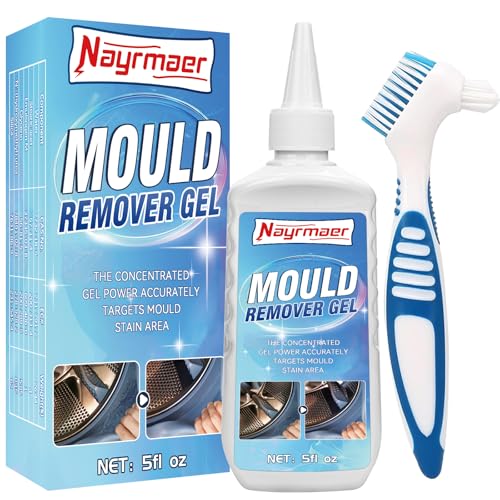
Mould Remover Gel for Washing Machine Seal, Bathroom, Tile and Grout
£9.99 *View On Amazon* -
Mould and Mildew Removers
Mould Remover Gel for Bathroom & Kitchen Walls, Tile Grout and Sealant
£8.99 *View On Amazon* -
Mould and Mildew Removers
Wall Mould Remover Spray 240ml (1pc)
Original price was: £8.99.£7.99Current price is: £7.99. *View On Amazon* -
Mould and Mildew Removers
Apply & Go Path and Patio Cleaner, Mould, Mildew, Lichen and Algae Remover, Ready To Use, 5 Litre
Original price was: £9.99.£9.67Current price is: £9.67. *View On Amazon* -
Mould and Mildew Removers
Furniture Clinic Bathroom Mould Remover Spray 500ml
£5.99 *View On Amazon* -
Mould and Mildew Removers
RMR-86 Instant Mold and Mildew Stain Remover Spray, 32 Fl Oz
£29.99 *View On Amazon* -
Mould and Mildew Removers
Radiant Haul Black Mould Remover Spray Set with Brush, Sponge, Cloths and Gloves
£16.99 *View On Amazon* -
Mould and Mildew Removers
McKLords Commercial Concentrated Mould Remover 2.5 Litre
£9.69 *View On Amazon* -
Mould and Mildew Removers
Kilrock PRO Mould & Mildew Remover 750ml
Original price was: £14.91.£13.29Current price is: £13.29. *View On Amazon* -
Mould and Mildew Removers
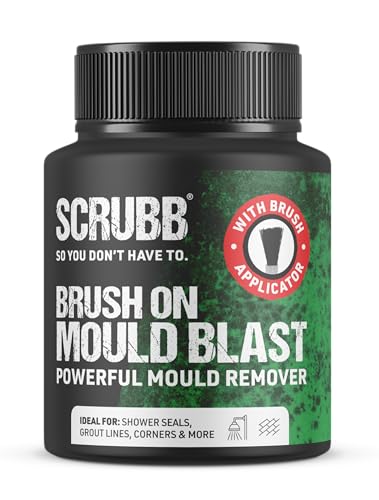
Kilrock Mould Remover Brush-On Gel 250ml
Original price was: £7.00.£5.87Current price is: £5.87. *View On Amazon* -
Mould and Mildew Removers
EcoValley Natural Plant Mould and Mildew Remover Spray 500ml
£14.99 *View On Amazon* -
Mould and Mildew Removers
Pro-Kleen Mould & Mildew Remover Super Concentrate Spray 5L + 750ml
£22.95 *View On Amazon* -
Mould and Mildew Removers
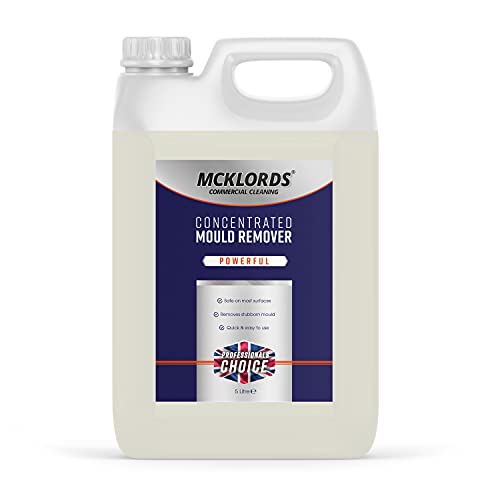
McKLords Commercial Concentrated Mould Remover 5 Litre
Original price was: £13.99.£13.51Current price is: £13.51. *View On Amazon* -
Mould and Mildew Removers
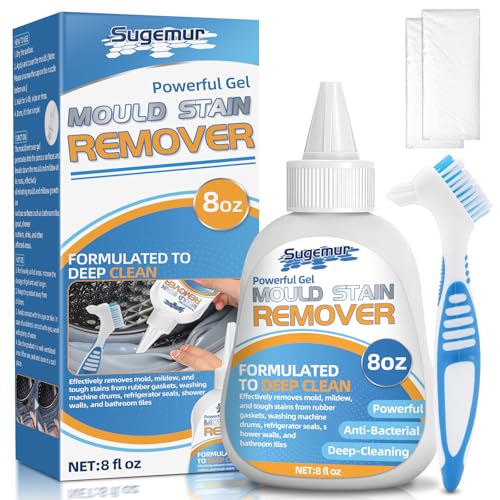
Sugemur Mould Remover Gel 8 fl oz with Brush and Gloves
£10.99 *View On Amazon* -
Mould and Mildew Removers
Astonish Mould & Mildew Remover 2 x 750 ml Pack of 2
£8.86 *View On Amazon* -
Mould and Mildew Removers
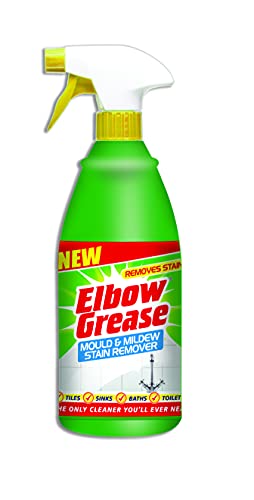
Elbow Grease Mould & Mildew Stain Remover Spray 1L Green
Original price was: £5.31.£5.00Current price is: £5.00. *View On Amazon*









How to Choose a Mould and Mildew Remover
Mould and mildew removers are formulated to clean visible fungal growth, dark marks and associated residue from suitable household surfaces. They are commonly used in bathrooms, around showers, on tiles, grout, sealant and in other areas where moisture regularly collects.
The right product depends on the surface, the size of the affected area and whether the mark is caused by surface condensation or a deeper damp problem.
Always check the product label before use. Strong mould treatments can damage painted finishes, fabrics, natural stone, metals and coloured materials if they are not listed as compatible.
What Causes Household Mould and Mildew?
Mould grows where moisture remains on surfaces or in materials for long enough. Common causes include condensation, poor ventilation, leaking pipes, damaged sealant, water penetration and insufficient heating.
Bathrooms and kitchens are particularly vulnerable because steam and warm air can settle on cooler walls, windows and fittings.
Cleaning can remove visible mould and staining, but it may not stop the problem from returning. The source of the moisture should also be identified and addressed where possible.
Types of Mould and Mildew Removers
Ready to Use Sprays
Ready to use sprays allow targeted application to suitable walls, tiles, grout and shower areas. They can be convenient for small patches and vertical surfaces.
Check whether the spray should be applied directly or onto a cloth. Avoid creating unnecessary mist and use the product only in a well-ventilated area.
Follow the stated contact time before wiping or rinsing. Do not allow the product to dry on the surface unless the instructions permit it.
Foaming Mould Removers
Foaming products can cling to walls, tiles, sealant and other vertical surfaces for longer than a thin liquid. The visible foam can also make it easier to see which areas have been treated.
Foam does not necessarily mean the product is stronger. Effectiveness depends on the formulation, correct application and required contact time.
Take care around ceilings and overhead areas to avoid drips onto skin, clothing or surrounding furnishings.
Mould Remover Gels
Gel treatments can provide controlled application around grout lines, sealant, corners and other targeted areas. Their thicker consistency may reduce running and allow longer contact with the mark.
Check whether the gel is suitable for coloured grout, silicone, acrylic, painted surfaces or nearby metal fittings.
Remove all residue according to the product instructions.
Concentrated Treatments
Concentrated mould cleaners may need to be diluted before use. They can suit larger washable areas or frequent treatment, depending on the product.
Accurate dilution is essential. Using the concentrate undiluted when this is not instructed can damage surfaces and increase exposure to strong chemicals.
Prepare only the quantity needed and never mix the solution with another cleaner.
Chlorine Free Mould Removers
Chlorine free products may use alternative active ingredients and can suit households where strong bleach odours are undesirable.
They are not automatically suitable for every surface or safer to handle without precautions. Check the label for material compatibility, ventilation guidance and stated uses.
The results and contact time may differ from chlorine-based treatments.
Important Buying Considerations
Surface Compatibility
Mould can appear on ceramic tiles, grout, silicone sealant, painted walls, ceilings, wood, fabrics and natural stone. These materials require different cleaning methods.
A product suitable for white bathroom tiles may discolour paint, fade coloured grout or damage delicate materials.
Check the listed surface suitability and test the cleaner on a small, discreet area where appropriate.
Location of the Mould
Bathroom mould caused by condensation may respond to surface cleaning and improved ventilation. Mould caused by a leak, rising damp or water penetration may return until the underlying fault is repaired.
Mould behind wallpaper, beneath flooring or inside wall cavities may need professional investigation rather than repeated surface treatment.
Size of the Affected Area
Small, isolated patches may be manageable with a household mould remover. Large areas, recurring growth or mould affecting porous building materials can indicate a more serious moisture problem.
Consider professional advice where the affected area is extensive, difficult to reach or linked to structural damage.
Contact Time
Mould removers often need to remain on the surface for a specified period. Wiping the product away too quickly may reduce its effectiveness.
Do not leave the cleaner on longer than instructed. Prolonged contact can bleach colours, weaken sealants or damage surface finishes.
Ventilation Requirements
Many mould removers produce strong odours or fumes. Open windows, use extractor fans and follow all ventilation guidance shown on the packaging.
Avoid using strong chemical products in an enclosed bathroom without adequate airflow.
Bleach Based or Chlorine Free Mould Remover
Bleach-based products may help lighten dark mould staining on compatible white, non-porous surfaces. They often have a strong odour and may fade fabrics, paint, grout or coloured finishes.
Chlorine free products use different formulations and may be preferable where bleach is unsuitable. They may require a different contact time or treatment method.
Neither type is suitable for every material. Choose according to the surface, product instructions and household requirements.
Cleaning Bathroom Mould
Bathroom mould commonly develops around showers, baths, window frames, grout and silicone sealant.
Remove toiletries, towels and other loose items before treatment. Apply the product according to the instructions and keep the room ventilated throughout.
Rinse tiles, baths and shower surfaces where required. Allow the area to dry before normal use resumes.
Persistent mould around a bath or shower may indicate damaged sealant or a hidden leak.
Cleaning Mould from Grout
Grout is porous and can hold moisture and staining below the surface. A product suitable for tiles may not always be suitable for coloured or deteriorating grout.
Apply the cleaner carefully and use a suitable brush only where recommended. Excessive scrubbing can loosen or remove weakened grout.
Deeply stained or crumbling grout may need repair or replacement rather than repeated cleaning.
Cleaning Mould from Silicone Sealant
Mould can grow on or beneath silicone sealant around baths, sinks and shower trays. Surface cleaner may improve the appearance when the growth is limited to the outer layer.
Where mould has penetrated deeply, the staining may not disappear completely. Damaged, loose or heavily affected sealant may need to be removed and replaced.
Make sure the area is completely dry before new sealant is applied.
Mould on Painted Walls and Ceilings
Painted surfaces can be sensitive to strong chemical cleaners. Check whether the product is suitable for the specific paint finish before application.
Avoid soaking plasterboard or porous walls. Excess moisture may make the underlying problem worse and cause paint to blister or peel.
After cleaning, allow the surface to dry fully. Anti-mould paint may help in some rooms, but it will not correct leaks, damp or insufficient ventilation.
Mould on Fabrics and Soft Furnishings
Ordinary bathroom mould remover should not be used on curtains, clothing, carpets, mattresses or upholstery unless it is specifically listed as suitable.
Strong treatments can bleach colours, damage fibres and leave difficult-to-remove residue.
Wash suitable items according to their care labels. Delicate, valuable or heavily affected fabrics may require professional cleaning or replacement.
Mould on Wood and Natural Stone
Wood can absorb moisture and chemicals, while natural stone may be damaged by acidic or bleach-based cleaners.
Use only products that clearly state compatibility with the exact material. Avoid saturating wooden frames, furniture or flooring.
Mould that has penetrated untreated wood or porous stone may require specialist assessment.
Using Mould Removers Safely
Always read and follow the label, including guidance on gloves, eye protection, ventilation, dilution and contact time.
Never mix mould remover with:
- Acidic limescale remover
- Toilet cleaner
- Drain cleaner
- Ammonia-based products
- Disinfectant
- Vinegar
- Another mould treatment
Mixing bleach-based products with acids or ammonia can release highly dangerous gases.
Keep your face away from the spray and avoid breathing mist or fumes. Do not apply the product while children, pets or other people are in the immediate area.
Protecting Nearby Surfaces
Mould remover can drip or spray beyond the intended area. Remove or cover towels, fabrics, bath mats, toiletries and decorative items before treatment.
Protect natural stone worktops, metal fittings, painted wood and flooring where necessary.
Rinse accidental splashes immediately according to the product guidance.
Using Mould Removers Around Children and Pets
Keep children and pets away while the cleaner is being applied and during the stated contact period.
Do not use the product near pet bowls, bedding, cages or toys unless it is specifically listed as suitable. Remove these items from the room before treatment.
Allow surfaces to dry and ventilate the room thoroughly before normal use resumes.
Descriptions such as natural, eco friendly or chlorine free do not remove the need to follow safety precautions.
Preventing Mould from Returning
Improve Ventilation
Use extractor fans during and after bathing, showering or cooking. Open windows where practical and keep air vents clear.
Leave internal doors open after producing steam if this helps moisture disperse safely through the home.
Control Condensation
Wipe water from shower screens, tiles, window frames and sills before it remains on the surface for long periods.
A squeegee or absorbent cloth can make regular moisture removal easier.
Maintain Consistent Heating
Cold surfaces encourage condensation. Maintaining suitable, consistent heating can help reduce moisture settling on walls and windows.
Heating alone will not solve leaks or structural damp, but it may form part of a broader moisture-control routine.
Repair Leaks and Damaged Sealant
Inspect pipes, taps, roofs, gutters, shower trays and seals where mould repeatedly returns.
A small leak can create persistent damp inside walls or beneath flooring. Repairs should be completed before cosmetic cleaning or redecorating.
Reduce Indoor Moisture
Dry laundry outdoors or in a ventilated room where possible. Use lids on pans and operate kitchen extraction while cooking.
Avoid blocking radiators, vents or air bricks with furniture or stored items.
Mould Remover or Routine Bathroom Cleaner
A regular bathroom cleaner is suitable for soap residue, water marks and everyday grime. It may not remove established mould staining or provide the treatment required for fungal growth.
A specialist mould remover is designed for visible mould and mildew on compatible surfaces. It may contain stronger ingredients and require additional ventilation and protective equipment.
Use specialist treatment only where needed and follow with regular cleaning and moisture control.
Useful Mould Cleaning Accessories
Useful accessories may include protective gloves, safety glasses, disposable cloths, soft brushes, sponges and shower squeegees.
Choose tools that suit the surface. Stiff brushes and abrasive pads can damage sealant, paint, acrylic baths and polished finishes.
Dispose of heavily contaminated disposable materials according to the product guidance. Wash reusable tools thoroughly and allow them to dry before storage.
When to Seek Professional Help
Professional assessment may be appropriate when:
- Mould covers a large area
- It returns quickly after cleaning
- Several rooms are affected
- Walls or ceilings feel damp
- Plaster, wood or flooring is damaged
- There is a persistent musty smell
- The mould follows flooding or sewage contamination
- The cause cannot be identified
Cleaning visible marks without resolving the source may only provide a temporary improvement.
Why Buy Mould and Mildew Removers from YPC?
At YPC, we understand active lifestyles and the need for practical products that work in real use. Our Mould and Mildew Removers category makes it easier to compare sprays, gels, foams and specialist treatments for different household surfaces.
Browse the available options and compare surface suitability, formula, contact time and ventilation requirements to find an appropriate treatment for your home.
Frequently Asked Questions
What is the difference between mould and mildew?
Both are types of fungal growth associated with moisture. Mildew often appears as a lighter surface growth, while mould can be darker and may penetrate porous materials.
Will mould remover stop mould from returning?
It can remove visible growth and staining from suitable surfaces, but mould may return unless condensation, leaks, damp or ventilation problems are also addressed.
Can mould remover be used on painted walls?
Only where the product specifically states that it is suitable. Strong cleaners may fade, stain or damage paint, so test a discreet area first.
Can I mix mould remover with limescale cleaner?
No. Acidic limescale products can react dangerously with bleach-based mould removers and release toxic chlorine gas.
When should mould be professionally treated?
Seek professional advice for large, recurring or hidden areas of mould, particularly where there is structural damp, water damage or deterioration of walls, wood or flooring.
 Getting ready for Summer? View our Home and Garden Products

Heading outdoors this winter? Take a look at our Outdoor Clothing.