
Oven and Hob Cleaners
Oven and Hob Cleaners for Burnt On Food and Grease
Oven and hob cleaners help remove cooking grease, food splashes, carbon deposits and burnt on residue from suitable cooking appliances. Choosing a product designed for your particular oven or hob surface can make cleaning easier while reducing the risk of scratching, discolouration or damage.
Browse oven cleaning sprays, gels, foams, degreasers, ceramic hob creams, cleaning kits and specialist products for compatible appliances. Compare options by their intended surface, application method, required contact time and any rinsing or ventilation instructions.
Explore the Oven and Hob Cleaners range at YPC to find practical products for routine maintenance and deeper kitchen cleaning.
- Oven and Hob Cleaners
Krud Kutter Original Heavy Duty Cleaner Degreaser and Stain Remover 750ml Spray
£10.00 *View On Amazon* - Oven and Hob Cleaners
Oven Cleaner Spray 300 ml Bottle with Oven Cleaning Tool Kit
£9.95 *View On Amazon* - Oven and Hob Cleaners
Professional Oven Cleaner Kit with Cleaning Bags, Gloves, Power Cloths and Scraper
£13.94 *View On Amazon* - Oven and Hob Cleaners
Tableau Carbon Remover 250ml Grill, Oven, Hob and BBQ Cleaner
£11.70 *View On Amazon* - Oven and Hob Cleaners
Multipurpose Non-Scratch Scraper Tool with 10 Refills and Scraper
Original price was: £7.49.£5.99Current price is: £5.99. *View On Amazon* - Oven and Hob Cleaners
Oven Cleaning Kit with 5 Replacement Attachments, Hob Scraper, Glass Scraper
£5.39 *View On Amazon* - Oven and Hob Cleaners
Wpro Degreaser Cleaner Spray for Neff Induction, Glass Ceramic & Glass Hob 500ml
£10.95 *View On Amazon* - Oven and Hob Cleaners
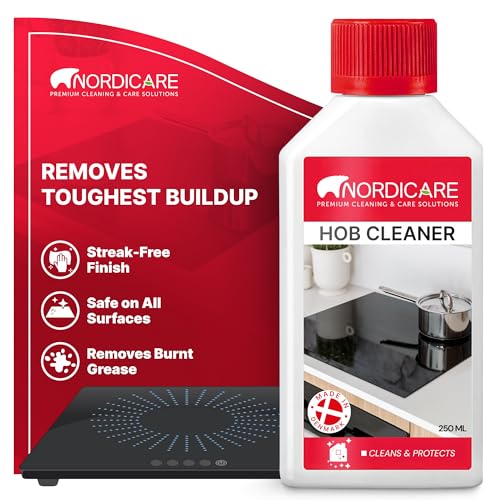
Nordicare Hob Cleaner Glass Ceramic and Induction Stove Top Cleaner Polish and Protector 500ml
£12.99 *View On Amazon* - Oven and Hob Cleaners
2pc Oven Cleaner Spray, Heavy Duty Oven and Grill Cleaner
Original price was: £14.99.£6.80Current price is: £6.80. *View On Amazon* - Oven and Hob Cleaners
Oven Cleaner 500ml Heavy Duty Cleaning Kit with Non-Scratch Tool, 10 Spares, Gloves and Rack Bag
£11.95 *View On Amazon* - Oven and Hob Cleaners
Orange Double Head Glass Cleaning Tool with 10 Metal and 10 Plastic Refill Pieces
Original price was: £6.48.£4.43Current price is: £4.43. *View On Amazon* - Oven and Hob Cleaners
HG Oven, Grill & BBQ Cleaner Spray 500ml 1 Pack
Original price was: £14.99.£11.99Current price is: £11.99. *View On Amazon* - Oven and Hob Cleaners
Nordicare Hob Cleaner for Glass Ceramic and Induction Hobs 250ml
£10.99 *View On Amazon*


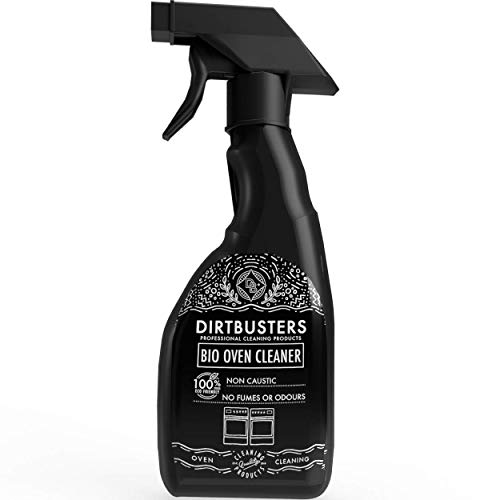



How to Choose Oven and Hob Cleaners
Oven and hob cleaners are designed to tackle cooking residue that ordinary kitchen sprays may struggle to remove. This can include baked on grease, burnt food, oil splashes, carbon deposits and marks left by pans.
The right product depends on the appliance, surface material and amount of residue involved. Standard oven interiors, catalytic liners, self cleaning panels, glass doors, ceramic hobs, induction hobs and gas burners may all require different cleaning methods.
Always check the appliance care instructions and the cleaner label before use. A strong product may be effective on one surface but unsuitable for another.
Types of Oven Cleaners
Oven Cleaning Sprays and Foams
Sprays and foams allow cleaner to be applied to suitable oven walls, doors, trays and racks. Foaming formulas may cling more effectively to vertical surfaces, depending on the product.
Check which parts of the oven can be treated. Some products must not be applied to fans, heating elements, seals, aluminium, catalytic panels or self cleaning liners.
Follow the recommended contact time carefully. Leaving a strong cleaner on longer than instructed may damage surfaces rather than improve the result.
Oven Cleaning Gels
Gel cleaners are designed to remain in contact with stubborn grease and burnt on deposits. Their thicker consistency may reduce dripping and make targeted application easier.
Use protective gloves and suitable ventilation where instructed. Remove all gel and loosened residue according to the directions before the oven is used for cooking again.
Oven Cleaning Kits
Cleaning kits may include a solution, application bags, gloves, cloths or tools for treating oven racks and internal surfaces. The included items and intended uses vary between products.
Check whether the kit is suitable for your oven and the materials being cleaned. Oven rack bags may not accommodate every rack size and should only be used according to the supplied instructions.
Oven Rack and Tray Cleaners
Oven racks and trays often collect thick grease and baked on food. Specialist products may allow suitable removable components to be soaked or treated separately.
Check whether the item is made from stainless steel, chrome, enamel, aluminium or another material. Some strong oven cleaners can stain or corrode aluminium and other sensitive metals.
Types of Hob Cleaners
Ceramic and Glass Hob Cleaners
Ceramic and glass hob cleaners are intended to remove grease, water marks and cooked on residue without damaging compatible smooth surfaces. They may be supplied as creams, liquids, sprays or cleaning kits.
Use a non abrasive cloth or pad unless the appliance manufacturer recommends another tool. Ordinary scouring pads can leave permanent scratches.
Remove loose grit before wiping, as small particles dragged across the surface may also cause marks.
Induction Hob Cleaners
Induction hobs usually have a smooth glass ceramic surface, but the care requirements can vary by manufacturer. Choose a product listed as suitable for induction hobs and follow the appliance guidance.
Allow the hob to cool before cleaning unless the instructions state otherwise. Avoid allowing liquid to enter controls, edges or ventilation openings.
Gas Hob Cleaners
Gas hobs can include enamel, stainless steel, glass, cast iron pan supports, burner caps and removable components. Each part may need a different cleaning method.
Check whether burners and pan supports can be soaked or placed in a dishwasher. Make sure all components are completely dry and correctly repositioned before using the hob again.
Avoid blocking burner openings with cleaning residue or water.
Stainless Steel Hob Cleaners
Stainless steel products may help remove grease, fingerprints and water marks from suitable hob surfaces. Some formulas also provide a polished appearance.
Check whether the stainless steel is brushed, polished or coated. Wipe in the direction of the grain where appropriate and avoid abrasive tools.
Not every silver coloured hob is uncoated stainless steel, so consult the appliance instructions before applying a specialist metal cleaner.
Important Buying Considerations
Appliance and Surface Compatibility
Compatibility is the most important factor when selecting an oven or hob cleaner. Read both the cleaner label and the appliance care guidance.
Check for exclusions involving:
- Catalytic oven liners
- Pyrolytic or self cleaning ovens
- Aluminium components
- Rubber seals
- Heating elements
- Painted or coated finishes
- Glass ceramic surfaces
- Stainless steel
- Cast iron parts
Do not assume that one product can safely clean every part of an appliance.
Type of Cooking Residue
Light grease and recent food splashes may only require a mild kitchen degreaser or hob spray. Burnt on food and carbon deposits may need a specialist oven cleaner or ceramic hob product.
Starting with the gentlest suitable method can reduce unnecessary exposure to stronger chemicals and help protect the appliance finish.
Product Strength and Contact Time
Some oven cleaners use strong formulations that require gloves, ventilation and careful application. Others are intended for lighter, more frequent maintenance.
Contact time is the period the cleaner must remain on the surface. Removing it too quickly may reduce effectiveness, but leaving it on too long can damage the material.
Application Method
Sprays cover larger areas quickly, while gels and creams provide more controlled application. Foams may cling to oven walls, and cleaning kits can provide several tools within one pack.
Consider whether the product is intended for direct application, use with a cloth or soaking removable components.
Rinsing and Residue Removal
Oven cleaner residue must be removed thoroughly before the appliance is used again. Follow any instructions for wiping, rinsing, drying or heating the empty oven after cleaning.
Hob creams and polishes may also need buffing with a clean cloth to avoid streaks or residue.
General Degreaser or Specialist Oven Cleaner
A general kitchen degreaser can be suitable for recent splashes and light grease on compatible appliance exteriors. It may be easier to use for routine maintenance and require a shorter contact time.
Specialist oven cleaners are designed for more stubborn, baked on deposits. They can contain stronger ingredients and may require greater care, additional ventilation and thorough rinsing.
Use a specialist product only where the task and appliance surface require it.
Cleaning Oven Interiors
Switch the oven off and allow it to cool fully before cleaning. Remove loose crumbs and debris before applying any liquid or gel.
Take out shelves, trays and removable supports where the appliance instructions permit. These components may need to be cleaned separately using a suitable method.
Protect heating elements, fans, controls and seals from products that are not approved for those areas. Avoid applying excessive liquid, particularly around openings and electrical components.
Remove all cleaner and residue before cooking. A second wipe with clean water may be required where stated.
Cleaning Oven Doors and Glass
Oven door glass may collect grease, fingerprints and burnt food deposits. Use a cleaner suitable for the glass and surrounding frame.
Some oven doors contain several glass panels, but they should only be dismantled where the appliance manufacturer provides clear instructions. Incorrect removal may damage the door or affect its safe operation.
Avoid using metal scrapers unless they are specifically recommended for the surface. Scratched or damaged glass may require professional inspection.
Cleaning Ceramic and Induction Hobs
Remove loose crumbs and grit before applying cleaner. Use a soft cloth, compatible pad or specialist hob scraper where approved by the appliance manufacturer.
A scraper should be held at the recommended angle and used carefully to avoid scratching the glass. Replace damaged or blunt blades where applicable.
Dry and polish the surface after cleaning to reduce streaks and identify any remaining residue.
Cleaning Gas Hobs
Remove pan supports, burner caps and other detachable parts only when the appliance is cool. Note their correct positions before cleaning.
Use a suitable brush or cloth to remove food residue without forcing dirt into burner holes. Do not use pins or unsuitable sharp objects that could alter the burner openings.
Allow every part to dry completely before reassembly. Damp burner components can affect ignition and flame performance.
Using Oven Cleaners Safely
Always read the label before opening or applying an oven cleaning product. Follow all guidance on gloves, eye protection, ventilation and contact time.
Never mix oven cleaner with bleach, ammonia, acids, disinfectants or any other household product. Chemical mixtures can produce dangerous fumes or reactions.
Keep children and pets away from the kitchen during cleaning. Store products upright in their original labelled containers and away from food.
Do not use the oven until all cleaner has been removed and any required airing or rinsing process has been completed.
Pyrolytic and Catalytic Ovens
Pyrolytic ovens use a high temperature cleaning cycle to turn food residue into ash. Follow the appliance instructions and remove any shelves or accessories that are not designed to remain inside during the cycle.
Catalytic liners absorb and break down grease during normal use or a specified cleaning programme. Strong chemical cleaners can damage these panels.
Do not apply a standard oven cleaner to self cleaning surfaces unless both the appliance and product instructions explicitly permit it.
Useful Oven and Hob Cleaning Accessories
Useful accessories may include protective gloves, non scratch sponges, microfibre cloths, oven scrapers, hob scrapers and brushes.
Choose accessories designed for the particular surface. Steel wool, metal scourers and abrasive powders can permanently scratch glass, enamel and stainless steel.
Dedicated cloths and tools can help prevent oven grease from being transferred to worktops or other kitchen areas.
Why Buy Oven and Hob Cleaners from YPC?
At YPC, we understand active lifestyles and the need for practical products that work in real use. Our Oven and Hob Cleaners category makes it easier to compare products for oven interiors, shelves, trays, ceramic hobs, induction surfaces and gas appliances.
Browse the available options and compare appliance compatibility, formula, contact time and application method to find a suitable cleaner for your kitchen.
Frequently Asked Questions
Can I use oven cleaner on a ceramic hob?
Not unless the product specifically states that it is suitable. Standard oven cleaners may be too harsh for glass ceramic and induction hob surfaces.
Can oven cleaner be used on self cleaning ovens?
It depends on the oven and product. Pyrolytic and catalytic surfaces can be damaged by ordinary oven cleaners, so check the appliance manual first.
How long should oven cleaner be left on?
Use the contact time stated on the product. Leaving it on longer than instructed may damage the surface or make residue harder to remove.
Can I clean oven heating elements?
Do not apply cleaner to heating elements unless the oven and cleaner instructions explicitly permit it. Clean around electrical components carefully.
Should a hob be hot or cold when cleaned?
Most hobs should be switched off and allowed to cool before cleaning. Follow the appliance and cleaner instructions, as requirements can vary.
 Getting ready for Summer? View our Home and Garden Products

Heading outdoors this winter? Take a look at our Outdoor Clothing.