Toilet Cleaners
Toilet Cleaners for Everyday Hygiene and Limescale Control
Toilet cleaners help remove stains, limescale, odours and everyday residue from suitable toilet bowls and surrounding surfaces. Choosing the right formula can make regular bathroom cleaning easier while helping you care for ceramic, plastic, chrome and other nearby materials correctly.
Browse toilet cleaning gels, liquids, foams, tablets, rim blocks, wipes and specialist limescale products. Compare options by their intended use, application method, contact time, fragrance and any rinsing or safety instructions.
Explore the Toilet Cleaners range at YPC to find practical products for routine maintenance, targeted stain removal and deeper toilet cleaning.
- Toilet Cleaners
Toilet Cleaner Tablets, 24 Pieces
Original price was: £9.99.£8.99Current price is: £8.99. *View On Amazon* - Toilet Cleaners
Duck Fresh Discs Toilet Cleaner Refill Twin Pack, Lime, Pack of 3
£14.79 *View On Amazon* - Toilet Cleaners
Bloo Power Fizz Tabs Anti-Limescale Drain Deep Toilet Cleaner Lemon, 8 x 22.5g (Pack of 2)
Original price was: £6.50.£6.30Current price is: £6.30. *View On Amazon* - Toilet Cleaners
Vove Probiotic Toilet Bowl Cleaner Tablets 24 Count Lime & Eucalyptus
£13.95 *View On Amazon* - Toilet Cleaners
Bloo Brilliant Gel All in 1 Toilet Rim Block Cleaner, Arctic Ocean Fresh Scent
Original price was: £3.15.£2.75Current price is: £2.75. *View On Amazon* - Toilet Cleaners
Duck Fresh Disc Toilet Cleaner Lavender Starter Pack, 36ml
Original price was: £7.50.£7.20Current price is: £7.20. *View On Amazon* - Toilet Cleaners
Mosconly Pumice Stone Toilet Bowl Cleaner Kit
Original price was: £12.99.£8.99Current price is: £8.99. *View On Amazon* - Toilet Cleaners
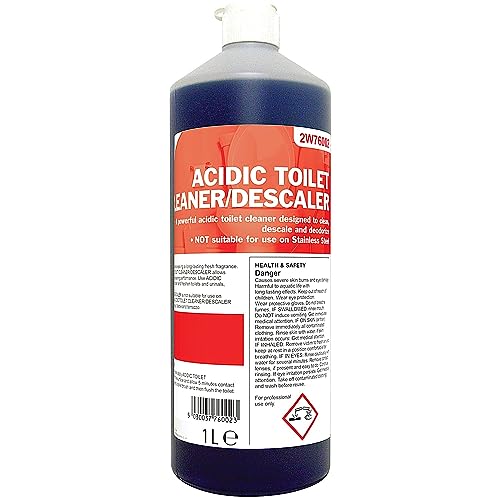
2Work Acidic Toilet Cleaner, Descaler and Deodoriser 1 Litre 2W76002
£15.99 *View On Amazon* - Toilet Cleaners
Duck Deep Action Gel Toilet Cleaner Liquid Lavender Pack of 8 (8 x 750ml)
£23.99 *View On Amazon* - Toilet Cleaners
Harpic Powerplus Active Tablets Original Scent 8 Tablets Toilet Cleaner
£10.55 *View On Amazon* - Toilet Cleaners
2PCS Fizzclean Toilet Cleaner Foaming Powder Limescale Remover
£12.99 *View On Amazon*








How to Choose the Right Toilet Cleaner
Toilet cleaners are designed for different cleaning tasks, including removing everyday residue, reducing odours, treating limescale and maintaining the toilet bowl between deeper cleans.
Start by identifying the main problem you need to address. A regular toilet gel may suit weekly cleaning, while persistent mineral deposits or dark staining may require a specialist limescale remover.
Always read the product label before use. Toilet cleaners can contain strong chemicals and should never be mixed with bleach, disinfectants, acids or other household cleaning products unless the manufacturer explicitly confirms that it is safe.
Types of Toilet Cleaners
Toilet Cleaning Gels
Toilet gels are designed to cling to the sides of the bowl, allowing the product to remain in contact with stains and deposits for the stated period.
Angled bottle necks can make it easier to apply cleaner beneath the rim. Follow the instructions carefully and avoid using more product than recommended.
Some gels are intended for regular cleaning, while stronger formulas may target limescale or stubborn stains.
Liquid Toilet Cleaners
Liquid cleaners can be used for routine cleaning and freshening, depending on the formulation. They may spread quickly around the bowl but can run down vertical surfaces faster than thicker gels.
Check the contact time and whether the toilet should be flushed before or after application. Keep the seat and lid raised or lowered as directed by the manufacturer.
Foaming Toilet Cleaners
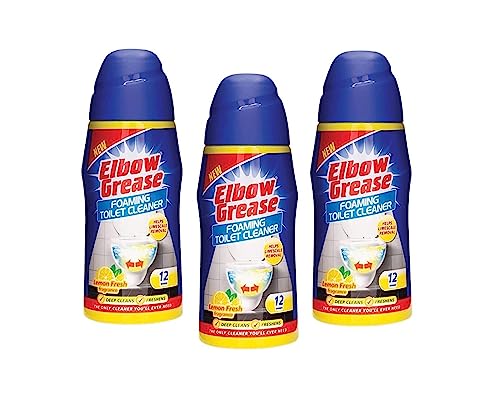
Foaming products may help cover the toilet bowl and make it easier to see where the cleaner has been applied. Some are supplied as powders, sachets, tablets or liquids that create foam when added to water.
Follow the dosage and waiting time stated on the packaging. Do not add another cleaning product to increase the foam or cleaning action.
Toilet Cleaning Tablets
Toilet tablets may be dropped into the bowl or placed in a cistern where the product specifically permits it. Bowl tablets are often used for periodic cleaning, stain treatment or freshening.
Cistern tablets release product over time but may not be compatible with every toilet mechanism, seal or plumbing system. Check the toilet manufacturer’s guidance before use.
Never place a product inside the cistern unless it is clearly designed for that purpose.
Rim Blocks and Toilet Fresheners
Rim blocks and toilet fresheners release a measured amount of product when the toilet is flushed. They can help maintain fragrance and reduce light build-up between full cleans.
They do not replace regular manual cleaning. Check the fitting carefully so the product does not obstruct the flush, move into the bowl or become accessible to children or pets.
Limescale and Stain Removers
Specialist toilet descalers are designed to tackle mineral deposits caused by hard water. These may appear as brown, grey, yellow or chalky marks, particularly below the waterline.
Limescale removers can contain strong acidic ingredients. Follow the stated contact time and avoid splashing the product onto natural stone, metal fittings, flooring or other sensitive surfaces.
Heavy deposits may require more than one treatment, but repeated applications should only be made according to the instructions.
Toilet Cleaning Wipes
Wipes can be useful for cleaning suitable toilet seats, lids, handles and surrounding surfaces. Check whether the wipes have antibacterial or disinfecting claims and follow any required contact time.
Do not use bowl cleaner on toilet seats or plastic fittings unless the product specifically states that it is suitable.
Dispose of wipes in household waste unless the packaging clearly states otherwise. Products described as flushable may still contribute to drain blockages, so disposal guidance should be followed carefully.
Important Buying Considerations
Intended Cleaning Task
Choose a product that matches the problem you need to solve. Everyday marks, limescale, odours and hygiene concerns may require different formulas.
A stronger product is not always necessary for routine cleaning. Using the gentlest suitable cleaner can reduce unnecessary exposure to harsh chemicals.
Contact Time
Many toilet cleaners need to remain in the bowl for a stated period before brushing and flushing. Some products may be left for several minutes, while others are designed for longer treatment.
Removing or flushing the cleaner too soon may reduce its effectiveness. Do not leave it on longer than instructed, as this may affect surfaces or plumbing components.
Fragrance
Toilet cleaners may be strongly fragranced, lightly scented or unfragranced. Fragrance can help the bathroom smell fresh, but it does not show how effectively the product cleans or disinfects.
Consider ventilation and household sensitivities when choosing scented products.
Antibacterial and Disinfecting Claims
A toilet cleaner should only be expected to reduce bacteria or disinfect where this is specifically stated on the packaging.
Check the organisms covered, application method and required contact time. A fragranced toilet gel does not automatically provide antibacterial or disinfecting action.
Plumbing and Septic Tank Suitability
Some toilet cleaners may not be suitable for septic tanks, macerators, portable toilets or specialist waste systems.
Check the product and plumbing system guidance before use. Repeated use of unsuitable chemicals can affect waste treatment systems or internal components.
Regular Cleaner or Specialist Descaler
A regular toilet cleaner is suitable for everyday residue, light stains and routine bathroom maintenance. Frequent cleaning can help prevent deposits from becoming difficult to remove.
A specialist descaler targets mineral build-up and may be more appropriate in hard-water areas. These products can be stronger, less versatile and require additional care during use.
Many households use a regular gel or liquid for weekly cleaning and a specialist product only when visible limescale develops.
Cleaning the Toilet Bowl
Flush the toilet first where instructed, then apply the cleaner beneath the rim and around the bowl. Allow it to remain for the stated contact time.
Use a toilet brush to clean beneath the rim, around the waterline and inside the bowl. Avoid splashing cleaner onto surrounding surfaces or clothing.
Flush after brushing where directed. Rinse the brush in the clean flush water if appropriate, then allow it to drain and dry before returning it to the holder.
Cleaning the Toilet Seat and Exterior
Toilet seats, lids, handles, hinges and exterior surfaces may be made from plastic, coated wood, stainless steel or chrome-plated materials.
Use a cleaner specifically listed as suitable for these surfaces. Strong bowl cleaners, bleach products and abrasive powders may discolour, weaken or scratch toilet seats and fittings.
Apply cleaner to a cloth rather than spraying directly near hinges, fixings or surrounding electrical equipment where appropriate.
Wipe surfaces in a sensible order, beginning with cleaner areas such as the flush handle and lid before moving towards the bowl exterior.
Removing Limescale Below the Waterline
Limescale below the waterline can be harder to treat because the cleaner becomes diluted by the water in the bowl.
Some products instruct users to lower the water level before application. Only do this using the method stated by the product or toilet manufacturer.
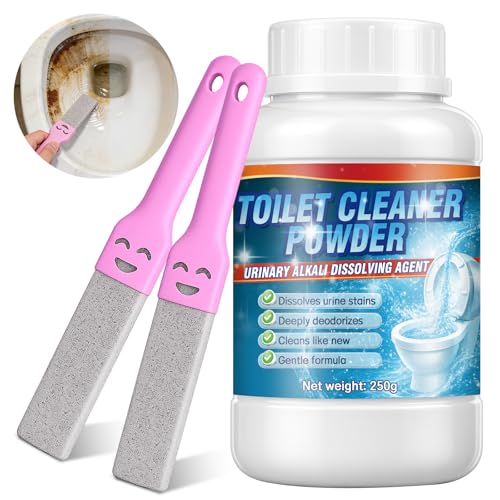
Apply the descaler carefully and allow it to work for the recommended time. Avoid using metal tools, knives or abrasive objects that could permanently scratch the ceramic glaze.
Persistent staining may be embedded within damaged or worn surfaces and may not respond fully to cleaning.
Toilet Brushes and Cleaning Tools
A toilet brush helps clean beneath the rim and around the bowl. Compare brush head shape, handle length, holder design and whether replacement heads are available.
Silicone and traditional bristle brushes offer different cleaning and drying characteristics. The most suitable choice depends on your preference and the shape of the toilet bowl.
Keep the brush and holder clean, allow them to dry where possible and replace the brush when it becomes worn, damaged or difficult to clean.
Toilet cleaning equipment should not be used elsewhere in the bathroom or home.
Toilet Cleaning Safety
Always read the label before opening or applying a toilet cleaner. Follow instructions concerning gloves, ventilation, dosage and contact time.
Never mix toilet cleaner with bleach or another cleaning product. Acidic toilet cleaners combined with bleach can release highly dangerous chlorine gas.
Keep products in their original labelled containers and close caps securely after use. Store them upright and away from children, pets, food and heat.
Avoid leaning directly over the bowl when applying strong cleaners. Wash your hands thoroughly after cleaning, even when gloves have been worn.
Cleaning Around Children and Pets
Keep children and pets out of the bathroom while toilet cleaners are being applied. Close the toilet lid or bathroom door where appropriate during the contact period.
Do not leave tablets, blocks or open bottles where they can be reached. Rim products should be securely fitted and checked regularly.
Flush the toilet and wipe surrounding surfaces according to the product instructions before allowing normal use to resume.
Terms such as natural, plant based or biodegradable do not mean the product is safe to swallow or handle without care.
Preventing Toilet Stains and Build-Up
Regular brushing can help prevent residue and mineral deposits from becoming firmly established. Clean beneath the rim and around the waterline rather than focusing only on visible areas.
Repair continuously running cisterns or slow leaks because constant water flow can encourage limescale marks.
Good bathroom ventilation can help control odours and moisture around the toilet, although it does not replace regular cleaning.
Avoid placing unsuitable products in the cistern, as they may damage seals, interfere with the flush mechanism or cause leaks.
Useful Toilet Cleaning Accessories
Useful accessories may include toilet brushes, protective gloves, disposable cloths, microfibre cloths and dedicated bathroom sponges.
Use separate cloths for the toilet and other bathroom surfaces. Colour-coded cleaning tools can make this easier to manage.
Avoid abrasive pads on plastic seats, chrome fittings and glazed ceramic surfaces unless the product instructions specifically permit them.
Why Buy Toilet Cleaners from YPC?
At YPC, we understand active lifestyles and the need for practical products that work in real use. Our Toilet Cleaners category makes it easier to compare gels, liquids, tablets, rim blocks and specialist limescale treatments.
Browse the available options and compare intended use, contact time, fragrance and plumbing suitability to find a toilet cleaner that fits your bathroom routine.
Frequently Asked Questions
What is the difference between toilet cleaner and bleach?
Toilet cleaner is formulated for specific bowl-cleaning tasks, while bleach is a separate chemical product. They must never be mixed because dangerous chlorine gas can be released.
How often should a toilet be cleaned?
This depends on household use, water hardness and personal preference. Regular brushing and weekly cleaning can help prevent stains, odours and limescale build-up.
How do I remove limescale from a toilet bowl?
Choose a toilet descaler listed for limescale removal and follow its contact time carefully. Avoid metal scrapers or tools that could scratch the ceramic surface.
Can toilet cleaner be used on the seat?
Only where the product specifically confirms that it is suitable. Strong bowl cleaners may damage, stain or weaken plastic and coated toilet seats.
Are toilet cleaning tablets safe for the cistern?
Only use a tablet in the cistern if it is designed for that purpose and compatible with your toilet. Some products can affect seals, valves or internal mechanisms.
 Getting ready for Summer? View our Home and Garden Products

Heading outdoors this winter? Take a look at our Outdoor Clothing.