
Laundry Bags
Laundry Bags for Washing, Sorting and Carrying Clothes
Laundry bags provide a practical way to collect, separate, protect and carry clothing, bedding and other washable fabrics. Whether you need a large bag for transporting laundry, a mesh wash bag for delicate garments or a compact option for travel, choosing the right design can make your laundry routine easier to manage.
Browse drawstring laundry bags, mesh washing bags, travel laundry bags, divided designs and protective garment bags. Compare products by their dimensions, capacity, closure, materials, washability and intended use.
Explore Laundry Bags at YPC to find practical options for family homes, shared accommodation, holidays, launderette visits and everyday washing.
- Laundry Bags
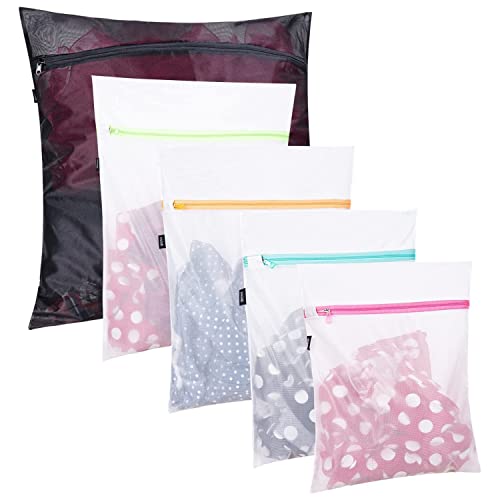
BAGAIL Mesh Laundry Bags
Original price was: £7.99.£6.79Current price is: £6.79. *View On Amazon* - Laundry Bags
2Pcs Shoe Washing Bags for Machine, 40 x 20 cm, Grey
Original price was: £12.99.£11.43Current price is: £11.43. *View On Amazon* - Laundry Bags
Bee Bag Trainer & Shoe Washing Machine Laundry Bag
Original price was: £29.99.£26.99Current price is: £26.99. *View On Amazon* - Laundry Bags
Tyqour 4 Pack Small Mesh Laundry Bags
Original price was: £4.29.£4.16Current price is: £4.16. *View On Amazon* - Laundry Bags
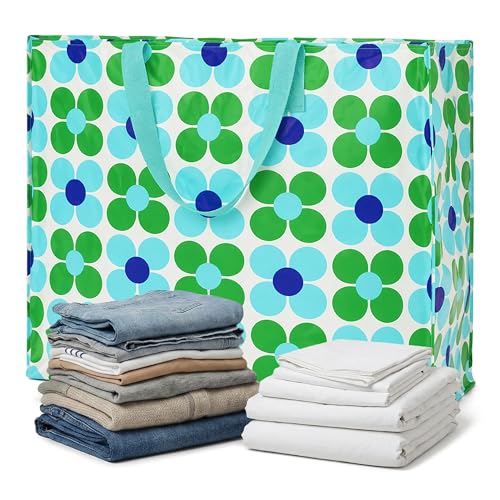
Extra Large Storage Bag, Water and Dust Resistant, Double Zipped, Blue Beach Huts, 65 Litre
Original price was: £16.95.£15.95Current price is: £15.95. *View On Amazon* - Laundry Bags
2 Pcs Mesh Laundry Bags, 70 x 90 cm Large Net Laundry Bags for Washing Machine
Original price was: £8.99.£7.99Current price is: £7.99. *View On Amazon* - Laundry Bags
DOKEHOM 90L Large Laundry Basket Bag Collapsible Tall Hamper Grey
£11.99 *View On Amazon* - Laundry Bags
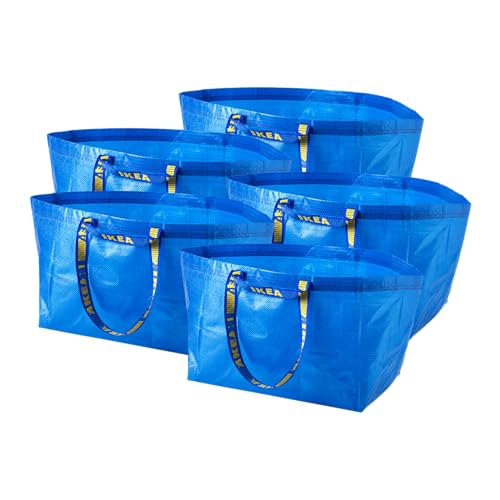
Ikea 5x Frakta Blue Large Bags
Original price was: £9.00.£8.45Current price is: £8.45. *View On Amazon* - Laundry Bags
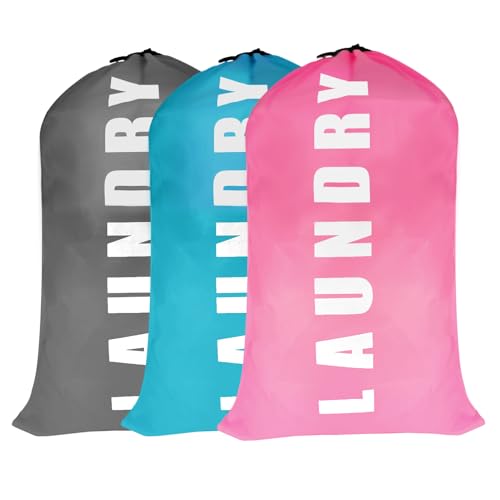
WUWEOT 6 Pack Mesh Laundry Bags with Drawstring Closure, 60 x 90 cm
£11.99 *View On Amazon*









How to Choose Laundry Bags
Laundry bags can be used to collect worn clothing, transport washing or protect selected garments inside a washing machine. Different products are designed for different stages of the laundry process, so it is important to check the intended use before ordering.
A large drawstring bag may suit carrying clothing to a utility room or launderette, while a smaller mesh bag can help keep socks, underwear and suitable delicate garments together during washing.
Consider what you need to store or wash, how much laundry the bag must hold and whether it needs to fit inside a washing machine, suitcase, cupboard or laundry hamper.
Types of Laundry Bags
Drawstring Laundry Bags
Drawstring bags provide a simple way to collect and carry dirty clothing. The top closes by pulling one or more cords, helping keep the contents contained during storage or transport.
They can be useful in bedrooms, shared homes, student accommodation and for visits to a launderette.
Check whether the drawstring is designed to act as a carrying handle. An overfilled bag can place excessive pressure on the cord, seams and closure.
Mesh Washing Bags
Mesh laundry bags are designed to hold suitable garments inside the washing machine. Their open structure allows water and detergent to circulate while helping keep smaller items together.
They may be useful for underwear, socks, bras and certain delicate garments where both the bag and clothing care instructions permit machine washing.
A mesh bag does not make an unsuitable garment safe for machine washing. Always follow the care label.
Bra and Lingerie Washing Bags
Lingerie bags may include a structured or padded design intended to reduce tangling and protect suitable bras and delicate underwear during a machine cycle.
Choose a size that allows the garment to move without being tightly compressed. Fasten hooks and clasps before placing the item inside where recommended.
Underwired, heavily padded or especially delicate garments may still require hand washing.
Large-Capacity Laundry Bags
Large laundry bags can hold clothing, towels or bedding for family washing, moving home or trips to a launderette.
Compare the dimensions and stated capacity carefully. A very large bag may be easy to fill but become difficult to lift safely.
Wet towels and bedding are considerably heavier than dry clothing, so avoid overloading the bag or exceeding any stated weight limit.
Laundry Backpacks
Laundry backpacks use shoulder straps to make clothing easier to carry, particularly when travelling between accommodation and a shared laundry room.
Check the strap width, padding and attachment points. The bag should sit securely without placing excessive strain on one shoulder.
Avoid filling a laundry backpack so heavily that it becomes uncomfortable or affects your balance on stairs.
Travel Laundry Bags
Travel laundry bags help separate worn clothing from clean items inside suitcases, holdalls and backpacks.
Compact drawstring or foldable designs take up little space when empty. Water-resistant materials may help contain damp swimwear temporarily, although wet items should be removed and dried promptly.
Check whether the bag is washable and whether it can be folded into an integrated pouch for storage.
Hanging Laundry Bags
Hanging laundry bags attach to suitable hooks, rails or doors and can help save floor space.
They may suit bedrooms, bathrooms, caravans and compact homes. Check the hanging method, maximum stated load and strength of the supporting hook or door.
Do not hang a heavy laundry bag from a lightweight adhesive hook unless the fitting is clearly designed for the load and surface.
Divided Laundry Bags
Divided bags have separate sections for whites, dark colours, delicate garments or different household members.
Sorting laundry as it is collected can reduce preparation time before washing. Check the capacity of each individual section, as the compartments may be smaller than expected.
Make sure the complete bag remains stable and manageable when several sections are full.
Waterproof and Water-Resistant Laundry Bags
Water-resistant bags can help contain damp clothing, swimwear or muddy garments for short periods.
They are not necessarily completely waterproof, and sealed bags can trap moisture and encourage odours or mildew.
Remove wet items as soon as practical and clean and dry the bag before storing it.
Important Buying Considerations
Intended Use
Check whether the bag is designed for:
- Collecting dirty laundry
- Carrying clothing
- Machine washing delicate items
- Separating clean and worn garments
- Travel
- Shared laundry facilities
- Storing seasonal clothing
- Holding damp swimwear temporarily
A bag intended for carrying laundry may not be suitable for placing inside a washing machine.
Size and Capacity
Compare the bag’s length, width and depth with the amount of laundry you usually handle.
A smaller mesh bag should have enough room for water and detergent to circulate around the garment. A large carrying bag should remain manageable when full.
Capacity may be shown in litres, kilograms or dimensions. Compare like for like where possible.
Material
Laundry bags may be made from mesh, cotton, polyester, nylon or coated synthetic materials.
Mesh allows water to circulate during washing. Fabric bags can be lightweight and foldable, while coated materials may help contain moisture temporarily.
Check the care instructions, durability and suitability for the intended task rather than choosing by material alone.
Closure Type
Common closures include drawstrings, zips, toggles, flaps and hook-and-loop fastenings.
Zipped bags can help prevent smaller garments escaping during a wash, but the zip should have a suitable cover or secure position where provided.
Drawstrings are simple but can become tangled if they are not secured according to the product instructions.
Handle and Strap Design
Handles make larger laundry bags easier to lift, while shoulder straps can help when carrying washing over longer distances.
Check the stitching and attachment points before use. Stop using the bag if the handle or strap begins to tear away from the main fabric.
Use both handles where supplied to distribute weight more evenly.
Washability
Laundry bags can collect dirt, detergent residue, moisture and odours. A washable design can be easier to maintain.
Check the permitted temperature and drying method. Some bags can be machine washed, while structured, coated or rigid products may need wiping or hand cleaning.
Allow the bag to dry completely before putting it back into use.
Laundry Bags or Laundry Baskets
Laundry bags are flexible, lightweight and often easier to store when empty. They can be convenient for travel, launderette visits and carrying clothing through narrow spaces.
Laundry baskets provide a rigid structure that keeps garments open and easier to access. They may be more suitable for carrying folded clean laundry or items that should not be compressed.
Many households use a hamper or basket for collecting laundry and a separate bag for transporting or machine washing selected garments.
Mesh Bags or Solid Fabric Bags
Mesh bags allow water and detergent to move around suitable garments during machine washing. They are generally used for smaller or more delicate items.
Solid fabric bags are more suitable for collecting and transporting clothes. They can conceal the contents and may provide greater protection during travel.
Do not place an ordinary solid laundry sack inside the washing machine unless it is specifically designed for that purpose.
Choosing the Right Mesh Washing Bag
Select a bag that is large enough for the item without allowing excessive movement or tangling.
Small bags can hold socks and underwear. Medium or larger bags may suit suitable jumpers, tops or several lightweight items, depending on the product instructions.
Avoid packing the bag tightly. Water and detergent need space to circulate, and compressed garments may not wash or rinse effectively.
Using Laundry Bags for Delicate Clothes
Check the garment care label before placing any delicate item in a washing bag.
A protective bag may help reduce tangling, stretching and contact with zips or rougher garments, but it cannot protect against:
- An unsuitable water temperature
- An aggressive spin speed
- Incorrect detergent
- Colour transfer
- Fabric shrinkage
- Machine washing a hand-wash-only item
- Washing dry-clean-only clothing
Use the correct delicate programme and detergent where required.
Washing Bras in Laundry Bags
Fasten hooks and clasps before placing a suitable bra in a structured washing bag. This can help prevent the fastenings catching on other garments.
Do not overfill the bag or crush moulded cups. Select a gentle programme where the care label allows machine washing.
Underwired or especially delicate bras may be better suited to hand washing, depending on the manufacturer’s instructions.
Washing Socks and Small Items
Mesh bags can keep socks, reusable pads and other small washable items together during a cycle.
Do not mix heavily soiled items with delicate laundry simply because they are enclosed in separate bags.
Remove every item from the bag after washing and allow both the clothing and mesh bag to dry completely.
Using Laundry Bags for Shoes
Some laundry bags are designed for compatible washable trainers or slippers. Standard mesh bags may not be strong enough or shaped correctly for footwear.
Check both the shoe and bag instructions before machine washing. Many shoes contain adhesives, leather, suede, decorative components or structural parts that can be damaged by water and agitation.
Footwear can also create an unbalanced washing-machine load. Follow the appliance guidance carefully.
Laundry Bags for Travel
Travel bags can separate clean clothing, worn laundry and damp items inside luggage.
Consider using several smaller bags rather than one large bag if you want to organise garments by person, outfit or wash type.
Do not leave damp clothing sealed inside luggage for longer than necessary. Unpack and dry or wash the items promptly to help prevent odours and mildew.
Laundry Bags for Launderette Visits
Choose a strong, easy-to-carry bag with secure handles or shoulder straps.
Consider how far the bag must be carried and whether stairs, public transport or walking are involved. A bag that is comfortable when filled with dry clothing may feel much heavier when carrying washed laundry.
Keep detergent and laundry products in separate secure containers rather than allowing them to leak inside the clothing bag.
Laundry Bags for Student Accommodation
A foldable laundry bag can suit bedrooms with limited space and shared washing facilities.
Hanging, backpack and large drawstring styles can make it easier to move laundry between rooms.
Choose a bag that holds roughly one washing-machine load so that it does not encourage overloading the appliance.
Label the bag where needed in shared accommodation.
Laundry Bags for Family Homes
Family households may benefit from several bags for different wash types or household members.
Separate bags can be used for:
- Whites
- Dark colours
- Delicates
- Sports clothing
- Workwear
- Towels
- Children’s clothing
- Pet bedding
This can make sorting easier, but every bag still needs to be checked before washing to ensure the garments share compatible care instructions.
Laundry Bags for Sports and Outdoor Clothing
Sportswear, muddy clothing and outdoor garments may require separate storage before washing.
Choose a ventilated bag for damp sports clothing where appropriate and empty it promptly. A sealed bag can trap sweat and moisture, causing odours to become stronger.
Waterproof and technical clothing may need specialist detergents and wash programmes. A laundry bag does not replace the garment care instructions.
Laundry Bags for Pet Bedding and Accessories
Use a separate laundry bag for washable pet blankets, towels and suitable accessories.
Keep this bag away from clothing, bedding and kitchen laundry. Remove loose hair and debris before placing items into the washing machine.
Wash and dry the bag after carrying heavily soiled pet laundry, following its care instructions.
Preventing Cross-Contamination
Separate heavily soiled clothing, cleaning cloths, pet bedding and ordinary household laundry where practical.
Do not use the same unwashed bag for clean folded clothing immediately after it has held dirty or damp laundry.
Colour coding or labels can help household members use the correct bag for each type of washing.
Wash your hands after handling contaminated laundry.
Avoiding Overloading
Do not fill a laundry bag beyond its stated capacity or until the seams and closure are under strain.
An overloaded carrying bag can split, while an overfilled mesh bag can prevent laundry washing and rinsing properly.
Spread large loads across more than one bag and make several trips where necessary.
When using a washing machine, follow the appliance’s maximum load guidance rather than using the bag capacity as a measure.
Carrying Laundry Safely
Use both handles where supplied and keep the load close to your body.
Avoid carrying a bag so full that it blocks your view of stairs or obstacles. Use a smaller load if you need one hand free for a handrail.
Do not drag fabric laundry bags across rough floors unless they are designed for this, as the base can tear.
Inspect straps, handles and seams regularly.
Washing Laundry Bags
Follow the bag’s care label. Many fabric and mesh bags can be washed, but temperature, spin and drying instructions vary.
Remove rigid inserts, clips or frames where directed. Close zips and secure drawstrings before washing if the instructions recommend it.
Wash heavily contaminated bags separately from clothing where practical.
Allow the bag to dry completely before folding or refilling it.
Cleaning Coated Laundry Bags
Water-resistant or coated bags may require wiping rather than machine washing.
Use a cleaning method suitable for the material and avoid harsh chemicals that could damage the coating.
Open the bag fully and allow the interior and seams to dry. Trapped moisture can lead to smells and deterioration.
Preventing Odours
Empty laundry bags regularly and avoid leaving damp clothes inside.
To reduce odours:
- Allow wet items to dry where appropriate
- Wash the bag according to its care label
- Keep the bag open between uses
- Avoid overfilling
- Store it in a ventilated area
- Remove heavily soiled clothing promptly
- Clean spills immediately
Persistent musty smells may indicate that the bag or stored laundry has remained damp.
Drying Laundry Bags
Air drying is often suitable for fabric and mesh bags, but always follow the care instructions.
Hang the bag open so air can reach the interior. Avoid folding it while damp.
Do not place coated, plastic or structured bags on a radiator or in a tumble dryer unless the manufacturer specifically permits it.
Checking Zips, Seams and Drawstrings
Inspect the bag periodically for:
- Loose stitching
- Split mesh
- Damaged zips
- Sharp zip pulls
- Frayed drawstrings
- Cracked toggles
- Weak handles
- Damaged straps
- Worn base panels
A sharp or damaged fastening can snag clothing. Replace the bag when it no longer contains or protects laundry securely.
Laundry Bag Safety Around Children
Drawstrings and long straps can present entanglement hazards. Keep laundry bags away from babies and young children.
Do not allow children to climb inside large bags or use them as toys. Flexible bags are not designed for hiding, sleeping or carrying people.
Store bags and detachable fastenings securely when not in use.
Laundry Bags Around Pets
Pets may chew drawstrings, mesh, zips or fabric panels.
Keep bags containing dirty laundry away from animals, particularly where clothing contains food residue or strong household scents.
Do not use an ordinary laundry bag as a pet carrier or bed unless it is specifically designed for that purpose.
Storing Laundry Bags
Fold clean, dry bags and store them in a cupboard, drawer or inside an empty laundry basket.
Hanging bags should be removed from unsuitable hooks before they become overloaded. Keep them away from heaters, damp walls and direct sunlight where these conditions may affect the material.
Store mesh washing bags together so that the correct size is easy to find before each wash.
Useful Laundry Bag Features
Depending on your routine, useful features may include:
- Strong carrying handles
- Adjustable shoulder straps
- Breathable mesh
- Secure zips
- Covered zip pulls
- Drawstring closures
- Removable liners
- Labels
- Divided compartments
- Foldable designs
- Water-resistant fabric
- Reinforced seams
Prioritise the features that solve a practical washing, storage or transport problem.
Why Buy Laundry Bags from YPC?
At YPC, we understand active lifestyles and the need for practical products that work in real use. Our Laundry Bags category makes it easier to compare mesh washing bags, drawstring sacks, travel organisers and large-capacity carrying options.
Browse the available products and compare dimensions, capacity, materials, closures and intended use to find laundry bags suited to your home and washing routine.
Frequently Asked Questions
What are mesh laundry bags used for?
Mesh bags help contain suitable socks, underwear and delicate garments during machine washing. They do not make hand-wash-only or dry-clean-only clothing machine washable.
How full should a mesh washing bag be?
Leave enough room for the garments to move and for water and detergent to circulate. Avoid packing the bag tightly.
Can laundry bags be put in the washing machine?
Only bags specifically designed for machine washing should be placed inside the drum. Carrying and storage bags may not be suitable.
Are laundry bags useful for travelling?
Yes. They can separate worn clothing from clean items and organise different wash types. Damp laundry should still be removed and dried promptly.
How should a laundry bag be cleaned?
Follow its care label. Some fabric and mesh bags are machine washable, while coated or structured designs may need wiping and air drying.
 Getting ready for Summer? View our Home and Garden Products

Heading outdoors this winter? Take a look at our Outdoor Clothing.