
Lint Rollers and Fabric Shavers
Lint Rollers and Fabric Shavers for Clothing and Upholstery Care
Lint rollers and fabric shavers help remove loose hair, fluff, lint and surface bobbles from suitable clothing, furniture and household fabrics. Choosing the right tool can make garments look tidier and help refresh well-used textiles without replacing them unnecessarily.
Browse adhesive lint rollers, reusable lint brushes, pet-hair removers, manual fabric combs and electric fabric shavers. Compare products by their intended fabrics, cleaning width, power source, adjustment settings, replacement requirements and suitability for delicate materials.
Explore Lint Rollers and Fabric Shavers at YPC to find practical tools for coats, jumpers, trousers, sofas, car seats, bedding and other compatible fabric surfaces.
- Lint Rollers and Fabric Shavers
Prima Cumce Cashmere Comb Wooden Fabric Shaver 2 Pcs
£13.19 *View On Amazon* - Lint Rollers and Fabric Shavers
Pionix Extra Power Fabric Shaver 35W 12000 RPM
£75.99 *View On Amazon* - Lint Rollers and Fabric Shavers
BLACK+DECKER Rechargeable USB-C Fabric & Garment Shaver with Large Capacity Lint Remover and 6 Stainless Steel Blades
Original price was: £28.57.£27.34Current price is: £27.34. *View On Amazon* - Lint Rollers and Fabric Shavers
Lint Remover Fabric Shaver with 4 Replaceable Blades, Cleaning Brush and USB Charging
Original price was: £9.99.£8.99Current price is: £8.99. *View On Amazon* - Lint Rollers and Fabric Shavers
Homtronics Rechargeable Fabric Shaver with LED Display, Black
Original price was: £13.99.£9.98Current price is: £9.98. *View On Amazon* - Lint Rollers and Fabric Shavers
Tenboo Sono Lint Remover GC20060 with 2 Extra Blades, Cleaning Brush & Fabric Protector
£5.99 *View On Amazon* - Lint Rollers and Fabric Shavers
Electric Lint Remover USB Rechargeable Fabric Shaver with 3 Blades
£14.99 *View On Amazon* - Lint Rollers and Fabric Shavers
2 Pack Reusable Lint Remover for Clothes and Carpets with Wooden Handle
£4.99 *View On Amazon* - Lint Rollers and Fabric Shavers
Double Head Fabric Shaver
Original price was: £22.00.£12.99Current price is: £12.99. *View On Amazon* - Lint Rollers and Fabric Shavers
BeoTnp Razor Travel Case for Electric Razor, 19 x 8 x 7 cm
£6.99 *View On Amazon* - Lint Rollers and Fabric Shavers
Electrolux Rechargeable Fabric Shaver & Lint Remover with LED Display, 3-Speed, Black
£45.61 *View On Amazon* - Lint Rollers and Fabric Shavers
Woeau Bobble Remover Clothes Electric Lint Remover Rechargeable Fabric Shaver Grey with 2 Spare Shaving Heads
£9.99 *View On Amazon* - Lint Rollers and Fabric Shavers
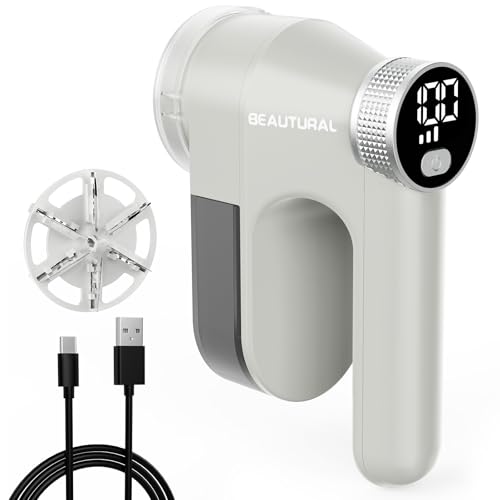
BEAUTURAL Rechargeable Fabric Shaver with 3-Speed Settings and 6-Leaf Blades
Original price was: £16.99.£11.99Current price is: £11.99. *View On Amazon* - Lint Rollers and Fabric Shavers
Amazeclick Reusable Lint Remover for Pets and Clothes
£3.75 *View On Amazon* - Lint Rollers and Fabric Shavers
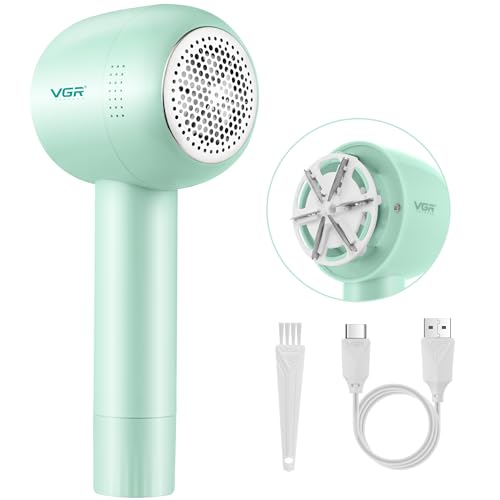
VGR Fabric Shaver Rechargeable Lint Remover for Clothes
£14.99 *View On Amazon* - Lint Rollers and Fabric Shavers
Mindu Fabric Shaver for Clothes with Digital LED Display and 6-Cutting Head
£11.99 *View On Amazon* - Lint Rollers and Fabric Shavers
Electric Fabric Shaver Lint Remover for Clothes
£9.48 *View On Amazon* - Lint Rollers and Fabric Shavers
Focenat Rechargeable Fabric Shaver with LED Display, 6-Blade, 3-Speed, Grey
£10.99 *View On Amazon* - Lint Rollers and Fabric Shavers
Rechargeable Fabric Shaver Electric Lint and Bobble Remover
£9.16 *View On Amazon* - Lint Rollers and Fabric Shavers
TOUCHBeauty Battery Operated Fabric Shaver with Detachable Lint Container
£7.59 *View On Amazon* - Lint Rollers and Fabric Shavers
USB Charging Electric Fabric Shaver with 2 Replacement Heads
£10.59 *View On Amazon*







How to Choose Lint Rollers and Fabric Shavers
Lint rollers and fabric shavers perform different fabric-care tasks. Lint rollers collect loose hair, dust, fibres and surface debris, while fabric shavers trim raised bobbles and pilling from compatible textiles.
The right product depends on what you need to remove and the material being treated. A sticky lint roller may suit pet hair on a coat, while a fabric shaver can refresh a jumper affected by repeated wear.
Always check the garment or furniture care instructions before use. Delicate, loosely woven, embroidered or textured fabrics can be damaged by unsuitable tools or excessive pressure.
Types of Lint Rollers
Adhesive Lint Rollers
Adhesive lint rollers use sticky sheets to collect loose hair, fluff, dust and fibres from compatible clothing and upholstery.
They can be useful for quick touch-ups before leaving home and for removing visible pet hair from coats, trousers, cushions and car seats.
Once the exposed sheet loses its grip, peel it away to reveal a fresh layer. Compare the number of sheets, roller width and availability of compatible refills.
Refillable Lint Rollers
Refillable lint rollers use replaceable adhesive rolls fitted to a reusable handle. They can reduce the need to replace the complete tool when the sheets run out.
Check the core width, fitting design and model compatibility before buying refills. Similar-looking rolls are not always interchangeable.
A secure handle and smooth rolling action can make larger cleaning tasks easier.
Travel Lint Rollers
Compact lint rollers are designed for handbags, vehicles, desks and luggage. They can be useful for removing lint from clothing while away from home.
Some include protective covers or retractable designs that prevent the adhesive collecting dirt during storage.
Their smaller size is convenient, although they generally cover less fabric with each pass.
Reusable Lint Brushes
Reusable lint brushes use textured fabric, rubber or other surfaces to collect hair and loose fibres without disposable adhesive sheets.
They can suit regular use on suitable clothing, furniture and vehicle upholstery. Depending on the design, collected debris may be removed by hand or through a self-cleaning holder.
Check the direction of use, as some lint brushes work effectively only when moved across the fabric in a particular direction.
Reusable Gel and Silicone Rollers
Washable rollers may use a tacky gel, silicone or rubber-like surface to collect loose debris.
After use, the roller is normally rinsed and left to dry so its grip can recover. Follow the care instructions and avoid using unsuitable detergents or abrasive cleaning tools.
These rollers can be convenient for repeated use, but their performance may vary according to the type of hair, lint and surface involved.
Pet-Hair Removers
Pet-hair rollers and brushes are designed to collect dog or cat hair from compatible clothing, bedding, carpets and upholstery.
Some use rubber edges, textured fabrics or manually operated rollers that collect hair inside a chamber.
Check whether the tool is intended for clothing, furniture, carpets or a combination of surfaces. A product designed for robust upholstery may be too aggressive for delicate garments.
Types of Fabric Shavers
Electric Fabric Shavers
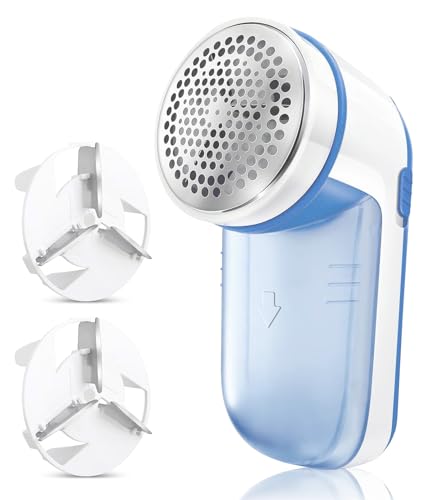
Electric fabric shavers use rotating blades beneath a protective guard to trim bobbles and raised fibres from suitable materials.
They can cover larger garment areas more quickly than a manual comb. Options may be battery-powered, rechargeable or mains-operated.
Compare the shaving-head size, adjustment settings, collection-container capacity and whether replacement blades are available.
Rechargeable Fabric Shavers
Rechargeable shavers avoid the need for disposable batteries and may be convenient for regular garment care.
Check the charging method, stated operating time and whether the tool can be used while connected to power. Charge it only using the equipment and method specified by the manufacturer.
Store the shaver with the protective cover fitted where supplied.
Battery-Powered Fabric Shavers
Battery-powered models are portable and can be used without a nearby socket. They may suit travel, occasional use and smaller garment-care tasks.
Check the required battery type and whether batteries are included. Remove batteries before prolonged storage where the instructions recommend it.
Performance may reduce as batteries lose power.
Manual Fabric Combs
Fabric combs use fine teeth or textured edges to remove bobbles manually from suitable knitted and woven fabrics.
They require no electricity and provide close control, but they may take longer on large areas.
Use gentle, even strokes and check compatibility carefully. An aggressive comb can pull threads or damage loosely knitted fabrics.
Sweater Stones and Pilling Blocks
Sweater stones and specialist pilling blocks use a textured surface to lift loose fibres and bobbles from compatible materials.
They can be useful for certain woollen or knitted garments, but material suitability varies. Follow the product directions and test a small hidden section first.
Small particles may be released from some blocks during use, so work over an easy-to-clean surface.
Lint, Fluff and Fabric Pilling
Lint and fluff usually sit loosely on the fabric surface and may come from other garments, tissues, towels, dust or pet hair.
Pilling occurs when fibres rub together and form small bobbles attached to the fabric. It commonly develops in areas exposed to repeated friction, such as under arms, around cuffs, between thighs and beneath bag straps.
A lint roller collects loose material. A fabric shaver or suitable comb trims attached pills. Using the wrong tool may have little effect or could damage the fabric.
Important Buying Considerations
Intended Fabric
Check whether the tool is suitable for:
- Cotton
- Wool
- Cashmere
- Polyester
- Acrylic
- Fleece
- Upholstery
- Carpets
- Bedding
- Vehicle interiors
- Delicate knitwear
Not every tool is suitable for every material. Fine knits, lace, velvet and loosely woven fabrics may require additional care or professional treatment.
Cleaning Head Size
A wider roller or shaving head can cover coats, sofas and large garment panels more quickly.
Smaller heads offer better control around cuffs, collars, seams and detailed sections.
Choose according to the surfaces you expect to treat most frequently.
Adjustable Shaving Height
Some electric fabric shavers offer different guard heights or settings for thin, medium and thicker fabrics.
An adjustable guard can help keep the blades at an appropriate distance from the material. Begin with the least aggressive setting and increase only where the instructions and fabric permit it.
Adhesive Sheet Quantity
When comparing disposable lint rollers, check the number of sheets per roll and the number of rolls included.
Consider whether each sheet removes cleanly and whether refills are available for the existing handle.
A larger pack may suit homes with shedding pets or frequent clothing-care needs.
Power Source
Electric fabric shavers may use replaceable batteries, rechargeable batteries or mains power.
Rechargeable models can suit frequent use, while battery-powered designs offer portability. Mains-operated products provide continuous power but require a nearby socket and careful cable positioning.
Collection Container
Electric shavers often collect trimmed fibres inside a removable compartment.
A larger compartment needs emptying less frequently, but it can add bulk to the tool. Check that the container is easy to remove, empty and refit securely.
Do not allow it to become overfilled, as this may reduce performance.
Lint Roller or Reusable Lint Brush
An adhesive lint roller is convenient for quick use and can collect fine hair, dust and fibres. It creates ongoing waste and requires replacement sheets.
A reusable brush avoids disposable adhesive rolls and can suit regular clothing or furniture care. It may require more passes and works best when used in the correct direction.
Many households keep a reusable brush for routine cleaning and an adhesive roller for quick final touch-ups.
Fabric Shaver or Fabric Comb
An electric fabric shaver can cover larger areas efficiently and collect trimmed fibres within the tool. It contains moving blades and requires careful handling.
A manual comb offers greater control and needs no batteries or charging. It can take longer and may pull fibres if used too firmly.
The most suitable option depends on the garment, size of the affected area and your confidence using the tool.
Choosing a Tool for Pet Hair
Pet hair can cling strongly to clothing, upholstery and vehicle seats. Adhesive rollers work well for targeted areas, while reusable rubber or textured tools may suit larger surfaces.
Consider how much hair is normally collected and whether disposable refills would be used frequently.
Test any pet-hair tool on a discreet section first, particularly on delicate furniture, loosely woven upholstery or clothing.
Remove gathered hair from reusable tools after use and store them away from clean fabrics.
Using Lint Rollers on Clothing
Lay the garment on a clean, flat surface or hang it securely.
Move the roller across the fabric using light, even pressure. Replace or clean the adhesive surface once it becomes covered and stops collecting debris effectively.
Avoid pressing heavily on delicate decorations, loose threads, sequins or textured finishes.
Check pockets for tissues before washing clothing, as prevention can reduce the amount of lint needing removal later.
Using Lint Rollers on Upholstery
Vacuum loose debris first where appropriate. Use the lint roller on compatible sofas, chairs, cushions and car seats in manageable sections.
Adhesive sheets may fill quickly when collecting large amounts of pet hair. A reusable furniture tool can be more practical for the first pass, followed by a lint roller for remaining fibres.
Do not use adhesive rollers on leather, suede, fragile velvet or damaged upholstery unless the product guidance confirms suitability.
How to Use a Fabric Shaver
Place the clean, dry garment on a firm, flat surface and smooth out wrinkles.
Select the safest suitable setting and move the shaver gently across the material without pressing hard. Keep the shaving head flat so the protective guard remains between the blades and fabric.
Work slowly around seams, buttons, zips, embroidery and changes in fabric thickness.
Stop regularly to inspect the result and empty the collection container where necessary.
Testing Before Fabric Shaving
Test the shaver or comb on a hidden part of the garment, such as an inside hem or less visible section.
Check for:
- Pulled threads
- Thinning fabric
- Colour changes
- Snags
- Uneven texture
- Visible blade marks
Stop immediately if the fabric becomes damaged. Testing reduces risk but cannot guarantee that every part of a garment will respond in the same way.
Fabrics That Need Extra Care
Take particular care with:
- Cashmere
- Fine wool
- Mohair
- Angora
- Lace
- Loose knits
- Embroidery
- Sequins
- Velvet
- Vintage clothing
- Very thin fabrics
- Garments with decorative threads
Some items are better treated with a specialist cashmere comb, gentle hand removal or professional garment care.
Do not use an electric shaver where the care label or product instructions advise against it.
Avoiding Damage to Clothing
Do not use a fabric shaver on wet, creased or stretched material.
Avoid:
- Pressing hard
- Repeatedly shaving one spot
- Working over holes or thin areas
- Passing over buttons and zips
- Using damaged blades
- Removing the protective guard
- Shaving fabric while it is being worn
- Using the tool on unsupported material
Fabric shavers remove fibres, so excessive use can gradually thin a garment.
Preventing Fabric Pilling
Pilling is influenced by fibre type, fabric construction, friction and washing habits. It cannot always be prevented completely.
You may help reduce it by:
- Following garment care labels
- Turning suitable clothing inside out before washing
- Using an appropriate wash cycle
- Avoiding overloading the machine
- Separating rough and delicate fabrics
- Closing zips and fastenings
- Using suitable laundry bags
- Reducing unnecessary friction
- Drying garments as instructed
A fabric shaver improves appearance but does not strengthen weakened fibres.
Caring for Wool and Knitwear
Wash and dry wool or knitwear according to the garment care label. Many knitted items should be dried flat to reduce stretching.
Store clean knitwear folded rather than hanging where the weight could distort the shape.
Use a suitable fabric comb or shaver only where the garment and tool instructions permit it. Gentle, occasional care is safer than frequent aggressive shaving.
Lint Rollers for Dark Clothing
Lint, dust and pet hair are often more visible on black, navy and other dark fabrics.
A lint roller can provide a quick final clean before clothing is worn. Check the garment under good lighting so missed areas are easier to spot.
Store freshly cleaned clothing away from shedding textiles and pet sleeping areas where practical.
Lint Rollers for Suits and Formal Clothing
Use light pressure on suits, coats and formal garments. Check whether the fabric is delicate, brushed or professionally finished.
A soft garment brush may be more suitable than adhesive sheets for certain wool suits and tailored items.
Follow the garment-care instructions and consider professional cleaning for valuable or specialist clothing.
Cleaning Lint Brushes and Reusable Rollers
Remove collected hair and fibres after each use.
Self-cleaning brushes may be inserted into a holder that strips debris from the cleaning surface. Empty the holder according to the product instructions.
Washable gel rollers should be rinsed only as directed and allowed to air dry fully. Avoid touching the clean surface unnecessarily, as skin oils can reduce tackiness.
Cleaning a Fabric Shaver
Switch off and disconnect the fabric shaver before cleaning it.
Remove the collection container and empty the fibres into household waste. Use the supplied brush or another approved method to clear accessible lint from the blade area.
Do not place the motor unit in water. Remove the blade assembly only where the instructions explain how to do so safely.
Refit all guards and covers correctly before the next use.
Replacing Fabric Shaver Blades
Blades can become dull or damaged over time. Signs may include reduced cutting performance, pulling fibres or needing repeated passes.
Use only compatible replacement blades and follow the manufacturer’s fitting instructions.
Never operate the tool with bent blades, a damaged guard or missing protective components.
Dispose of old blades safely so they cannot injure children, pets or waste handlers.
Battery and Charging Safety
Use the correct battery type and observe the polarity markings in battery-powered tools.
For rechargeable shavers:
- Use the supplied or approved charger
- Keep charging equipment dry
- Do not charge near water
- Stop using damaged cables
- Avoid excessive heat
- Follow the recommended charging time
- Store the tool switched off
Remove disposable batteries before prolonged storage where advised to reduce the risk of leakage.
Lint Rollers and Fabric Shavers Around Children
Keep adhesive rolls, loose backing sheets, batteries and cutting components away from children.
Fabric shavers contain sharp internal blades and should not be treated as toys. Store the tool with its protective cover fitted and the controls switched off.
Dispose of used adhesive sheets promptly, particularly where they contain pet hair or other debris.
Lint Rollers and Fabric Shavers Around Pets
Do not use lint rollers or fabric shavers directly on an animal. These tools are intended for compatible fabrics and household surfaces.
Keep adhesive sheets, batteries and detached parts away from pets that may chew or swallow them.
Use grooming products designed specifically for the animal when removing loose hair from its coat.
Storage
Keep lint rollers covered or inside a clean drawer so unused adhesive sheets do not collect dust.
Store reusable brushes dry and free from collected hair.
Fabric shavers should be emptied, cleaned and fitted with their protective cover before storage. Keep cables, chargers and replacement blades together but securely away from children and pets.
Avoid damp cupboards that could affect metal blades, batteries or electrical components.
When to Replace a Lint Roller or Fabric Shaver
Replace a lint roller handle when it becomes cracked, loose or no longer rotates smoothly.
Replace reusable brushes when their cleaning surface becomes worn, damaged or ineffective.
A fabric shaver may need replacement when:
- The motor becomes unreliable
- The guard is damaged
- Compatible blades are unavailable
- The battery no longer charges correctly
- The power cable is damaged
- The tool overheats
- The controls stop working safely
Do not continue using damaged electrical fabric-care equipment.
Useful Clothing-Care Accessories
Useful accessories may include:
- Replacement lint rolls
- Replacement fabric-shaver blades
- Garment brushes
- Mesh laundry bags
- Clothes hangers
- Sweater storage bags
- Clothing covers
- Fabric combs
- Upholstery brushes
- Travel cases
Check dimensions and compatibility before ordering refills, blades or charging accessories.
Why Buy Lint Rollers and Fabric Shavers from YPC?
At YPC, we understand active lifestyles and the need for practical products that work in real use. Our Lint Rollers and Fabric Shavers category makes it easier to compare adhesive rollers, reusable brushes, pet-hair tools, manual combs and electric shavers.
Browse the available options and compare fabric suitability, head size, power source and replacement requirements to find tools suited to your clothing, furniture and household routine.
Frequently Asked Questions
What is the difference between a lint roller and a fabric shaver?
A lint roller collects loose hair, dust and fibres. A fabric shaver trims bobbles and pilling that remain attached to the material.
Can fabric shavers damage clothing?
Yes, if used on unsuitable fabric or with excessive pressure. Test a hidden area, use the protective guard and avoid thin, loose or damaged material.
Are lint rollers suitable for pet hair?
Many lint rollers collect pet hair from compatible clothing and upholstery. Larger reusable pet-hair tools may be more practical for heavily covered surfaces.
Can a fabric shaver be used on wool?
Only where the shaver and garment instructions confirm suitability. Fine wool, cashmere and loose knits may require a gentler specialist comb.
How should a reusable lint roller be cleaned?
Follow the product instructions. Washable rollers may need rinsing and air drying, while reusable brushes may use a cleaning holder or require debris to be removed manually.
 Getting ready for Summer? View our Home and Garden Products

Heading outdoors this winter? Take a look at our Outdoor Clothing.