
Washing Lines
Washing Lines for Practical Outdoor and Indoor Drying
Washing lines provide reusable drying space for clothing, towels, bedding and other suitable laundry. Whether you need a traditional garden line, a retractable design for a smaller space or an indoor line for year-round use, the right system can help you dry washing without relying entirely on a tumble dryer.
Browse rotary washing lines, retractable lines, fixed clotheslines, indoor drying lines and replacement washing-line cord. Compare products by their total line length, installation requirements, available space, materials, maximum stated load and suitability for indoor or outdoor use.
Explore Washing Lines at YPC to find practical laundry-drying options for gardens, patios, balconies, utility rooms and compact household spaces.
- Washing Lines
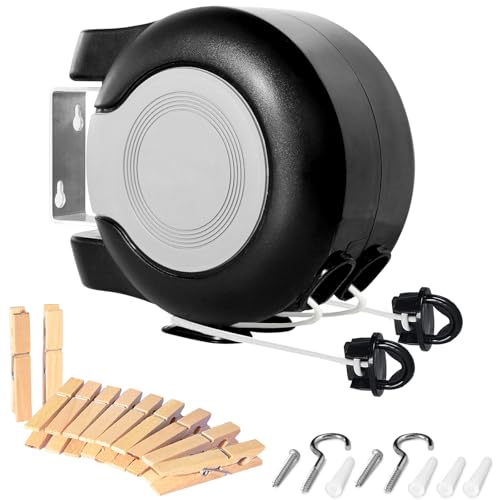
Supply Cube 30m Retractable Washing Line Wall Mounted Black & Grey
Original price was: £12.99.£11.90Current price is: £11.90. *View On Amazon* - Washing Lines
Ram® 30 Metre Retractable Reel Clothes Line with Twin Cable, Black
£11.66 *View On Amazon* - Washing Lines
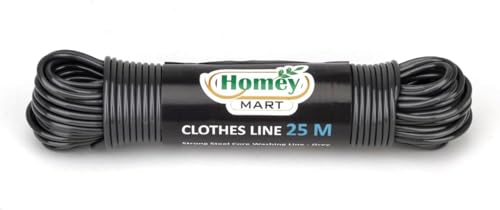
DODUOS 50m Steel Core Washing Line, Green PVC-Coated Rope
Original price was: £8.99.£8.59Current price is: £8.59. *View On Amazon* - Washing Lines
Sizi Ltd Heavy Duty 5 Arm 26m Wall Mounted Aluminium Rotary Airer
Original price was: £28.69.£26.29Current price is: £26.29. *View On Amazon* - Washing Lines
HEFTMAN Outdoor Rotary Washing Line, Black, 45m
Original price was: £27.99.£25.99Current price is: £25.99. *View On Amazon* - Washing Lines
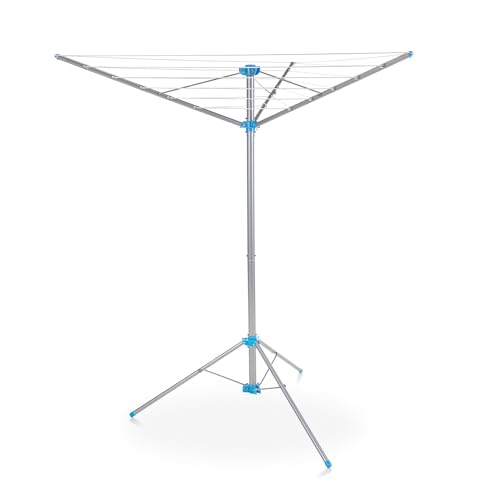
LIVIVO 4 Arm Rotary Washing Line 45M with Ground Spike and Cover Grey
Original price was: £23.99.£20.99Current price is: £20.99. *View On Amazon* - Washing Lines
REQUISITE NEEDS 30m Wall Mounted Twin Cable Retractable Washing Line, Black
Original price was: £14.99.£10.95Current price is: £10.95. *View On Amazon* - Washing Lines
Heavy Duty Washing Line 20M, 10mm Polyester Clothes Line with Carabiner Clips
Original price was: £13.56.£11.54Current price is: £11.54. *View On Amazon* - Washing Lines
Portable Retractable Clothesline with 12 Clips, Colourful
Original price was: £6.99.£5.99Current price is: £5.99. *View On Amazon* - Washing Lines
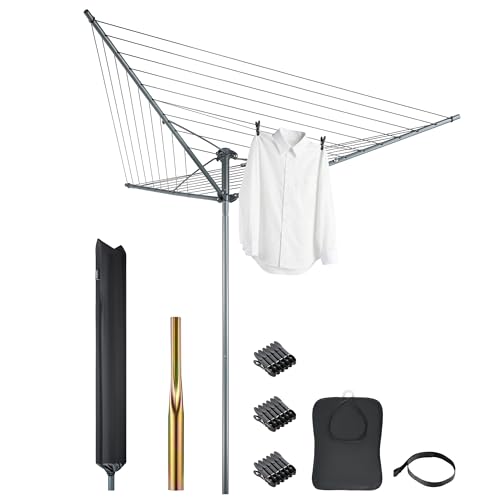
Brabantia Essential 30m Rotary Washing Line with Ground Tube (Grey)
Original price was: £84.00.£59.99Current price is: £59.99. *View On Amazon* - Washing Lines
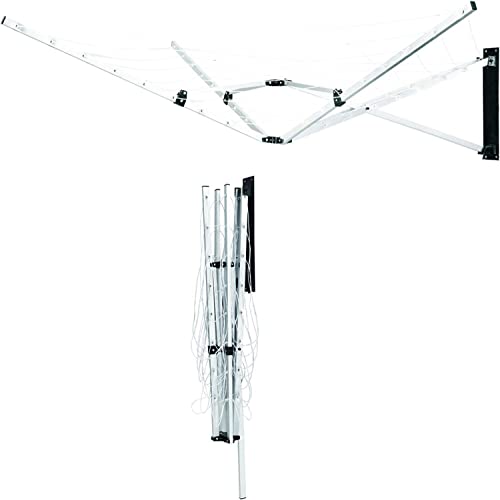
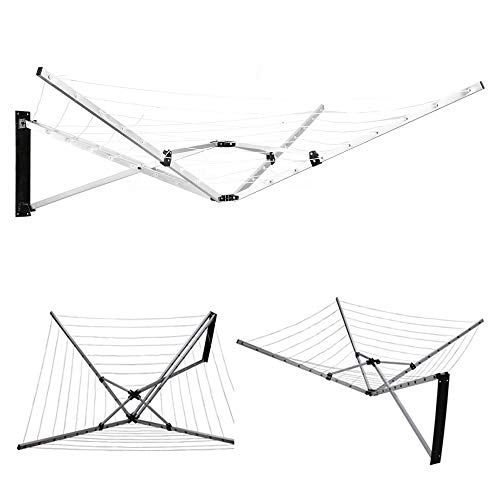
Denny Shop 5 Arm Wall Mounted Folding Cloth Dryer by Crystals®
£22.97 *View On Amazon* - Washing Lines
ARVO Clothes Pegs Pack of 20, Soft Grip, Black and White Combi, Small Size 6.9 x 2.2 cm
Original price was: £5.47.£4.45Current price is: £4.45. *View On Amazon* - Washing Lines
20m Polyester Washing Line Rope, 10mm Heavy Duty Clothes Line with 2 Hooks
Original price was: £14.99.£12.99Current price is: £12.99. *View On Amazon*











How to Choose the Right Washing Line
Washing lines hold laundry apart so that air can circulate around the fabric and moisture can evaporate. They provide a practical way to dry clothing, towels and bedding outdoors or in a suitably ventilated indoor area.
The right washing line depends on how much laundry you regularly wash, the space available and whether you need a permanent, retractable or portable system.
Start by measuring the installation area. Consider the full length of the extended line, the space needed to walk around it and whether doors, paths, windows or neighbouring property could be obstructed.
Types of Washing Lines
Traditional Fixed Washing Lines
A fixed washing line normally runs between two secure posts, walls or other suitable anchor points. It provides a simple drying solution for gardens, yards and utility spaces.
Fixed lines can offer generous drying space and are ready to use without unfolding or extending a mechanism. However, they remain visible when not in use and require strong, correctly positioned supports.
Check the required fittings, maximum span and recommended installation height before setting up the line.
Rotary Washing Lines
Rotary washing lines use several arms arranged around a central pole. They provide a large amount of drying space within a relatively compact section of garden.
They can be useful for family washing, towels and bedding because laundry is spread across several lines. Many designs fold or close when not in use.
Compare the total line length, overall diameter, installation socket, opening mechanism and maximum stated load. Make sure there is enough clearance for the arms to rotate freely.
Retractable Washing Lines
Retractable washing lines pull out from a wall-mounted housing and attach to a suitable fixing point on the opposite side of the space.
They can be a practical choice for patios, balconies, bathrooms and smaller gardens because the line can be stored inside the casing when it is not needed.
Check the maximum extension length and number of individual lines. The mounting surfaces must be strong enough to support the tension and weight of wet laundry.
Pulley Washing Lines
Pulley systems allow the line to be raised, lowered or moved to make loading easier. They may be used outdoors or in suitable utility rooms and high-ceilinged spaces.
A pulley system can help make use of overhead space, but the fixings must be secure and correctly installed.
Check the rope, wheels and anchor points regularly for wear. Wet laundry can be heavy, especially when the line is fully loaded.
Indoor Washing Lines
Indoor lines may be retractable, ceiling-mounted, wall-mounted or installed above a bath or utility area.
They can provide drying space during poor weather or in homes without a garden. However, wet laundry releases moisture into the room, so ventilation and condensation control are important.
Choose a position away from electrical fittings, heaters and busy walkways.
Travel Washing Lines
Travel washing lines are compact and designed for temporary use in suitable accommodation, caravans or camping environments.
Some use hooks, suction fittings, twisted elastic sections or removable fasteners. Check the attachment method carefully and avoid fixing a line to surfaces that may be damaged.
Travel lines usually support smaller loads and should not be treated as permanent household installations.
Important Buying Considerations
Total Line Length
The available line length determines how much laundry can be hung at one time. A larger household may benefit from a rotary line or several fixed lengths.
Compare the stated line length with the size of your usual washing loads. Long items such as sheets and duvet covers need clear, uninterrupted sections.
Closely spaced lines may hold more small garments but can restrict airflow around towels and bulkier laundry.
Available Space
Measure the full installation area rather than only the distance between fixing points.
For rotary lines, allow enough space for every arm to open and rotate. For retractable lines, make sure the extended cords will not block paths, doors or seating areas.
Consider whether nearby trees, fences or buildings will restrict airflow or leave laundry in permanent shade.
Maximum Load
Wet clothing is considerably heavier than dry laundry. Check the washing line’s maximum stated load and distribute items evenly.
Avoid placing all heavy towels, jeans or bedding on one section. Excessive weight can cause lines to sag, fittings to loosen or supports to become unstable.
The stated capacity should not be exceeded even when additional line space appears available.
Installation Method
Washing lines may require wall plugs, screws, ground sockets, posts, hooks or specialist brackets.
The correct fittings depend on the surface. Brick, concrete, timber, fencing and plasterboard require different installation methods and load considerations.
Use fixings that are suitable for the material and expected weight. Professional installation may be appropriate where the structure or support strength is uncertain.
Height
A washing line should be high enough to keep laundry away from the ground while remaining comfortable to reach.
Very high lines may make hanging heavy items difficult, while low lines can allow sheets and trousers to drag on the floor.
Consider the height of every person likely to use the line and whether a pulley or adjustable system would make access easier.
Line Material
Washing lines may be made from plastic-coated wire, braided cord, metal cable or other synthetic materials.
Plastic-coated lines can be easy to wipe clean, while braided cord may be flexible and straightforward to replace. Metal components should be suitable for outdoor exposure where required.
Check whether the line is resistant to stretching, moisture, sunlight and corrosion.
Fixed or Retractable Washing Lines
A fixed washing line provides permanent, readily available drying space. It can suit larger gardens and households that regularly dry laundry outdoors.
A retractable line can be stored neatly when it is not in use, making it useful for smaller or multipurpose spaces. The housing and attachment point must still be fitted securely.
Fixed lines can offer greater simplicity and capacity, while retractable designs prioritise flexible use and a less cluttered appearance.
Rotary or Traditional Washing Line
A rotary washing line provides several lines within a compact circular area. It can offer generous capacity without requiring the full length of a garden.
A traditional line is simpler and may be better for large sheets, blankets and long garments because it offers a straight, uninterrupted span.
Rotary lines need enough clearance to open and turn, while traditional lines need secure supports positioned a suitable distance apart.
Choosing a Washing Line for a Small Garden
Retractable and wall-mounted washing lines can work well in smaller gardens because they can be stored after use.
A compact rotary line may also provide substantial drying space within a limited footprint, although its open diameter must be measured carefully.
Avoid positioning the line where hanging laundry will block the main path, garden door, bins or seating area.
Washing Lines for Balconies
Check tenancy, building-management and local rules before installing or using a washing line on a balcony.
Choose a secure product designed for the available fixing points and avoid allowing laundry to hang beyond the balcony edge.
Wind can be stronger at height, so use suitable pegs and never overload a temporary railing-mounted or retractable system.
Do not attach a washing line to glass panels, unstable railings or structures not designed to carry the load.
Washing Lines for Family Laundry
Larger households may need enough line space for several washing-machine loads, school uniforms, towels and bedding.
A rotary line or multiple fixed lines can provide greater capacity. Look at the total stated line length rather than judging only by the physical size of the product.
Leave space between garments where possible, as tightly packed laundry can take longer to dry.
Drying Bedding on a Washing Line
Sheets, duvet covers and pillowcases need enough clear line space to hang without trailing on the ground.
Shake items before hanging and spread them across a strong section of line. Avoid folding thick bedding into several layers, as the inner fabric will dry more slowly.
Large items may need to be repositioned or turned during drying so that folded and sheltered areas receive more airflow.
Drying Towels
Towels become heavy when wet and need good airflow to dry fully.
Space them apart and avoid placing several heavy towels on one weak section of line. Use strong pegs and distribute the load evenly.
Make sure towels are completely dry before bringing them indoors for storage, as retained moisture can create musty odours.
Drying Delicate Clothing
Check every garment’s care label before hanging it on a washing line.
Knitted clothing, wool and some delicate fabrics may stretch when hung while wet. These items may need to be dried flat on a suitable airer instead.
Direct sunlight can fade certain colours and fabrics, so dry delicate garments in shade where their care instructions recommend it.
Choosing Clothes Pegs
Pegs should hold garments securely without causing unnecessary marks or damage.
Standard pegs can suit everyday clothing, while stronger designs may be useful for towels, bedding and windy conditions. Soft-grip pegs may be preferable for delicate items where listed as suitable.
Check the line thickness, as some pegs may not open wide enough for thicker rotary or coated washing lines.
Preventing Laundry from Touching the Ground
Set the line at a suitable height and avoid overloading it, as excessive weight can cause sagging.
Heavy bedding and towels should be distributed across secure areas rather than gathered in one place.
Check the tension before hanging long garments. A line that has stretched or loosened may need tightening or replacement.
Washing-Line Tension
A properly tensioned washing line should support laundry without excessive sagging.
Some systems include tensioning mechanisms, while others require the line to be retied or adjusted manually.
Do not overtighten the cord, as this can place unnecessary force on posts, wall fixings and retractable housings.
Inspect anchor points after adjusting the tension to make sure they remain secure.
Positioning an Outdoor Washing Line
Choose an area with good airflow and access to sunlight where practical.
Avoid installing the line:
- Beneath trees that drop sap or debris
- Directly beside bird-feeding areas
- Across busy paths
- Near barbecues or fire pits
- Beneath overhead electrical cables
- Where it blocks doors or windows
- Against unstable fencing
- Close to ponds or other hazards
Think about how the area is used throughout the day rather than only when the line is empty.
Drying Laundry in Sunlight
Sunlight and outdoor airflow can help laundry dry more quickly in suitable weather.
Strong sun can also fade coloured fabrics over time. Turn dark garments inside out where recommended and avoid leaving laundry outside longer than necessary.
The item’s care label should guide whether it can be dried in direct sunlight.
Drying Laundry in Windy Weather
Wind can improve drying but may also pull laundry from the line or place additional strain on the fittings.
Use secure pegs and spread weight evenly. Avoid hanging very large items if strong winds are forecast, as sheets and duvet covers can act like sails.
Retract, fold or lower washing lines where the manufacturer recommends doing so during severe weather.
Using Washing Lines in Cold Weather
Laundry can still dry outside in cool weather when there is enough airflow and low humidity, although the process may take longer.
Avoid hanging washing when the line or ground is icy. Frozen laundry and slippery surfaces can create handling risks.
Bring items indoors before evening dampness develops and finish drying them on a suitable airer where necessary.
Indoor Drying and Condensation
Wet washing releases moisture into the air. In a poorly ventilated room, this can contribute to condensation, musty smells and mould.
When using an indoor washing line:
- Open a window where practical
- Use suitable extractor ventilation
- Leave space between garments
- Avoid overloading the line
- Keep doors and walkways clear
- Use a dehumidifier where appropriate
- Maintain suitable room heating
Drying laundry inside a closed bedroom or unventilated room can create persistent moisture problems.
Washing-Line Safety
Install washing lines securely and follow the manufacturer’s instructions.
A low or poorly positioned line can create a trip or neck-height hazard, particularly when it is empty and difficult to see.
Use visible line materials where possible and retract removable lines immediately after use.
Keep children from climbing on rotary lines, posts or wall-mounted systems. Washing lines are not designed as play equipment.
Washing Lines Around Children and Pets
Place the line where children and pets cannot become tangled or pull on hanging laundry.
Do not leave retractable cords extended unnecessarily. Secure loose cord ends and inspect the line regularly for loops or damaged sections.
Pets may chew plastic-coated cord, pegs or laundry. Supervise outdoor access where this is likely.
Store spare pegs and small replacement parts away from young children.
Installing a Rotary Washing Line
Rotary lines normally require a stable ground socket or permanent fixing.
Choose level ground and follow the specified hole depth, concrete or soil-installation instructions. The line must stand upright so that the arms open correctly and weight remains balanced.
Do not install the socket over drainage pipes, electrical cables or other underground services.
Where the ground conditions or service locations are uncertain, seek professional assistance.
Installing a Wall-Mounted Washing Line
Check that both attachment points are fixed into strong, suitable structures.
Brickwork, timber and masonry can support different loads depending on their condition and the fixings used. Do not attach a loaded line to weak decorative panels or unsuitable fencing.
Mark the position carefully and make sure the line will extend without rubbing against sharp corners.
Use corrosion-resistant fittings where they will be exposed to outdoor weather.
Washing Lines in Rented Homes
Permanent wall fixings and ground sockets may require the landlord’s permission.
Retractable, freestanding or temporary designs may provide a less permanent solution, although they must still be used safely and without damaging the property.
Check the tenancy agreement and keep any removed fittings or covers for reinstatement where required.
Replacing Washing-Line Cord
Washing-line cord can stretch, crack, become stained or lose its outer coating over time.
Choose a replacement with a suitable thickness, length, strength and outdoor-weather rating.
Follow the original threading pattern on rotary lines and secure knots or tensioners correctly. Remove old line carefully so sharp exposed wire or broken ends do not cause injury.
Do not use ordinary household string where a purpose-made washing line is required.
Cleaning a Washing Line
Outdoor lines can collect dust, pollen, bird residue and general dirt.
Wipe the line with a clean damp cloth before hanging freshly washed laundry, particularly after long periods without use.
Use a mild cleaning method suitable for the cord or coating and rinse where required. Avoid strong chemicals that could damage the line or transfer onto fabrics.
Allow the line to dry before adding laundry.
Maintaining Rotary Washing Lines
Regularly inspect:
- Line tension
- Ground-socket stability
- Opening mechanisms
- Arms and hinges
- Covers and caps
- Plastic components
- Corrosion
- Loose fasteners
- Damaged cord
Lubricate moving parts only where the manufacturer recommends it.
Fold and cover the rotary line when it is not in use where the product instructions advise this.
Maintaining Retractable Washing Lines
Allow wet line to dry before retracting it where practical, as trapped moisture can lead to odours or deterioration.
Retract the cord slowly and under control. Do not allow it to snap back into the housing.
Inspect the wall casing, locking mechanism and receiving hook regularly. Stop using the line if the housing cracks or the locking mechanism no longer holds securely.
Preventing Rust and Weather Damage
Choose outdoor washing lines and fittings made from weather-resistant materials.
Even coated or galvanised components can deteriorate if the surface becomes chipped or damaged. Inspect exposed metal and follow any care instructions supplied.
Store portable lines indoors during prolonged bad weather and use a suitable cover for rotary systems where available.
When to Replace a Washing Line
Replace the complete line or affected components when you notice:
- Frayed or exposed wire
- Cracked plastic coating
- Persistent sagging
- Failed tensioning
- Unstable posts
- Rusted structural parts
- Damaged wall housings
- Loose arms or hinges
- Sharp edges
- A locking mechanism that no longer works
Do not continue loading a damaged line, as sudden failure could damage laundry or cause injury.
Washing Line or Clothes Airer
A washing line can provide generous drying space and strong airflow outdoors. It requires suitable installation space and depends on the weather.
A clothes airer is portable and can be used indoors throughout the year. It occupies floor space and can increase moisture levels inside the home.
Many households use both, choosing outdoor line drying in good weather and an indoor airer when conditions are unsuitable.
Washing Line or Tumble Dryer
A washing line does not require electricity and can accommodate many items that should not be tumble dried.
A tumble dryer is faster and less dependent on weather but costs more to operate and is unsuitable for certain fabrics.
Always check the garment care label. Some laundry may be line dried, dried flat or tumble dried only at a specified temperature.
Useful Washing-Line Accessories
Useful additions may include:
- Clothes pegs
- Peg bags
- Replacement line
- Ground sockets
- Protective covers
- Line tensioners
- Wall hooks
- Prop poles
- Cleaning cloths
- Laundry baskets
Check compatibility with the line system before purchasing replacement fittings or accessories.
Do not use improvised supports or fixings that are not designed to carry wet laundry.
Why Buy Washing Lines from YPC?
At YPC, we understand active lifestyles and the need for practical products that work in real use. Our Washing Lines category makes it easier to compare rotary, retractable, fixed and indoor drying systems.
Browse the available options and compare line length, installation requirements, load capacity, materials and available space to find a washing line suited to your home and laundry routine.
Frequently Asked Questions
What type of washing line is best for a small garden?
A retractable line or compact rotary design can use limited space efficiently. Measure the full extended dimensions and make sure paths and doors remain clear.
How much washing-line space do I need?
This depends on household size and the type of laundry you regularly dry. Compare the total line length with your usual washing-machine loads and allow space between garments.
Can a retractable washing line hold bedding?
Some can, but you must check the stated load capacity, line length and fixing requirements. Wet bedding can be heavy and place substantial tension on wall fittings.
How high should a washing line be?
It should be comfortable to reach while keeping long garments away from the ground. Consider the height of each user and the amount of sag under load.
Can washing lines be used indoors?
Yes, where the product is suitable and securely installed. Provide good ventilation because indoor drying releases moisture that can contribute to condensation and mould.
 Getting ready for Summer? View our Home and Garden Products

Heading outdoors this winter? Take a look at our Outdoor Clothing.