
Air Freshener Sprays
Air Freshener Sprays for Quick Household Fragrance
Air freshener sprays provide a quick way to add fragrance or help manage unwanted household odours. They can be useful after cooking, cleaning, changing pet bedding or emptying bins, with different formulas available for occasional room freshening and targeted odour control.
Browse aerosol air fresheners, manual pump sprays, automatic spray refills, fragrance-free neutralisers and products intended for compatible fabrics or particular rooms. Compare options by their fragrance, spray format, container size, intended coverage and suitability for the area where they will be used.
Explore Air Freshener Sprays at YPC to find practical options for living rooms, bedrooms, kitchens, bathrooms, hallways and other household spaces.
- Air Freshener Sprays
Glade Sense & Spray Air Freshener Sandalwood & Bali 3 x 18 ml
£6.66 *View On Amazon* - Air Freshener Sprays
Febreze 3Volution Air Freshener Plug In Refill Mrs Hinch’s Enchanted Wildflowers 20ml
£18.15 *View On Amazon* - Air Freshener Sprays
3x Perfect Scents Air Fresheners Citrus Neroli Fusion 250ml
£6.85 *View On Amazon* - Air Freshener Sprays
Designer Fragrances Classic Cherry Blast Cans 4 Pack 300ml
Original price was: £14.99.£13.00Current price is: £13.00. *View On Amazon* - Air Freshener Sprays
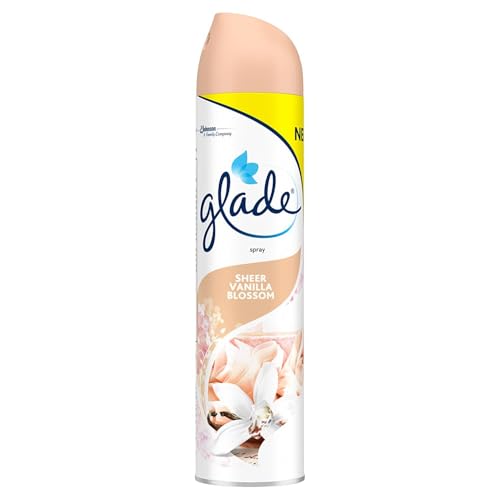
Glade Air Freshener Aerosol Room Spray Vanilla Blossom Pack of 12 (12 x 300ml)
£24.55 *View On Amazon* - Air Freshener Sprays
6x Perfect Scents Air Fresheners, Citrus Neroli Fusion, 250ml
£9.99 *View On Amazon* - Air Freshener Sprays
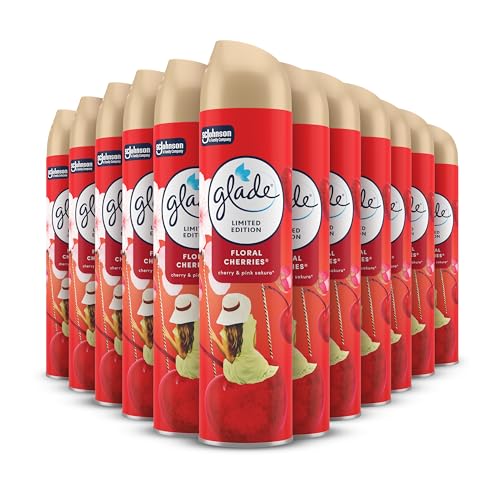
Glade Aerosol Room Spray and Odour Eliminator, Frosted Floral Cherries, Pack of 12 (12 x 300ml)
Original price was: £21.60.£19.56Current price is: £19.56. *View On Amazon* - Air Freshener Sprays
Poo-Pourri Bathroom Air Freshener Spray, Fresh Air, 59 ml
£9.55 *View On Amazon* - Air Freshener Sprays
Febreze Air Mist Air Freshener Spray Odour Eliminator 6 x 185ml Mixed Scents
£16.64 *View On Amazon* - Air Freshener Sprays
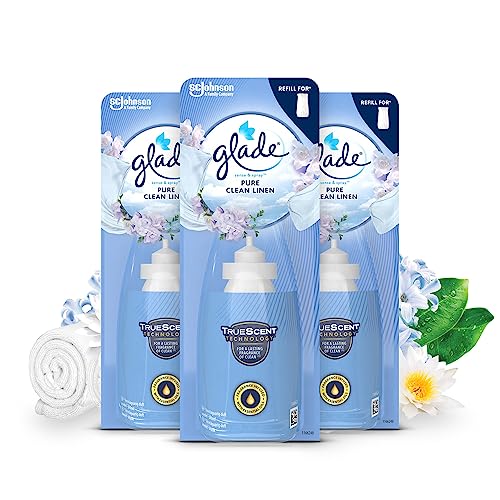
Glade Sense & Spray Air Freshener Refill, Clean Linen, 3 x 18ml
£9.99 *View On Amazon* - Air Freshener Sprays
Febreze Air Mist Air Freshener Spray 2 Pack Variety Bundle 2 x 185ml
£7.99 *View On Amazon* - Air Freshener Sprays
Air Wick Mediterranean Sun Pure Air Freshener 250 ml Pack of 6
Original price was: £18.00.£12.00Current price is: £12.00. *View On Amazon*








How to Choose an Air Freshener Spray
Air freshener sprays release a fragranced or odour-controlling mist into a room. They provide immediate results and allow you to choose when fragrance is added rather than operating continuously like a plug-in or reed diffuser.
The right spray depends on the size and purpose of the room, the source of the smell and how strongly fragranced you want the space to be.
Some products primarily add scent, while others include stated odour-neutralising or absorbing functions. Fragrance alone does not remove spoiled food, damp, mould, dirty bins or other underlying causes of persistent smells.
Always read the product label before use. Check the recommended spray distance, ventilation guidance, surface warnings and suitability around children, pets, food and flames.
Types of Air Freshener Sprays
Aerosol Air Fresheners
Aerosol air fresheners contain fragrance inside a pressurised container.
Pressing the nozzle releases a fine mist that can spread quickly through a room. They are convenient for occasional use but need careful handling because the container remains pressurised.
Keep aerosol cans away from flames, heat, direct sunlight and damaged electrical equipment. Do not puncture, crush or burn the container.
Pump Air Freshener Sprays
Pump sprays use a manually operated trigger or push-top dispenser.
They are not normally stored under the same pressure as an aerosol and can provide controlled application. Some pump bottles are refillable where compatible refills are available.
Check that the nozzle is directed away from faces, food and delicate surfaces before spraying.
Trigger Air Freshener Sprays
Trigger bottles release fragrance through a hand-operated spray mechanism.
They may provide a broader or wetter spray than a fine aerosol mist, depending on the product. This makes surface and fabric compatibility particularly important.
Do not use a trigger spray on curtains, upholstery or bedding unless the product specifically permits this.
Automatic Spray Refills
Automatic air freshener refills fit compatible timed dispensers.
The dispenser releases fragrance at selected intervals and may offer several intensity settings. The refill and machine usually need to come from a compatible product range.
Check the dispenser model before ordering and switch it off before replacing the refill.
Mini Air Freshener Sprays
Compact sprays are designed for smaller rooms, travel bags or occasional use away from home.
Their reduced size makes them easier to store, but they still require the same safety precautions as larger products.
Do not leave aerosol sprays inside hot vehicles, direct sunlight or luggage where the container may be damaged.
Concentrated Room Sprays
Concentrated sprays are designed to provide noticeable fragrance using a smaller amount of product.
Follow the recommended number of sprays. Applying too much can overwhelm a room and may increase the chance of surface deposits or discomfort.
Allow the fragrance to disperse before adding more.
Odour-Neutralising Sprays
Odour-neutralising sprays are intended to reduce or modify certain unwanted smells rather than simply cover them with perfume.
Effectiveness depends on the odour source, room conditions and product formulation. Cleaning and removing the source should remain the first step.
Check whether the product is designed for airborne odours, fabrics or a particular household area.
Fragrance-Free Odour Sprays
Fragrance-free products aim to manage certain smells without leaving a noticeable perfume.
They may suit kitchens, pet homes, shared spaces and people who prefer less added fragrance. Fragrance-free does not necessarily mean free from every potential irritant.
Check the full ingredient and safety information where sensitivities are a concern.
Fabric Refresher Sprays
Fabric sprays are intended for compatible upholstery, curtains, bedding, clothing or soft furnishings where listed.
They can help refresh fabrics between washes but do not replace laundering or professional cleaning. Test the product on a hidden area where instructed.
Avoid using ordinary room sprays on fabric unless the label specifically permits it.
Pet Odour Sprays
Pet odour products may be formulated for compatible carpets, bedding, litter areas or room air.
Confirm the intended application and animal-safety guidance. Do not spray a household air freshener directly onto a pet, food bowl, cage or bedding unless it is clearly designed for that use.
Keep the animal away from wet treated surfaces until the product instructions allow access.
Bathroom Air Freshener Sprays
Bathroom sprays may be designed to manage toilet, drain and damp-related odours.
They can provide quick fragrance, but persistent smells should prompt cleaning and ventilation. A sewage or drain odour can indicate a plumbing problem.
Keep sprays away from water, wet electrical fittings and heated styling equipment.
Kitchen Air Freshener Sprays
Kitchen sprays may help after frying, grilling and preparing strongly scented food.
Ventilation and cleaning remain more important than fragrance. Use cooker extraction and remove food waste before applying a spray.
Do not spray towards open food, flames, hot hobs or cooking equipment.
Smoke Odour Sprays
Some products are intended to reduce smoke-related smells.
They may help with light residual odour, but smoke particles can remain on walls, fabrics, filters and furniture. Thorough ventilation and cleaning may be needed.
A fresh or unexplained burning smell should be investigated immediately rather than covered with fragrance.
Linen and Bedding Sprays
Linen sprays are formulated for compatible bedding and household textiles where stated.
They can add a light scent to sheets, cushions and curtains. Check fabric-care instructions and avoid soaking the material.
Do not spray products onto a baby’s bedding, pillow or sleeping area unless clearly listed as suitable.
Important Buying Considerations
Fragrance Type
Air freshener sprays are available in fragrance families including:
- Citrus
- Floral
- Fresh linen
- Fruity
- Woody
- Herbal
- Marine
- Sweet
- Spiced
- Powdery
- Seasonal
- Fragrance free
Choose a scent that suits the room and the preferences of everyone using it.
Fragrance Strength
Some sprays provide a subtle scent, while others are strongly concentrated.
Room size, airflow and the number of sprays affect how noticeable the fragrance becomes. Start with the lowest recommended amount and allow it to disperse.
Repeated spraying can create a stronger result than expected.
Room Size
A small bathroom or cloakroom requires less product than a large open-plan living space.
Coverage claims may be given by room size, number of sprays or general wording. Follow the product guidance rather than assuming one dose suits every room.
Do not spray excessive amounts to compensate for unresolved odours.
Spray Pattern
Fine mists spread through the air and may settle lightly across a wider area.
Trigger sprays can release larger droplets and require greater care around surfaces. Automatic dispensers normally spray in one fixed direction.
Check the nozzle before use and keep it pointed away from people and valuables.
Scent Duration
Fragrance duration depends on:
- Product formula
- Number of sprays
- Room size
- Ventilation
- Temperature
- Humidity
- Soft furnishings
- Open doors
- Competing household smells
- Frequency of use
Stated durations are usually estimates under particular conditions.
Container Size
Larger cans and bottles may provide more applications but require additional storage space.
Compact products are easier to carry but need replacing more frequently. Compare the stated volume, application guidance and pack quantity.
Do not store more pressurised containers than can be kept safely.
Nozzle Design
A well-designed nozzle should release the product evenly and stop when pressure is removed.
Check that the cap protects the nozzle during storage. A leaking, blocked or damaged spray head should not be forced with sharp objects.
Follow the manufacturer’s advice for clearing minor blockages.
Refill Compatibility
Automatic dispensers and some pump sprays require matching refills.
Check the exact brand, product range, refill dimensions and fitting method. A similar-looking canister may not operate safely.
Do not modify a dispenser to accept an unsuitable refill.
Room or Fabric Use
Room sprays are formulated for release into the air.
Fabric refreshers are designed for specified textile surfaces. Some products support both uses, but this must be stated clearly.
Using the wrong format can cause staining, residue or damage.
Aerosol or Pump Air Freshener
Aerosols release a fine continuous mist from a pressurised can.
Pump sprays use manual pressure and may offer greater control over each application. Their droplets can be larger, depending on the nozzle.
Choose according to your preferred spray pattern, storage arrangements and the surfaces surrounding the application area.
Room Spray or Fabric Refresher
Room sprays add fragrance to the air.
Fabric refreshers are applied to compatible textiles and may provide longer-lasting scent where permitted. They need careful testing and drying.
Do not substitute one for the other unless the product label confirms both uses.
Fragranced or Fragrance-Free Odour Control
Fragranced sprays replace or combine with an unwanted smell.
Fragrance-free products aim to manage odour without leaving a strong scent. They may suit kitchens and fragrance-sensitive households.
Neither option replaces cleaning and ventilation.
Manual or Automatic Spray
Manual sprays give you direct control over when fragrance is released.
Automatic dispensers provide regular applications without daily operation. They can over-fragrance a small room if the setting is too high.
Choose manual use for occasional freshening and automatic operation for carefully controlled ongoing fragrance.
Air Freshener Spray or Reed Diffuser
A spray provides immediate fragrance only when used.
A reed diffuser releases scent continuously without electricity. It contains liquid that can spill and remains active throughout the day.
Sprays suit flexible, occasional use, while diffusers suit continuous background fragrance.
Air Freshener Spray or Plug-In
A spray does not require a socket and can be used in different rooms.
A plug-in provides ongoing fragrance and may include adjustable intensity. It remains attached to an electrical outlet and requires compatible refills.
Consider whether you prefer occasional control or continuous scent.
Air Freshener Spray or Scented Candle
A spray provides fragrance without a burning wick.
A candle combines scent with light and atmosphere but introduces an open flame. Candles require supervision and suitable placement.
A spray may be more practical where naked flames are inappropriate.
Choosing Air Freshener Spray for Living Rooms
Living rooms can suit a wide range of fragrance types.
Consider the room size, soft furnishings and how many people use the space. Spray away from televisions, speakers, polished furniture and upholstered surfaces unless fabric use is permitted.
Allow the room to ventilate where the scent becomes too strong.
Choosing Air Freshener Spray for Bedrooms
Use a light application and avoid spraying directly onto pillows or bedding unless the product is designed for fabric.
Apply the spray before occupying the room so the mist can settle and disperse. Strong fragrances can affect sleep or cause discomfort for some people.
Keep the product away from bedside electrical items and medication.
Choosing Air Freshener Spray for Kitchens
Remove spoiled food, empty bins and clean greasy surfaces before spraying.
Avoid using air freshener while cooking over a flame or immediately beside a hot hob. Do not spray over uncovered meals, utensils or food-preparation boards.
Fragrance-free odour control may be preferable where added scent could affect the eating environment.
Choosing Air Freshener Spray for Bathrooms
Use extraction and ventilation to reduce damp and stale smells.
Clean toilets, bins, drains and wet textiles before applying fragrance. Spray away from wet floors and electrical equipment.
Aerosol cans should not be left on hot radiators or beside heated styling tools.
Choosing Air Freshener Spray for Hallways
Hallways can distribute scent into several adjoining rooms.
Use a moderate amount and avoid spraying towards entrance doors, stairs and people entering the property.
Store the product where it will not be knocked from a shelf or windowsill.
Choosing Air Freshener Spray for Utility Rooms
Utility rooms may contain laundry, bins, footwear and pet equipment.
Remove damp washing and clean the relevant source before using fragrance. Keep sprays away from boilers, tumble-dryer vents and electrical controls.
Investigate burning, gas or overheating smells promptly.
Choosing Air Freshener Spray for Pet Homes
Select a product with clear guidance for use around the relevant animal.
Ventilate the room and allow spray mist to settle before pets return where instructed. Keep products away from cages, aquariums, food bowls and litter trays.
Birds and other animals can be particularly sensitive to airborne chemicals.
Choosing Air Freshener Spray for Shared Homes
Strong fragrance can affect everyone using a shared area.
Agree on scent type and intensity and avoid continuous use where another resident is sensitive. Fragrance-free zones may be helpful in bedrooms and workspaces.
Do not spray around someone without warning.
Finding the Source of an Odour
Before applying air freshener, check for:
- Spoiled food
- Dirty bins
- Food waste
- Damp towels
- Pet accidents
- Litter trays
- Blocked drains
- Mould
- Wet footwear
- Smoke residue
- Upholstery spills
- Poor ventilation
- Electrical overheating
Persistent odours should be investigated rather than repeatedly covered.
Cooking Odours
Open windows where safe and use cooker extraction.
Wash greasy pans, wipe nearby surfaces and remove food waste. Fragrance can be used after the cooking area has cooled.
Do not spray near gas flames, candles or hot oil.
Bin Odours
Empty the bin and remove any leaking bag.
Wash the inner bucket, lid and rim and allow them to dry. Food waste may need more frequent removal during warm weather.
Apply a compatible air freshener only after the waste source has been dealt with.
Pet Odours
Clean bedding, litter areas and accidents promptly.
Use an appropriate pet-safe cleaning product for the affected surface. An air freshener cannot remove contamination held inside carpet or upholstery.
Never spray directly onto the animal.
Bathroom Odours
Wash towels, empty sanitary bins and clean toilet areas.
Check sink, bath and shower drains for trapped residue. Maintain ventilation after bathing.
A persistent sewage smell may require plumbing attention.
Damp and Musty Odours
Musty smells can indicate leaks, condensation, poor airflow or mould.
Dry wet materials and investigate the source. Fragrance may conceal warning signs and delay repairs.
A moisture absorber or dehumidifier may help in appropriate circumstances, but structural damp needs a proper solution.
Smoke Odours
Ventilate the room and clean surfaces and fabrics.
Replace or clean filters where smoke has collected. Do not spray close to smoking materials or hot ash.
An unexplained smoke smell can indicate a fire or electrical fault and requires immediate attention.
Footwear Odours
Allow shoes to dry and ventilate.
Use a product specifically suitable for footwear where spraying inside the shoe. Test delicate materials such as leather and suede.
Do not put on footwear until the product has dried as instructed.
Fabric Odours
Wash removable covers and textiles where practical.
Test fabric refresher sprays on an inconspicuous area. Avoid saturating upholstery because moisture can become trapped inside cushioning.
Professional cleaning may be needed for deep contamination.
Ventilation
Ventilation helps reduce stale air and excessive fragrance concentration.
Open windows or use extraction where safe. Follow the product guidance for room occupancy during and after spraying.
Do not use sprays inside a tightly enclosed cupboard, vehicle or small room without suitable airflow unless the product is designed for it.
How to Use an Air Freshener Spray
Read the label and remove the cap where required.
Hold the container upright and direct the nozzle towards the centre of the room, away from faces and surfaces. Apply the recommended number of short sprays.
Leave the room or ventilate where instructed and replace the cap before storage.
How Much Air Freshener to Use
Use the lowest recommended amount.
More product does not necessarily produce a more pleasant result. Excessive use can lead to discomfort, residue and a mixture of competing fragrances.
Wait for the initial application to disperse before deciding whether more is needed.
Where to Spray Air Freshener
Spray into open room air where the mist can disperse safely.
Avoid spraying directly towards:
- People
- Pets
- Food
- Drinks
- Kitchen utensils
- Furniture
- Curtains
- Floors
- Electrical equipment
- Flames
- Aquariums
- Cages
Follow any specific distance or height instructions.
When to Spray Air Freshener
Use the product after the odour source has been removed.
Avoid spraying while food is being served, a candle is burning or someone is using an inhaler or respiratory treatment nearby.
Allow sufficient time for the fragrance to disperse before guests enter a small room.
Air Freshener Sprays Around Children
Store sprays out of sight and reach of children.
Bright packaging and fragranced products can attract attention. Do not allow children to operate aerosol or trigger sprays.
Automatic dispensers should be mounted where children cannot touch the refill or receive a spray near the face.
Air Freshener Sprays Around Babies
Avoid spraying close to cots, changing areas, bottles, toys and feeding equipment.
Babies may be more sensitive to strong fragrance and airborne mist. Use the lowest appropriate amount and maintain ventilation.
Do not spray directly onto baby bedding unless the product explicitly permits it.
Air Freshener Sprays Around Pets
Move pets away from the spray path.
Do not apply household air fresheners to fur, bedding, cages or toys unless specifically designed for that purpose. Allow surfaces and air to settle as instructed before the animal returns.
Seek veterinary advice following suspected ingestion or a significant reaction.
Air Fresheners Around Birds
Birds can be particularly sensitive to aerosols, smoke and airborne chemicals.
Avoid spraying in the same room without specialist advice. Move birds away from accidental mist and ventilate the area.
Seek veterinary advice if breathing or behavioural symptoms develop.
Air Fresheners Around Fish and Aquariums
Keep sprays away from open aquariums, water bowls, pumps and fish food.
Airborne droplets can settle into water. Covering equipment temporarily may not provide adequate protection unless advised by the product and aquarium guidance.
Use fragrance in a separate ventilated area where possible.
Fragrance Sensitivity
Some people experience headaches, nausea, dizziness or irritation around fragrances.
Reduce the amount, stop use and ventilate the room if symptoms occur. A fragrance-free odour neutraliser may be more suitable.
Seek medical advice where symptoms are serious or persistent.
Asthma and Breathing Conditions
Aerosols and strong scents can trigger breathing symptoms in some people.
Use non-aerosol or fragrance-free options where appropriate and follow medical guidance. Do not spray around someone experiencing breathing difficulty.
Seek urgent medical help for severe symptoms.
Skin Contact
Air freshener liquid can irritate skin.
Wash the affected area according to the product instructions and remove contaminated clothing where needed. Wear suitable gloves when cleaning a significant spill.
Do not use room spray as a personal fragrance.
Eye Contact
Spray mist can cause eye irritation.
Rinse the eye with clean water according to the packaging instructions. Seek medical advice if discomfort continues or the exposure is significant.
Never test a nozzle while it is pointed towards the face.
Swallowing Air Freshener
Air freshener liquids and aerosol contents can be harmful if swallowed.
Do not induce vomiting unless instructed by a medical professional. Follow the emergency information on the container and seek urgent advice.
Keep the packaging available so the product can be identified.
Aerosol Fire Safety
Aerosol containers may contain flammable propellants or ingredients.
Keep them away from:
- Candles
- Gas hobs
- Open fires
- Cigarettes
- Barbecues
- Hot surfaces
- Electrical sparks
- Heaters
- Direct sunlight
- Hot vehicles
Do not spray towards a flame or source of ignition.
Pressurised Container Safety
Do not puncture, pierce, flatten or burn an aerosol can.
Heat can increase pressure inside the container. Do not leave cans on radiators, windowsills in strong sunlight or inside vehicles during warm weather.
Dispose of the container according to local guidance.
Automatic Dispenser Safety
Switch the dispenser off before opening it.
Keep the nozzle pointed away from the face when installing a refill. Position the dispenser above normal eye level only where the manufacturer recommends it and ensure the spray path remains clear.
Do not place it directly over food, beds or seating.
Protecting Household Surfaces
Air freshener droplets can settle onto nearby surfaces.
Certain formulas may mark:
- Polished wood
- Painted furniture
- Laminate
- Stone
- Plastic
- Leather
- Fabric
- Electrical screens
- Flooring
- Metal finishes
Spray into open air and wipe accidental residue promptly using a method suitable for the surface.
Protecting Floors
A concentrated spill can make a floor slippery or damage its finish.
Keep people and pets away from the area. Absorb the product and clean according to the floor-care and spray instructions.
Dry the surface completely before walking on it.
Protecting Fabrics
Do not apply an ordinary room spray directly to fabric.
Where the product is a fabric refresher, check the care label and test a hidden section. Avoid heavily spraying seams, fillings and delicate trims.
Allow treated materials to dry before use.
Cleaning an Air Freshener Spill
Ventilate the area and remove sources of ignition where relevant.
Wear suitable gloves and absorb the spill without spreading it. Follow the manufacturer’s cleaning guidance and avoid mixing cleaning chemicals.
Do not pour concentrated fragrance into an unsuitable drain.
Blocked Spray Nozzles
Check the product instructions before cleaning a nozzle.
Wipe dried residue from the outside and replace the cap correctly. Do not pierce an aerosol valve with a pin, knife or other sharp object.
Stop using a container that leaks or sprays unpredictably.
Leaking Containers
Move a leaking product away from heat and ignition sources where this can be done safely.
Ventilate the area and follow the packaging advice. Avoid skin contact and keep children and pets away.
Do not continue using a damaged can, bottle or refill.
Storing Air Freshener Sprays
Keep sprays:
- In their original packaging
- Upright
- With the cap fitted
- Away from food
- Away from medicines
- Away from children
- Away from pets
- Away from flames
- Away from direct sunlight
- In a cool, dry cupboard
- Away from water and steam
Do not transfer air freshener into an unlabelled bottle.
Storing Aerosol Cans
Store aerosols at the temperature stated on the packaging.
Avoid cupboards beside ovens, boilers, radiators and hot-water pipes. Check the can periodically for rust, dents and leaks.
Do not use a heavily corroded or damaged container.
Storing Automatic Spray Refills
Keep spare refills sealed until needed.
Store them separately from food and personal-care aerosols to reduce confusion. Retain the label and compatibility information.
Do not test the refill outside its intended dispenser unless instructed.
Air Freshener Sprays in Vehicles
Use only products suitable for vehicle interiors.
Ventilate the vehicle and avoid spraying directly onto dashboards, touchscreens, upholstery and steering controls. Never spray while driving.
Do not store a pressurised can inside a hot parked vehicle.
Air Freshener Sprays in Caravans and Motorhomes
Small enclosed spaces can become heavily fragranced quickly.
Use minimal product and ventilate thoroughly. Keep sprays away from gas appliances, heaters and cooking equipment.
Secure containers before travel and avoid leaving them in areas exposed to high temperatures.
Air Freshener Sprays in Holiday Accommodation
Use fragrance lightly and consider other guests’ allergies and preferences.
Do not spray bedding, soft furnishings or owner-provided furniture unless the product and accommodation rules permit it.
Remove the source of any odour and report damp, smoke or maintenance concerns.
Air Freshener Sprays in Shared Workspaces
Check workplace rules before using fragranced products.
Colleagues may have allergies, asthma or fragrance sensitivity. Fragrance-free odour control and improved ventilation may be more appropriate.
Do not spray close to computers, paperwork or food.
Air Freshener Sprays in Rented Homes
Avoid products that can stain paint, flooring and furniture.
Do not install automatic dispensers using permanent fixings without permission. Report damp, sewage, gas and electrical smells rather than masking them.
Retain the product packaging in case accidental damage occurs.
Mixing Air Fresheners
Do not physically combine different spray liquids or refill products.
Several fragrances used together can create an unpleasant or overwhelming result. Introduce one product at a time and ventilate before changing scent.
Use only compatible refills inside automatic dispensers.
Mixing Air Freshener with Cleaning Products
Do not add air freshener to bleach, disinfectant, drain cleaner or other household chemicals.
Chemical mixtures can create harmful reactions, damage surfaces or alter the product’s intended use.
Apply fragrance only after cleaning products have been used and the room has been ventilated where required.
When Not to Use Air Freshener Spray
Do not use fragrance to cover:
- Gas smells
- Burning smells
- Electrical overheating
- Chemical fumes
- Sewage leaks
- Serious damp
- Mould
- Spoiled food
- Smoke from an unknown source
- Fuel odours
- Faulty appliance smells
Investigate the source and take appropriate safety action.
Gas and Fuel Smells
Do not operate aerosol sprays, switches or flames where gas or fuel may be present.
Leave the area and follow emergency guidance. Air freshener can add flammable mist and may hide a warning smell.
Contact the appropriate emergency or maintenance service.
Burning and Electrical Smells
A hot-plastic, burning or electrical smell can indicate overheating or fire.
Switch equipment off safely where possible and disconnect it only if this can be done without danger. Do not spray fragrance nearby.
Seek appropriate assistance immediately.
Damp and Mould
Air freshener may temporarily cover a musty smell but does not remove moisture or fungal growth.
Improve ventilation and identify leaks, condensation or damaged materials. Clean or repair affected areas using suitable guidance.
Persistent mould may require professional assessment.
Environmental Considerations
Use only the amount required.
Reducing unnecessary spraying can make each product last longer and limit waste. Consider refillable pump formats, recyclable packaging and fragrance-free odour control where appropriate.
Environmental claims should be assessed using specific manufacturer information.
Recycling Aerosol Cans
Some local services accept empty aerosol cans with metal recycling.
The can normally needs to be completely empty and undamaged. Do not puncture it to remove remaining contents.
Check current local recycling rules before disposal.
Recycling Pump Bottles
Plastic bottles, caps, pumps and labels may require different disposal methods.
Empty the container according to the product instructions and check which components are accepted locally.
Do not rinse concentrated fragrance into drains unless permitted.
Disposing of Unused Air Freshener
Do not pour significant quantities of unused product into sinks, toilets or outdoor drains.
Follow the packaging and local household-chemical disposal guidance. Keep the container sealed during transport.
Do not leave unwanted sprays beside communal bins where children may find them.
When to Replace an Air Freshener Spray
Stop using a product where:
- The can is heavily dented
- Rust is visible
- The container leaks
- The nozzle is damaged
- The spray pattern is uncontrolled
- The label is unreadable
- The contents cannot be identified
- The refill does not fit correctly
- The fragrance has changed unexpectedly
- The product is beyond any stated use period
Dispose of it through the appropriate local route.
Useful Air Freshener Accessories
Useful related products may include:
- Automatic spray dispensers
- Compatible refills
- Fabric refreshers
- Odour absorbers
- Bin deodorisers
- Activated-carbon bags
- Moisture absorbers
- Reed diffusers
- Fragrance-free neutralisers
- Protective storage trays
- Cleaning cloths
- Pet-specific odour products
Check compatibility and intended use before combining products.
Why Buy Air Freshener Sprays from YPC?
At YPC, we understand active lifestyles and the need for practical products that work in real use. Our Air Freshener Sprays category makes it easier to compare aerosol, pump, automatic, fabric and odour-neutralising options for different household spaces.
Browse the available products and compare fragrance, spray type, container size, intended coverage and safety guidance to find an air freshener suited to your home and scent preferences.
Frequently Asked Questions
What is the difference between an aerosol and pump air freshener?
An aerosol releases a fine mist from a pressurised can, while a pump spray uses manual pressure. Pump products can release larger droplets, depending on the nozzle.
Can air freshener spray be used on curtains and furniture?
Only where the product is specifically labelled for compatible fabrics or surfaces. Ordinary room sprays can stain or damage upholstery, wood and polished finishes.
Are air freshener sprays safe around pets?
Suitability varies by product and animal. Keep pets away from the spray mist and do not apply household air freshener directly to animals, cages, food or bedding.
How can I make air freshener fragrance last longer?
Remove the odour source, use the recommended amount and avoid excessive ventilation immediately after application. Do not overspray, as this can make the room uncomfortable.
Can aerosol air freshener be sprayed near candles?
No. Aerosol sprays should be kept away from flames, sparks, smoking materials and hot surfaces because their contents may be flammable.
 Getting ready for Summer? View our Home and Garden Products

Heading outdoors this winter? Take a look at our Outdoor Clothing.