
Automatic Air Fresheners
Automatic Air Fresheners for Timed Household Fragrance
Automatic air fresheners release measured bursts of fragrance at selected intervals, helping maintain a consistent background scent without repeated manual spraying. They can be useful in living rooms, hallways, bathrooms and other suitable household spaces where occasional fragrance is preferred throughout the day.
Browse automatic spray dispensers, starter kits, motion-activated products and compatible fragrance refills. Compare options by their interval settings, refill compatibility, battery requirements, fragrance family, mounting method and suitability for the intended room.
Explore Automatic Air Fresheners at YPC to find practical fragrance options for different room sizes, household routines and preferred scent levels.
- Automatic Air Fresheners
Airwick Pure Air Freshener Spray, Spring Delight, 250ml Pack of 4
£8.64 *View On Amazon* - Automatic Air Fresheners
2pcs Automatic Air Freshener Dispenser, Wall Mounted or Freestanding
Original price was: £23.99.£22.99Current price is: £22.99. *View On Amazon* - Automatic Air Fresheners
Glade Automatic Spray Holder Starter Set with Refill, Relaxing Zen, Pack of 1 (1 x 269 ml)
Original price was: £11.13.£9.99Current price is: £9.99. *View On Amazon* - Automatic Air Fresheners
Glade Automatic Spray Refill Relaxing Zen Fragrance 4 Refills 269 ml
£15.04 *View On Amazon* - Automatic Air Fresheners
Air Wick Freshmatic Spray Refills, Morning Meadow, Pack of 4 x 250ml
£22.00 *View On Amazon* - Automatic Air Fresheners
12 x 250ml Refill Bundle for Automatic Air Freshener Dispenser, Fresh Linen, Citrus Zing, Sparkling Berry & Jasmine Essence Scents
Original price was: £21.99.£19.99Current price is: £19.99. *View On Amazon* - Automatic Air Fresheners
Perfect Scents Automatic Air Freshener Refill Spray Magnolia Muse 6 Pack 6 x 250ml
£9.89 *View On Amazon* - Automatic Air Fresheners
Wmzjnljy 1PC Automatic Air Freshener Spray Dispenser J32-1
Original price was: £11.99.£8.71Current price is: £8.71. *View On Amazon* - Automatic Air Fresheners
6 Automatic Air Freshener Dispenser Refills Baby Powder Aerosols Cans
£32.99 *View On Amazon* - Automatic Air Fresheners
Glade Automatic Air Freshener Refills Pumpkin Spice Latte Pack of 4
Original price was: £16.00.£14.39Current price is: £14.39. *View On Amazon* - Automatic Air Fresheners
Air Wick Freshmatic Island Mango Air Freshener 250 ml Refill
£4.29 *View On Amazon* - Automatic Air Fresheners
Designer Fragrances Daisee Automatic Room Spray Refill Cans 6 Pack 250ml
Original price was: £13.99.£10.43Current price is: £10.43. *View On Amazon* - Automatic Air Fresheners
Automatic Air Freshener Dispenser, Wall Mounted or Free Standing Programmable Aerosol Spray Dispenser, White
Original price was: £22.99.£21.15Current price is: £21.15. *View On Amazon* - Automatic Air Fresheners
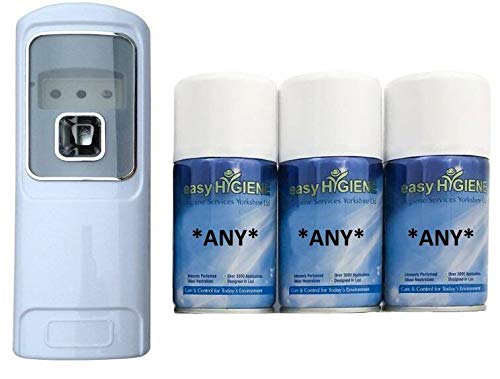
EXEC LED Pro Automatic Air Freshener Dispenser with 3 Refills
£36.99 *View On Amazon* - Automatic Air Fresheners
EXEC LCD Black +6 Automatic Air Freshener Dispenser
£44.99 *View On Amazon* - Automatic Air Fresheners
Glade Automatic Spray Refill Floral Cherries Air Freshener 4 x 269ml
£15.30 *View On Amazon* - Automatic Air Fresheners
Air Wick Aerosol-Free Automatic Air Freshener Spray Refill, Mulled Wine, Pack 4 x 228ml
£19.99 *View On Amazon* - Automatic Air Fresheners
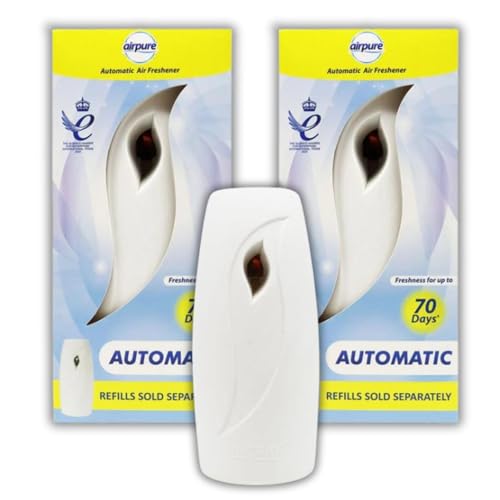
Airpure Automatic Air Freshener Unit Machine Home and Office Scent (2)
£10.50 *View On Amazon* - Automatic Air Fresheners
Glade Automatic Air Freshener Refills Vanilla Blossom Pack of 4
£17.50 *View On Amazon* - Automatic Air Fresheners
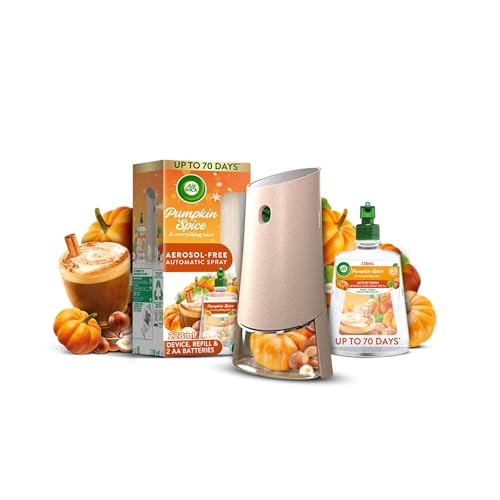
Air Wick Cosy Cottage Frosted Jasmine & Mistletoe Aerosol Free Automatic Spray Kit
£14.63 *View On Amazon* - Automatic Air Fresheners
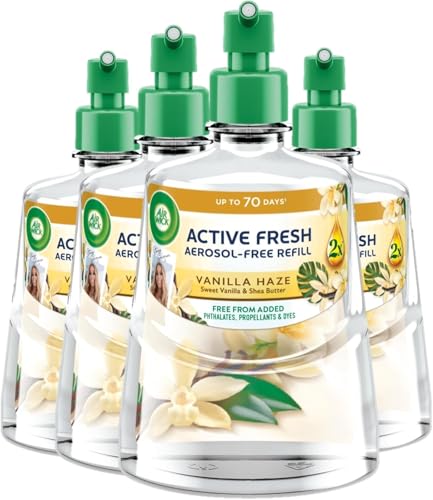
Air Wick Aerosol-Free Automatic Air Freshener Spray Sweet Vanilla & Shea Butter 4 Refills
£19.99 *View On Amazon* - Automatic Air Fresheners
Glade Automatic Air Freshener Refills Warm Apple Pie Duo Pack 2 x 269ml
£7.88 *View On Amazon* - Automatic Air Fresheners
Perfect Scents Air Freshener Refills Box of 4, 250ml
Original price was: £8.24.£7.99Current price is: £7.99. *View On Amazon*










How to Choose an Automatic Air Freshener
Automatic air fresheners use a battery-powered or electronic dispenser to release fragrance at set intervals or in response to movement. They can provide regular room freshening without requiring someone to operate a spray manually each time.
The right product depends on the size and use of the room, the available fragrance settings and whether you prefer timed, motion-activated or manually triggered operation.
Check the exact refill compatibility before ordering. Automatic dispensers are commonly designed around a particular refill size, nozzle position and can shape. Similar-looking aerosol refills may not fit or operate correctly.
Always follow the dispenser and refill instructions. Position the unit where the spray can disperse without reaching faces, food, pets, furniture or electrical equipment.
Types of Automatic Air Fresheners
Timed Automatic Air Fresheners
Timed dispensers release fragrance at recurring intervals.
The available settings may include several frequency options, depending on the product. A longer interval can provide lighter fragrance and extend refill life, while a shorter interval increases the number of sprays.
Start with the least frequent suitable setting and allow time to assess the scent before increasing the output.
Motion-Activated Air Fresheners
Motion-activated dispensers release fragrance when movement is detected.
They may suit entrance areas, bathrooms and rooms used intermittently. The sensor range and delay between activations vary.
Position the unit so normal movement does not trigger unnecessary repeated sprays or direct fragrance towards someone entering the room.
Light-Activated Air Fresheners
Some automatic dispensers use light levels to adjust operation.
They may reduce or stop spraying in darkness, depending on the design. This can help limit fragrance release when a room is unoccupied overnight.
Check how the sensor works and whether the unit requires a particular position to detect light correctly.
Day-and-Night Air Fresheners
Day-and-night dispensers may use timers or sensors to vary their operation according to the time or room conditions.
They can provide greater control than a simple fixed-interval model. Setup instructions and available programmes vary.
Check whether the settings are retained when batteries are replaced.
Automatic Spray Starter Kits
Starter kits usually include a dispenser and at least one compatible fragrance refill.
They can provide a convenient first purchase when you do not already own the correct unit. Check whether batteries are included and which fragrance or refill size is supplied.
Replacement refills may need to be purchased separately from the same product range.
Automatic Air Freshener Refills
Refills are aerosol containers designed to fit compatible automatic dispensers.
The can diameter, height, nozzle position and spray pressure may differ between manufacturers. Use only refills clearly listed as suitable for the dispenser.
Do not cut, alter or force a refill into the unit.
Automatic Dispensers with Manual Boost
Some dispensers include a button that releases an additional spray when required.
This can be useful after cooking, cleaning or other temporary odours. The boost function should be used according to the instructions and while the nozzle is pointed away from faces.
Do not look directly into the dispenser while pressing the button.
Adjustable-Intensity Automatic Air Fresheners
Adjustable dispensers offer different spray frequencies or fragrance levels.
The intensity setting may alter how often the refill is activated rather than how much product is released each time.
A low setting is generally more appropriate when first using the product in a small room.
Wall-Mounted Automatic Air Fresheners
Wall-mounted dispensers can keep the unit above worktops, floors and furniture.
They require compatible fixings and a suitable mounting surface. Check for pipes, electrical cables and delicate wall finishes before drilling.
Mount the unit only at the position and height recommended by the manufacturer.
Freestanding Automatic Air Fresheners
Freestanding models sit on a shelf, cabinet or other level surface.
They can be moved between rooms and do not require permanent installation. A stable base and sufficient clearance are important.
Avoid narrow shelves, furniture edges and surfaces that could be damaged by overspray.
Compact Automatic Air Fresheners
Compact dispensers use smaller refills or housings.
They may suit cloakrooms, bathrooms and smaller rooms where a large unit would be visually intrusive. Their refill life and coverage may differ from full-size models.
Compare the dimensions and expected use before ordering.
Commercial-Style Automatic Dispensers
Larger or more robust dispensers may be intended for workplaces, communal areas and high-use rooms.
They can include more detailed interval settings and secure refill compartments. Check whether the product is suitable for household use and whether compatible refills remain easy to obtain.
Business and public environments may require additional fragrance, accessibility and health-and-safety considerations.
Important Buying Considerations
Refill Compatibility
Compatibility is essential for correct operation.
Check the:
- Dispenser range
- Refill brand
- Can height
- Can diameter
- Nozzle position
- Spray direction
- Refill volume
- Fitting mechanism
- Product reference
- Manufacturer guidance
Do not rely only on the fragrance name or can appearance.
Spray Interval
The interval determines how frequently fragrance is released.
Shorter intervals provide more sprays but can make the room strongly fragranced and use the refill faster. Longer intervals provide lighter coverage and reduce consumption.
Choose the lowest effective frequency for the room.
Room Size
A small bathroom needs less fragrance than a large living room or open-plan space.
Consider ceiling height, ventilation and whether internal doors remain open. Product coverage claims are normally estimates under particular conditions.
Using several dispensers in one small room can create an uncomfortable concentration.
Fragrance Family
Automatic refills may be available in fragrances including:
- Fresh linen
- Citrus
- Floral
- Fruity
- Woody
- Marine
- Herbal
- Sweet
- Spiced
- Powdery
- Seasonal
- Low-fragrance odour control
Choose a scent that suits the room and everyone who regularly uses it.
Fragrance Strength
The perceived strength depends on the refill, interval and room conditions.
A fragrance can become less noticeable to someone who spends a long time in the room, even though visitors may still find it strong. Avoid increasing the setting immediately because you have become accustomed to the scent.
Ask other household members whether the fragrance level remains comfortable.
Battery Type
Check which batteries the dispenser requires and how many are needed.
Some starter kits include batteries, while others do not. Use the battery type and orientation shown in the instructions.
Do not mix old and new batteries or different battery chemistries unless the device manufacturer permits it.
Battery Life
Battery life depends on the spray interval, sensor activity and product design.
Frequent spraying and repeated manual boosts can reduce the time between battery changes. Replace batteries when the mechanism slows or the dispenser indicates low power.
Remove batteries before long-term storage where instructed.
Mounting Method
Automatic dispensers may be:
- Freestanding
- Wall mounted
- Adhesive mounted
- Screw mounted
- Shelf positioned
- Bracket mounted
Choose a method suited to the wall, room and expected use.
Spray Direction
The nozzle must point into open room air.
Check the dispenser’s spray path before activation. Automatic units can release without warning, so they should not be aimed at doors, seating, beds or walkways.
Allow enough open space in front of the nozzle.
Refill Duration
The expected duration depends on:
- Interval setting
- Manual boosts
- Sensor activations
- Refill size
- Room temperature
- Battery condition
- Dispenser operation
- Product formulation
A refill used at the most frequent setting will generally need replacing sooner.
Fragrance Sensitivity
Automatic air fresheners release scent repeatedly throughout the day.
This may be unsuitable for people who experience headaches, nausea, respiratory irritation or other fragrance-related discomfort.
Use a lower setting, increase the interval or choose fragrance-free odour control where appropriate.
Timed or Motion-Activated Air Freshener
A timed dispenser releases fragrance at regular intervals whether or not someone is in the room.
A motion-activated model sprays when movement is detected, which can concentrate use around room occupancy. It may trigger frequently in busy areas.
Choose timed operation for predictable coverage and motion activation for intermittently used rooms.
Automatic Air Freshener or Manual Spray
An automatic dispenser provides recurring fragrance without repeated handling.
A manual spray gives full control over when each application occurs. It does not require batteries or a permanent position.
Choose automatic fragrance for ongoing background scent and manual spray for occasional use.
Automatic Air Freshener or Plug In
Automatic dispensers use batteries and aerosol refills.
Plug in air fresheners use a wall socket and continuously warm or disperse fragrance. Automatic sprays can be placed away from sockets but release airborne droplets.
Consider room layout, electrical access and preferred fragrance delivery.
Automatic Air Freshener or Reed Diffuser
A reed diffuser releases fragrance continuously through exposed reeds.
An automatic dispenser releases measured aerosol bursts. Diffusers contain liquid that can spill, while automatic units require batteries and pressurised refills.
Choose according to your preferred maintenance and placement.
Automatic Air Freshener or Scented Candle
Automatic sprays do not use a naked flame.
Scented candles provide fragrance and ambient light but need constant supervision while burning. They may not be appropriate around children, pets or combustible materials.
Automatic products still need safe storage away from flames and heat.
Wall-Mounted or Freestanding Dispenser
A wall-mounted unit keeps the dispenser off shelves and worktops.
A freestanding model is easier to move and requires no drilling. It can be knocked over or positioned too close to furniture.
Choose according to room layout and whether permanent installation is acceptable.
Choosing Automatic Air Fresheners for Living Rooms
Living rooms may be large enough for a timed dispenser on a low or medium setting.
Position the unit away from sofas, televisions, curtains and dining areas. Fragrance should disperse into open air rather than repeatedly landing on one surface.
Consider visitors who may be sensitive to fragrance.
Choosing Automatic Air Fresheners for Bedrooms
Bedrooms generally require a lighter fragrance level.
Do not position the dispenser beside the bed, above pillows or where it sprays towards someone sleeping. A long interval or daytime-only operation may be more appropriate.
Stop using the product if it affects sleep or causes discomfort.
Choosing Automatic Air Fresheners for Bathrooms
Bathrooms can suit automatic dispensers where moisture and electrical risks are properly managed.
Keep the unit away from sinks, baths, showers and areas exposed to steam or splashes. Use ventilation and regular cleaning to address damp, toilet and drain odours.
Do not rely on fragrance to cover a persistent sewage smell.
Choosing Automatic Air Fresheners for Kitchens
Use automatic fragrance carefully around food.
Position the unit away from worktops, hobs, dining tables and uncovered ingredients. Clean grease, food waste and bins before adding scent.
A manual product or fragrance-free odour absorber may offer greater control in food-preparation areas.
Choosing Automatic Air Fresheners for Hallways
Hallways can distribute fragrance into adjoining rooms.
Position the dispenser away from entrance doors and eye level. A unit near a busy doorway may spray towards people or be triggered too frequently.
Keep it clear of coats, bags and furniture.
Choosing Automatic Air Fresheners for Utility Rooms
Utility rooms can contain laundry, footwear, bins and pet items.
Remove damp washing and clean the source of smells before installing fragrance. Keep the dispenser away from boilers, tumble-dryer vents and appliance controls.
Investigate burning, gas and electrical smells immediately.
Choosing Automatic Air Fresheners for Home Offices
Continuous fragrance may become distracting during long periods of work.
Use a longer interval and position the dispenser away from computer screens, documents and seating. Do not allow spray residue to settle on electronics.
A manual spray may offer better control for occasional freshening.
Choosing Automatic Air Fresheners for Shared Homes
Agree on fragrance use with other residents.
Automatic products affect everyone using the room and can release spray without warning. Use the least frequent setting and avoid shared bedrooms where preferences differ.
Fragrance-free areas may be helpful.
Choosing Automatic Air Fresheners for Pet Homes
Check the refill and dispenser guidance for use around the relevant animal.
Keep the unit away from pet beds, bowls, cages, litter trays and aquariums. Do not position it where spray can settle onto fur, feathers, food or water.
Maintain ventilation and seek veterinary advice where suitability is uncertain.
Choosing Automatic Air Fresheners for Homes with Children
Install the dispenser beyond children’s reach.
The refill is pressurised and the mechanism can activate unexpectedly. Children should not replace batteries, press the manual spray button or handle refills.
Store spare cans in a secure cupboard.
Finding the Source of an Odour
Before increasing fragrance, check for:
- Spoiled food
- Dirty bins
- Food waste
- Damp laundry
- Pet accidents
- Blocked drains
- Mould
- Wet footwear
- Smoke residue
- Fridge spills
- Upholstery stains
- Poor ventilation
- Electrical overheating
- Gas or fuel smells
Automatic fragrance cannot correct the underlying problem.
Cooking Odours
Use cooker extraction and ventilate the room.
Wash pans, wipe greasy surfaces and remove food waste. If fragrance is used, wait until flames and hot surfaces are no longer present.
Do not position an automatic aerosol dispenser near a hob.
Bin Odours
Empty the bin and check the liner for leaks.
Clean the lid, rim and inner bucket and allow them to dry. A targeted bin deodoriser may be more suitable than repeatedly spraying the whole room.
Increase collection or emptying frequency where food waste is responsible.
Pet Odours
Wash bedding and clean litter trays, cages and accidents promptly.
Use products suitable for the animal and surface. Fragrance should only be considered after contamination has been removed.
Never use an automatic dispenser to spray directly into a pet area.
Bathroom Odours
Clean toilets, bins and drains and wash damp towels.
Use extraction after bathing or showering. Persistent odours may indicate plumbing, ventilation or damp problems.
Set the dispenser so it does not spray someone entering the room.
Damp and Musty Odours
Musty smells can indicate leaks, condensation or mould.
Identify the moisture source and improve ventilation. An automatic air freshener may hide the warning smell without resolving the cause.
Persistent damp may require professional assessment.
Smoke Odours
Ventilate and clean affected surfaces and fabrics.
Automatic fragrance can combine unpleasantly with smoke and will not remove deposits. Do not position aerosol products close to smoking materials or ash.
An unexplained burning smell requires immediate investigation.
Drain Odours
Clean strainers and remove accessible debris.
Check whether a water trap has dried out or plumbing maintenance is required. Do not install a dispenser simply to cover sewage smells.
Persistent drain odours should be investigated.
How to Set Up an Automatic Air Freshener
Read the instructions before opening the dispenser.
A typical process may involve:
- Switching the unit off.
- Opening the refill compartment.
- Checking the actuator position.
- Removing the cap from a compatible refill.
- Inserting the can with the nozzle facing correctly.
- Fitting the required batteries.
- Closing the dispenser securely.
- Pointing it away from the face.
- Selecting the longest interval.
- Waiting for the first automatic spray.
Exact installation methods vary.
Installing the Refill Safely
Switch the dispenser off before opening it.
Keep the nozzle pointed away from your face and body. Insert the can without pressing the spray valve manually.
Make sure the refill sits securely beneath the operating mechanism.
Fitting Batteries
Use the battery type and orientation shown inside the compartment or instructions.
Check the contacts for corrosion or damage. Do not force batteries into place.
Close the compartment before switching the unit on.
Selecting the Spray Interval
Start with the least frequent setting.
Allow the product to operate long enough to judge the fragrance level. Moving immediately to a faster setting can make the room overpowering and reduce refill life.
Record the chosen setting where several household members may adjust it.
Testing the Dispenser
Point the unit into open air and away from the face.
Some dispensers release an initial spray shortly after being switched on. Others use a warning light or delay.
Do not look into the nozzle to check whether it is working.
Using the Manual Boost Button
Press the button only where the spray direction is clear.
Keep the dispenser at arm’s length and away from eyes. Do not press the boost repeatedly to deal with an unresolved odour.
Allow each spray to disperse.
Mounting the Dispenser
Follow the recommended height and orientation.
Use suitable screws, plugs or adhesive fittings for the surface. Check for concealed pipes and electrical cables before drilling.
The unit should remain accessible for safe refill and battery replacement.
Positioning the Dispenser
Choose an open location with suitable airflow.
Avoid positioning it:
- At face level
- Directly above seating
- Above food
- Beside a bed
- Near a pet cage
- Behind curtains
- Over polished furniture
- Near flames
- Close to heaters
- Beside electrical equipment
- In direct sunlight
- Where doors can strike it
Check the spray path before activation.
Keeping the Dispenser Upright
The unit and refill should normally remain upright.
Tilting can affect the actuator and spray direction. A freestanding dispenser should sit on a level surface.
Do not wedge the unit at an angle to alter its coverage.
Replacing an Empty Refill
Switch the dispenser off.
Wait for the mechanism to stop, then open the unit with the nozzle facing away. Remove the empty can and fit a compatible replacement.
Check that the new refill is fully seated before closing and restarting the unit.
Changing Fragrance
Remove the old refill according to the instructions.
Do not mix the contents of different aerosol cans. Allow the room to ventilate before introducing a contrasting fragrance.
Store a partly used refill only where the manufacturer permits it.
Replacing Batteries
Switch off the unit before opening the battery compartment.
Replace all batteries together where instructed. Dispose of used batteries through an appropriate collection route.
Check the dispenser clock, interval or sensor settings after replacement.
Automatic Air Fresheners Around Children
Keep both the dispenser and refills out of reach.
Children can be startled by the automatic spray or receive product in the face. Do not position the unit above a play area, changing table or child’s bed.
Store loose batteries securely because they can present serious hazards.
Automatic Air Fresheners Around Babies
Avoid continuous spraying close to cots, feeding areas and baby equipment.
Use the lowest practical fragrance level and maintain ventilation. Babies may be more sensitive to airborne products.
Do not allow spray to settle on toys, bottles or bedding.
Automatic Air Fresheners Around Pets
Position the unit where animals cannot reach, chew or knock it down.
Keep the spray path away from sleeping areas, food, water and litter. Pets can remain close to floor-level fragrance for long periods.
Remove the product and seek veterinary advice if a pet shows symptoms after exposure.
Automatic Air Fresheners Around Birds
Birds can be particularly sensitive to aerosols and airborne chemicals.
Avoid using automatic sprays in the same room without specialist veterinary guidance. Because the unit sprays without warning, accidental exposure can be difficult to prevent.
Move the bird to clean air and seek advice if symptoms develop.
Automatic Air Fresheners Near Aquariums
Keep the dispenser away from aquariums, pumps and open water.
Airborne droplets can settle on the water surface or equipment. Do not position the unit on a shelf above a tank.
Use fragrance in another room where practical.
Fragrance Sensitivity
Automatic spraying can create repeated exposure throughout the day.
Stop the dispenser and ventilate the room if anyone experiences headaches, nausea, dizziness, skin irritation or breathing discomfort.
Consider manual or fragrance-free alternatives.
Asthma and Respiratory Conditions
Aerosols and strong fragrance can trigger symptoms in some people.
Check medical guidance and avoid placing an automatic dispenser in a room used by someone who is sensitive. Do not spray near inhalers or breathing equipment.
Seek urgent medical help for serious breathing difficulty.
Skin Contact
Air freshener residue can irritate skin.
Wash the affected area according to the refill instructions. Wear suitable gloves when cleaning a significant leak.
Do not apply the product to skin as a personal fragrance.
Eye Contact
Automatic spray can cause eye irritation.
Rinse the eye with clean water according to the packaging guidance and seek medical advice where discomfort persists.
Do not stand directly in front of the dispenser while testing it.
Swallowing Air Freshener
Aerosol contents can be harmful if swallowed.
Do not induce vomiting unless instructed by a medical professional. Follow the emergency guidance on the can and seek urgent advice.
Keep the refill packaging available.
Aerosol Fire Safety
Automatic refills are pressurised and may contain flammable ingredients.
Keep the dispenser and refills away from:
- Candles
- Gas hobs
- Open fires
- Cigarettes
- Barbecues
- Heaters
- Hot surfaces
- Electrical sparks
- Direct sunlight
- Hot vehicles
Do not spray towards a flame or source of ignition.
Pressurised Container Safety
Do not pierce, crush or burn an automatic refill.
Store spare cans at the temperature stated on the packaging. Check for rust, dents and leaks.
Do not use a damaged aerosol inside the dispenser.
Heat and Sunlight
Direct sunlight and heat can raise the temperature of the refill and dispenser.
Avoid radiators, boilers, sunny windowsills and cupboards beside ovens. Do not leave the unit inside a hot conservatory or vehicle unless listed as suitable.
Move the product if the housing becomes unusually warm.
Electrical and Battery Safety
Automatic dispensers are generally battery operated, but battery leakage and damaged contacts can still create risks.
Do not use the unit if:
- The battery compartment is corroded
- Batteries become unusually hot
- The mechanism runs continuously
- Wiring is exposed
- The housing is cracked
- Liquid has entered the electronics
- The device smells burnt
- The spray actuator is jammed
Remove batteries safely and replace the unit where necessary.
Battery Leakage
Avoid direct contact with leaking battery material.
Follow battery-manufacturer guidance and use suitable protective equipment. Keep children and pets away from the area.
Do not place leaking batteries into ordinary household recycling.
Mounting Safety
A wall-mounted dispenser should remain secure when opened for refilling.
Use fixings suited to the wall and dispenser weight. Check the mounting periodically for looseness.
Do not place the unit where it could fall onto a person, glass surface or food.
Protecting Furniture and Surfaces
Repeated aerosol droplets can settle on surfaces beneath or in front of the dispenser.
Residue may affect:
- Polished wood
- Paint
- Plastic
- Leather
- Fabric
- Laminate
- Stone
- Metal
- Screens
- Flooring
Leave sufficient clearance and inspect nearby surfaces regularly.
Protecting Floors
Do not place a low dispenser where the spray repeatedly lands on the floor.
Residue can create a slippery area or mark delicate finishes. Clean accidental deposits promptly using a surface-compatible method.
Keep people and pets away until the area is dry.
Protecting Fabrics
Automatic air fresheners are designed to spray into the air, not directly onto textiles.
Keep them away from curtains, bedding, clothing and upholstery. Repeated overspray can stain or alter fabrics.
Use a dedicated fabric refresher where appropriate.
Cleaning the Dispenser
Switch the unit off and remove the refill and batteries where instructed.
Wipe the housing using the recommended method. Clean around the spray opening and actuator without forcing the mechanism.
Do not immerse the dispenser in water.
Cleaning Spray Residue
Wear suitable gloves where concentrated residue is present.
Use a soft cloth and a cleaner compatible with the housing. Keep liquid away from the battery compartment and internal mechanism.
Allow the unit to dry completely before reassembly.
Cleaning a Spill
Ventilate the area and remove ignition sources where safe.
Keep children and pets away. Absorb liquid without spreading it and follow the refill instructions.
Do not mix cleaning chemicals or pour concentrated fragrance into an unsuitable drain.
Blocked Spray Mechanisms
Switch the dispenser off before inspecting it.
Check that the refill is correctly installed and the nozzle is unobstructed. Do not insert pins, knives or tools into a pressurised can.
Replace a damaged refill or dispenser rather than forcing the mechanism.
Repeated Unwanted Sprays
Check the sensor, interval and manual-boost button.
A motion detector may be facing a doorway, curtain or moving pet. Reposition the unit or choose a longer interval.
Stop using a dispenser that activates unpredictably despite correct setup.
Dispenser Not Spraying
Check:
- Battery orientation
- Battery condition
- Refill level
- Refill compatibility
- Nozzle position
- Interval setting
- Sensor obstruction
- Actuator alignment
- Housing closure
- Product instructions
Do not hold the dispenser close to the face while testing it.
Weak or Uneven Spray
The refill may be nearly empty, cold, damaged or incorrectly fitted.
Check for residue around the nozzle and confirm that the can is upright. Replace the refill if the spray remains unreliable.
Do not shake or heat the can unless the instructions specifically permit it.
Storing Automatic Air Freshener Refills
Keep refills:
- In original packaging
- Upright
- Away from heat
- Away from flames
- Out of direct sunlight
- Away from food
- Away from medicines
- Out of reach of children
- Away from pets
- In a cool, dry cupboard
Do not store them beside loose batteries.
Storing the Dispenser
Remove the refill and batteries before long-term storage where instructed.
Clean the housing and protect the actuator from damage. Keep the instructions with the unit so compatible refills can be identified later.
Do not store it in a damp garage or shed unless listed as suitable.
Automatic Air Fresheners in Vehicles
Use only products specifically intended for vehicle use.
Household automatic dispensers may not be suitable because vehicles experience high temperatures and confined airflow. Never leave pressurised refills inside a hot parked car.
Do not operate or adjust fragrance while driving.
Automatic Air Fresheners in Caravans and Motorhomes
Small spaces can become strongly fragranced quickly.
Use the longest interval and maintain ventilation. Keep the dispenser away from gas appliances, heaters and cooking areas.
Remove batteries and secure aerosol refills before travel where instructed.
Automatic Air Fresheners in Rented Homes
Avoid drilling or adhesive mounting without checking tenancy requirements.
Protect walls and furniture from overspray. Report damp, sewage, gas and electrical smells rather than covering them.
Remove the dispenser carefully when moving out.
Automatic Air Fresheners in Shared Workplaces
Check workplace policies before installation.
Automatic fragrance may affect colleagues with asthma, allergies or scent sensitivity. The dispenser should not spray near desks, food or shared equipment.
Fragrance-free odour control and improved ventilation may be more appropriate.
Combining Automatic Air Fresheners with Other Fragrance
Consider the combined effect of:
- Plug ins
- Reed diffusers
- Candles
- Wax melts
- Room sprays
- Scented cleaners
- Laundry fragrance
- Fabric refreshers
- Bin deodorisers
Several products can create an overpowering mixture. Reduce the total fragrance level where necessary.
Mixing Refills and Dispensers
Do not combine refills from different systems unless compatibility is clearly stated.
An incorrect can can jam the mechanism, spray in the wrong direction or fail to fit securely.
Do not transfer fragrance between aerosol containers.
Mixing Air Freshener with Cleaning Products
Do not spray fragrance directly into bleach, disinfectant, drain cleaner or other household chemicals.
Use cleaning products first and ventilate the room as instructed. Apply fragrance only after the area is safe and dry.
Never spray near active chemical fumes.
When Not to Use an Automatic Air Freshener
Do not use fragrance to conceal:
- Gas smells
- Burning smells
- Electrical overheating
- Fuel odours
- Chemical fumes
- Sewage leaks
- Serious damp
- Mould
- Spoiled food
- Smoke from an unknown source
- Faulty appliance smells
Investigate the source and take suitable safety action.
Gas and Fuel Smells
Do not operate aerosol products, switches or electrical equipment where gas or fuel may be present.
Leave the area and follow emergency guidance. Fragrance can conceal warning smells and introduce additional airborne product.
Contact the appropriate emergency or maintenance service.
Burning and Electrical Smells
A burning or hot-plastic smell can indicate overheating equipment or fire.
Switch off power safely where possible and move away from danger. Do not trigger the air freshener.
Seek appropriate assistance immediately.
Environmental Considerations
Use the longest effective interval and avoid unnecessary manual boosts.
Correct positioning and cleaning can help prevent wasted sprays. Consider refill quantity, packaging and battery use when comparing products.
Environmental claims should be assessed using specific manufacturer information.
Recycling Aerosol Refills
Some local recycling services accept completely empty aerosol cans.
Do not puncture the can or remove the valve. Check whether the cap and can need separating.
Follow current local guidance for pressurised containers.
Recycling Batteries
Used batteries should be taken to a suitable retailer collection point or local recycling facility where available.
Do not place loose batteries into household recycling. Store used batteries safely before disposal.
Protect terminals where local guidance requires it.
Recycling the Dispenser
Battery-powered dispensers may require electrical-waste recycling rather than ordinary household rubbish.
Remove batteries and use retailer take-back or council recycling services where appropriate.
Check local guidance for plastic housings containing electronic components.
Disposing of Unused Refills
Do not spray out large amounts simply to empty the can.
Keep the refill sealed and follow local household-chemical or aerosol disposal guidance. Transport damaged or unwanted cans carefully.
Do not leave refills beside communal bins.
When to Replace an Automatic Dispenser
Replace the unit when it becomes:
- Cracked
- Loose on its mounting
- Corroded inside
- Unable to hold a refill securely
- Unpredictable in operation
- Difficult to close
- Permanently contaminated
- Damaged around the actuator
- Affected by battery leakage
- Unable to recognise settings
- Associated with unusual heat or burning smells
Do not attempt an improvised mechanical or electrical repair.
When to Replace a Refill
Replace or dispose of the refill when:
- It is empty
- The can is dented
- Rust is visible
- The nozzle is damaged
- The spray is unreliable
- The product leaks
- The fragrance has changed unexpectedly
- The label is unreadable
- The refill is incompatible
- It is beyond any stated use period
Follow the disposal guidance on the packaging.
Useful Automatic Air Freshener Accessories
Useful related products may include:
- Compatible aerosol refills
- Replacement batteries
- Starter dispenser kits
- Manual room sprays
- Fragrance-free odour absorbers
- Bin deodorisers
- Fabric refreshers
- Activated-carbon bags
- Moisture absorbers
- Protective shelf liners
- Cleaning cloths
- Suitable mounting fixings
Check compatibility before ordering refills, batteries and mounting accessories.
Why Buy Automatic Air Fresheners from YPC?
At YPC, we understand active lifestyles and the need for practical products that work in real use. Our Automatic Air Fresheners category makes it easier to compare timed, motion-activated, wall-mounted and adjustable dispensers with compatible fragrance refills.
Browse the available products and compare spray intervals, refill compatibility, fragrance, battery requirements and mounting method to find an automatic air freshener suited to your home.
Frequently Asked Questions
Can any aerosol refill be used in an automatic air freshener?
No. Refill size, nozzle position and spray pressure can vary. Use only a refill clearly listed as compatible with the dispenser.
How often should an automatic air freshener spray?
Choose the longest interval that provides a comfortable fragrance level. Shorter intervals use the refill faster and may make a small room overpowering.
Where should an automatic air freshener be positioned?
Place it upright with the nozzle pointing into open air, away from faces, food, pets, furniture, flames and electrical equipment.
Why is my automatic air freshener not spraying?
Check the batteries, refill level, nozzle alignment, interval setting and compatibility. Switch the unit off before opening or inspecting it.
Are automatic air fresheners safe around pets?
Suitability varies by product and animal. Keep the dispenser away from beds, cages, food, water and aquariums and maintain suitable ventilation.
 Getting ready for Summer? View our Home and Garden Products

Heading outdoors this winter? Take a look at our Outdoor Clothing.