
Room and Fabric Sprays
Room and Fabric Sprays for Freshening Everyday Spaces
Room and Fabric Sprays offer a convenient way to add fragrance to living spaces, soft furnishings and suitable fabrics around the home. They can help refresh rooms between cleaning sessions and make items such as curtains, cushions, rugs, bedding and upholstered furniture smell more pleasant, provided the product is suitable for the material.
The category may include room fragrance sprays, fabric fresheners, combined room and linen sprays, fine-mist bottles and products designed to help manage certain everyday odours. When comparing options, consider the fragrance, bottle size, spray mechanism, intended surfaces and whether the formula is designed to fragrance, neutralise odours or perform both functions.
Always check the product instructions before spraying fabrics, particularly delicate, coloured or water-sensitive materials. Explore Room and Fabric Sprays at YPC to compare fragrances, formats and products for different rooms, fabrics and household needs.
-
Room and Fabric Sprays
Neroli Portofino Room & Fabric Spray Pure Scented, 100ml
£8.99 *View On Amazon* -
Room and Fabric Sprays
Scotchgard Fabric Water Shield, 2 x 400 ml
Original price was: £18.99.£16.22Current price is: £16.22. *View On Amazon* -
Room and Fabric Sprays
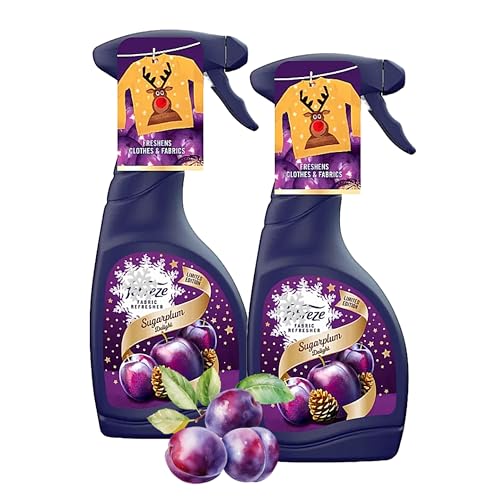
Sugarplum Delight Fabric Freshener Room Spray Bundle, Pack of 2 x 500ml
£9.99 *View On Amazon* -
Room and Fabric Sprays
Lakeland Fabric Moth Killer & Freshener Spray 275ml
Original price was: £9.99.£9.49Current price is: £9.49. *View On Amazon* -
Room and Fabric Sprays
Bramley Room Spray 100ml, Room Freshener and Odour Eliminator
£18.00 *View On Amazon* -
Room and Fabric Sprays
VAHARA Luxury Linen & Room Spray, Norin Wind
Original price was: £8.99.£8.54Current price is: £8.54. *View On Amazon* -
Room and Fabric Sprays
Natural Linen Spray Non-Aerosol Bed & Fabric Freshener
£9.99 *View On Amazon* -
Room and Fabric Sprays
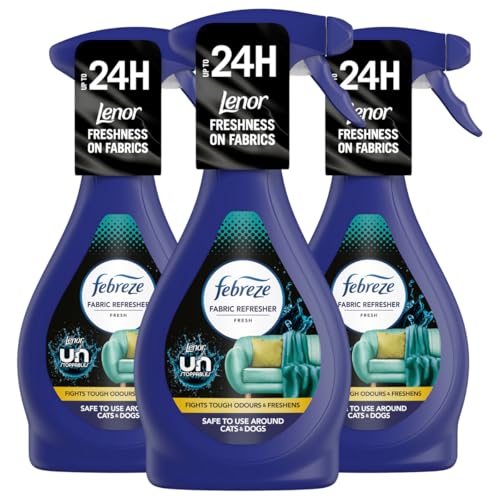
Febreze Fabric Freshener Spray Bundle, 3 x 500ml Unstoppables Fresh with Card
£18.81 *View On Amazon* -
Room and Fabric Sprays
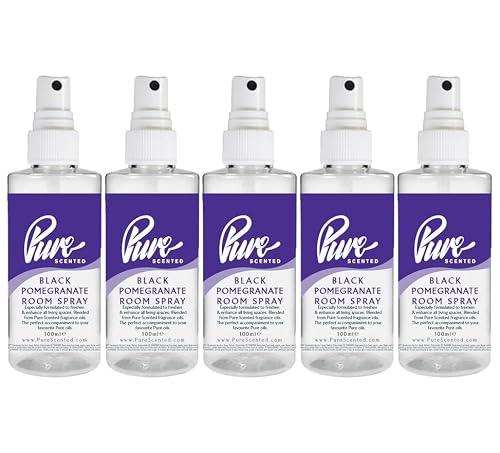
Pure Scented Room & Fabric Sprays 5 x 100ml, Black Pomegranate
£19.99 *View On Amazon* -
Room and Fabric Sprays
Gorgeous Gardenia Room & Fabric Spray Pure Scented Designer 100ml
£8.99 *View On Amazon*









How to Choose Room and Fabric Sprays
Room and Fabric Sprays provide a quick way to refresh the scent of a room, soft furnishing or suitable textile without completing a full cleaning routine. They can be useful after cooking, before guests arrive, when refreshing bedding, or when a room has become stale after being closed for a while.
Although room sprays and fabric sprays are often grouped together, they are not always interchangeable. A product intended only for the air may contain ingredients that are unsuitable for direct contact with fabrics, while a fabric spray may be formulated specifically to settle onto textiles. Some products are designed for both purposes, but this should be clearly stated in the product information.
It is also important to understand what a spray can and cannot do. Fragrance can make a room smell more pleasant, and some products may help neutralise certain everyday odours. However, sprays do not remove dirt, mould, damp, pet accidents, smoke residue or the source of persistent smells. Good ventilation, regular cleaning and investigating unexplained odours remain essential.
Main Types of Room and Fabric Sprays
The most suitable product depends on where it will be used, what needs refreshing and whether the aim is simply to add fragrance or to manage a specific type of odour.
Room Fragrance Sprays
Room fragrance sprays are designed primarily for use in the air. They provide an immediate burst of scent and can be used in living rooms, bedrooms, hallways and other suitable indoor spaces.
These products are useful when a quick fragrance change is wanted, but the scent may fade more quickly than fragrance from a reed diffuser, plug-in product or automatic air freshener. The duration varies according to the formulation, the amount used, the room size, ventilation and surrounding temperature.
Before using a room spray near furnishings, flooring or painted surfaces, check whether the mist may settle and leave marks. Avoid spraying directly onto people, animals, food, electrical equipment or polished surfaces unless the instructions specifically confirm that this is suitable.
Fabric Freshening Sprays
Fabric freshening sprays are designed to be applied directly to suitable textiles. Depending on the product, they may be used on curtains, cushions, rugs, bedding, fabric-covered furniture and other washable or non-washable materials.
Some fabric sprays mainly add fragrance, while others are marketed to help neutralise particular odours. The wording on the label matters. A product described as an odour neutraliser may work differently from one that simply masks smells with a stronger fragrance.
Fabric sprays should not be treated as a substitute for laundering, stain removal or professional upholstery cleaning. They can refresh an item between deeper cleans, but heavily soiled fabrics still need appropriate cleaning.
Combined Room and Fabric Sprays
Combined sprays are formulated for use both in the air and on suitable fabrics. They can be convenient for households that want one product for several areas, but the directions should still be followed carefully.
A dual-use product may have separate instructions for spraying into the air and applying to textiles. The recommended distance, amount and drying time can differ, so check the label rather than assuming the same method applies to every use.
Linen and Bedding Sprays
Linen sprays are usually designed to leave a light scent on bedding, sheets and other suitable household linens. Some people use them when making the bed or refreshing guest rooms.
Check whether the product is suitable for direct use on bedding, particularly if the fabric will come into prolonged contact with skin. Allow sprayed material to dry completely before use and avoid applying excessive amounts.
For babies, young children or anyone with fragrance sensitivities, an unscented laundry routine and good ventilation may be more appropriate than adding fragrance to bedding.
Odour-Neutralising Sprays
Odour-neutralising sprays are intended to reduce or alter certain smells rather than simply covering them. Their effectiveness depends on the type of odour, the formulation and whether the source has been cleaned.
These products may be useful for everyday cooking smells, stale fabrics or general household odours. They should not be relied upon for sewage smells, gas, burning, electrical overheating, damp, mould or unexplained chemical odours. These require investigation and, where necessary, professional advice.
Fine-Mist Sprays
Fine-mist bottles distribute small droplets over a wider area. They can help provide more even coverage and may reduce the chance of saturating one spot when used correctly.
A fine spray does not guarantee that a product is suitable for every material. Test a hidden area first where the manufacturer recommends this, and avoid repeated spraying that leaves fabric noticeably wet.
Trigger Sprays
Trigger bottles usually deliver a larger amount of liquid per spray than a fine-mist pump. They may suit products intended to cover larger fabric surfaces, but the spray pattern and output vary.
When using a trigger spray, hold the bottle at the recommended distance and move it across the surface to avoid concentrated patches. Wipe up any overspray from hard flooring to reduce slip risks.
Aerosol Room and Fabric Sprays
Some products use a pressurised aerosol container. Aerosols can disperse fragrance quickly, but they require additional storage and fire-safety precautions.
Keep aerosol cans away from heat, flames, sparks and direct sunlight. Do not puncture or burn the container, even when empty, and follow local disposal requirements. Never use an aerosol near a lit candle, hob, fireplace or other ignition source.
Fragrance or Odour Control?
One of the most important buying decisions is whether the main aim is to add scent, reduce odours or do both.
A fragrance spray changes how a room smells by introducing a chosen scent. It may make a space feel fresher, but it does not necessarily remove the original odour.
An odour-control product may contain ingredients intended to interact with certain smell-producing compounds. The type of odour it can address should be stated in the product information. Results can vary, especially when the source remains present.
For example, a spray may temporarily improve the smell of a sofa, but it will not remove pet urine that has soaked into the padding. Similarly, spraying a room after cooking may help with the remaining smell, but opening windows, using an extractor and cleaning greasy surfaces will often be more effective.
Choosing a Fragrance
Room and Fabric Sprays are available in many fragrance families. Product names vary, but common choices include floral, citrus, fruity, woody, herbal, clean-linen and warm spice-inspired scents.
Light and Fresh Fragrances
Citrus, linen and lightly herbal fragrances can suit kitchens, bathrooms and smaller rooms where a heavy scent may feel overpowering. They are often chosen for daytime use or for creating a clean-smelling atmosphere.
Floral Fragrances
Floral scents may include rose, jasmine, lavender-style or mixed bouquet notes. Some can be subtle, while others are strong and lingering. Check descriptions carefully if you prefer a particular type of floral fragrance.
Woody and Warm Fragrances
Woody, amber-style, vanilla or spice-inspired scents can create a warmer atmosphere in living rooms and bedrooms. These fragrances may feel heavier in small or poorly ventilated areas, so use them sparingly at first.
Unscented or Low-Fragrance Odour Control
Some people want to reduce odours without adding a noticeable perfume. Where available, look for products described as unscented, fragrance-free or low fragrance, but read the ingredient and product information carefully. These terms do not always mean exactly the same thing.
A product marketed as fragrance-free may still have a natural ingredient smell, while an unscented product may contain ingredients intended to mask the base odour of the formula. Anyone with sensitivities should check the label and test cautiously.
Spray Strength and Coverage
A stronger fragrance is not always more effective or more suitable. In a small room, a single spray may be sufficient, while a larger room may need more even distribution.
Consider:
- The size of the room
- The strength of the fragrance
- Ventilation and open windows
- How frequently the area is used
- Whether the spray will be applied to the air or fabrics
- Whether children, pets or sensitive individuals use the room
- The recommended amount on the label
Start with a small amount. It is easier to add another spray than to remove an overpowering fragrance.
Avoid spraying continuously in an enclosed space. More product does not necessarily provide better odour control and may increase the chance of respiratory irritation, residue or staining.
Bottle Sizes and Product Format
Room and Fabric Sprays may be supplied in small travel-size bottles, standard household bottles or larger refillable formats where listed.
Smaller bottles can be convenient for occasional use, guest rooms or taking away from home. Larger bottles may suit households that use fabric spray regularly, but they require suitable storage and can be heavier to handle.
When comparing sizes, look at the stated volume in millilitres rather than relying only on the apparent bottle dimensions. Packaging shapes can make similarly sized bottles look very different.
Also consider whether the container has:
- A lockable trigger
- A removable or sealed spray pump
- A cap to prevent accidental operation
- A refill option
- A transparent section showing the remaining liquid
- Instructions printed clearly on the bottle
Features vary, so check the product information rather than assuming they are included.
Choosing Sprays for Different Rooms
Different rooms present different odours, surfaces and safety considerations.
Living Rooms
Living rooms often contain sofas, curtains, rugs and cushions that can hold stale smells. A fabric-compatible spray may help refresh these surfaces between deeper cleaning.
Test coloured or delicate upholstery before widespread use. Take care around televisions, speakers, lamps and other electrical items, and avoid mist settling on polished furniture or hard floors.
Bedrooms
In bedrooms, linen or fabric sprays can be used on suitable bedding, curtains and soft furnishings. Choose a light fragrance if the room is small or poorly ventilated.
Do not spray pillows or bedding immediately before sleeping unless the product instructions allow it. Let fabrics dry fully and consider whether fragrance may cause discomfort during the night.
Bathrooms
Bathroom sprays can help freshen the air, but they should not be used to disguise damp, blocked drains or poor ventilation. Persistent musty smells may indicate mould, trapped moisture or another maintenance issue.
Take care when spraying near tiled or vinyl floors, as settled mist can make smooth surfaces slippery. Keep bottles away from bath edges and locations where they may fall into water.
Kitchens
Room sprays can help with lingering cooking smells, but ventilation and cleaning should come first. Use extractor fans, open windows and clean greasy surfaces that hold odours.
Do not spray near uncovered food, food preparation areas, hot hobs, ovens, flames or cookware. Products should not be used inside fridges, microwaves or other food appliances unless specifically designed for that purpose.
Hallways and Entrances
Hallways can collect smells from footwear, coats and damp outdoor clothing. A light room spray may improve the immediate atmosphere, while washable items and shoe storage areas should still be cleaned regularly.
Avoid spraying directly onto leather, suede, waterproof clothing or specialist footwear unless the product is confirmed as suitable.
Utility Rooms
Utility rooms may contain laundry, pet bedding and cleaning products. Fabric sprays can be helpful for suitable laundry items between washes, but they should not be mixed with detergents or other household chemicals.
Keep fragrance sprays away from boilers, tumble dryers, electrical connections and stored chemicals. Good ventilation is particularly important in small utility areas.
Home Offices
A subtle room spray can freshen a home office, but avoid spraying near computers, printers, keyboards or paperwork. Moisture droplets can damage electronics and may mark paper or desk surfaces.
Choosing Sprays for Different Fabrics
Fabric type is a major consideration because not every material responds safely to moisture or fragrance ingredients.
Cotton and Washable Fabrics
Many fabric sprays may be suitable for common washable textiles such as cotton, but suitability depends on the individual product. Check the care label and spray instructions first.
Even washable materials can develop marks if sprayed unevenly or left damp. Test a hidden section where advised.
Upholstery
Sofas, armchairs and dining chairs may have removable or fixed covers made from a range of materials. Confirm that the spray is suitable for upholstery and check the furniture care label.
Do not saturate cushions or allow liquid to soak into foam padding. Excess moisture can slow drying and may contribute to musty smells.
Curtains and Blinds
Fabric curtains can hold cooking, smoke and general household odours. A light fabric mist may help refresh suitable materials, but lined curtains, blackout coatings and delicate fabrics may require special care.
Do not spray electrical blinds, mechanisms, cords or nearby window fittings. Ensure the fabric dries without being pressed against glass or painted surfaces.
Rugs and Carpets
Some fabric sprays may be suitable for rugs or carpets, but others are not. Check compatibility and test for colourfastness.
Avoid spraying so much that the floor covering becomes damp. Keep people and pets away until the area is completely dry, and wipe any mist from surrounding hard floors.
Delicate Fabrics
Silk, velvet, suede, leather, wool blends and water-sensitive materials may stain, mark or change texture when sprayed. Do not apply a general fabric freshener unless the manufacturer clearly confirms compatibility.
For valuable furniture, antique textiles or specialist fabrics, follow the item’s care guidance or seek professional cleaning advice.
Clothing
Some fabric sprays are designed for clothing, while others are intended only for household textiles. Check the label before applying to garments.
Avoid spraying clothes while they are being worn. Allow them to dry fully before contact with skin, and do not use a room spray as a substitute for washing.
Testing for Colourfastness and Surface Compatibility
Before applying a fabric spray widely, test it in an inconspicuous area where recommended.
A simple test may involve:
- Checking the fabric care label.
- Reading the spray manufacturer’s instructions.
- Applying a very small amount to a hidden area.
- Allowing it to dry completely.
- Checking for colour change, rings, stiffness, residue or texture changes.
Do not continue if the material changes appearance or feel. Testing reduces risk but cannot guarantee that repeated use will have no effect.
Correct Use of Room Sprays
Room sprays work best when used sparingly and evenly.
General steps include:
- Ventilate the room where practical.
- Remove or cover food and drinks.
- Keep children and pets away during spraying.
- Hold the bottle upright if instructed.
- Spray away from the face and body.
- Avoid electrical items, flames and delicate surfaces.
- Leave the room briefly if the fragrance feels strong.
- Allow airborne mist to settle before re-entering with sensitive individuals or pets.
Follow the product label because spray distances and recommended quantities vary.
Correct Use of Fabric Sprays
For suitable fabrics:
- Remove loose dirt, crumbs or pet hair first.
- Check the care label and spray instructions.
- Test a hidden area where advised.
- Hold the bottle at the recommended distance.
- Apply a light, even mist.
- Avoid soaking the material.
- Allow the fabric to dry fully.
- Keep children and pets away until dry.
Do not spray fabric while someone is sitting or lying on it. Avoid using on heated blankets, electric throws or electrical upholstery unless the manufacturer specifically permits it.
Room and Fabric Sprays for Pet Households
Dogs, cats and other animals can be sensitive to strong fragrances, airborne droplets and certain ingredients. A product that is acceptable for one household may not be suitable for another.
Never spray directly onto an animal, its food, water, coat, bedding while occupied, toys or litter tray. If using a fabric spray on pet bedding, confirm that the product is suitable, remove the animal, apply only as directed and allow the bedding to dry completely before returning it.
Birds can be particularly sensitive to airborne products. Fish tanks and aquatic environments also require caution because droplets may enter the water. Avoid spraying near cages, tanks, bowls and animal enclosures, and seek appropriate veterinary advice where there is uncertainty.
Fragrance does not replace cleaning pet bedding, treating accidents correctly or addressing skin, dental or health-related odours. Persistent or unusual odours associated with an animal should be discussed with a veterinary professional rather than covered with fragrance.
Babies and Young Children
Use fragrance products cautiously in rooms used by babies and young children. Their smaller airways and closer contact with floors and fabrics can increase exposure to settled droplets.
Keep bottles securely stored out of sight and reach. Do not spray directly onto cots, mattresses, sleepwear, toys, feeding equipment or changing areas unless the product specifically states that such use is suitable.
Ventilate the room, use the minimum amount and allow fabrics to dry completely. Where there is any concern about sensitivity, avoid fragranced products and use cleaning, laundering and fresh air instead.
Fragrance Sensitivity, Asthma and Respiratory Discomfort
Fragranced products can cause discomfort for some people, including headaches, coughing, throat irritation, wheezing or nausea. Reactions vary and cannot be predicted solely from terms such as natural, botanical or hypoallergenic.
Anyone with asthma, allergies or known fragrance sensitivity should check the product information carefully and may prefer fragrance-free methods of managing odours. Stop using the spray if discomfort develops and move to fresh air.
Seek appropriate medical advice if symptoms are severe, persistent or concerning. Room and Fabric Sprays should not be used to treat or manage a health condition.
Understanding Product Claims
Product labels may use terms such as odour neutralising, antibacterial, natural, biodegradable or hypoallergenic. These descriptions should be interpreted carefully.
Odour Neutralising
This generally means the product is intended to reduce certain smells rather than only cover them. It does not mean every odour will be removed or that cleaning is unnecessary.
Antibacterial
An antibacterial claim should only be relied upon where the product carries clear usage instructions and relevant information. A general fabric fragrance spray should not be assumed to disinfect a surface.
Natural
Natural ingredients are not automatically safe for every person, animal or fabric. Essential oils and plant-derived fragrances can still cause irritation, staining or pet-related concerns.
Biodegradable
A biodegradable claim does not mean the product can be poured into drains, waterways or soil without restriction. Follow the disposal information on the packaging.
Hypoallergenic
Hypoallergenic does not mean reaction-free. People with known sensitivities should review the ingredient and product information and use cautiously.
Persistent and Unusual Odours
Sprays should not be used to conceal smells that may indicate a safety, hygiene or maintenance problem.
Investigate:
- Gas or fuel smells
- Burning or hot electrical smells
- Sewage or drain odours
- Persistent damp or mould smells
- Strong chemical fumes
- Smoke smells without an obvious source
- Odours from overheating appliances
- Repeated pet urine smells
- Unexplained sweet, solvent-like or metallic smells
Gas, burning and electrical smells can require urgent action. Leave the area where appropriate, avoid operating electrical switches if gas is suspected and contact the relevant emergency or qualified service.
Damp and sewage odours may indicate leaks, blocked drains, poor ventilation or structural problems. Covering the smell can delay the correct repair.
Fire and Heat Safety
Many Room and Fabric Sprays contain ingredients that should be kept away from flames, heat and ignition sources. Aerosol products require particular care because the container is pressurised.
Do not spray near:
- Candles
- Gas hobs
- Open fires
- Wood burners
- Portable heaters
- Smoking materials
- Sparks
- Hot light bulbs
- Hair styling tools
- Electrical equipment that feels hot
Allow sprayed fabrics to dry fully before placing them near heat sources. Do not store bottles on windowsills, radiators or inside hot vehicles.
Electrical Safety
Liquid and electrical equipment should be kept separate. Never spray directly towards sockets, switches, extension leads, chargers, lamps, televisions, computers or appliances.
Take additional care with plug-in fragrance products, heated blankets and electric furniture. A fabric spray should not be applied to electrical textiles unless the manufacturer of both the spray and the item confirms that it is safe.
If liquid enters an electrical device, disconnect it only where this can be done safely and seek appropriate advice before using it again.
Avoiding Stains and Residue
Some sprays can leave water marks, oily spots, white residue or changes in fabric texture. Risk can be affected by the formula, the amount used, the spray distance and the material.
To reduce the chance of marks:
- Test a hidden area first
- Use a light mist
- Keep the bottle moving
- Avoid concentrating spray in one spot
- Do not use on unsuitable delicate materials
- Allow the fabric to dry naturally
- Wipe overspray from hard surfaces promptly
Do not rub a mark aggressively without checking the fabric care instructions, as this may spread the stain or damage the material.
Cleaning Spray Bottles and Nozzles
Spray nozzles can become blocked by dried product or dust. Follow the manufacturer’s instructions before attempting to clean the mechanism.
For removable pump heads, wiping the outside with a damp cloth may be sufficient. Do not dismantle pressurised aerosol cans or puncture the nozzle.
Keep the bottle label readable. Important safety and disposal information may be needed later.
Storage
Store Room and Fabric Sprays:
- Upright where instructed
- In a cool, dry location
- Away from direct sunlight
- Away from radiators and heat
- Outside the reach of children
- Away from pet food and animal supplies
- Separate from food and drink
- With caps or trigger locks secured
- In the original labelled container
Do not transfer the liquid into an unlabelled bottle. This can lead to accidental misuse or confusion with cleaning products.
Shelf Life and Replacement
Some products display a use-by date, period-after-opening symbol or batch information. Follow any storage and replacement guidance provided.
Replace a spray if the packaging is damaged, leaking, heavily corroded or no longer operates safely. Do not use a product if its appearance, smell or consistency has changed unexpectedly.
Avoid combining the remains of different sprays in one bottle. Ingredients may be incompatible, and the final mixture would no longer have reliable instructions.
Refills and Reusable Bottles
Some Room and Fabric Sprays are available with refill formats or reusable containers. Where offered, check that the refill is designed for the exact bottle and spray mechanism.
Do not fill a branded spray bottle with an unrelated liquid. The nozzle may deliver the wrong amount, and the original label would provide incorrect safety information.
Clean and refill only as directed. Do not mix old and new formulations unless the manufacturer confirms this is suitable.
Environmental and Disposal Considerations
Use only the amount needed. Excess spraying increases product use and may leave more residue without improving results.
When the bottle is empty:
- Follow the disposal symbols on the packaging
- Check local recycling requirements
- Separate removable components where instructed
- Do not puncture aerosol cans
- Do not pour unwanted concentrated product into drains without guidance
- Keep partly used containers secure until disposal
Local recycling rules vary. Aerosol cans, pumps, caps and mixed-material bottles may need different treatment depending on the council and packaging type.
Common Problems with Room and Fabric Sprays
The Fragrance Is Too Strong
Open windows and ventilate the room. Avoid adding another fragrance product in an attempt to balance the scent.
Use fewer sprays next time, or choose a lighter or fragrance-free alternative.
The Scent Disappears Quickly
Room sprays are often designed for immediate fragrance rather than continuous release. Ventilation, room size and temperature can affect how long the scent remains noticeable.
A longer-lasting fragrance system may be more suitable, but it should still be used according to its own safety instructions.
The Spray Leaves Marks
Stop using the product on that material. Allow the area to dry and follow the fabric care guidance before attempting removal.
Test future products in a hidden area and apply a lighter mist.
The Nozzle Is Blocked
Check whether the nozzle can be wiped or cleaned according to the manufacturer’s instructions. Do not force, pierce or dismantle a pressurised aerosol.
Replace the product if the mechanism is damaged or unsafe.
The Odour Keeps Returning
A returning odour usually means the source remains. Clean the affected surface, improve ventilation and investigate damp, drains, pets, smoke or other possible causes.
Do not rely on fragrance to conceal a persistent problem.
Comparing Room and Fabric Sprays with Other Fragrance Products
Sprays Versus Reed Diffusers
Sprays provide fragrance when needed, while reed diffusers release scent gradually over time. Sprays allow more control over timing but require repeated manual use.
Reed diffusers involve open fragrance liquid and require careful positioning away from children, pets and surfaces.
Sprays Versus Plug-In Air Fresheners
Plug-in products can provide continuous or adjustable fragrance where compatible. Sprays do not occupy a socket and can be used in different rooms.
Plug-ins involve electrical and heat considerations, while sprays require safe storage and careful application.
Sprays Versus Automatic Air Fresheners
Automatic products release fragrance at intervals without manual spraying. Room sprays offer more immediate control and do not release scent when it is not wanted.
Automatic units require refills, batteries or a compatible mechanism, depending on the design.
Sprays Versus Scented Candles
Candles add fragrance and visible ambience, but they involve an open flame. Sprays avoid a continuously burning flame but may still contain flammable ingredients and must not be used near ignition sources.
Sprays Versus Cleaning
Cleaning removes dirt and many odour sources. Fragrance sprays mainly refresh the scent or help manage certain residual odours.
For lasting results, cleaning and ventilation should usually come before fragrance.
Useful Related Products
Depending on the household and intended use, related products may include:
- Reed diffusers
- Plug-in air fresheners
- Automatic air freshener refills
- Scented candles
- Fabric cleaning products
- Upholstery cleaning tools
- Laundry detergents and conditioners
- Pet bedding cleaners
- Storage baskets for household products
- Microfibre cloths
- Carpet and rug cleaning products
Check compatibility before combining products on the same surface. Never mix sprays with household cleaning chemicals.
Why Buy Room and Fabric Sprays from YPC?
At YPC, we understand active lifestyles and the need for practical products that work in real use.
Our Room and Fabric Sprays category helps you compare room fragrances, fabric fresheners, linen sprays, odour-neutralising products, bottle sizes, spray formats and intended uses. Review the product information to find an option suited to your rooms, fabrics, fragrance preferences and household requirements.
Frequently Asked Questions
Can I use a room spray directly on fabric?
Only if the product information clearly states that it is suitable for fabric. A room-only spray may stain, mark or damage textiles, so check the label and test a hidden area where recommended.
What is the difference between a fabric spray and an odour neutraliser?
A fabric spray may simply add fragrance, while an odour neutraliser is intended to reduce certain smells. Some products perform both functions, but results depend on the formula and whether the source of the odour has been removed.
Are Room and Fabric Sprays safe around pets?
Safety depends on the ingredients, the animal and how the product is used. Never spray directly onto pets, food, bedding while occupied, cages or fish tanks, and keep animals away until sprayed fabrics are fully dry.
How often should I use fabric spray?
Follow the product instructions and use only as needed. Repeated heavy application may cause residue, staining or an overpowering fragrance, so a light mist is usually more appropriate than saturating the fabric.
Can Room and Fabric Sprays remove damp or mould smells?
They may temporarily cover or alter the smell, but they cannot remove damp, mould or the cause of moisture. Persistent musty odours should be investigated, and affected areas should be cleaned and repaired using an appropriate method.
 Getting ready for Summer? View our Home and Garden Products

Heading outdoors this winter? Take a look at our Outdoor Clothing.