
Shoe Deodorisers
Shoe Deodorisers for Fresher Footwear and Storage Areas
Shoe Deodorisers are designed to help reduce or cover everyday smells that can develop inside footwear. They can be useful for trainers, work boots, school shoes, walking footwear, sports shoes and other suitable items that are worn regularly or stored in enclosed spaces.
The category may include deodorising sprays, powders, freshening balls, scented inserts, moisture-absorbing pouches, activated charcoal bags and cedar products. When comparing options, consider the footwear material, product format, fragrance, drying time, application method and whether the deodoriser is intended to add scent, absorb moisture or neutralise particular odours.
Shoe Deodorisers work most effectively when footwear is also cleaned, dried and aired properly. Always check compatibility with linings, insoles and specialist materials before use. Explore Shoe Deodorisers at YPC to compare practical formats for everyday shoes, sports footwear, boots and household shoe storage.
- Shoe Deodorisers
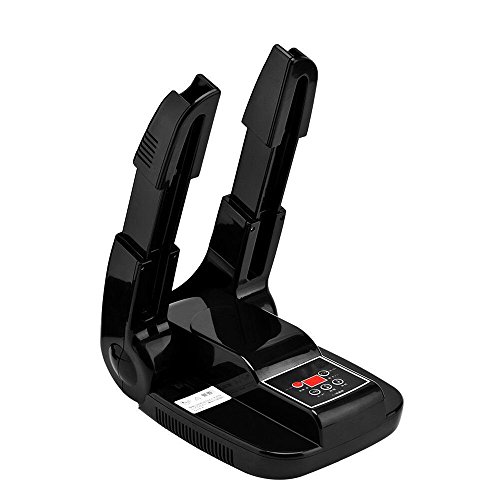
LNIDEAS Electric Shoe Dryer with Digital Controls, Timer and Foldable Design
£29.99 *View On Amazon* - Shoe Deodorisers
Scholl Odour Buster Insoles, Trim to Fit, UK Size 3-11, 1 Pair
£12.63 *View On Amazon* - Shoe Deodorisers
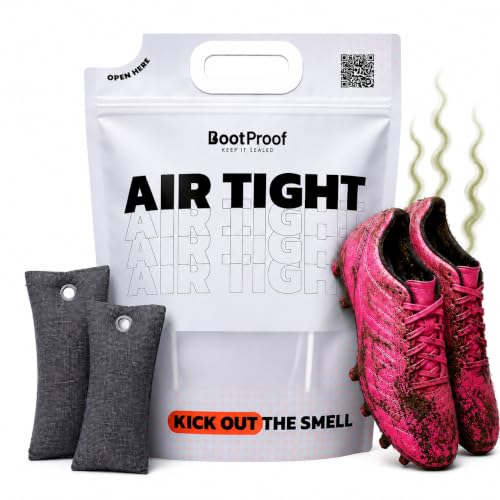
BootProof Smell Proof Air Tight Boot Bag with Lavender Reusable Deodoriser
£17.99 *View On Amazon* - Shoe Deodorisers
Natural Bamboo Charcoal Bags 50g x 2
Original price was: £7.99.£5.99Current price is: £5.99. *View On Amazon* - Shoe Deodorisers
Shoe Clinic Shoe Cleaning Wipes Pack of 40
Original price was: £9.99.£6.99Current price is: £6.99. *View On Amazon* - Shoe Deodorisers
Electric Boot Dryer with Timer, Adjustable, Foldable
Original price was: £25.99.£22.09Current price is: £22.09. *View On Amazon* - Shoe Deodorisers
BootProof Shoe Freshener & Deodoriser, Lemon Scented, Pack of 2
£9.99 *View On Amazon* - Shoe Deodorisers
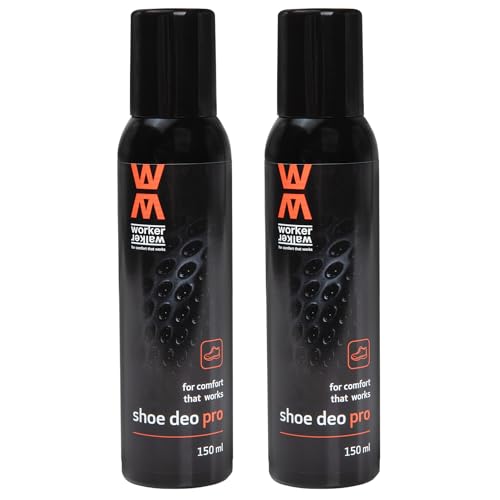
Sanytol Shoe Deodorant Disinfectant Spray 150 ml
Original price was: £10.99.£9.95Current price is: £9.95. *View On Amazon* - Shoe Deodorisers
Furleys Foot Dust Natural Foot & Shoe Deodorising Powder
Original price was: £12.00.£10.20Current price is: £10.20. *View On Amazon* - Shoe Deodorisers
Shoe Deodorizer Spray & Odor Eliminator
Original price was: £8.99.£6.99Current price is: £6.99. *View On Amazon* - Shoe Deodorisers
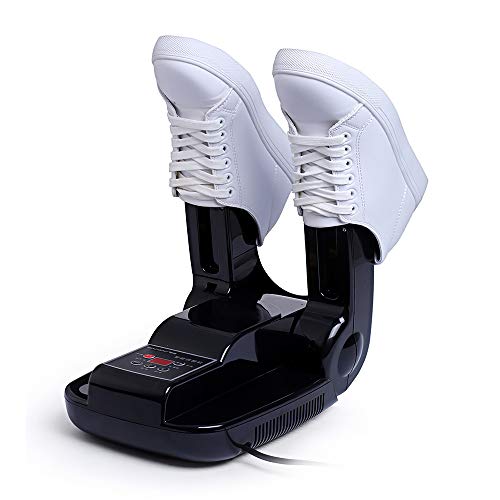
Snowpea Electric Shoe Dryer and Boot Warmer, Standard UK Plug
£22.99 *View On Amazon* - Shoe Deodorisers
Odour Buster Balls Sneaker Deodoriser & Freshener by Crease Protect (2 Packs)
£11.99 *View On Amazon*









How to Choose Shoe Deodorisers
Shoe Deodorisers provide a practical way to help manage the stale or unpleasant smells that can build up inside regularly worn footwear. Shoes create a warm, enclosed environment where perspiration, moisture, dirt and limited airflow can combine to produce noticeable odours.
A suitable deodoriser may add fragrance, absorb moisture, reduce certain odour-causing compounds or combine several functions. Products are available as sprays, powders, balls, inserts, sachets and natural materials such as cedar or activated charcoal.
The right option depends on the footwear, how often it is worn, the cause of the odour and how much time is available for airing or drying. A quick spray may suit everyday trainers, while moisture-absorbing inserts may be more useful for work boots that are worn for long shifts.
Shoe Deodorisers are not substitutes for cleaning, drying or replacing worn insoles. They also do not treat fungal infections, skin conditions or medical causes of foot odour unless a particular product is specifically authorised and labelled for that purpose. Persistent skin irritation, cracking, itching, pain or unusual odour should be discussed with a pharmacist, podiatrist or other appropriate healthcare professional.
Main Types of Shoe Deodorisers
Different formats work in different ways. Consider whether you need immediate fragrance, overnight moisture control, a product that remains inside stored shoes or something that can be applied quickly before or after wear.
Shoe Deodoriser Sprays
Shoe deodoriser sprays are applied inside suitable footwear to freshen the lining and help manage everyday smells. They can be convenient for trainers, school shoes, work footwear and sports shoes.
Some sprays mainly provide fragrance, while others are formulated to neutralise certain odours. A product may also contain ingredients intended to reduce the conditions associated with unpleasant smells, but the exact function should be checked on the label.
Sprays normally need time to dry before the footwear is worn again. Applying too much can leave the lining damp, increase drying time or cause residue.
Always spray away from the face and avoid inhaling the mist. Keep the nozzle away from skin, food, pets, electrical equipment and ignition sources.
Aerosol Shoe Deodorisers
Aerosol deodorisers release a fine, pressurised spray that can reach into the toe area of enclosed footwear. Some cans have nozzles designed to spray upwards or in more than one direction when placed inside a shoe.
Aerosol products require careful handling. Keep them away from heat, flames, sparks, cigarettes and hot vehicles. Do not puncture or burn an aerosol can, even when it appears empty.
Use aerosols in a ventilated area and follow the stated spraying time. Excessive spraying does not necessarily improve odour control.
Pump-Action Shoe Sprays
Pump sprays are not pressurised and are operated using a trigger or finger pump. They may provide more control over the amount applied.
The spray pattern can vary from a fine mist to a concentrated stream. A fine mist may distribute product more evenly, while a stronger spray may be useful for targeting the toe or heel area.
Check that the nozzle can reach inside the footwear without soaking one section. Wipe any overspray from floors to prevent slippery patches.
Shoe Deodorising Powders
Powders are sprinkled inside footwear and may absorb moisture, add fragrance or help control certain everyday odours. They can be useful in boots, trainers, work shoes and other enclosed footwear.
Some powders are intended to remain inside the shoe, while others should be shaken or brushed out before wearing. Follow the instructions carefully because loose powder can transfer to socks or skin.
Avoid applying excessive amounts. Powder can collect beneath insoles, settle in stitching or escape onto flooring.
Fine powders may become airborne during application. Use them carefully, particularly around people with asthma, allergies or respiratory sensitivities.
Shoe Freshener Balls
Shoe freshener balls are small, usually vented products that sit inside footwear while it is not being worn. They release fragrance gradually and may be suitable for trainers, sports shoes, boots and kit bags.
Some designs twist open or closed to control fragrance release. Others begin working as soon as they are removed from the packaging.
Check the size before purchasing. A freshener ball that is too large may stretch or distort small shoes, while a very small product could be overlooked inside larger boots.
Remove freshener balls before putting the footwear on. Store them away from babies, young children and pets because the shape and size may create a choking or chewing hazard.
Scented Shoe Inserts
Scented inserts are placed inside footwear between uses. They may be shaped like insoles, flat cards or flexible strips.
These products can help distribute fragrance along a larger section of the shoe than a small freshener ball. Some may also absorb a limited amount of moisture.
Check whether the inserts are reusable, disposable or designed for a stated number of uses. They should not be confused with supportive or cushioned insoles unless the product specifically provides those functions.
Moisture-Absorbing Shoe Inserts
Moisture-absorbing inserts are intended to draw moisture from the inside of footwear while it is stored. They may contain absorbent granules, silica-based material, charcoal or another filling.
These products can be particularly useful for walking boots, work boots, ski boots, sports footwear and shoes worn for long periods. Their effectiveness depends on the amount of moisture present, the insert size and the time left inside the footwear.
Some inserts can be dried and reused, while others need replacing. Follow the reactivation or drying instructions carefully and do not place them in an oven, microwave or tumble dryer unless the manufacturer specifically permits it.
Activated Charcoal Shoe Deodorisers
Activated charcoal deodorisers are usually supplied as filled pouches or inserts. They are designed to adsorb certain odour compounds and may also help with mild moisture.
They often have little or no added fragrance, which can suit customers who prefer not to perfume their footwear. However, performance varies according to pouch size, charcoal quantity, shoe condition and usage.
Some charcoal products can be refreshed by placing them in sunlight or a ventilated area, where listed. Follow the product instructions rather than assuming every charcoal deodoriser is reusable.
Do not open the pouch or allow charcoal dust to escape.
Cedar Shoe Fresheners
Cedar shoe fresheners may be supplied as blocks, shaped inserts, balls or shoe trees. Cedar has a natural woody scent and can help make stored footwear smell fresher.
Some cedar products may absorb a small amount of moisture, but they should not be relied upon to dry heavily wet shoes. The precise function depends on the design and amount of wood used.
Cedar fragrance may fade over time. Some products can be lightly sanded to expose fresh wood, but only do this where the instructions recommend it.
Rough wooden surfaces may snag delicate linings. Inspect cedar products for splinters or damage before placing them inside footwear.
Deodorising Shoe Insoles
Some replacement insoles are designed with deodorising or odour-control materials. They may include charcoal, fragranced layers or moisture-managing fabrics.
These products remain inside the shoe during wear, unlike freshening inserts that must be removed beforehand. Check the size, shape, thickness and whether they can be trimmed.
A thicker insole can reduce the internal space of the shoe and affect fit. Replacement insoles should not make footwear tight or place pressure on the toes.
Deodorising insoles do not automatically provide orthopaedic support. Anyone needing specialist foot support should choose an appropriate insole based on professional advice.
Deodorising Sachets and Pouches
Sachets can be placed inside shoes, boots, gym bags, lockers or shoe cupboards. They may contain scented material, charcoal, mineral granules, cedar pieces or moisture-absorbing ingredients.
Their soft shape can suit different types of footwear without stretching the upper. However, sachets should not be crushed or placed where seams can tear.
Inspect reusable pouches regularly. Stop using them if the outer material becomes damaged or the filling begins to escape.
Shoe Deodorising Tablets or Capsules
Some products use solid tablets or enclosed capsules that release fragrance inside footwear. They may fit neatly into the toe area and be convenient for travel or sports bags.
Check whether the product must remain sealed and whether it should be removed before wearing the shoes. Do not open, crush or dissolve tablets unless the instructions specifically require it.
Small solid products must be stored securely away from children and animals.
UV and Electrical Shoe Deodorisers
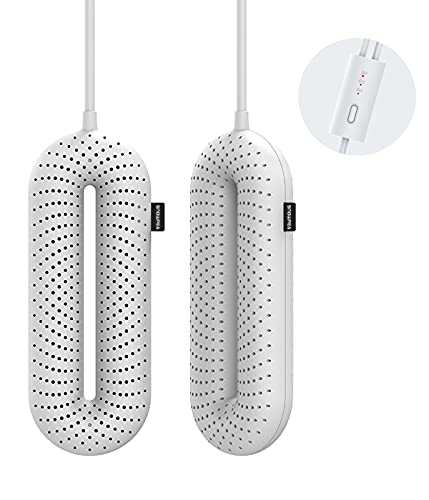
Some electrical devices are designed to be placed inside footwear and may use heat, airflow, ultraviolet light or a combination of methods. Product functions and safety requirements vary significantly.
Check that the device is intended for the footwear material and that its electrical rating is suitable for UK use. Follow the manufacturer’s operating time and never leave an electrical device running unattended unless the instructions confirm that this is permitted.
Heat can damage adhesives, leather, waterproof membranes and moulded footwear. Do not assume that an electrical shoe device is suitable for every shoe or boot.
Some products may make claims about microorganisms or sanitising. These claims should only be relied upon where clearly stated and supported by the product information. Ordinary fragrance products should not be assumed to disinfect footwear.
Fragrance, Moisture Absorption and Odour Neutralising
Shoe Deodorisers can perform several different functions. Understanding the distinction helps avoid choosing a product that only covers the smell when the main problem is trapped moisture.
Fragrance Products
Fragranced products add a pleasant scent to the footwear. They may cover mild odours but do not necessarily remove the cause.
Common fragrance styles include fresh linen, citrus, mint, floral, herbal and clean or sporty scents. Fragrance strength can vary considerably.
Moisture-Absorbing Products
Moisture absorbers reduce dampness inside footwear, helping create a less favourable environment for stale smells. They are most useful after the shoe has been allowed to air and surface moisture has been removed.
A moisture absorber cannot dry a soaked boot quickly or repair water entering through damaged footwear.
Odour-Neutralising Products
Odour neutralisers are intended to interact with particular smell-producing compounds rather than simply adding perfume. Their effectiveness depends on the ingredients, odour source and condition of the footwear.
Check which types of odour the product is designed to address. A general deodoriser may not remove urine, sewage, chemical or deeply embedded smoke smells.
Combined Products
Some Shoe Deodorisers offer fragrance, moisture control and odour neutralising in one product. Consider which function is most important rather than choosing only by scent.
Why Shoes Develop Odours
Footwear odour is often caused by a combination of perspiration, warmth, limited airflow and microorganisms present on skin and inside shoes. Dirt, wet weather, pet contamination and environmental smells can also contribute.
Common factors include:
- Wearing the same shoes every day
- Putting footwear away while damp
- Synthetic or poorly ventilated linings
- Wet socks
- Long working shifts
- Intensive sports activity
- Mud and outdoor moisture
- Removable insoles that are not cleaned
- Shoes stored in sealed bags
- Dirty feet or socks
- Old footwear with deeply absorbed odour
- Pet urine or other contamination
- Damp shoe cupboards
A deodoriser may improve the smell, but better drying, cleaning and footwear rotation are often needed for lasting results.
Choosing Shoe Deodorisers for Different Footwear
Different materials and shoe designs respond differently to powders, sprays and moisture-absorbing products.
Trainers
Trainers commonly develop odours because they are worn during exercise or for long periods. Sprays, freshener balls, charcoal pouches and removable deodorising insoles may all be suitable where compatible.
Remove the insoles and loosen the laces to improve ventilation. Check whether the trainers can be washed before attempting any cleaning method.
Avoid soaking foam midsoles or glued components with deodoriser spray.
Running Shoes
Running shoes need time to dry between uses. A moisture-absorbing insert or charcoal pouch can help after the shoes have been aired.
Do not dry running shoes directly on a radiator unless the manufacturer allows it. Excess heat can affect foam, adhesives and shape.
A freshener should not add significant weight or distort the toe box.
Football Boots
Football boots may collect moisture, mud and grass. Remove loose dirt and allow the boots to dry before applying fragrance or inserting a deodoriser.
Check compatibility with synthetic uppers, leather, studs and removable insoles. Do not trap wet mud inside a boot bag with a freshener.
Walking Boots
Walking boots can remain damp after wet conditions. Remove footbeds where possible, open the laces fully and dry the footwear according to the manufacturer’s advice.
Moisture-absorbing pouches may help after surface water has been removed. Do not use heat that could damage waterproof membranes or leather.
A persistent damp smell may indicate that the lining or insulation has not dried fully.
Work Boots
Work boots may be worn for long shifts and can collect sweat, dust, oils or workplace contamination. Choose a product compatible with the lining and any safety features.
A deodoriser does not remove hazardous workplace substances. Contaminated safety footwear should be cleaned or replaced according to workplace procedures.
Do not alter safety footwear by adding thick insoles if this affects fit or protective performance.
Safety Shoes
Safety shoes may contain reinforced toe caps, anti-static materials, specialist soles or protective linings. Check whether replacement insoles and sprays are compatible.
Do not assume that an ordinary deodorising insole preserves electrical, anti-static or protective properties. Use manufacturer-approved replacements where required.
School Shoes
School shoes are often worn every weekday and may have limited time to dry. A mild spray, freshener insert or moisture-absorbing pouch can be used overnight where suitable.
Keep deodorising balls, tablets and powders away from young children. An adult should apply the product and remove inserts before the shoes are worn.
Leather Shoes
Leather can mark, darken or dry out if exposed to unsuitable liquids or powders. Check that the deodoriser is safe for the internal leather lining and any visible upper material.
Apply spray only inside the shoe and avoid overspray onto polished surfaces. Allow leather footwear to dry naturally, away from direct heat.
Suede and Nubuck Shoes
Suede and nubuck are sensitive to moisture and staining. Avoid applying a general spray where mist could reach the outer material.
Use a product confirmed as suitable and apply it carefully inside the shoe. Protect surrounding surfaces during use.
Fabric Shoes
Canvas and textile footwear may tolerate some sprays, but colourfastness and adhesives can still be affected. Test a hidden section where recommended.
Do not saturate the fabric. Excess moisture can leave tide marks or cause slow drying.
Wellington Boots
Wellington boots can trap moisture because the material does not breathe. Remove wet socks and allow air to circulate after use.
Long, flexible moisture-absorbing inserts may reach further into tall boots than small freshener balls. Ensure any insert can be removed easily.
Do not use sharp or rough products that could damage the inner lining.
Ski and Snowboard Boots
Ski and snowboard boots often contain thick removable liners that need thorough drying. Check whether the liner can be removed and dried separately.
Moisture absorbers or compatible electrical dryers may be useful, but heat settings must be appropriate for moulded liners, foams and adhesives.
Cycling Shoes
Cycling shoes may contain ventilation holes, rigid soles and fastening systems. Allow them to dry fully after wet rides and remove footbeds where suitable.
Avoid allowing powder to collect in cleat fittings, vents or mechanical closures.
Dance Shoes
Dance footwear can use delicate satin, suede, leather and adhesive construction. Avoid liquids or powders unless the product is specifically suitable.
A small charcoal pouch or non-contact freshener may be safer than direct spray application.
Slippers
Slippers may have fabric, faux fur, wool or foam linings. Check whether they can be washed before applying a deodoriser.
Avoid leaving powders in slippers that are worn without socks, as residue may contact the skin.
Children’s Footwear
Children’s shoes are smaller and may not accommodate standard freshener balls or inserts. Check the product size and age guidance.
Adults should control application and ensure all removable products are taken out before the footwear is worn.
Choosing Products for Sports and Exercise
Sports footwear often needs a combination of cleaning, ventilation and moisture control.
After activity:
- Remove the shoes from the sports bag.
- Loosen laces or fastenings.
- Remove insoles where suitable.
- Allow the footwear to air.
- Wipe away mud or surface dirt.
- Insert a moisture absorber when the shoe is no longer heavily wet.
- Apply fragrance only as directed.
- Allow sprays to dry before the next use.
Leaving damp trainers in a zipped kit bag encourages stale smells. Freshener products for both shoes and bags may be useful, but check that each product is intended for the relevant surface.
Choosing Shoe Deodorisers for Work
People who wear enclosed footwear for long shifts may benefit from reusable moisture absorbers or products that can remain inside shoes overnight.
Consider:
- How many hours the footwear is worn
- Whether the shoes can be rotated
- Whether removable insoles are used
- Drying time between shifts
- Workplace contamination
- Changing room storage
- Fragrance restrictions at work
- Whether colleagues have sensitivities
- Compatibility with safety footwear
Strongly fragranced products may be unsuitable in healthcare, food preparation or scent-sensitive workplaces. Check workplace policies where relevant.
Choosing Products for Travel
Small shoe fresheners and pouches can help prevent smells spreading through luggage. They are useful for walking holidays, sports trips and business travel.
Place footwear in a breathable shoe bag where possible. Do not seal damp shoes in plastic luggage for long periods.
Check airline restrictions before packing aerosols or liquids. Container limits and baggage requirements can vary.
Remove freshener balls or loose inserts before wearing the shoes and count them when packing to avoid leaving one inside.
Fragrance Strength and Sensitivities
A strong fragrance can become concentrated inside a shoe and transfer onto socks or feet. This may be uncomfortable for people with fragrance sensitivities.
Start with the smallest recommended amount. Do not combine several heavily scented products in the same footwear.
Fragrance-free, unscented or charcoal-based products may suit customers who prefer minimal scent. These terms are not always identical, so review the product description.
Natural fragrances and essential oils can still cause irritation or sensitivity. Natural does not mean universally safe.
Shoe Size and Deodoriser Dimensions
Freshener balls, inserts and pouches need to fit inside the footwear without stretching or damaging it.
Consider:
- Shoe length
- Internal width
- Toe-box shape
- Boot height
- Whether the insert is flexible
- Ease of removal
- Space occupied by the product
- Whether the shoes are children’s or adults’
- Whether removable insoles remain in place
A large solid insert may not fit inside narrow dress shoes. A small pouch may not provide enough coverage for a tall work boot.
For long boots, check whether the product includes a retrieval cord or handle.
Reusable and Disposable Products
Reusable Shoe Deodorisers
Reusable products include charcoal pouches, cedar inserts, freshener balls with replaceable fragrance and moisture absorbers that can be dried or reactivated.
They may be convenient for regular use, but they still require maintenance and eventual replacement.
Check:
- How the product is refreshed
- Whether refills are available
- How many cycles are stated
- Whether the outer pouch can be cleaned
- Whether drying requires sunlight, airflow or gentle heat
- How to tell when replacement is needed
Disposable Shoe Deodorisers
Disposable sachets, tablets, powder applications and some insoles are intended for limited use.
They require less maintenance but create more packaging and need safe disposal. Do not reuse a product beyond its stated period if it has become damp, damaged or ineffective.
How to Use Shoe Deodoriser Spray
Always follow the label, but a typical method may include:
- Remove the footwear from the feet.
- Take out removable insoles where advised.
- Shake the container if instructed.
- Use the product in a ventilated area.
- Hold the nozzle at the stated distance.
- Spray lightly into the toe and heel areas.
- Avoid soaking the lining.
- Wipe overspray from external materials.
- Leave the footwear open to dry.
- Do not wear it until completely dry.
Do not spray the product directly onto feet or socks unless it is specifically designed and labelled for skin use.
How to Use Shoe Deodorising Powder
A powder product may be used as follows:
- Ensure the shoe is reasonably dry.
- Read the instructions and warnings.
- Apply a small, even amount.
- Avoid creating airborne dust.
- Distribute the powder only where directed.
- Leave it for the stated time.
- Shake out excess where required.
- Check for residue before wearing.
- Wash hands after application.
- Store the container securely.
Do not tip a large quantity into the shoe. Excess powder may collect beneath the insole or contact the skin.
How to Use Shoe Freshener Balls
- Open or activate the ball where required.
- Place one inside each shoe.
- Leave the shoes in a ventilated storage area.
- Remove the balls before wearing.
- Close or deactivate them if the design permits.
- Store them away from children and pets.
- Replace them when the fragrance has faded or according to the instructions.
Do not force a ball into footwear if it is too large.
How to Use Shoe Deodorising Pouches
- Check that the pouch is intact.
- Place one pouch into each shoe.
- Push it gently towards the toe without crushing it.
- Leave it for the recommended period.
- Remove it before wearing the footwear.
- Refresh or dry it only as instructed.
- Replace damaged or leaking pouches.
Do not cut the pouch open or pour the contents directly into shoes.
Drying Footwear Correctly
Dry footwear is less likely to develop stale smells. The correct method depends on the material and construction.
General steps include:
- Remove insoles where suitable
- Loosen laces and fastenings
- Open the shoe as widely as possible
- Blot surface water
- Place footwear in a ventilated room
- Keep it away from direct flames
- Avoid excessive heat
- Replace wet newspaper or absorbent material regularly where suitable
- Allow enough time for thick linings to dry
- Check the manufacturer’s care advice
Radiators, hairdryers and tumble dryers can damage adhesives, leather, foam and waterproof membranes. Use heat only where specifically permitted.
Rotating Footwear
Wearing the same pair every day may not allow enough time for moisture to evaporate. Rotating between two or more pairs can improve drying and reduce odour build-up.
This is particularly useful for:
- Work footwear
- School shoes
- Running shoes
- Walking boots
- Safety boots
- Sports trainers
- Winter footwear
A deodoriser works more effectively when the shoe is given time to air between uses.
Cleaning Removable Insoles
Insoles often absorb perspiration and can be a major source of odour. Remove them periodically where the footwear design allows.
Check whether they can be:
- Hand-washed
- Wiped clean
- Machine-washed
- Air-dried
- Replaced
- Treated with a compatible deodoriser
Do not wash leather, gel, heated or specialist insoles unless the manufacturer confirms that this is suitable.
Allow insoles to dry completely before returning them to the footwear.
Replacing Worn Insoles
An old insole may retain odour even after cleaning. Replacement can be more effective than repeatedly applying fragrance.
Choose the correct length, width and thickness. Some insoles can be trimmed along marked lines, while others are supplied in exact sizes.
A replacement should sit flat without curling and should not make the shoe too tight. Check compatibility with safety footwear and specialist shoes.
Cleaning the Footwear Interior
Cleaning methods vary significantly by material. Always check the care label or manufacturer’s guidance.
Possible methods include:
- Vacuuming loose dirt from the interior
- Wiping with a slightly damp cloth
- Removing and washing compatible insoles
- Hand-washing suitable fabric trainers
- Using a specialist footwear cleaner
- Professional cleaning for delicate materials
Do not mix household cleaning chemicals inside footwear. Bleach, disinfectants, vinegar, ammonia and fragrance products may react, damage materials or irritate skin.
When Deodorisers Are Not Enough
A shoe deodoriser may not resolve smells caused by:
- Heavily contaminated insoles
- Pet urine
- Sewage water
- Chemical spills
- Fuel or oil
- Extensive mould
- Persistent damp
- Smoke damage
- Decaying materials
- Workplace hazards
- Severely worn footwear
In these cases, specialist cleaning or replacement may be safer and more effective.
Do not continue wearing footwear contaminated with unknown chemicals or biological waste without suitable assessment.
Foot Hygiene and Shoe Odour
Clean feet and fresh socks can help reduce odour inside footwear. Wash and dry feet thoroughly, including between the toes, and change socks regularly.
Choose socks suitable for the activity and weather. Damp socks should be replaced rather than left inside shoes.
A deodoriser designed for footwear should not be applied to skin unless the label specifically confirms this use. Products for feet and products for shoes can have different ingredients and safety instructions.
Skin Irritation and Persistent Foot Problems
Stop using a deodoriser if it causes burning, redness, itching or discomfort. Remove the footwear, wash affected skin and follow the product’s first-aid guidance.
Shoe Deodorisers are not a treatment for athlete’s foot, bacterial infections, dermatitis or other medical conditions unless specifically licensed and labelled for that use.
Seek appropriate medical or pharmacy advice for:
- Persistent itching
- Cracked or peeling skin
- Pain
- Blisters
- Swelling
- Unusual discharge
- Strong odour that continues despite hygiene
- Symptoms affecting people with diabetes or poor circulation
Avoid making a diagnosis based only on smell.
Safety Around Children
Shoe Deodorisers may contain fragrance, powders, beads, gels or absorbent granules. Keep them out of sight and reach of children.
Freshener balls, tablets and small pouches can present choking risks. Children should not be allowed to play with them or apply sprays and powders.
Before a child puts on footwear:
- Remove all inserts and balls
- Check for loose powder
- Ensure sprays have dried
- Check that no pouch has split
- Make sure the insole sits flat
- Confirm that the shoe still fits correctly
Store products in their original labelled packaging.
Safety Around Pets
Dogs and cats may be attracted to footwear and scented products. Keep deodorisers where animals cannot chew, lick or swallow them.
Never place Shoe Deodorisers:
- In pet beds
- Near food or water bowls
- Inside animal crates
- Beside bird cages
- Near fish tanks
- Where a pet can remove them from shoes
- In accessible open sports bags
Do not spray footwear while a pet is nearby. Allow mist to settle and shoes to dry in a ventilated area.
Natural cedar, charcoal or essential oil-based products are not automatically safe for pets. If an animal chews or swallows a deodoriser, contact a veterinary professional and keep the packaging available.
Birds, Fish and Small Animals
Birds can be particularly sensitive to airborne sprays, aerosols and fragrance. Do not apply Shoe Deodorisers in the same enclosed space as a bird.
Protect aquariums from spray droplets and powder. Do not place treated footwear directly beside fish tanks.
Small animals may chew pouches, wooden inserts and freshener balls. Store products and treated footwear securely.
Fragrance Sensitivity and Asthma
Sprays and powders can cause discomfort for people with asthma, allergies or fragrance sensitivities. Symptoms may include coughing, headaches, wheezing, nausea or eye irritation.
Use products in a well-ventilated area and apply the minimum amount required. A fragrance-free or charcoal-based option may be more suitable.
Stop using the product if discomfort develops. Move to fresh air and seek medical advice where symptoms are serious or persistent.
Aerosol and Fire Safety
Aerosol Shoe Deodorisers may contain flammable ingredients and are stored under pressure.
Keep aerosols away from:
- Open flames
- Cigarettes
- Gas hobs
- Fires and wood burners
- Sparks
- Hot light bulbs
- Heaters
- Radiators
- Direct sunlight
- Hot cars
- Electrical equipment that becomes warm
Do not spray near an ignition source. Do not puncture, crush or burn the container, even after use.
Allow footwear to dry fully before placing it near heat.
Electrical Safety
Liquid sprays should not be used near sockets, chargers, extension leads or electrical shoe dryers. Fine mist can settle on equipment and connections.
For electrical shoe deodorisers or dryers:
- Check the plug and cable before use
- Use the stated voltage
- Keep the device dry unless designed otherwise
- Do not use damaged equipment
- Do not cover ventilation openings
- Follow the maximum operating time
- Keep away from children and pets
- Unplug before cleaning
- Do not insert into wet footwear unless specifically designed for it
Do not use an electrical device inside footwear contaminated with flammable liquids.
Material Compatibility
Leather Linings
Leather can be affected by moisture, alcohol and fragrance ingredients. Use only compatible products and apply sparingly.
Synthetic Linings
Synthetic fabrics may tolerate many deodorisers, but dyes, adhesives and foam can still be affected. Test where recommended.
Waterproof Membranes
Walking and outdoor footwear may contain breathable waterproof membranes. Avoid products that could block pores or damage the lining.
Check the footwear manufacturer’s cleaning and care guidance.
Foam and Gel Components
Foam insoles and gel cushioning may absorb sprays or react with solvents. Do not soak them.
Adhesives
Excess liquid and heat can weaken glued construction. Allow sprays to dry naturally and avoid over-application.
Metal Components
Powder or moisture can collect around eyelets, fastenings and safety components. Remove residue and keep metal areas dry.
Testing a Product Before Full Use
When compatibility is uncertain:
- Read the footwear care guidance.
- Select a small, hidden section of lining.
- Apply a minimal amount.
- Allow it to dry fully.
- Check for colour changes.
- Check for stiffness, stickiness or residue.
- Smell the area to assess fragrance strength.
- Stop if the material changes.
A successful patch test does not guarantee that heavy or repeated use will cause no effect.
Avoiding Residue
Powders and sprays may leave visible or tactile residue inside footwear.
To reduce residue:
- Apply only the recommended amount
- Hold sprays at the correct distance
- Allow liquid products to dry
- Shake out loose powder where instructed
- Remove insoles to check beneath them
- Wipe smooth linings where suitable
- Avoid combining products
- Clean nozzles and bottle openings
Do not wear shoes if a large amount of loose product remains inside.
Common Shoe Deodoriser Problems
The Smell Returns Quickly
The footwear may still be damp or the insole may need cleaning or replacement. Remove the source rather than repeatedly adding fragrance.
The Fragrance Is Too Strong
Remove inserts, open the footwear and leave it in a ventilated area. Wipe or shake out excess product where the instructions allow.
Use less product or choose an unscented option next time.
Powder Transfers to Socks
Too much powder may have been applied or the product may require removal before wear. Shake out the footwear and check the instructions.
The Spray Leaves the Shoe Damp
Allow more drying time and improve ventilation. Apply a lighter mist during future use.
Do not wear damp footwear, as this can increase discomfort and odour.
A Pouch Has Split
Keep children and pets away. Remove the pouch and collect the filling carefully.
Check the lining for dust, staining or granules before wearing the shoe.
Freshener Balls Do Not Fit
Do not force them into narrow or children’s footwear. Choose a smaller insert, pouch or compatible spray.
The Charcoal Pouch No Longer Works
It may need refreshing or replacing. Follow the stated reactivation instructions and check for damage.
The Cedar Scent Has Faded
Some cedar products can be lightly sanded. Only do this where recommended and remove all wood dust afterwards.
The Deodoriser Irritates the Skin
Stop using it immediately. Remove contaminated socks, wash the feet and follow the product’s safety guidance.
Seek medical advice if symptoms continue.
Cleaning and Maintaining Reusable Deodorisers
Reusable products need regular care.
Charcoal Pouches
Refresh them only as stated. Keep them dry and replace any pouch that tears or becomes contaminated.
Cedar Inserts
Wipe away dust and inspect for splinters. Sand lightly only where permitted.
Plastic Freshener Balls
Wipe the exterior with a damp cloth if allowed. Do not immerse them if they contain fragrance material.
Reusable Moisture Absorbers
Dry or reactivate them according to the instructions. Do not use an oven or microwave unless the product specifically states that this is safe.
Electrical Devices
Unplug before cleaning. Wipe only as directed and keep electrical components dry.
Replacement and Product Lifespan
Replacement periods vary according to product type, shoe size, odour level, humidity and frequency of use.
Replace a deodoriser when:
- Fragrance has faded
- Moisture absorption has reduced
- A pouch is damaged
- A powder has become damp
- A container leaks
- A tablet has dissolved or reached its stated life
- An insole is worn or compressed
- Cedar has cracked or splintered
- An electrical device is damaged
- The product has passed its stated replacement date
Do not continue using a damaged product simply because some fragrance remains.
Storage
Store Shoe Deodorisers:
- In their original packaging
- In a cool, dry place
- Away from heat and sunlight
- Out of reach of children
- Away from pets
- Separate from food and drink
- With lids and caps secured
- Away from cleaning chemicals
- Upright where instructed
- Away from damp changing rooms
Do not transfer powders or liquids into unlabelled containers.
Disposal
Follow the packaging instructions and local council requirements.
General considerations include:
- Do not puncture aerosol cans
- Do not burn deodoriser products
- Keep powders out of drains
- Do not empty charcoal or granules outdoors
- Seal damaged pouches before disposal
- Separate recyclable packaging where permitted
- Dispose of electrical products through the appropriate route
- Remove batteries where instructed
- Keep discarded products away from wildlife
Local recycling rules can vary.
Environmental Considerations
Using the correct amount can reduce waste. Excessive spraying or powder application may create more residue without improving freshness.
Reusable charcoal pouches, cedar products and refillable systems may reduce some packaging, depending on their lifespan and how they are maintained.
Do not assume that natural, biodegradable or recyclable wording applies to the entire product. Check whether the contents, pouch, cap and outer packaging require separate disposal.
Do Not Mix Shoe Products
Do not mix Shoe Deodorisers with bleach, disinfectants, carpet powders, household cleaners, vinegar, ammonia or other chemicals.
Combining products may:
- Produce harmful fumes
- Cause skin irritation
- Damage shoe materials
- Weaken adhesives
- Leave sticky residue
- Discolour linings
- Make instructions unreliable
Allow one product to dry or be removed fully before using another, where compatible.
Understanding Product Claims
Odour Neutralising
This means the product is intended to reduce certain smells rather than simply cover them. It does not guarantee complete removal of every odour.
Antibacterial
Only rely on an antibacterial claim where it is clearly stated with appropriate instructions. A fragranced product should not automatically be assumed to disinfect footwear.
Antifungal
A product should not be treated as an antifungal treatment unless it is specifically labelled and authorised for that purpose. Seek professional advice for suspected fungal infections.
Natural
Natural ingredients can still cause allergies, irritation or pet-related concerns.
Biodegradable
Biodegradable does not mean the product can be poured into drains or discarded outdoors.
Hypoallergenic
Hypoallergenic does not mean reaction-free. Sensitive users should still review the product information.
Long Lasting
Fragrance and performance duration depend on usage, moisture, ventilation and shoe size. Follow the stated replacement guidance.
Shoe Deodorisers Compared with Other Products
Shoe Deodorisers Versus Foot Sprays
Shoe Deodorisers are intended for footwear. Foot sprays are formulated for direct use on skin.
Do not use one in place of the other unless the label clearly permits both applications.
Shoe Deodorisers Versus Replacement Insoles
A deodoriser may refresh an existing insole, while a replacement insole removes heavily worn material from the shoe. Replacement may be more effective where odour has become deeply embedded.
Shoe Deodorisers Versus Shoe Dryers
Shoe dryers remove moisture using airflow or heat, depending on the design. Deodorisers mainly add fragrance, absorb moisture or reduce odour.
Some products combine these functions, but material compatibility remains important.
Shoe Deodorisers Versus Shoe Cleaning Products
Cleaning products remove dirt and certain stains. Deodorisers address smell but may not clean the footwear.
Cleaning should normally come before fragrance.
Shoe Deodorisers Versus Room Fresheners
Room fresheners are designed for the air and may be unsuitable for direct use inside footwear. Use a product intended for shoes.
Shoe Deodorisers Versus Laundry Products
Laundry detergent can clean washable trainers, socks and some insoles. It should not be poured directly into shoes that are not designed for washing.
Useful Related Products
Related products may include:
- Replacement insoles
- Shoe racks
- Shoe storage boxes
- Boot bags
- Sports bags
- Shoe cleaning brushes
- Shoe polish
- Leather conditioners
- Waterproofing treatments
- Boot dryers
- Foot powders
- Foot sprays
- Moisture absorbers
- Laundry detergents
- Sock organisers
- Wardrobe fresheners
- Lint rollers
Check compatibility before using several treatments on the same footwear.
Why Buy Shoe Deodorisers from YPC?
At YPC, we understand active lifestyles and the need for practical products that work in real use.
Our Shoe Deodorisers category helps customers compare sprays, powders, freshener balls, charcoal pouches, cedar inserts, deodorising insoles and moisture-absorbing products. Review the format, fragrance, footwear compatibility, drying requirements and replacement guidance to find a suitable option for trainers, school shoes, work boots and sports footwear.
Frequently Asked Questions
What is the difference between a shoe deodoriser and a foot spray?
A shoe deodoriser is formulated for use inside footwear, while a foot spray is designed for direct application to skin. Do not use a footwear product on feet unless the label specifically confirms that this is suitable.
Can Shoe Deodorisers be used in every type of footwear?
Not always. Leather, suede, specialist sports footwear, safety shoes and waterproof linings may require compatible products, so check the footwear care guidance and deodoriser instructions before use.
Should I remove shoe deodoriser powder before wearing my shoes?
This depends on the product. Some powders are designed to remain in the footwear, while others should be shaken out, so follow the label and avoid leaving excessive loose powder against the skin.
Do Shoe Deodorisers remove odour permanently?
They may reduce or cover everyday smells, but lasting results depend on cleaning, drying and airing the footwear. Persistent odour may require replacement insoles, deeper cleaning or investigation of a foot health concern.
Are Shoe Deodorisers safe around children and pets?
They should be stored out of reach because sprays, powders, balls, tablets and pouches may be harmful if swallowed, inhaled or chewed. Remove all inserts before footwear is worn and keep pets away from treated shoes until sprays have dried.
 Getting ready for Summer? View our Home and Garden Products

Heading outdoors this winter? Take a look at our Outdoor Clothing.