
Underbed Storage
Underbed Storage for Making Better Use of Bedroom Space
Underbed storage helps make use of the space beneath a bed for clothing, bedding, shoes, toys and other household belongings. Whether you need low-profile boxes, fabric bags, wheeled containers or vacuum storage, choosing the right dimensions can help reduce clutter without taking up additional wardrobe or floor space.
Browse lidded underbed boxes, zipped fabric bags, shoe organisers, wheeled containers, drawer-style storage and vacuum bags. Compare products by their external dimensions, capacity, materials, closure, handles and the clearance available beneath your bed.
Explore Underbed Storage at YPC to find practical organisation options for bedrooms, guest rooms, children’s rooms, flats and other homes where storage space is limited.
- Underbed Storage
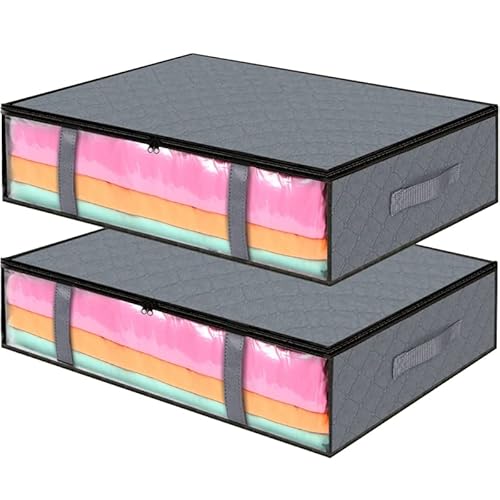
Lifewit 4 Pack Foldable Clothes Storage Boxes, 35L, Grey
Original price was: £15.99.£12.99Current price is: £12.99. *View On Amazon* - Underbed Storage
woodluv Water Hyacinth Under Bed Storage Box Chest Basket Large
£36.99 *View On Amazon* - Underbed Storage
mepure Under Bed Storage Bags, 10cm High, 100 x 50 x 10cm, 2-Pack, Grey
£17.99 *View On Amazon* - Underbed Storage
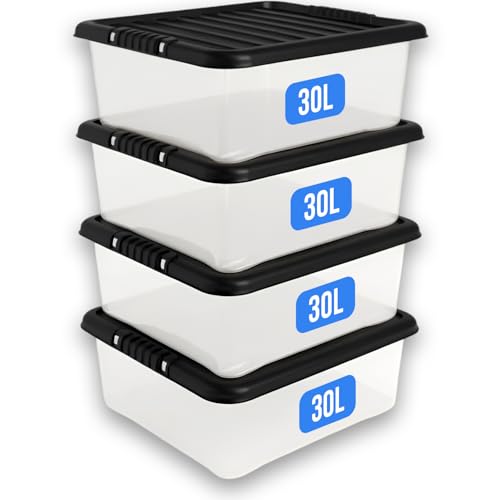
Huquter 50L Under Bed Storage Boxes with Wheels and Lids, 2 Pack
£42.99 *View On Amazon* - Underbed Storage
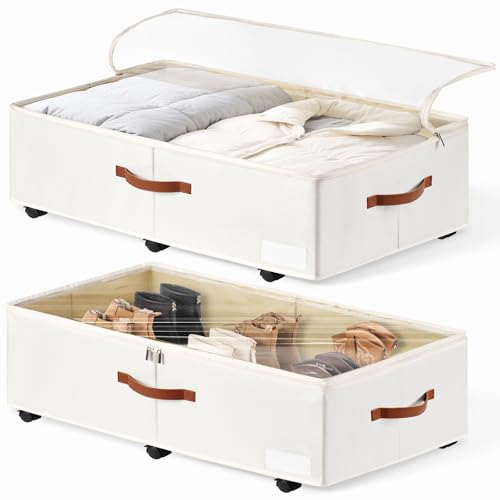
KitHero 60L Large Under Bed Storage with Wheels, Pack of 2, White
£37.99 *View On Amazon* - Underbed Storage
Underbed Storage Bags 72L with Lid, 2 Pack
Original price was: £17.99.£16.19Current price is: £16.19. *View On Amazon* - Underbed Storage
DOKEHOM 105L Large Underbed Clothes Storage Bag with Zip, Moisture Proof, Grey
£9.99 *View On Amazon* - Underbed Storage
FengFution 2 Pcs Under Bed Storage Boxes with Lid, Foldable, 85 x 40 x 12 cm
£18.99 *View On Amazon* - Underbed Storage
Under Bed Storage Box with Lid, 2 Pack, Foldable, 76 x 40 x 17 cm
£27.99 *View On Amazon* - Underbed Storage
Oneyus 2 Pack Under Bed Storage on Wheels 66L with Lid
Original price was: £35.99.£28.99Current price is: £28.99. *View On Amazon* - Underbed Storage
Homelux Theory 2pc Low Profile Under Bed Storage Containers
£41.67 *View On Amazon* - Underbed Storage
2 Pack Under Bed Storage with Wheels, 48L Grey Rolling Metal Frame Containers
Original price was: £39.99.£29.99Current price is: £29.99. *View On Amazon* - Underbed Storage
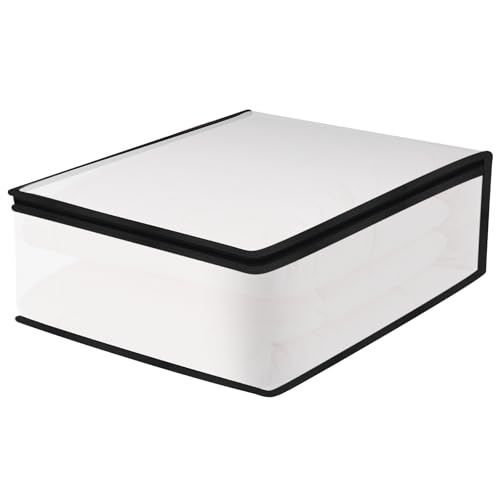
2 Pack Under Bed Storage Boxes with Lid, 10cm Tall, Foldable Fabric with Zip
£25.99 *View On Amazon* - Underbed Storage
StorageWorks Large Underbed Storage Boxes with Lids, Ivory White, 2-Pack
Original price was: £48.99.£42.99Current price is: £42.99. *View On Amazon* - Underbed Storage
Astoryou 105L Storage Bags with Zips, 2 Pack, 80 x 50 x 35 cm
£13.99 *View On Amazon*








How to Choose Underbed Storage
Underbed storage uses the space beneath a bed to organise belongings that do not need to remain on display. It can be useful for seasonal clothing, spare bedding, shoes, toys, luggage accessories and other household items.
The right product depends on the clearance beneath your bed, the items you need to store and how frequently you want to access them.
Measure the available space before ordering. Check the height at several points because bed frames, central support bars, castors and uneven flooring can reduce the usable clearance.
Types of Underbed Storage
Plastic Underbed Storage Boxes
Plastic underbed boxes provide rigid storage for clothing, shoes, toys and household accessories.
They are usually easy to wipe clean and may include lids, clip closures, wheels or transparent sides. Clear boxes make it easier to identify the contents without opening every container.
Check the complete external dimensions, including the lid, handles and wheels. A box may fit beneath the outer edge of the bed but become obstructed by central supports further underneath.
Fabric Underbed Storage Bags
Fabric storage bags are lightweight and can often be folded when not in use. They may be suitable for bedding, seasonal clothing, towels and other soft items.
Zipped closures can help keep dust away, while clear viewing panels make the contents easier to identify.
Fabric bags offer less protection from crushing, moisture and sharp objects than rigid boxes. Check whether the sides are reinforced and whether the product can be washed or spot cleaned.
Wheeled Underbed Storage
Wheeled containers can make stored items easier to pull out from beneath a bed, particularly where the box is large or regularly accessed.
Check the wheel size, positioning and flooring compatibility. Small wheels may struggle across thick carpet or thresholds, while hard wheels could mark delicate flooring.
The wheels add to the overall height, so include them when measuring the available clearance.
Underbed Storage Drawers
Drawer-style storage slides beneath the bed and may remain partially visible as part of the room’s furniture.
Some drawers are designed for a particular bed frame, while others are freestanding. Model-specific drawers may offer a neater fit, but they are unlikely to suit other beds.
Check the width, depth, height and handle clearance. Make sure the drawer can open fully without hitting bedside furniture or walls.
Vacuum Underbed Storage Bags
Vacuum bags compress suitable clothing and bedding to reduce the space they occupy. They can be useful beneath lower beds where bulky textiles would not otherwise fit.
Some include protective outer cases, handles or reinforced bases. Check whether the valve is positioned where it will not rub against the floor or bed frame.
Compression reduces volume but not weight. A heavily packed bag may still be difficult to move.
Underbed Shoe Storage
Shoe organisers may include individual compartments, clear lids, fabric dividers or rigid trays.
Check the size of each section, particularly if you need to store boots, trainers or larger footwear. Compartments designed for ordinary shoes may be too small for bulkier pairs.
Clean and dry footwear completely before storage to reduce odours and moisture.
Underbed Toy Storage
Low boxes and wheeled containers can make toys easier to organise in children’s bedrooms and play spaces.
Choose smooth, stable products without sharp edges or easily detached components. A lightweight box may be easier for children to handle, but it should still be strong enough for the intended contents.
Avoid overfilling containers with heavy toys that could make them difficult or unsafe to pull out.
Underbed Storage with Dividers
Compartmented storage can help organise shoes, clothing accessories, toys, craft materials and smaller household items.
Fixed dividers provide a structured layout, while adjustable sections offer greater flexibility.
Check the individual compartment dimensions as well as the total capacity. Small belongings may move between sections if the dividers do not reach the lid.
Important Buying Considerations
Underbed Clearance
Measure from the floor to the lowest part of the bed frame.
Do not measure only at the outer edge. Check for:
- Central support bars
- Slats
- Brackets
- Castors
- Low headboard or footboard sections
- Adjustable bed mechanisms
- Uneven flooring
- Rugs or thick carpet
Leave a small amount of extra clearance so the storage can move without scraping the frame or floor.
Width and Depth
Measure how far the storage can extend beneath the bed and whether it can be inserted from the side or foot.
A very deep box may offer more capacity but can be difficult to reach when pushed fully underneath.
Check whether bedside tables, radiators or walls will prevent the container from being pulled out.
Capacity
Consider what the container needs to hold rather than relying only on its stated litre capacity.
A shallow, wide box can suit folded clothing and shoes. A deeper bag may be more suitable for duvets and blankets.
Avoid packing storage so tightly that the lid, zip or handles remain under constant strain.
Handles
Handles make fabric bags and lightweight boxes easier to pull from beneath furniture.
Check whether the handles are reinforced and positioned on the side that will face outwards. A handle at the wrong end may be difficult to reach once the container is stored.
Do not pull a heavily loaded box by a weak fabric handle.
Wheels
Wheels can improve access, but they should roll smoothly and remain securely attached.
Check whether they are designed for hard floors, carpet or both. Locking wheels may be helpful on sloping or uneven floors where provided.
Inspect wheels regularly for trapped hair, thread and debris.
Lid and Closure
Clip-on lids, zips, hook-and-loop fastenings and hinged covers provide different levels of access and dust protection.
A rigid lid can allow some boxes to be stacked outside the bed where the product is designed for it. A fabric zip uses less height but offers less protection from crushing.
Check that the closure can be reached easily once the container is beneath the bed.
Material
Plastic is rigid, wipe-clean and generally suitable for heavier belongings. Fabric is lightweight and easier to fold when empty.
Board-supported storage may hold its shape but can be damaged by moisture. Natural woven materials may not suit dusty or damp underbed spaces.
Choose according to the contents, floor type and conditions beneath the bed.
Underbed Boxes or Storage Bags
Rigid boxes provide stronger protection and make it easier to organise items that should not be compressed. They can also be easier to clean after spills or dust build-up.
Fabric bags are lighter and can flex around soft contents. They often fold flat when empty but provide less protection from pressure, pests and moisture.
Use boxes for shoes, toys and structured items. Consider fabric bags for bedding and clothing where suitable.
Underbed Storage or Vacuum Bags
Standard underbed boxes keep clothing and bedding organised without heavy compression. They are easy to reopen and can suit frequently accessed items.
Vacuum bags save more space by removing excess air, but they can crease clothing and affect some fillings or delicate fabrics.
Choose vacuum storage for suitable seasonal textiles where reducing volume matters. Use ordinary boxes or bags for items that need to retain their shape.
Storage for Divan Beds
Divan beds often have a low base that leaves little or no open space beneath the frame.
Where built-in drawers are present, measure the internal drawer dimensions rather than shopping for external underbed boxes.
Some raised divan designs may offer limited clearance, but wheels, linking brackets and fabric bases can restrict access.
Do not force storage beneath a bed that is not designed to have items underneath it.
Storage for Bed Frames
Metal and wooden bed frames often provide more usable underbed space than divans.
Measure around legs, slats and central support beams. The available height may be generous, but the width between the legs can limit the size of the container.
Check whether the frame has rough edges, exposed screws or fittings that could puncture fabric bags or vacuum storage.
Storage for Adjustable Beds
Adjustable beds contain moving mechanisms, motors, cables and supports beneath the mattress platform.
Do not place storage beneath an adjustable bed unless the manufacturer confirms that it is safe. Stored items could obstruct movement, damage wiring or interfere with ventilation.
Keep all mechanical and electrical areas clear.
Underbed Storage for Small Bedrooms
Underbed storage can help reduce the need for additional cupboards, drawers and floor-standing furniture.
Use clearly labelled containers so items can be found without pulling out every box. Store the most frequently needed belongings near the outer edges.
Slim wheeled containers can work well where the bed is positioned close to a wall, provided there is enough side access.
Underbed Storage for Children’s Rooms
Low boxes can make toys, games, clothing and craft supplies easier to organise.
Choose lightweight storage with smooth corners and handles that children can use safely. Avoid heavy lids, sharp clips and folding mechanisms that could trap fingers.
Keep medicines, batteries, small parts and hazardous craft products in secure adult-controlled storage rather than under the bed.
Underbed Storage for Guest Rooms
Guest-room storage can hold spare bedding, towels, pillows and seasonal household items.
Label the containers clearly so guests do not accidentally open private storage.
Avoid packing the space so fully that luggage cannot be placed safely in the room or the bed cannot be moved when required.
Underbed Storage for Seasonal Clothing
Wash and dry clothing completely before storing it.
Sort items by season, household member or size and add clear labels. Folding garments neatly can help reduce creases and make better use of the container.
Avoid vacuum compressing structured coats, tailored garments or delicate knitwear unless their care instructions permit it.
Storing Bedding Under the Bed
Duvets, blankets, sheets and spare covers can take up considerable cupboard space.
Use a clean, dry box or fabric bag with enough capacity to hold the bedding without forcing the closure.
Check the filling before using vacuum compression. Down, feathers, memory foam and specialist materials may lose shape or insulation when stored under pressure.
Allow bedding to air before use after long storage.
Storing Shoes Under the Bed
Clean mud and dirt from footwear and allow it to dry completely.
Use compartments or individual boxes to prevent shoes rubbing against one another. Clear covers or labels can help identify pairs quickly.
Leather, suede and specialist footwear may need breathable storage rather than sealed plastic.
Avoid storing heavily worn or damp shoes directly beside clean clothing and bedding.
Storing Toys Under the Bed
Group toys by type so they remain easier to find and return after use.
Use shallow containers for building sets, puzzles and small figures. Larger boxes can suit soft toys and bulky games.
Inspect stored toys periodically for leaking batteries, broken parts and missing pieces.
Do not allow containers to become so heavy that children cannot move them safely.
Storing Books and Paperwork
Books and paper can become very heavy, even in a shallow container.
Use smaller rigid boxes and avoid filling large underbed bags with documents. Excess weight can damage handles, wheels and flooring.
Paper is vulnerable to damp, leaks and pests. Important legal documents and photographs may require more protective specialist storage elsewhere.
Preventing Dust
Lidded boxes and zipped bags can reduce the amount of dust reaching stored items.
They are not always completely sealed, particularly around handles, zips and ventilation holes.
Vacuum or clean beneath the bed periodically and wipe storage containers before opening them on the bed or another clean surface.
Preventing Damp and Mould
Underbed areas can have limited airflow, particularly when the bed is against an external wall or positioned over a cold floor.
Only store completely dry belongings. Check periodically for condensation, musty smells or visible mould.
Avoid pushing fabric bags directly against a damp wall. Address leaks, condensation and ventilation problems rather than relying on a sealed container alone.
A lidded box can trap existing moisture as easily as it keeps dust out.
Protecting Stored Items from Pests
Clean clothing and textiles before storage and inspect them for signs of moths or other insects.
Closed boxes can provide a useful physical barrier, but ordinary household storage is not guaranteed to be completely pest-proof.
Check the space beneath the bed regularly, particularly where pets, food crumbs or old textiles could attract pests.
Do not place loose pest-control products into storage without following their safety instructions.
Organising Underbed Storage
Divide the area into clear sections and avoid mixing unrelated belongings inside the same container.
Useful organisation categories may include:
- Summer clothing
- Winter clothing
- Spare bedding
- Shoes
- Children’s toys
- Travel items
- Guest-room supplies
- Sportswear
- Craft materials
- Keepsakes
Use matching containers where practical so the space remains orderly and products slide past one another easily.
Labelling Underbed Storage
Labels reduce the need to open several containers when searching for one item.
Include useful details such as:
- Contents
- Season
- Household member
- Clothing size
- Date packed
- Room
- Fragile items
- Priority of access
Place the label on the outward-facing side so it can be read without pulling the container out completely.
Frequently Used or Seasonal Items
Store frequently used belongings near the outer edge of the bed. Seasonal or rarely used items can be placed further underneath.
Avoid pushing heavy containers into positions that are difficult to reach.
A wheeled or handled design can improve access, particularly beneath larger double and king-size beds.
Avoiding Overfilling
Overfilled boxes and bags can damage zips, lids, seams and handles.
Do not sit or kneel on a storage bag to force it beneath the bed. This can break the container, damage the contents or place pressure on the bed frame.
Split bulky or heavy items between several containers where practical.
The storage should move without scraping or becoming wedged.
Protecting Flooring
Plastic boxes and wheels can scratch wood, laminate and other delicate flooring when grit becomes trapped beneath them.
Clean the floor and container base before sliding storage into place.
Use felt pads, suitable trays or soft protective bases where appropriate and where they do not make the container too tall.
Avoid dragging heavily loaded fabric bags across rough floors.
Accessing Underbed Storage Safely
Clear enough space beside the bed before pulling out a container.
Use the supplied handle and pull in a straight line. Avoid twisting a heavily loaded box around furniture.
Do not reach far beneath the bed while lying in an awkward position. Use a suitable handle, move the bed where safe or ask for assistance.
Keep walkways clear while containers are open.
Moving Heavy Containers
Clothing, books, bedding and shoes can make underbed storage surprisingly heavy.
Use both hands, bend your knees and keep the container close to your body when lifting.
Divide heavy contents into smaller boxes and avoid carrying them upstairs while they block your view.
Stop using any box with cracked handles, split seams or damaged wheels.
Underbed Storage Around Children
Keep containers light enough for children to move safely if they are expected to access them.
Avoid products with long cords, loose clips or small detachable parts. Check that zips, hinges and lids cannot trap fingers.
Do not allow children to hide inside large storage bags or boxes.
Heavy, hazardous or valuable items should remain in adult-controlled storage.
Underbed Storage Around Pets
Pets may climb under beds, chew fabric bags or scratch plastic containers.
Check stored items regularly if animals have access to the space. Keep chemicals, medicines, pet food and unsafe products elsewhere.
Do not store anything that could harm a pet if the bag or box were opened or damaged.
Cleaning Plastic Underbed Boxes
Empty the container and remove loose dust and hair.
Wipe or wash it according to the product instructions, paying attention to corners, lid grooves and wheels.
Rinse where required and allow it to dry completely before refilling.
Do not use strong chemicals or very hot water unless the manufacturer confirms that they are suitable.
Cleaning Fabric Underbed Bags
Check the care label before cleaning.
Some bags are machine washable, while others contain board supports and require vacuuming or spot cleaning.
Remove inserts where instructed and clean clear plastic windows gently to avoid cracking or clouding.
Allow all surfaces, seams and handles to dry completely before the bag is refilled.
Cleaning Wheeled Storage
Remove hair, thread and dust from around the wheels.
Check that each wheel rotates freely and remains securely attached. Wipe the base to remove grit that could scratch flooring.
Do not lubricate wheels unless the manufacturer recommends a suitable product and method.
Maintaining Zips, Handles and Lids
Inspect storage regularly for:
- Broken zips
- Split seams
- Cracked lids
- Loose handles
- Failed clips
- Bent frames
- Damaged clear panels
- Missing wheels
- Sharp edges
- Persistent odours
Repair or replace the container if it no longer protects or carries the contents securely.
When to Replace Underbed Storage
Replace a container when it becomes cracked, torn, unstable or difficult to clean.
A failed lid or zip may allow dust and pests to enter. Damaged handles and wheels can make removal unsafe.
Do not continue using a box that scrapes flooring, exposes sharp edges or collapses under normal weight.
Underbed Storage and Bed Ventilation
Avoid packing every part of the space beneath the bed so tightly that airflow is completely restricted.
Good air movement can help reduce dust and moisture build-up around the mattress and frame.
Keep ventilation openings, electrical components and adjustable-bed mechanisms clear.
Follow the bed manufacturer’s guidance where it limits what can be stored underneath.
Useful Underbed Storage Accessories
Useful additions may include:
- Labels
- Internal dividers
- Vacuum storage bags
- Shoe compartments
- Protective floor pads
- Replacement wheels
- Moisture-monitoring products
- Garment bags
- Bed risers
- Drawer liners
Check compatibility carefully before using bed risers, as they affect the bed’s height, stability and load distribution.
Use moisture-control products only according to their instructions and keep them away from children and pets.
Why Buy Underbed Storage from YPC?
At YPC, we understand active lifestyles and the need for practical products that work in real use. Our Underbed Storage category makes it easier to compare rigid boxes, fabric bags, wheeled containers, drawers and vacuum storage for different bedroom needs.
Browse the available options and compare dimensions, capacity, materials, closure design and ease of access to find storage suited to your bed, belongings and available space.
Frequently Asked Questions
How do I know whether underbed storage will fit?
Measure the clearance from the floor to the lowest part of the bed frame at several points. Compare this with the complete product height, including lids and wheels.
Are underbed storage bags better than boxes?
Bags are lightweight and useful for soft items, while boxes offer stronger protection and easier stacking when removed from beneath the bed. The right choice depends on the contents.
Can bedding be stored under a bed?
Yes, provided it is clean, completely dry and placed in suitable storage. Check whether the filling can be vacuum compressed before using a vacuum bag.
How can I prevent clothes smelling musty in underbed storage?
Store only clean, dry clothing, maintain airflow around the bed and check the area periodically for condensation or damp.
Can underbed storage damage flooring?
Heavy boxes, wheels and trapped grit can scratch some floors. Keep the base and floor clean and use suitable protective pads where appropriate.
 Getting ready for Summer? View our Home and Garden Products

Heading outdoors this winter? Take a look at our Outdoor Clothing.