
Vacuum Storage Bags
Vacuum Storage Bags for Space-Saving Home Organisation
Vacuum storage bags compress suitable clothing, bedding and other soft household textiles by removing excess air from around the contents. They can help reduce the space taken up by seasonal items, spare duvets, pillows and clothes inside wardrobes, cupboards, suitcases and underbed storage.
Browse reusable vacuum bags, roll-up travel bags, underbed designs, hanging garment bags and multipacks in different sizes. Compare products by their dimensions, closure system, valve compatibility, material thickness, included pump and intended contents.
Explore Vacuum Storage Bags at YPC to find practical storage options for bedrooms, wardrobes, loft preparation, moving home and travel.
- Vacuum Storage Bags
Harbour Housewares Vacuum Storage Bags with Hand Pump 50 x 70cm
£8.49 *View On Amazon* - Vacuum Storage Bags
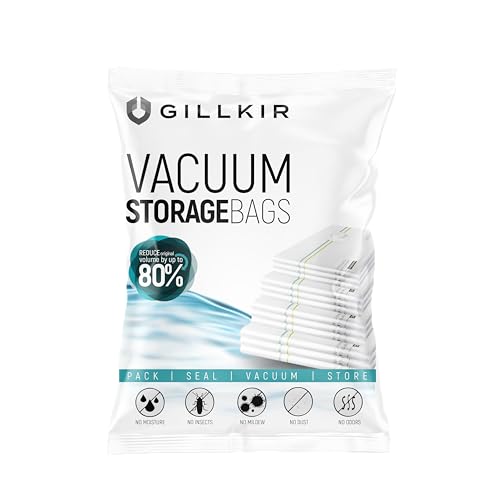
GILLKIR Vacuum Storage Bags Assorted 6-Pack, 3 Large and 3 Medium
Original price was: £9.99.£8.99Current price is: £8.99. *View On Amazon* - Vacuum Storage Bags
STORAGE MASTER Vacuum Storage Bags 12-Pack with Electric Pump
Original price was: £19.99.£11.99Current price is: £11.99. *View On Amazon* - Vacuum Storage Bags
Vacuum Storage Bag, Extra Large Mattress Bag 240 x 120 cm
£13.95 *View On Amazon* - Vacuum Storage Bags
O2frepak 200 Pack 20 x 30cm Food Vacuum Sealer Bags
Original price was: £25.99.£22.09Current price is: £22.09. *View On Amazon* - Vacuum Storage Bags
QH7 Small Vacuum Storage Bags, 6 Pack, 60 x 40 cm
Original price was: £9.99.£8.49Current price is: £8.49. *View On Amazon* - Vacuum Storage Bags
10 Pack Jumbo Vacuum Storage Bags 80 x 100cm
Original price was: £14.99.£12.74Current price is: £12.74. *View On Amazon* - Vacuum Storage Bags
12 Pack Vacuum Storage Bags for Travel with Hand Pump
Original price was: £12.99.£11.49Current price is: £11.49. *View On Amazon* - Vacuum Storage Bags
Vacuum Storage Bags 12 Pack with Wireless Electric Air Pump
£31.90 *View On Amazon* - Vacuum Storage Bags
Vacuum Storage Bags 6 Pack 100 x 80cm Extra Large Reusable Double Zip Seal
£10.99 *View On Amazon* - Vacuum Storage Bags
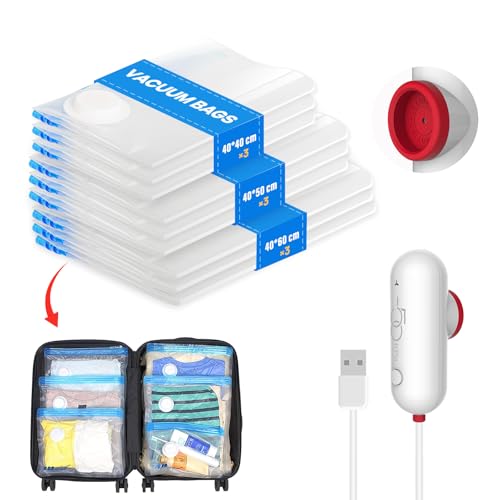
Vacuum Bags for Clothes 9 Piece Set with Air Pump (3 x 40 x 40, 3 x 40 x 50, 3 x 40 x 60)
£10.99 *View On Amazon* - Vacuum Storage Bags
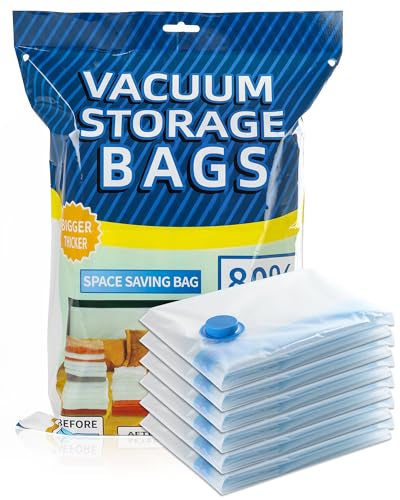
Vacuum Storage Bags 20 Pack – 4 Jumbo, 4 Large, 4 Midium, 4 Small, 4 Roll Bags
Original price was: £13.72.£11.66Current price is: £11.66. *View On Amazon* - Vacuum Storage Bags
TAILI Vacuum Storage Bags with Long Side Zip, 4 Pack, 100 x 70 cm
£14.99 *View On Amazon* - Vacuum Storage Bags
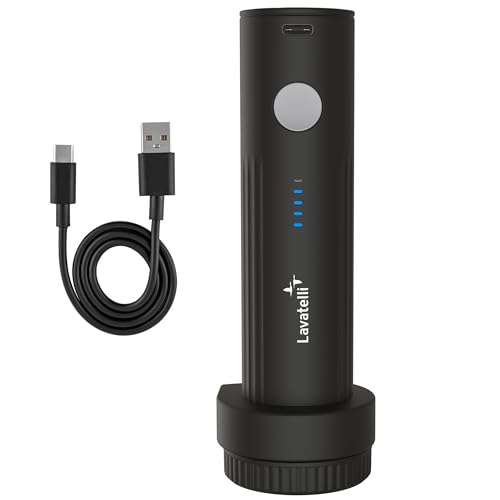
Lavatelli VAC-U-PUMP Wireless Electric Vacuum Pump for Storage Bags
£16.81 *View On Amazon* - Vacuum Storage Bags
LKV Vacuum Storage Bags with Electric Pump, 16 Pack
Original price was: £21.49.£18.27Current price is: £18.27. *View On Amazon* - Vacuum Storage Bags
Amazon Basics Roll-Up Travel Storage Bags, Zipper, 12 Pack, Transparent
£12.95 *View On Amazon* - Vacuum Storage Bags
ZFFAFUR No-Pump Vacuum Storage Bags 2-Pack Large
Original price was: £19.99.£15.99Current price is: £15.99. *View On Amazon*








How to Choose Vacuum Storage Bags
Vacuum storage bags are flexible, airtight containers designed to compress suitable soft items by removing the air surrounding them. This can reduce the volume taken up by clothing, bedding and household textiles, making cupboards, wardrobes and luggage easier to organise.
The right bag depends on what you need to store, how much space is available and whether you will use a vacuum cleaner, hand pump or roll-up compression method.
Measure the intended storage area and compare it with the bag’s compressed and uncompressed dimensions. The final size will vary according to the contents, how evenly they are packed and how much air can be removed.
Types of Vacuum Storage Bags
Standard Vacuum Storage Bags
Standard vacuum bags are filled through a zip-style opening and compressed through a valve using a compatible vacuum cleaner or pump.
They are available in a range of sizes for clothing, towels, blankets and bedding. A clear design can make the contents easier to identify without opening the bag.
Check whether the valve fits your vacuum cleaner hose or whether a separate pump is included.
Extra-Large Vacuum Bags
Extra-large bags are designed for bulky items such as duvets, pillows, blankets and larger quantities of clothing.
They can reduce the volume of soft items significantly, but the compressed bag may still be heavy and awkward to move.
Avoid overfilling. The contents should remain below the stated fill line so the zip and valve can seal correctly.
Underbed Vacuum Storage Bags
Underbed vacuum bags are shaped to fit beneath compatible bed frames and may include a protective outer case, handles or reinforced panels.
Measure the clearance beneath the bed, including central supports and low frame sections. Allow enough room to pull the bag out without scraping the floor or damaging the valve.
Wheeled or handled outer cases may make access easier where listed.
Hanging Vacuum Garment Bags
Hanging vacuum bags are designed to compress suitable coats, jackets, dresses and other clothing while they remain on hangers.
They can save wardrobe space and help protect garments from dust. However, heavy or structured clothing may lose its shape when tightly compressed.
Check the maximum garment length, hanger capacity and wardrobe height before ordering.
Roll-Up Compression Bags
Roll-up bags remove air as the bag is rolled, avoiding the need for a vacuum cleaner or pump.
They can be useful for travel, camping and packing clothing into suitcases. They are generally best suited to smaller, softer garments rather than bulky bedding.
Check whether the product is reusable and how the air-release channels should be positioned during rolling.
Vacuum Storage Bag Multipacks
Multipacks may contain several bag sizes for clothing, bedding and travel.
Check the number and dimensions of each bag rather than judging the pack by the total quantity alone. A mixed set can be useful when you need to store several different types of item.
Some packs also include a hand pump, clips or repair patches.
Important Buying Considerations
Bag Dimensions
Compare the bag length and width with both the contents and the intended storage location.
A bag must be large enough to close without forcing the zip, but not so oversized that it becomes difficult to store once compressed.
Remember that bulky contents may cause the bag to become thicker than expected even after air has been removed.
Intended Contents
Vacuum bags are generally designed for soft, dry textiles such as:
- Clothing
- Duvets
- Blankets
- Pillows
- Towels
- Bedding
- Soft furnishings
- Seasonal textiles
They are not suitable for every material or household item. Avoid sharp, rigid, damp or delicate contents that could damage the bag or be harmed by compression.
Valve Type
Some bags connect directly to a vacuum cleaner hose, while others use a supplied hand or electric pump.
Check the valve diameter, cap design and compatibility before purchase. A universal-looking fitting may not work with every vacuum cleaner.
The valve should close securely after the air has been removed.
Closure System
Most vacuum bags use a double zip or press-seal closure. The edges must be aligned and fully sealed for the bag to remain compressed.
Some packs include a plastic sealing clip that slides along the zip. Keep the clip safe, as it can make closing the bag more consistent.
Inspect the seal for trapped fabric, dust or creases before compression.
Material Thickness
Thicker materials may offer greater resistance to punctures and repeated use, although they can be less flexible.
Thin bags can be easier to fold and pack but may require more care around sharp wardrobe fittings, zips and storage-box edges.
Check whether reinforced seams or protective outer covers are included.
Reusability
Many vacuum storage bags are designed for repeated use, provided the zip, seams and valve remain undamaged.
Reusable does not mean the bag will last indefinitely. Replace it if it develops leaks, split seams or a valve that no longer seals.
Vacuum Bags or Storage Boxes
Vacuum bags can reduce the space taken up by soft textiles and are useful inside wardrobes, cupboards and suitcases.
Storage boxes provide a rigid structure and better protection from crushing, impact and sharp surroundings. They can also be easier to stack where designed for it.
A practical option is to place compressed vacuum bags inside compatible storage boxes. This combines space saving with additional physical protection.
Vacuum Bags or Fabric Storage Bags
Fabric storage bags are breathable, easy to access and suitable for clothing and bedding that should not remain tightly compressed.
Vacuum bags provide stronger dust protection and take up less room, but they can crease textiles and restrict airflow.
Choose fabric storage for items accessed regularly or materials that benefit from breathability. Use vacuum bags for suitable seasonal textiles where reducing volume is the main priority.
What Can Be Stored in Vacuum Bags?
Vacuum storage bags can be suitable for clean, completely dry:
- Seasonal clothing
- Spare bedding
- Synthetic duvets
- Blankets and throws
- Towels
- Soft cushions where permitted
- Children’s clothes
- Travel clothing
- Fabric decorations
- Some soft toys where suitable
Always check the care guidance for the item. Compression may affect filling, shape, insulation or decorative features.
What Should Not Be Stored in Vacuum Bags?
Vacuum storage bags may be unsuitable for:
- Damp or wet textiles
- Leather and suede
- Fur
- Feather-filled items where compression is not recommended
- Memory foam
- Structured hats
- Wedding dresses
- Delicate embroidery
- Vintage textiles
- Items with sharp zips or buckles
- Food
- Chemicals
- Electrical items
- Fragile decorations
- Important documents
Where an item is valuable, delicate or irreplaceable, use specialist storage advice rather than assuming vacuum compression is appropriate.
Storing Duvets and Pillows
Check the filling and manufacturer’s guidance before compressing duvets or pillows.
Synthetic-filled bedding may tolerate short or seasonal compression, depending on the product. Feather, down and specialist foam fillings can lose loft or shape when compressed for extended periods.
Make sure every item is clean and completely dry. Fold it evenly and avoid forcing too much bedding into one bag.
After removal, allow bedding time to regain its shape before use.
Storing Clothing
Wash and dry clothing thoroughly before packing it away. Stains, food residue and body oils can become harder to remove during long storage.
Fold garments neatly and place sharp zips, buckles or buttons towards the centre of the bundle so they do not puncture the bag.
Avoid tightly compressing structured jackets, tailored clothing or garments with delicate trims.
Label the bag by season, size or household member so the contents are easier to find later.
Storing Wool and Knitwear
Wool and knitwear can be compressed in some bags, but prolonged pressure may flatten fibres, create deep creases or distort the garment.
Check the care label and consider breathable storage for valuable wool, cashmere or handmade knitwear.
Clean garments before storage to reduce the risk of moth damage. A vacuum bag can restrict pest access, but it does not remove insects or eggs already present on the clothing.
Storing Soft Toys
Some washable soft toys may be suitable for short-term vacuum storage, provided they contain no rigid, electronic or delicate components.
Compression can affect stuffing, shape, fur texture and decorative features.
Check the care instructions and avoid storing valuable, collectible or sentimental toys in a tightly compressed bag.
Preparing Items for Vacuum Storage
Before packing:
- Wash or clean the items as directed
- Allow everything to dry completely
- Remove loose dirt and hair
- Empty pockets
- Close or cover sharp fastenings
- Fold items evenly
- Check for existing moth or pest activity
- Inspect the bag for holes or damage
- Confirm the item is suitable for compression
Do not add fragrance sprays, damp cloths or unsuitable pest-control products unless their instructions permit enclosed textile storage.
How to Fill a Vacuum Storage Bag
Open the zip fully and place folded items inside without exceeding the marked fill level.
Distribute the contents evenly so one area does not become excessively thick. Keep fabric away from the zip and valve.
Smooth the opening before sealing and remove as much trapped air from the top section as possible by hand.
Do not sit, kneel or stand on the bag to force additional items inside.
How to Seal the Bag
Align both sides of the closure and use the supplied sealing clip where provided.
Slide the clip firmly from one end to the other several times. Check the entire closure by pressing gently along its length.
Fabric, hair and dust trapped in the seal can allow air to return.
Keep the sealing clip with the bag or pack so it is available for future use.
How to Remove the Air
Remove the valve cap and attach the compatible vacuum hose or pump.
Hold the valve and hose securely while removing the air. Stop when the contents are compressed evenly and the bag has reached the recommended level.
Do not continue until rigid items, fastenings or corners place excessive pressure on the plastic.
Replace and tighten the valve cap immediately after removing the hose.
Avoiding Over-Compression
Removing too much air can increase pressure on seams, valves and the stored items.
Stop compressing if:
- The bag pulls tightly around sharp objects
- The zip begins to distort
- The seams appear stretched
- The contents become uneven
- Bedding filling looks heavily crushed
- The valve area bends or pulls
- The bag becomes difficult to move safely
The aim is to save space without damaging the bag or its contents.
Checking for Air Leaks
A small amount of expansion shortly after compression can indicate a poorly closed zip, loose valve or damaged bag.
Check:
- The complete zip closure
- The valve cap
- The area around the valve
- Seams and corners
- Punctures from fastenings
- Damage caused during storage
Reseal and recompress the bag if the product instructions allow it.
A bag that repeatedly inflates may need to be replaced.
Long-Term Storage
Check compressed bags periodically during longer storage.
Make sure the storage area remains dry, clean and free from leaks, condensation and pests. Vacuum bags are not a substitute for suitable environmental conditions.
Some fabrics benefit from being removed, aired and refolded during extended storage. Follow the item’s care instructions.
Avoid leaving delicate or heavily compressed textiles sealed for longer than recommended.
Vacuum Bags for Wardrobes
Vacuum bags can free space on wardrobe shelves or beneath hanging garments.
Place bags where the valve and zip will not rub against rails, screws or rough edges.
Avoid stacking heavy items on top unless the bag is protected by a suitable shelf or container.
Hanging vacuum bags should not overload the wardrobe rail.
Vacuum Bags for Underbed Storage
Underbed storage is useful for seasonal clothing and spare bedding, but the area should be clean, dry and free from sharp fittings.
Measure the gap beneath the bed after the bag is filled and compressed. Allow enough clearance to move it without dragging the valve across the floor.
A protective underbed case can help reduce punctures and dust.
Vacuum Bags for Lofts
Lofts can experience heat, cold, humidity and condensation. Vacuum bags may protect items from dust, but they are not guaranteed to prevent damage caused by unsuitable conditions.
Avoid storing valuable, heat-sensitive or moisture-sensitive textiles in a loft without checking the environment.
Place bags inside rigid boxes where appropriate and keep them away from roof leaks, sharp timber and exposed insulation.
Consider the safe load of the loft floor and access route.
Vacuum Bags for Moving Home
Vacuum bags can reduce the space taken up by clothing and bedding during a move.
Do not rely on the plastic bag alone to protect items from dragging, crushing or sharp objects. Place compressed bags inside boxes, suitcases or other suitable containers.
Label each bag clearly and avoid making it so heavy that it is difficult to lift safely.
Open and air the contents after the move where appropriate.
Vacuum Bags for Travel
Roll-up or compact vacuum bags can help organise clothing inside suitcases and separate clean and worn items.
Compression reduces volume but not weight. Check luggage weight limits before travelling.
Avoid tightly packing delicate garments that will crease heavily. Keep spare bags available for dirty laundry where useful.
Airline, ferry and transport security staff may need to inspect contents, so bags should remain practical to reopen and reseal.
Preventing Creases
Vacuum compression can create deep folds and wrinkles in clothing and bedding.
To reduce creasing:
- Fold items smoothly
- Avoid overfilling
- Place delicate garments on top
- Use larger bags
- Compress only as much as needed
- Store the bag flat
- Avoid prolonged compression
- Air or steam suitable garments after removal
Always follow the fabric care label before ironing or steaming.
Preventing Damp and Mould
Every item must be completely dry before it enters the bag.
Vacuum sealing damp fabrics can trap moisture and encourage mould, odours and permanent staining.
Store bags away from damp walls, leaking pipes and condensation. Check basements, garages and lofts carefully before using them for textile storage.
A sealed bag cannot correct an existing damp problem.
Protecting Bags from Punctures
Sharp items can pierce vacuum bags and allow air to return.
Protect the bag from:
- Clothing zips and buckles
- Bed frames
- Shelf brackets
- Rough wood
- Nails and screws
- Storage-box edges
- Pet claws
- Jewellery
- Metal hangers
- Sharp toys or decorations
Turn fastenings inwards and use a rigid outer container where the storage area contains rough surfaces.
Preventing Pest Damage
Vacuum bags can create a physical barrier against some pests, but they do not kill moth eggs, larvae or insects already present in textiles.
Clean and inspect clothing before packing. Treat existing infestations using an appropriate method before storage.
Keep bags away from rodents and pets that may chew the plastic.
Inspect long-term storage periodically for damage or signs of pest activity.
Vacuum Storage Bags Around Children
Large plastic bags can present a serious suffocation risk.
Keep unused and filled bags away from babies and children. Do not allow children to play with, climb inside or place the material over their heads.
Store loose valve caps, sealing clips and pumps securely because small parts may present choking hazards.
Dispose of damaged bags safely.
Vacuum Storage Bags Around Pets
Pets may scratch, chew or puncture the bag.
Keep compressed bags away from animals and do not use them to store pet food, medicines or hazardous items.
Inspect bags stored under beds or in accessible cupboards if pets can reach those areas.
Seek veterinary advice if an animal swallows plastic or a small component.
Reopening Vacuum Storage Bags
Release the valve or open the closure according to the product instructions.
Allow air to enter gradually before pulling the zip apart. Forcing open a tightly compressed bag can damage the closure.
Remove items carefully and allow them to expand, air and regain shape.
Inspect clothing and bedding before use, particularly after long storage.
Cleaning Vacuum Storage Bags
Empty the bag and remove loose fibres or dust.
Wipe it using a method approved by the manufacturer. Do not machine wash, tumble dry or apply harsh chemicals unless the product specifically permits it.
Allow the interior and exterior to dry completely before reusing or folding the bag.
Check the zip and valve for debris that could affect the next seal.
Folding and Storing Empty Bags
Make sure the bag is clean and completely dry before folding.
Leave the valve open where the product instructions recommend it and avoid creating hard creases across the valve or zip.
Store bags flat in a clean cupboard or inside a suitable container. Keep pumps, sealing clips and instructions together.
Avoid placing heavy objects on folded bags, as this can damage the valve or seams.
When to Replace a Vacuum Storage Bag
Replace the bag if it has:
- Punctures or tears
- Split seams
- A damaged zip closure
- A cracked valve
- A missing valve cap
- Persistent air leakage
- Cloudy or brittle plastic
- Mould or odours that cannot be removed
- Damage caused by heat
- Areas stretched too thinly
Repair patches may work for minor damage where supplied, but bags with failed seams or valves are unlikely to remain reliably airtight.
Useful Vacuum Storage Accessories
Useful additions may include:
- Hand pumps
- Electric vacuum pumps
- Sealing clips
- Repair patches
- Labels
- Underbed cases
- Storage boxes
- Wardrobe organisers
- Garment covers
- Moisture-monitoring products
Check valve and product compatibility before buying a separate pump.
Use moisture-control products only according to their own instructions and keep them away from children and pets.
Why Buy Vacuum Storage Bags from YPC?
At YPC, we understand active lifestyles and the need for practical products that work in real use. Our Vacuum Storage Bags category makes it easier to compare standard, extra-large, underbed, hanging and travel compression designs.
Browse the available options and compare dimensions, valve type, closure system, materials and included accessories to find vacuum bags suited to your clothing, bedding and available storage space.
Frequently Asked Questions
What can be stored in vacuum storage bags?
They can suit clean, completely dry clothing, bedding, blankets, towels and other compressible textiles. Check the item guidance before storing delicate or specialist materials.
Can duvets be stored in vacuum bags?
Some synthetic duvets can be stored this way, but feather, down and specialist fillings may be damaged by prolonged compression. Follow the manufacturer’s care instructions.
Why does my vacuum storage bag keep inflating?
The zip may not be fully sealed, the valve cap may be loose or the bag may have a puncture. Inspect each area and replace damaged bags.
Do vacuum storage bags make luggage lighter?
No. They reduce the space occupied by clothing but do not reduce its weight. Always check your luggage allowance.
How long can clothes remain vacuum packed?
This depends on the fabric, product and storage conditions. Inspect items periodically and avoid prolonged compression of delicate, structured or specialist garments.
 Getting ready for Summer? View our Home and Garden Products

Heading outdoors this winter? Take a look at our Outdoor Clothing.