
Fabric Conditioners
Fabric Conditioners for Softer, Fresher Laundry
Fabric conditioners are added during the rinse cycle to help soften suitable clothing, bedding and household fabrics. Depending on the product, they may also add fragrance, reduce static and make some garments easier to iron.
Browse concentrated fabric conditioners, sensitive formulas, fragrance-free options and products in a range of scents and pack sizes. Compare each option by its fabric suitability, recommended dose, fragrance strength, number of washes and washing-machine instructions.
Explore Fabric Conditioners at YPC to find practical options for everyday laundry, bedding, clothing and other suitable washable fabrics.
- Fabric Conditioners
Comfort Creations Peony & Rose Fabric Conditioner 8 x 900 ml
£30.00 *View On Amazon* - Fabric Conditioners
Ecover Fabric Softener Apple Blossom & Almond 2 x 47 Washes
Original price was: £12.00.£8.32Current price is: £8.32. *View On Amazon* - Fabric Conditioners
Fabulosa Fragranced Laundry Fabric Softener, Cotton Fresh, 6 Pack, 198 Washes
£16.91 *View On Amazon* - Fabric Conditioners
Fairy Silk Tree Blossom & Jasmine Fabric Conditioner 1829ml, 59 Washes
Original price was: £12.45.£9.99Current price is: £9.99. *View On Amazon* - Fabric Conditioners
Dr. Beckmann Fabric Conditioner Sheets Fresh Blossom, 14 Sheets
£3.15 *View On Amazon* - Fabric Conditioners
INEOS Next-Gen Long Lasting Fabric Conditioner Sea Minerals + Wild Jasmine (50 Washes)
£5.00 *View On Amazon* - Fabric Conditioners
Ecover Fabric Softener Refill 5L, 166 Washes, Fresh Apple Blossom & Almond Scent
Original price was: £21.59.£20.49Current price is: £20.49. *View On Amazon* - Fabric Conditioners
Ecover Concentrated Fabric Softener Fresh Vanilla & Gardenia Scent 1.43L
Original price was: £6.00.£4.16Current price is: £4.16. *View On Amazon* - Fabric Conditioners
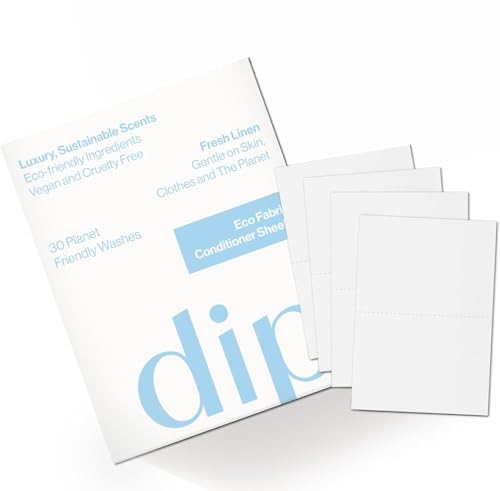
Eco-Friendly Fabric Conditioner Sheets, Plant-Based, 30 Sheets
£9.90 *View On Amazon* - Fabric Conditioners
Ecover Fabric Softener Refill 5L, Fresh Gardenia & Vanilla Scent
£12.10 *View On Amazon* - Fabric Conditioners
Dr. Beckmann Fabric Conditioner Sheets Sensitive, 14 Sheets
£3.15 *View On Amazon* - Fabric Conditioners
Fairy Outdoorable Fabric Softener Cherry Blossom & Nordic Cotton, 86 Washes, 1.204L
Original price was: £5.50.£5.00Current price is: £5.00. *View On Amazon* - Fabric Conditioners
Dr. Beckmann Fabric Conditioner Sheets Fresh Breeze, 14 Sheets
£3.00 *View On Amazon* - Fabric Conditioners
Comfort Creation Concentrated Fabric Conditioner Apple Blossom 900 ml, 30 Washes
£13.76 *View On Amazon* - Fabric Conditioners
Marcel’s Green Soap Fabric Conditioner Peach & Jasmine 750 ml
£6.06 *View On Amazon* - Fabric Conditioners
Dr. Beckmann Fabric Conditioner Sheets Tropical Garden 14 Sheets
£3.49 *View On Amazon* - Fabric Conditioners
Asevi Fabric Conditioner Liquid, 60 Washes, Multipack of 10 x 1380ml (Blue)
£28.43 *View On Amazon* - Fabric Conditioners
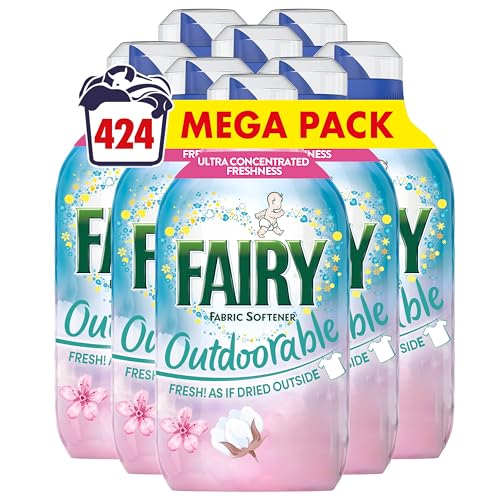
Fairy Outdoorable Fabric Conditioner, Cherry Blossom and Nordic Cotton, 424 Washes (8×53), Ultra Concentrated Formula For Sensitive Skin, Dermatologically Tested
Original price was: £40.00.£38.40Current price is: £38.40. *View On Amazon* - Fabric Conditioners
Lenor Outdoorable Fabric Conditioner 440 Washes 770 ml Northern Solstice
£29.63 *View On Amazon* - Fabric Conditioners
Comfort Perfume Creations Tropical Lily Fabric Conditioner 1.44 L, 48 Washes
£3.75 *View On Amazon* - Fabric Conditioners
Comfort Pure Dreams Cashmere Soft Sensitive Fabric Conditioner 30 Washes 900 ml Pack of 2
£5.10 *View On Amazon*






How to Choose a Fabric Conditioner
Fabric conditioner, sometimes called fabric softener, is added to the final rinse rather than the main wash. It coats suitable fibres to help them feel softer and may reduce static, creasing or friction, depending on the formulation.
The right product depends on the fabrics you wash, your fragrance preferences, household sensitivities and the type of washing machine you use.
Always check both the garment care label and the product instructions. Fabric conditioner is not suitable for every material and should not be used as a replacement for laundry detergent.
What Does Fabric Conditioner Do?
Fabric conditioner is primarily used to change how suitable fabrics feel after washing. Some formulas may help:
- Soften clothing and bedding
- Add a lasting or light fragrance
- Reduce static in certain synthetic fabrics
- Make some garments easier to iron
- Reduce friction between fibres
- Help laundry feel smoother after drying
The results depend on the product, fabric, dosage, wash programme and drying method.
Fabric conditioner does not clean clothing, remove stains or disinfect laundry unless a separate, clearly stated claim is provided.
Types of Fabric Conditioner
Concentrated Fabric Conditioners
Concentrated conditioners provide multiple doses from a smaller bottle. They can be useful where cupboard space is limited or when you want to reduce the amount of liquid used per wash.
Accurate measuring is important because concentrated formulas require smaller doses. Using too much may leave residue, affect absorbency or create a stronger fragrance than intended.
Follow the cap markings or measuring instructions supplied with the product.
Standard Liquid Fabric Conditioners
Standard liquid conditioners are added to the washing-machine dispenser or used during hand rinsing where permitted.
Compare the bottle volume with the recommended dosage and stated number of washes. Two bottles of the same size may provide a different number of applications if their concentration levels vary.
Keep the cap clean and replace it securely after use.
Sensitive Fabric Conditioners
Sensitive conditioners may use reduced fragrance, fewer dyes or formulas intended for households seeking a gentler laundry option.
Terms such as sensitive, hypoallergenic or dermatologically tested should only be relied upon where they are clearly stated by the manufacturer.
Individual reactions can still occur. Check the full product details if anyone in the household has known allergies or skin sensitivities.
Fragrance-Free Fabric Conditioners
Fragrance-free products may suit people who prefer laundry without added scent or who are sensitive to strongly fragranced products.
Fragrance-free does not necessarily mean free from every potential irritant. Review the listed ingredients and product claims where this information is important.
Scented Fabric Conditioners
Scented conditioners are available in a wide variety of fragrances, from fresh and floral options to richer or longer-lasting scents.
Fragrance strength can vary considerably. A product described as concentrated or long lasting may produce a stronger scent, particularly when used at the maximum recommended dose.
Choose according to household preference rather than assuming a stronger fragrance means better fabric care.
Fabric Conditioner Sheets and Alternative Formats
Some fabric-softening products are supplied as dryer sheets, beads or other formats rather than rinse-cycle liquids.
These products work differently and should be used only according to their individual instructions. Dryer sheets, for example, are intended for compatible tumble dryers rather than the washing-machine conditioner compartment.
Check the format carefully before ordering.
Fabric Conditioner or Laundry Detergent
Laundry detergent removes dirt, oils and stains during the wash cycle. Fabric conditioner is used later to soften suitable fabrics or add fragrance.
The two products have different purposes and are normally placed in separate washing-machine compartments.
Fabric conditioner should never be poured into the detergent section unless the appliance or product instructions specifically direct this. It should also not be used alone to clean clothing.
Important Buying Considerations
Fabric Suitability
Not every fabric benefits from conditioner. Check the care label before use, especially for:
- Towels
- Microfibre cloths
- Sportswear
- Base layers
- Waterproof clothing
- Flame-resistant garments
- Baby sleepwear
- Wool and silk
- Stretch fabrics
- Technical outdoor clothing
Some conditioners can coat fibres and affect absorbency, breathability, moisture management or specialist finishes.
Fragrance Strength
Consider whether you prefer a noticeable scent, a subtle fragrance or no added fragrance.
Strongly scented products may not suit everyone, particularly when used on bedding, baby clothing or garments worn close to the skin.
Fragrance does not indicate how well the product softens fabrics.
Concentration and Dosage
Concentrated conditioners usually require a smaller amount per wash. Check the recommended dose for the load size and desired fragrance level.
Do not exceed the stated maximum. Extra conditioner can leave residue, reduce absorbency and contribute to build-up inside the washing machine.
Number of Washes
The stated number of washes is normally based on a particular dose. The actual number you achieve may vary according to load size and how much product you use.
Compare the dose per wash rather than judging value by bottle size alone.
Washing Method
Check whether the product is suitable for automatic washing machines, hand washing or both.
For hand washing, the conditioner should normally be diluted in the final rinse water rather than poured directly onto the fabric. Follow the supplied instructions carefully.
Using Fabric Conditioner Correctly
Measure the recommended amount using the bottle cap or another supplied measuring device.
Pour it into the washing machine’s fabric-conditioner compartment, which is commonly marked with a flower symbol. Do not fill beyond the maximum line.
The machine releases the product during the rinse cycle. Adding it directly to the drum may cause concentrated liquid to contact clothing and leave marks unless the product specifically permits this method.
Clean the dispenser regularly to prevent thickened product and residue from blocking the compartment.
Can Fabric Conditioner Be Used on Towels?
Fabric conditioner can make towels feel softer, but frequent use may coat the fibres and reduce their ability to absorb water.
Some households choose to use a smaller amount, use it occasionally or avoid it completely on towels.
Follow the towel care label and product guidance. Avoid overdosing, as residue can make towels feel waxy or less absorbent.
Fabric Conditioner and Microfibre
Fabric conditioner is often unsuitable for microfibre cloths, mop heads, sports towels and other microfibre products.
The conditioning ingredients can coat the fine fibres and reduce their ability to collect dust, absorb moisture or clean surfaces effectively.
Wash microfibre products according to their individual care labels. Many recommend avoiding fabric conditioner completely.
Fabric Conditioner and Sportswear
Performance clothing may use fibres and treatments designed to move moisture away from the skin. Fabric conditioner can sometimes coat these materials and reduce their intended performance.
Check the garment care label before use on gym clothing, running tops, base layers and technical sportswear.
A specialist sports detergent may be more suitable for some garments, but it should still be chosen according to the manufacturer’s instructions.
Waterproof and Outdoor Clothing
Waterproof jackets, trousers and other technical garments may have breathable membranes or water-repellent treatments.
Ordinary fabric conditioner can affect these finishes and is often not recommended. Use only laundry products specifically approved for the garment.
Check the manufacturer’s cleaning and reproofing instructions before washing outdoor clothing.
Flame-Resistant Clothing
Fabric conditioner may reduce the performance of some flame-resistant or flame-retardant fabrics.
This can be particularly important for certain children’s sleepwear, workwear and specialist protective garments.
Follow the clothing label exactly and do not use conditioner where it is prohibited.
Wool, Silk and Delicate Fabrics
Wool, silk and other delicate fabrics can require specialist washing products and gentle programmes.
Do not assume that a conditioner described as gentle or sensitive is suitable. Check whether the product is specifically approved for the material.
Some garments should be hand washed or professionally cleaned rather than placed in a standard machine cycle.
Baby and Children’s Clothing
Choose laundry products according to the garment care label and your household’s sensitivity requirements.
Avoid overdosing and make sure the conditioner is used in the correct dispenser compartment. Products labelled sensitive still need to be stored and handled safely.
Check flame-resistant children’s clothing carefully, as fabric conditioner may not be suitable.
Fabric Conditioner and Static
Some fabric conditioners are formulated to reduce static in compatible synthetic clothing and bedding.
Static can also be influenced by fabric type, tumble drying, low humidity and overdrying.
Check the product description for a specific anti-static claim rather than assuming every conditioner provides the same effect.
Fabric Conditioner and Ironing
Conditioned fabrics may feel smoother and can be easier to iron, depending on the garment and product.
This does not mean every fabric should be conditioned. Technical clothing, microfibre and absorbent materials may be adversely affected.
Always follow the care label for ironing temperature and laundry-product suitability.
Avoiding Fabric Conditioner Residue
Residue can result from using too much product, filling the dispenser beyond its limit or allowing conditioner to thicken inside the drawer.
Signs can include:
- Waxy or greasy marks
- Strong lingering fragrance
- Reduced towel absorbency
- A blocked dispenser
- Sticky residue inside the machine
- Clothing that feels coated
Use the recommended dose and dilute only where the instructions permit it.
Clean the drawer and siphon section according to the washing-machine manual.
Can Fabric Conditioner Be Diluted?
Some thick or concentrated products may be diluted according to the manufacturer’s instructions. Others should be used directly at the stated dose.
Do not add water to the main bottle unless the packaging specifically recommends it. Introducing water can affect the formulation or storage life.
Where dilution is permitted, prepare only the required amount and use clean measuring equipment.
Fabric Conditioner in Different Washing Machines
Most standard machines have a dedicated conditioner compartment. The symbol and capacity can vary, so check the appliance manual if you are unsure.
Automatic dosing systems may require approved products or specific settings.
Do not place ordinary liquid conditioner in a tumble dryer, detergent pod compartment or direct-dose cartridge unless it is designed for that system.
Hand Washing with Fabric Conditioner
Where hand use is permitted, add the measured conditioner to clean final-rinse water and distribute it thoroughly.
Do not pour concentrated conditioner directly onto clothing. Allow garments to rinse according to the instructions and handle delicate items gently.
Wear gloves if you experience skin irritation and wash your hands after handling concentrated products.
Fabric Conditioner Safety
Keep fabric conditioner in its original labelled container and close the cap securely after every use.
Store it:
- Away from children and pets
- Separately from food and drink
- Upright to reduce leaks
- Away from heat and direct sunlight
- In a dry household cupboard
- Away from unlabelled containers
Do not swallow fabric conditioner or allow concentrated liquid to contact the eyes.
Follow the packaging guidance if exposure occurs and seek appropriate medical advice where required.
Using Fabric Conditioner Around Pets
Keep bottles and measured doses away from pets. Do not use fabric conditioner directly on animal bedding, coats or accessories unless the product and item guidance confirm suitability.
Strong fragrances may not suit every animal or household.
Make sure treated bedding is washed, rinsed and completely dry before returning it to use.
Mixing Fabric Conditioner with Other Products
Fabric conditioner should not be mixed directly with laundry detergent, bleach, stain remover or household cleaning chemicals.
Each product should be placed in its correct machine compartment and used according to its own instructions.
Mixing products in a bottle, measuring cap or dispenser can cause reactions, residue or reduced performance.
Storing Fabric Conditioner
Store bottles upright and check that the cap is fully closed. Wipe away drips before returning the product to a shelf.
Avoid storing conditioner in very cold or hot conditions, as temperature changes may affect its consistency.
Do not transfer the liquid into drinks bottles, decorative containers or unlabelled dispensers.
Keep the measuring cap with the correct product to prevent dosing errors.
Cleaning the Washing-Machine Dispenser
Fabric conditioner can collect inside the dispenser drawer and siphon if it is overdosed or left for long periods.
Remove and clean the drawer according to the washing-machine instructions. Warm water and a suitable small brush may help clear accessible residue.
Do not force tools into internal machine parts or use harsh chemicals unless the appliance manufacturer permits them.
Allow the drawer to dry before replacing it where recommended.
Environmental Considerations
Using the correct dose helps reduce unnecessary product use and prevents excess conditioner entering wastewater.
Concentrated products and refill formats may use less packaging or storage space, depending on the individual product.
Environmental, biodegradable or plant-based claims should be assessed using the specific information supplied by the manufacturer.
A fragrance-free or concentrated product is not automatically more environmentally responsible without supporting details.
When Not to Use Fabric Conditioner
Avoid fabric conditioner when the garment or product care label advises against it.
This can commonly apply to:
- Microfibre cleaning products
- Some towels
- Waterproof garments
- Breathable sportswear
- Flame-resistant clothing
- Specialist workwear
- Certain baby garments
- Technical outdoor equipment
Leaving conditioner out is better than risking damage to the fabric or reducing its intended performance.
Why Buy Fabric Conditioners from YPC?
At YPC, we understand active lifestyles and the need for practical products that work in real use. Our Fabric Conditioners category makes it easier to compare concentrated, sensitive, fragranced and fragrance-free options for suitable household laundry.
Browse the available products and compare fragrance, dosage, fabric compatibility and stated number of washes to find a conditioner suited to your laundry routine.
Frequently Asked Questions
What is the difference between fabric conditioner and detergent?
Laundry detergent cleans clothing during the wash cycle. Fabric conditioner is added during rinsing to soften or fragrance suitable fabrics.
Can fabric conditioner be used on towels?
It can soften towels, but frequent or excessive use may reduce absorbency. Check the towel care label and use only the recommended amount.
Should I use fabric conditioner on microfibre cloths?
Usually not. Conditioner can coat microfibre and reduce its absorbency and cleaning performance. Follow the cloth’s care instructions.
Where does fabric conditioner go in a washing machine?
It normally goes into the dispenser compartment marked with a flower symbol. Check the washing-machine manual and do not exceed the maximum line.
Can fabric conditioner be used on sportswear?
Only where the garment care label permits it. Conditioner may affect moisture-management fibres and specialist performance finishes.
 Getting ready for Summer? View our Home and Garden Products

Heading outdoors this winter? Take a look at our Outdoor Clothing.