
Laundry Colour Catchers
Laundry Colour Catchers for Mixed Wash Loads
Laundry colour catchers are designed to trap loose dyes released into wash water, helping to reduce unwanted colour transfer between suitable garments. They can be useful when washing mixed colours, new clothing or fabrics that may release dye, although they do not replace correct laundry sorting.
Browse disposable colour catcher sheets, reusable dye-trapping cloths and specialist laundry products for different load sizes. Compare options by their intended use, number of sheets, reusability, washing-temperature guidance and recommended quantity per load.
Explore Laundry Colour Catchers at YPC to find practical options for protecting suitable clothing and simplifying everyday mixed-colour washing.
- Laundry Colour Catchers
Eco-Friendly Laundry Detergent Sheets with Colour & Dirt Catcher, 60 Sheets
£18.99 *View On Amazon* - Laundry Colour Catchers
Eco-Friendly Laundry Detergent Sheets, 30 Sheets, Up to 60 Washes, with Colour & Dirt Catcher Sheets
£9.99 *View On Amazon* - Laundry Colour Catchers
Pet Hair Remover for Laundry, Reusable Floating Lint Mesh Bag (3 Pack), White
£2.99 *View On Amazon* - Laundry Colour Catchers
Colour Catcher Washing Machine Laundry Sheets, 100pcs
£3.59 *View On Amazon* - Laundry Colour Catchers
Eco-Friendly Colour & Dirt Catcher Laundry Sheets, 90 Sheets, Max Protect Technology
£13.99 *View On Amazon* - Laundry Colour Catchers
Eco-Friendly Colour & Dirt Catcher Laundry Sheets, 120 Sheets
£14.99 *View On Amazon* - Laundry Colour Catchers
Colour Catch Sheets for Laundry, 160 Count, No Fragrance
£11.49 *View On Amazon* - Laundry Colour Catchers
8 Pcs Washing Balls Lint Filters for Laundry, Random Colour
£6.99 *View On Amazon* - Laundry Colour Catchers
OFFIGAM Reusable Laundry Color Catcher Sheets, 120pcs, Beige
£11.09 *View On Amazon* - Laundry Colour Catchers
Fabric Sheets Revives Black and Dark 2 Pack Laundry Color Catcher Sheets
£7.69 *View On Amazon*


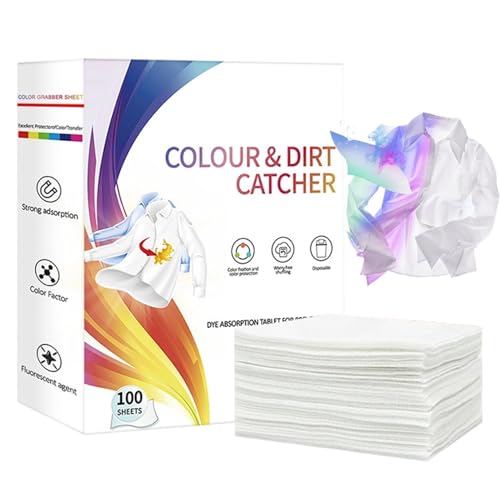


How to Choose Laundry Colour Catchers
Laundry colour catchers are added to the washing machine to help collect loose dye released by fabrics during a wash. This can reduce the amount of colour that settles onto other garments, depending on the product, fabric and washing conditions.
They can be particularly useful for mixed-colour loads, newly purchased clothing and garments that may release small amounts of dye. However, no colour catcher can guarantee complete protection against severe colour running.
Always check the garment care labels, sort unsuitable colours separately and follow the colour catcher instructions carefully.
What Do Laundry Colour Catchers Do?
During washing, some fabrics release dye into the surrounding water. A colour catcher is designed to attract and hold part of this loose colour before it transfers onto other garments.
Depending on the product, colour catchers may help:
- Reduce accidental colour transfer
- Support mixed-colour washing
- Protect lighter items from loose dye
- Make new coloured garments easier to manage
- Show how much colour has been released
- Reduce the need to separate every similar shade
They do not remove existing dye stains and should not be treated as a substitute for garment care instructions.
Types of Laundry Colour Catchers
Disposable Colour Catcher Sheets
Disposable colour catcher sheets are placed inside the washing-machine drum with the laundry. They are designed for a single wash and are discarded afterwards.
The sheet may become visibly coloured as it collects loose dye. The amount of colour shown does not necessarily indicate how much would otherwise have transferred onto clothing.
Check the recommended number of sheets for the load size, colour intensity and type of garments being washed.
Reusable Colour Catcher Cloths
Reusable colour catcher cloths are designed to be used for several washes where stated by the manufacturer.
They may need to be rinsed, washed or dried between uses. Their effectiveness can reduce over time, so follow the guidance on replacement and maximum use.
Check whether the cloth must be washed separately before its first use.
Colour Catchers for Dark or Bright Laundry
Some products are marketed for dark, vivid or mixed-colour loads. They may be intended for garments more likely to release noticeable dye.
Check the manufacturer’s stated use rather than relying only on packaging colour or product name.
Bright red, dark blue, black and strongly dyed new garments may still need to be washed separately, particularly during their first few washes.
Combined Colour and Dirt Catchers
Some sheets are designed to collect both loose dye and certain suspended dirt particles during washing.
The exact function varies between products. Check the visible claims and instructions rather than assuming every colour catcher offers the same performance.
These products still require a suitable laundry detergent.
Important Buying Considerations
Disposable or Reusable
Disposable sheets provide a fresh product for each wash and require no cleaning afterwards. They create more waste and need regular replacement.
Reusable cloths may reduce repeated purchases, but they require care between washes and eventually need replacing.
Choose according to your laundry routine, storage preferences and the product’s stated lifespan.
Number of Sheets per Wash
Some loads require one sheet, while larger or strongly coloured washes may need more.
Follow the manufacturer’s dosage guidance. Using too few sheets may reduce performance, while adding unnecessary sheets increases cost without guaranteeing better protection.
Check whether the recommendation changes for new garments or heavily coloured fabrics.
Load Size
A small mixed wash may release less dye than a full drum of dark or brightly coloured clothing.
Do not overload the washing machine. Laundry needs enough room to move so water, detergent and any colour-catching product can circulate properly.
Follow both the washing-machine load guidance and the instructions supplied with the colour catcher.
Washing Temperature
Colour catcher suitability can vary by washing temperature and programme.
Check whether the product is designed for cool, warm or higher-temperature washes. A sheet may not dissolve or perform correctly if used outside the recommended conditions.
The garment care label should always determine the maximum suitable temperature.
Fabric Suitability
Colour catchers may be suitable for many everyday washable fabrics, but specialist garments can have additional requirements.
Take care with:
- Wool
- Silk
- Delicate fabrics
- Waterproof clothing
- Technical sportswear
- Flame-resistant garments
- Dry-clean-only items
- Heavily embellished clothing
- Hand-dyed fabrics
Follow the clothing manufacturer’s instructions before adding any laundry treatment.
Colour Catchers or Sorting Laundry
Colour catchers can provide additional protection, but correct sorting remains the safest approach for reducing dye transfer.
Whites should generally be washed separately from dark and strongly coloured garments. Pale colours, dark clothing and new vivid items may also benefit from separate loads.
A colour catcher may be useful when combining established colours that have been washed before, provided their care labels and washing temperatures are compatible.
Do not rely on a sheet to protect white clothing from a new red, black or dark-blue garment known to release dye.
Washing New Coloured Clothes
New clothing may release more dye during its first few washes. Dark denim, strong reds, navy garments and heavily dyed fabrics can be particularly prone to colour loss.
Check the care label for instructions such as washing separately, washing with similar colours or turning the garment inside out.
A colour catcher can be added where suitable, but it does not override instructions to wash the item separately.
Inspect the garment and sheet after washing before mixing the item with lighter clothes in future loads.
Using Colour Catchers with Mixed Loads
Mixed-colour loads should contain garments with compatible care instructions, fabrics and wash temperatures.
A practical mixed wash might include established mid-toned and darker clothing that has already been washed several times without noticeable colour running.
Avoid combining:
- Whites with strong dark colours
- New red garments with pale clothing
- Heavily soiled items with delicate fabrics
- Hot-wash items with cool-wash garments
- Lint-producing fabrics with lint-attracting materials
A colour catcher can reduce risk, but it cannot correct unsuitable laundry combinations.
How to Use Laundry Colour Catchers
Always follow the instructions on the individual pack. A typical method may involve:
- Placing the recommended number of sheets inside the empty drum.
- Adding the sorted laundry.
- Adding a suitable laundry detergent.
- Selecting the correct washing programme.
- Removing the sheet when the cycle finishes.
- Disposing of or caring for it as instructed.
Some products may be placed on top of the laundry rather than beneath it. Follow the supplied directions rather than assuming every sheet is used in the same way.
Where Should a Colour Catcher Go?
Most colour-catching sheets and cloths are placed directly inside the washing-machine drum.
They should not normally be placed inside the detergent or fabric-conditioner drawer unless the product specifically instructs this.
Make sure the sheet can move freely within the load. Avoid trapping it inside a garment, washing bag or duvet cover unless directed.
Remove the product promptly after the wash so it does not remain damp inside the machine.
Can Colour Catchers Replace Laundry Detergent?
No. Colour catchers do not clean clothing or remove everyday dirt, oils and stains.
Use a suitable laundry detergent in the normal way. The colour catcher performs a separate role by collecting some of the loose dye present in the wash water.
Do not reduce or increase detergent dosage simply because a colour catcher is being used unless the product instructions advise it.
Can Colour Catchers Remove Existing Dye Stains?
Colour catchers are intended to help reduce dye transfer during washing. They do not normally remove discolouration that has already set into fabric.
If clothing has been accidentally dyed, avoid tumble drying or ironing it until you have considered an appropriate treatment. Heat can make some transferred colour more difficult to remove.
Choose a colour-run remover only where it is suitable for the affected fabric and follow its instructions carefully.
Colour Catchers and White Laundry
Washing whites separately remains the safest method for maintaining their appearance.
A colour catcher should not be relied upon to protect white garments in a load containing new, strongly dyed or known colour-running items.
Where a lightly coloured item is accidentally included, a sheet may collect some loose dye, but complete protection cannot be guaranteed.
Follow the care labels and separate whites whenever practical.
Colour Catchers and Dark Clothing
Dark garments can release dye, especially when new or washed at higher temperatures.
Colour catchers may help reduce dye settling onto lighter parts of mixed garments or other clothing within the load.
Use a suitable detergent for dark colours where appropriate and wash similar shades together. Turning garments inside out may also help reduce visible surface wear, depending on the care instructions.
Colour Catchers and Denim
New denim can release significant amounts of indigo dye. Wash jeans separately or with similar dark colours where the care label recommends it.
A colour catcher may become heavily coloured during a denim wash, but this does not mean the jeans are ready to be safely washed with pale garments next time.
Continue following the manufacturer’s guidance and monitor colour release over repeated washes.
Colour Catchers and Delicate Fabrics
Wool, silk, lace and delicate garments may require hand washing, a specialist detergent or professional cleaning.
Do not assume a colour catcher makes it safe to combine delicate materials with an ordinary mixed wash.
Check whether the product is suitable for the washing method and fabric. Avoid adding laundry treatments to dry-clean-only garments.
Hand Washing with Colour Catchers
Some colour catchers may be suitable for hand washing, but this must be confirmed on the packaging.
Where permitted, use the correct amount of water, detergent and colour-catching product. Keep the sheet moving within the water where instructed.
Do not allow concentrated dye from one garment to sit against another item.
Wear gloves where appropriate and rinse garments according to their care labels.
Colour Catchers and Quick Wash Programmes
Quick programmes use less time and may use different amounts of water than standard cycles.
Check whether the colour catcher is suitable for short washes and whether the sheet can circulate freely within the selected load.
Quick washing may not be appropriate for heavily soiled clothing, large loads or fabrics that need more thorough rinsing.
Use the washing-machine and garment guidance when choosing the programme.
Avoiding Colour Transfer
Colour catchers work best as part of a broader laundry routine.
To reduce colour transfer:
- Separate whites, lights and darks
- Wash new strong colours separately
- Follow garment care labels
- Use a suitable wash temperature
- Avoid overloading the machine
- Remove laundry promptly after washing
- Do not leave wet garments piled together
- Check pockets for coloured paper or materials
- Use the correct amount of detergent
- Test uncertain fabrics separately
These steps can be more important than relying on a colour-catching sheet alone.
Can Colour Catchers Prevent Fading?
Colour catchers are intended to collect loose dye in the wash water. They cannot stop dye leaving the garment in the first place.
Fading can be influenced by:
- Wash temperature
- Detergent choice
- Friction
- Sunlight
- Tumble drying
- Repeated washing
- Fabric and dye quality
- Bleaching ingredients
Wash clothing according to the care label and use products suited to colours where appropriate.
What Does a Coloured Sheet Mean?
A sheet that changes colour has collected dye released during washing.
The shade and intensity can vary depending on the garments, water, detergent and washing conditions.
A darkened sheet does not prove that the entire amount would have transferred to other clothing. It simply shows that loose colour was present in the wash water.
Continue sorting laundry carefully even if colour catchers have worked well in previous loads.
Preventing Sheets from Becoming Trapped
Colour catcher sheets can occasionally become caught inside sleeves, trouser legs, fitted sheets or duvet covers.
Spread larger items loosely in the drum and avoid tightly packing the machine.
Check inside garments and bedding when unloading the wash. Remove the colour catcher before transferring laundry to a tumble dryer.
Do not intentionally place the sheet inside a washing bag unless the product instructions recommend it.
Colour Catchers and Tumble Dryers
Colour catchers are normally intended for washing machines and should be removed after the wash.
Do not place a used colour catcher in a tumble dryer unless the product specifically states that it is safe and designed for that purpose.
A damp sheet can become trapped in filters, seals or clothing and may not be suitable for exposure to dryer heat.
Using Colour Catchers Safely
Keep unused sheets and cloths in their original labelled packaging.
Store them:
- Away from children and pets
- Separately from food and drink
- In a clean, dry cupboard
- Away from moisture
- Away from heat and direct sunlight
- With the instructions available
Do not use laundry colour catchers for skin cleaning, surface cleaning or any task other than their intended laundry purpose.
Wash your hands after handling heavily dyed used sheets where appropriate.
Using Colour Catchers Around Children and Pets
Unused sheets can resemble tissues, wipes or play materials. Keep them securely out of reach.
Dispose of used sheets promptly so children or pets cannot chew or handle them.
If a product contains added chemicals or fragrance, follow any additional safety guidance on the packaging.
Reusable cloths should be dried and stored securely between uses.
Disposable Colour Catcher Disposal
Used disposable sheets should normally be placed in household waste, depending on the product instructions.
Do not flush them down the toilet or place them into drains.
Allow them to cool or drain where necessary before disposal, and avoid leaving wet sheets on painted, wooden or porous surfaces where transferred dye could cause staining.
Follow any specific recycling or disposal information supplied by the manufacturer.
Caring for Reusable Colour Catchers
Reusable dye-catching cloths may need rinsing or washing between uses.
Follow the care instructions concerning:
- Washing temperature
- Whether detergent is required
- Separate or mixed washing
- Drying method
- Maximum number of uses
- Replacement indicators
- Storage between washes
Replace the cloth when it becomes damaged, heavily saturated, ineffective or reaches its stated usage limit.
Preventing Laundry Product Build-Up
Colour catchers should circulate freely and be removed after the cycle.
Regularly clean the washing-machine drum, filter, dispenser and door seal according to the appliance manual.
Use the correct detergent dose and avoid overloading. Excess detergent and restricted water flow can contribute to residue on both laundry and washing-machine components.
Common Colour Catcher Mistakes
Common mistakes include:
- Washing whites with new dark garments
- Using too few sheets for the stated load
- Ignoring garment care labels
- Overloading the washing machine
- Putting sheets in the dispenser drawer
- Leaving used sheets in wet laundry
- Tumble drying the sheet accidentally
- Assuming colour catchers prevent all fading
- Reusing disposable sheets
- Using reusable cloths beyond their stated lifespan
Following the product instructions helps improve performance and reduce laundry problems.
When Not to Rely on a Colour Catcher
A colour catcher should not be relied upon when:
- A garment says wash separately
- A new item is strongly dyed
- Whites are being washed with dark colours
- The fabric is known to bleed heavily
- Garments require different wash temperatures
- An item is dry-clean-only
- The product is unsuitable for the fabric
- The machine is overloaded
- Previous loads have shown severe dye release
Separate washing remains the safer option in these situations.
Why Buy Laundry Colour Catchers from YPC?
At YPC, we understand active lifestyles and the need for practical products that work in real use. Our Laundry Colour Catchers category makes it easier to compare disposable sheets, reusable cloths and dye-trapping products for different household wash loads.
Browse the available options and compare pack quantity, recommended dose, washing-temperature suitability and reusability to find a product suited to your laundry routine.
Frequently Asked Questions
Do laundry colour catchers really stop colours running?
They can collect some loose dye and reduce colour transfer, but they cannot guarantee complete protection. Strongly coloured or new garments may still need to be washed separately.
Where do colour catcher sheets go in the washing machine?
Most are placed directly inside the drum with the laundry. Follow the individual packaging because placement instructions can vary.
Can I wash white clothing with colours when using a colour catcher?
Separating whites remains the safest option. A colour catcher should not be relied upon to protect whites from new or strongly dyed garments.
Can colour catcher sheets be reused?
Disposable sheets are intended for one wash. Only reuse a product where it is specifically described as reusable and follow its care and replacement instructions.
Do colour catchers remove dye stains already on clothing?
No. They are intended to reduce dye transfer during washing. Existing colour-run stains may require a separate, fabric-compatible treatment.
 Getting ready for Summer? View our Home and Garden Products

Heading outdoors this winter? Take a look at our Outdoor Clothing.