
Laundry Detergents
Laundry Detergents for Everyday Washing and Fabric Care
Laundry detergents help remove dirt, body oils, food residue and everyday stains from washable clothing, bedding and household fabrics. Choosing the right detergent for your fabrics, washing machine, water conditions and preferred wash temperature can help you care for garments while achieving reliable cleaning results.
Browse laundry liquids, powders, capsules, tablets, sheets and specialist detergents for whites, colours, delicates and sensitive households. Compare products by their intended fabrics, dosage, wash temperature, fragrance, pack size and number of washes where listed.
Explore Laundry Detergents at YPC to find practical options for regular family washing, smaller households, delicate garments and targeted laundry care.
-
Laundry Detergents
Pro-Kleen Pet Bedding Laundry Washing Detergent Fresh Linen 1L
£12.95 *View On Amazon* -
Laundry Detergents
ATTITUDE Baby Laundry Detergent Liquid, Unscented, 35 Loads, 1 Litre
£13.78 *View On Amazon* -
Laundry Detergents
Ecover Delicate Bio Laundry Detergent 1L, Fresh Lime & Lotus, 22 Washes
£6.00 *View On Amazon* -
Laundry Detergents
BellaLuce Laundry Detergent Sheets, Fresh Linen Scent, 400 Loads
Original price was: £22.99.£17.47Current price is: £17.47. *View On Amazon* -
Laundry Detergents
Persil Wonder Wash Speed Clean Non Bio Liquid Detergent 1.08 L (40 Washes)
£7.74 *View On Amazon* -
Laundry Detergents
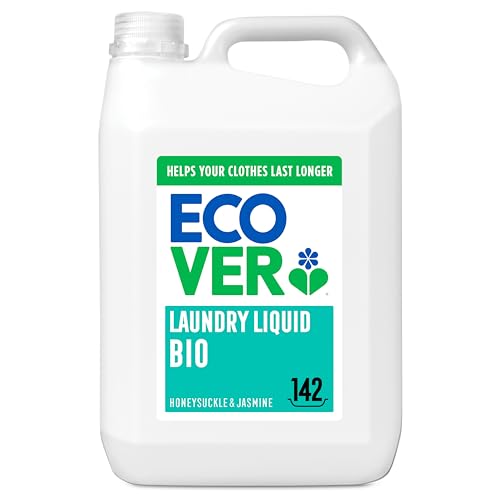
Ecover Concentrated Bio Laundry Detergent Refill Honeysuckle & Jasmine 5L
Original price was: £29.96.£28.80Current price is: £28.80. *View On Amazon* -
Laundry Detergents
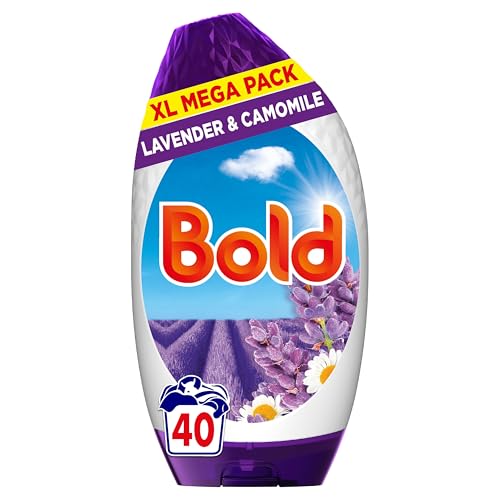
Bold Lavender and Camomile Liquid Laundry Detergent Gel, 40 Washes, 1.32L
£7.00 *View On Amazon* -
Laundry Detergents
Dylon Blossom Colour Detergent, 60 Wash Loads
Original price was: £13.25.£7.50Current price is: £7.50. *View On Amazon* -
Laundry Detergents
Ecover Delicate Laundry Detergent Refill 5L, 111 Washes, Fresh Waterlily & Honeydew Scent
Original price was: £21.00.£18.90Current price is: £18.90. *View On Amazon* -
Laundry Detergents
ATTITUDE Baby Laundry Detergent Liquid, Unscented, 35 Loads, 1.05 Litres
£12.50 *View On Amazon* -
Laundry Detergents
Ecover Zero Non-Bio Laundry Detergent Refill 5L, 142 Washes
Original price was: £32.00.£28.80Current price is: £28.80. *View On Amazon* -
Laundry Detergents
Surf Magnifi-Scent Wash Sunshine Blossom Laundry Liquid 837 ml (31 Washes)
Original price was: £6.50.£5.00Current price is: £5.00. *View On Amazon* -
Laundry Detergents
ATTITUDE Liquid Laundry Detergent, Mountain Fresh Scent, 40 Loads, 2 Litres
£13.77 *View On Amazon* -
Laundry Detergents
ATTITUDE Baby Laundry Detergent Liquid, Unscented, 35 Loads, 1.04 Litres
£12.50 *View On Amazon* -
Laundry Detergents
Ecover Non-Bio Washing Capsules, Pack of 34, White
Original price was: £11.00.£10.00Current price is: £10.00. *View On Amazon*




How to Choose Laundry Detergent
Laundry detergents are formulated to lift dirt, oils, odours and stains from washable fabrics during a machine or hand-wash cycle. Different formats and formulas suit different clothing, machines and household preferences.
Start by checking the garment care label and the detergent instructions. Consider whether you are washing whites, coloured clothing, delicate materials, heavily soiled workwear or everyday mixed loads.
The right detergent should match the fabric, wash programme, water hardness and level of soiling. Using more product than recommended will not necessarily improve cleaning and may leave residue on clothing or inside the washing machine.
Types of Laundry Detergent
Liquid Laundry Detergents
Liquid detergents are easy to measure and dissolve readily in water. They can be suitable for everyday clothing, coloured fabrics and lower-temperature washes, depending on the formula.
Some liquids may be applied directly to suitable stains before washing where the instructions permit. Avoid pouring detergent onto delicate fabrics without checking the product guidance first.
Compare the bottle size, recommended dose and stated number of washes rather than judging value by volume alone.
Washing Powders
Laundry powders are commonly used for regular machine washing and may be available in formulas for whites, colours or general household loads.
Powders can be effective for certain everyday stains and larger washes. However, incorrect dosing or unsuitable programmes may leave undissolved residue, particularly in overloaded machines or very short, cool cycles.
Store powder in a dry place and keep the packaging securely closed to prevent moisture from causing clumping.
Laundry Capsules and Pods
Laundry capsules contain a premeasured amount of detergent enclosed within a dissolvable film. They provide convenient dosing without measuring liquid or powder.
The fixed dose may be less flexible for very small, lightly soiled or unusually large loads. Follow the pack instructions regarding drum placement and load size.
Capsules can be highly hazardous if swallowed or handled incorrectly. Store them securely in their original closed packaging, well away from children and pets.
Laundry Tablets
Laundry tablets provide a measured dose and may be placed in the detergent drawer or drum, depending on the product instructions.
They can simplify dosing but may not allow adjustment for different load sizes or water hardness. Make sure the tablet is used in the correct part of the machine and with a suitable programme.
Laundry Detergent Sheets
Detergent sheets are lightweight, compact and designed to dissolve during the wash. They can be convenient where cupboard space is limited or when carrying laundry supplies while travelling.
Check the recommended number of sheets for the load size, soil level and water conditions. Suitability for particular fabrics and programmes varies between products.
Hand-Wash Detergents
Hand-wash detergents are formulated for garments that require manual washing, including some delicate fabrics.
Use the recommended amount and water temperature shown on the product and garment care label. Rinse thoroughly where instructed and avoid twisting or wringing delicate items unless permitted.
A product intended for hand washing may not be suitable for use in a washing machine because it could create excessive foam.
Detergents for Different Laundry Needs
Detergents for Whites
Detergents for white laundry may contain ingredients designed to help maintain brightness and remove visible stains.
Check fabric compatibility carefully. Products intended for whites may not be suitable for coloured garments, printed designs or delicate materials.
Wash whites separately where recommended to reduce colour transfer.
Detergents for Coloured Clothing
Colour detergents are formulated to clean while helping reduce unnecessary fading or colour transfer, depending on the product.
Turn garments inside out where advised and wash similar colours together. New or strongly coloured fabrics may still release dye during washing.
No detergent can prevent all fading, particularly when clothing is washed frequently or at unsuitable temperatures.
Detergents for Delicates
Delicate detergents may be designed for wool, silk, lingerie or other sensitive fabrics. The exact suitability varies, so check both the detergent label and garment care instructions.
Some delicate items require hand washing, a specialist machine cycle or professional cleaning. A gentle detergent does not automatically make every garment machine washable.
Sensitive and Fragrance-Free Detergents
Sensitive detergents may have reduced fragrance, fewer dyes or formulas intended for households seeking gentler laundry products.
Terms such as sensitive, hypoallergenic or dermatologically tested should only be relied upon where clearly stated by the manufacturer. Individual reactions can still occur.
Check the complete product information if anyone in the household has known skin sensitivities or allergies.
Biological Laundry Detergents
Biological detergents contain enzymes designed to help break down certain stains, including proteins, fats and starches.
They can be effective for many everyday loads, but may not be recommended for some delicate materials such as wool or silk. Follow the detergent and garment guidance carefully.
Non-Biological Laundry Detergents
Non-biological detergents do not contain the stain-removing enzymes used in biological formulas.
Some households prefer them for particular fabrics, personal preferences or sensitive skin routines. Cleaning performance will depend on the formula, stain type, dosage and wash programme.
Neither biological nor non-biological detergent is suitable for every garment or household.
Biological or Non-Biological Detergent
Biological detergents use enzymes to help break down certain food, body-oil and organic stains. They may perform well at lower temperatures, depending on the product and washing conditions.
Non-biological detergents clean without these enzymes and may be preferred for delicate fabrics or households that choose to avoid biological formulas.
The best choice depends on the clothes being washed, stain types, skin sensitivities and manufacturer instructions.
Liquid, Powder or Capsules
Liquid detergents provide flexible dosing and can be convenient for pre-treating suitable stains. They may be easier to use in quick or cooler washes.
Powders can suit regular household loads and are easy to store when kept dry. They require accurate dosing and should dissolve fully during the programme.
Capsules offer simple, premeasured dosing but provide less flexibility. They also require particularly secure storage because of the risk they present to children and pets.
Compare each format according to convenience, storage, load size and washing habits rather than assuming one is always better.
Important Buying Considerations
Fabric Suitability
Check whether the detergent is suitable for cotton, synthetics, wool, silk, sports clothing, waterproof garments or mixed fabrics.
Specialist materials can require particular formulas. Ordinary detergent may affect waterproof coatings, stretch fabrics or delicate fibres.
Follow the garment care label before selecting the wash programme or detergent.
Washing Temperature
Some detergents are designed to perform effectively at lower temperatures, while others may need warmer water for particular stains or hygiene requirements.
Use the temperature permitted by the garment care label. A hotter wash is not always necessary and may shrink, fade or damage some clothing.
Load Size
Detergent dosage usually depends on the weight of laundry, level of soiling and water hardness.
Avoid overloading the washing machine. Clothing needs enough room to move so water and detergent can circulate effectively.
Check the appliance guidance for maximum loads, particularly when washing bulky bedding, towels or absorbent items.
Water Hardness
Hard water can affect the amount of detergent required. Packaging often provides separate dosing guidance for soft, medium and hard-water areas.
Using too little detergent may reduce cleaning performance, while too much can leave residue and increase product waste.
Check your local water hardness where this affects the supplied dosage instructions.
Soil and Stain Level
Lightly worn clothing may require less detergent than muddy sportswear, work clothing or heavily stained bedding.
Treat specific stains according to the product and garment instructions. Avoid repeatedly washing a stain at high heat, as this can make some marks harder to remove.
Fragrance
Laundry detergents may be strongly scented, lightly fragranced or fragrance-free. Scent does not indicate cleaning power or hygiene performance.
Consider household preferences, skin sensitivities and whether the detergent will be used on bedding, baby clothing or garments worn close to the skin.
Number of Washes
The stated number of washes is usually based on a particular recommended dose. Actual usage may vary with water hardness, load size and soil level.
Compare products using the dosage information rather than package size alone.
Dosing Laundry Detergent Correctly
Follow the measuring instructions provided with the detergent. Use the cap, scoop, dosing ball or premeasured unit as directed.
Too little detergent may leave dirt and odours behind. Too much can create excessive foam, leave residue on fabrics and contribute to build-up inside the machine.
Adjust the dose only according to the manufacturer’s guidance for:
- Load size
- Water hardness
- Level of soiling
- Hand or machine washing
- Concentrated formulas
Never guess the strength of a concentrated product.
Where to Put Laundry Detergent
Liquid and powder detergents may be added to the main-wash drawer, a dosing ball or directly into the drum, depending on the product and washing machine instructions.
Capsules are often placed at the back of the empty drum before clothing is added, but this should be confirmed on the packaging.
Do not place detergent in the fabric-conditioner compartment unless it is specifically designed for that section.
Clean the dispenser drawer regularly to help prevent residue and blockages.
Treating Laundry Stains
Act promptly where practical and identify the likely stain before applying a treatment.
Some liquid detergents can be used to pre-treat suitable stains, but the contact time and fabric compatibility must be checked first. Avoid allowing concentrated detergent to dry on the garment.
Blot rather than rub delicate fabrics. Test products on a hidden area where colourfastness is uncertain.
Stubborn, old or specialist stains may require a dedicated stain remover or professional cleaning.
Detergents for Sports and Outdoor Clothing
Sportswear, base layers and technical garments may contain stretch fibres, moisture-management treatments or waterproof coatings.
Use a detergent listed as suitable for the material. Standard products, fabric conditioners and stain treatments can affect some performance finishes.
Check the garment manufacturer’s washing guidance and close zips or fastenings where instructed.
Washing Baby and Children’s Clothing
Choose detergent according to the clothing care label and the household’s sensitivity requirements.
Rinse clothing thoroughly and avoid using more detergent than recommended. Products labelled sensitive or fragrance-free still need to be stored safely and used according to the instructions.
Keep capsules, powders and liquids completely out of children’s reach.
Washing Towels and Bedding
Towels and bedding can form large, absorbent loads. Avoid overfilling the machine, as this can reduce rinsing and cleaning performance.
Check the care label for suitable temperature and detergent type. Some fabric conditioners can reduce towel absorbency when used excessively.
Allow washed items to dry thoroughly before storing them.
Hand Washing Clothes
Use a detergent specifically suitable for hand washing and follow the recommended dilution.
Ensure the product is fully dissolved before adding garments where instructed. Wear gloves if the detergent causes skin irritation and avoid prolonged direct contact.
Rinse items thoroughly and handle delicate garments carefully to reduce stretching or distortion.
Laundry Detergent Safety
Keep detergents in their original labelled packaging and close containers securely after each use.
Store products away from:
- Children and pets
- Food and drink
- Heat and direct sunlight
- Damp storage areas
- Unlabelled bottles or containers
Never mix laundry detergent with bleach, household cleaners, drain treatments or other chemicals unless the manufacturer explicitly confirms that it is safe.
Avoid contact with eyes and wash hands after handling concentrated products.
Laundry Capsules and Child Safety
Laundry capsules can resemble sweets or toys and may cause serious harm if bitten, swallowed or squeezed.
Store them:
- In their original container
- With the lid fully closed
- In a high or locked cupboard
- Out of sight and reach of children
- Away from wet hands and damp surfaces
Do not pierce, cut or open capsules. Handle them with dry hands and place them directly into the machine as instructed.
Seek urgent medical advice if a capsule is swallowed or its contents contact the eyes.
Preventing Detergent Residue
Residue on clothing can result from overdosing, overloading, low water flow or an unsuitable wash programme.
Use the correct amount of detergent and ensure the machine is not packed too tightly. Select an additional rinse only where appropriate and permitted by the garment instructions.
Regularly clean the detergent drawer, door seal and washing machine filter according to the appliance manual.
Storing Laundry Detergent
Store liquids upright to reduce the risk of leaks. Keep powders and sheets in dry conditions so they do not clump or begin dissolving.
Avoid transferring detergent into decorative jars or unlabelled containers, especially where it could be mistaken for food or drink.
Keep measuring scoops and caps with the correct product to prevent dosing mistakes.
Environmental Considerations
Concentrated detergents and refill formats may use less packaging or storage space, depending on the individual product.
Correct dosing helps reduce unnecessary product use. Washing full but not overloaded loads can also make more efficient use of each cycle.
Environmental claims should be assessed using the specific information provided by the manufacturer rather than broad wording alone.
Why Buy Laundry Detergents from YPC?
At YPC, we understand active lifestyles and the need for practical products that work in real use. Our Laundry Detergents category makes it easier to compare liquids, powders, capsules, sheets and specialist formulas for different fabrics and washing routines.
Browse the available options and compare detergent type, fabric suitability, dosage, fragrance and stated number of washes to find a product suited to your household.
Frequently Asked Questions
Is liquid or powder laundry detergent better?
Liquid detergent offers flexible dosing and dissolves easily, while powder can suit regular household loads and certain stains. The right choice depends on your fabrics, programme and preferences.
What is the difference between biological and non-biological detergent?
Biological detergents contain enzymes that help break down certain stains. Non-biological products do not contain these enzymes and may suit different fabrics or household preferences.
How much laundry detergent should I use?
Follow the product dosage guide, taking account of load size, water hardness and soil level. Using extra detergent may leave residue rather than improve cleaning.
Can ordinary detergent be used on wool and silk?
Only where the detergent and garment labels confirm suitability. Wool, silk and other delicate materials often require a specialist formula and gentle washing method.
Where should laundry capsules be placed?
Many capsules are placed at the back of the empty drum before adding clothes, but instructions vary. Always follow the individual packaging and machine guidance.
 Getting ready for Summer? View our Home and Garden Products

Heading outdoors this winter? Take a look at our Outdoor Clothing.