
Stain Removers
Stain Removers for Clothing, Carpets and Household Fabrics
Stain removers help treat food, drink, grease, mud and other marks on suitable clothing, carpets, upholstery and washable household fabrics. Choosing a product designed for the stain and material can improve the chance of removal while reducing the risk of fading, discolouration or fibre damage.
Browse laundry stain sprays, gels, powders, soaps, pens, carpet treatments and specialist formulas. Compare products by their intended stain types, fabric compatibility, application method, contact time and whether they are used before, during or after washing.
Explore Stain Removers at YPC to find practical options for everyday spills, targeted pre-treatment and more demanding household stains.
-
Stain Removers
Instant Stain Remover Pen for Clothes, 5 Pack
Original price was: £9.99.£4.99Current price is: £4.99. *View On Amazon* -
Stain Removers
3 x De-Solv-it® Desolvit Stain Remover & Pre-Wash Spray 100ml
£10.99 *View On Amazon* -
Stain Removers
120ml Active Enz/yme Laundry Stain Remover Spray for Clothes
Original price was: £8.99.£7.99Current price is: £7.99. *View On Amazon* -
Stain Removers
Ariel Stain Remover Powder White 500g
Original price was: £8.81.£7.69Current price is: £7.69. *View On Amazon* -
Stain Removers
PROCHEM Stain Pro Professional Stain Remover 1 Litre
Original price was: £14.99.£14.49Current price is: £14.49. *View On Amazon* -
Stain Removers
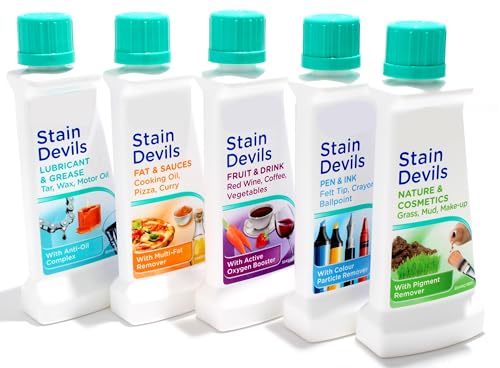
Dr Beckmann Stain Devils Complete Stain Remover Kit (4 x 50ml, 1 x 50g)
Original price was: £14.75.£13.08Current price is: £13.08. *View On Amazon* -
Stain Removers
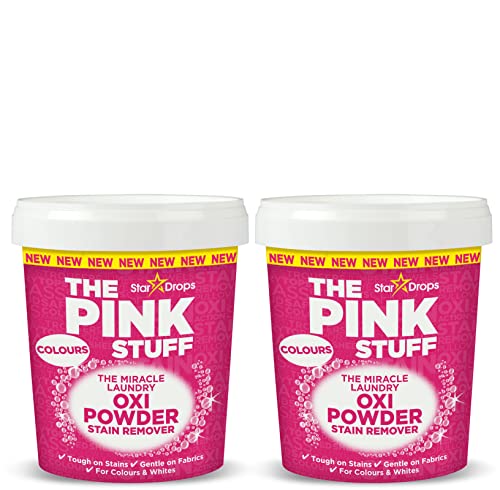
Stardrops The Pink Stuff Miracle Laundry Oxi Powder Stain Remover Bundle
£12.99 *View On Amazon* -
Stain Removers
Shout Wipe & Go Instant Stain Remover 12 CT
Original price was: £8.38.£7.55Current price is: £7.55. *View On Amazon* -
Stain Removers
The Pink Stuff Miracle Laundry OXI Stain Remover Spray 2 x 500ml
£8.99 *View On Amazon* -
Stain Removers
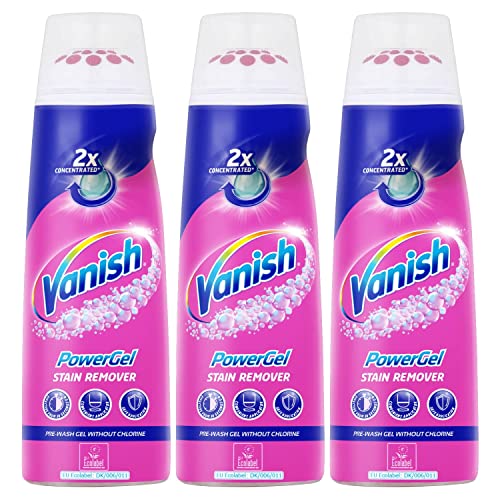
Vanish Powergel Stain Remover 200 ml Pack of 3 Floral Scent Concentrated Formula 600 ml Total
Original price was: £11.90.£10.99Current price is: £10.99. *View On Amazon* -
Stain Removers
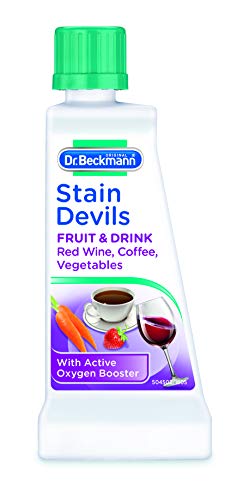
Dr Beckmann Stain Devils Tea, Red Wine, Fruit & Juice Stain Remover 50g
Original price was: £4.58.£4.34Current price is: £4.34. *View On Amazon* -
Stain Removers
Fels Naptha Laundry Bar and Stain Remover, 5 Ounce (Three Pack)
£15.99 *View On Amazon*







How to Choose the Right Stain Remover
Stain removers are formulated to loosen, dissolve or lift particular types of residue from suitable fabrics and household surfaces. Some are designed for washable clothing, while others are intended for carpets, rugs, upholstery or hard surfaces.
The right product depends on what caused the stain, the material beneath it and how long the mark has been present. Grease, blood, red wine, mud and ink can require very different treatment methods.
Always check the product instructions and the item’s care label before use. Test the stain remover on a small, discreet area where colourfastness or material compatibility is uncertain.
Types of Stain Removers
Pre-Treatment Sprays
Pre-treatment sprays are applied directly to suitable stains before the item is washed. They can be convenient for shirt collars, cuffs, food marks and everyday laundry stains.
Check how long the product should remain on the fabric. Some sprays can be applied shortly before washing, while others require a longer contact period.
Do not allow the treatment to dry on the fabric unless the instructions specifically permit it.
Stain Remover Gels
Gels provide controlled application and may cling to a stain without spreading across a large area. They can be useful for targeted treatment on washable clothing and household fabrics.
Some gel bottles include brushes or applicator heads to help work the product into the fibres. Use gentle pressure, particularly on delicate or loosely woven materials.
Rinse or wash the item according to the product and care-label instructions.
Stain Remover Powders
Powdered stain removers may be added to the washing machine, used for soaking or mixed into a paste for direct application where permitted.
Accurate dosing is important. Using more powder than recommended may leave residue, affect colours or increase the difficulty of rinsing the item.
Check whether the powder is intended for whites, colours or both.
Stain Remover Soaps and Bars
Stain remover soaps are rubbed onto dampened fabric before washing, depending on the product directions. They can be useful for collars, cuffs, grease marks and small targeted areas.
Avoid aggressive rubbing, as this can spread the stain or damage delicate fibres.
Allow the product to work for the stated time before rinsing or washing.
Stain Remover Pens
Stain remover pens are compact products designed for small, fresh marks while away from home. They may be useful for food or drink spills on suitable washable fabrics.
They are intended for limited spot treatment rather than cleaning an entire garment. Blot away excess residue before application and follow the instructions carefully.
A treatment pen may reduce the appearance of a mark, but the garment may still need to be washed later.
Laundry Additives and Boosters
Laundry stain-removing additives are placed in the washing machine alongside a suitable detergent. Depending on the formula, they may help with heavily soiled loads, whites or colour-safe stain treatment.
Check the recommended compartment, dosage and wash temperature. A stain-removing additive does not replace laundry detergent unless the product specifically states otherwise.
Carpet Stain Removers
Carpet stain removers are designed for suitable carpet fibres and may be supplied as sprays, foams, powders or liquids.
Check whether the product is suitable for synthetic carpets, wool, rugs or a particular cleaning machine. Test it in a hidden area and allow it to dry before treating the visible stain.
Avoid over-wetting the carpet, as moisture can reach the backing, underlay or flooring below.
Upholstery Stain Removers
Upholstery treatments may be suitable for sofas, chairs, cushions, car seats and other compatible fabric-covered surfaces.
Check the furniture care label before applying water or cleaning products. Some upholstery must only be dry cleaned or professionally treated.
Avoid soaking the fabric or internal filling, as this can cause water marks, slow drying or odours.
Important Buying Considerations
Type of Stain
Different stains respond to different cleaning ingredients. Consider whether the mark is caused by:
- Grease or oil
- Food or drink
- Blood or other protein residue
- Mud or grass
- Ink or paint
- Make-up
- Tea or coffee
- Red wine
- Pet accidents
- Sweat or deodorant
Choose a product that specifically lists the relevant stain type where possible.
Fabric and Surface Compatibility
Check whether the stain remover is suitable for cotton, synthetics, wool, silk, carpets, rugs or upholstery.
A product designed for white cotton may fade coloured clothing. Strong treatments may damage wool, silk, leather, suede or waterproof fabrics.
Always follow the care label and avoid using ordinary laundry stain remover on dry-clean-only items.
Colourfastness
Some dyes can fade, bleed or transfer when exposed to cleaning products or water.
Test the stain remover on an inside seam, hem or hidden area where appropriate. Allow it to dry completely before assessing the result.
Stop using the product if the colour or texture changes.
Age of the Stain
Fresh stains are often easier to treat than marks that have dried or been repeatedly washed.
Blot fresh spills and remove loose residue before applying a product. Avoid rubbing, as this can push the stain deeper into the fibres.
Older stains may need repeated treatment, but only where the instructions allow it.
Application Method
Sprays and pens suit targeted treatment. Powders can be useful for soaking or adding to a wash, while carpet foams and upholstery liquids are designed for specific household surfaces.
Choose a format that suits the size of the stain and whether the item can be machine washed, hand washed or cleaned only in place.
Contact Time
Many stain removers need time to loosen the residue before washing or rinsing.
Removing the product too quickly may reduce its effectiveness. Leaving it on longer than instructed may cause fading, bleaching or damage.
Use the stated contact time and do not allow products to dry unless specifically directed.
Treating Fresh Stains
Act promptly where practical. Remove excess liquid or solid residue without spreading the mark further.
Blot liquids using a clean, absorbent cloth. Work from the outside edge towards the centre to help prevent the stain from growing.
Do not rub aggressively, especially on carpets, upholstery or delicate fabrics.
Check the care label and choose a stain remover suitable for both the material and stain type.
Treating Dried or Set-In Stains
Older stains can be more difficult to remove, particularly if they have been exposed to heat from tumble drying, ironing or hot washing.
Use a product specifically suitable for set-in stains and follow any soaking or repeat-treatment instructions.
Do not combine several stain removers in an attempt to increase cleaning strength. Residues can react or damage the fabric.
Some marks may become permanent, especially on delicate, faded or previously damaged materials.
Protein-Based Stains
Blood, milk, egg and some bodily-fluid stains contain proteins that can become harder to remove when exposed to hot water.
Use cool water where the garment and product instructions recommend it. Avoid hot washing until the stain has been treated.
Choose a stain remover specifically listed for protein stains and handle contaminated items hygienically.
Grease and Oil Stains
Cooking oils, butter, cosmetics and mechanical grease can penetrate deeply into fabric fibres.
Blot excess grease and avoid adding water before checking the treatment instructions. Some liquid detergents or specialist degreasers can be used for pre-treatment where permitted.
Do not iron or tumble dry the item until the stain has been removed, as heat may make the mark more difficult to treat.
Tea, Coffee and Red Wine Stains
Blot fresh spills promptly and avoid rubbing them across the fabric.
Use a product suitable for coloured drinks and the affected material. Some stain removers contain bleaching ingredients that may be unsuitable for coloured fabrics.
Check the stain after washing before placing the item in a tumble dryer.
Mud and Grass Stains
Allow thick mud to dry where appropriate, then brush away loose soil before treatment.
Grass stains can contain pigments and organic residue that may need a targeted laundry product.
Check whether soaking or direct pre-treatment is recommended and avoid scrubbing delicate fibres aggressively.
Ink and Paint Stains
Ink, permanent marker and paint can be particularly difficult to remove. The correct treatment depends on whether the product is water-based, oil-based or permanent.
Avoid applying an unsuitable solvent, as this may spread the mark or damage the fabric.
Check the manufacturer’s guidance for the ink or paint where available. Valuable or delicate items may require professional cleaning.
Pet Stains and Odours
Pet stain removers may be formulated to target organic residue and associated smells on suitable carpets, upholstery and washable fabrics.
Blot up as much moisture as possible before treatment. Follow the product’s contact time and drying instructions.
Keep pets away from treated areas until they are fully dry. Persistent odours may indicate that residue has reached carpet backing, underlay or furniture filling.
Stain Removers for White Laundry
Products for whites may contain bleaching or brightening ingredients intended to treat stains and maintain appearance.
They may not be suitable for coloured logos, trims, stitching or mixed-fabric garments.
Check the complete item rather than assuming a mostly white garment can be treated safely.
Colour-Safe Stain Removers
Colour-safe products are formulated for use on compatible coloured laundry, but no cleaner can guarantee that every dye will remain unchanged.
Test the product on a hidden area where appropriate and follow the stated dose and contact time.
Wash strongly coloured and new garments separately where recommended.
Delicate Fabrics
Wool, silk, lace and other delicate materials can be damaged by ordinary stain removers, enzymes, bleach or aggressive rubbing.
Use only a product specifically approved for the material. Hand washing or professional dry cleaning may be required.
A gentle-sounding product name does not confirm compatibility, so always read the label.
Stain Remover or Laundry Detergent
Laundry detergent is used to clean the full wash load. A stain remover is designed to provide targeted treatment or additional help with particular marks.
Some detergents can be applied directly to suitable stains where their instructions allow, but they may not treat every type of residue.
Stain remover should normally be used alongside detergent rather than replacing it.
Oxygen-Based or Chlorine Bleach Products
Oxygen-based stain removers may be suitable for certain whites and colourfast fabrics, depending on the formulation.
Chlorine bleach is stronger and can damage colours, fibres, metal trims and many household surfaces. It should only be used where the product and garment instructions explicitly permit it.
Never mix either type with ammonia, acids, toilet cleaners, descalers or other household chemicals.
Using Stain Removers in a Washing Machine
Check whether the product belongs in the main-wash compartment, directly in the drum or in a dosing device.
Do not place stain remover in the fabric-conditioner compartment unless the instructions specifically direct this.
Follow the recommended dose for load size, fabric colour and stain level. Overdosing can leave residue or affect fabrics.
Soaking Stained Laundry
Some products can be used to soak suitable items before washing.
Use the recommended water temperature, dosage and soaking time. Keep coloured and white items separate where instructed.
Do not soak garments with metal fastenings, delicate trims or specialist finishes unless the care instructions permit it.
Keep soaking containers away from children and pets.
Carpet and Upholstery Spot Cleaning
Vacuum or remove loose dirt before applying a wet treatment.
Blot the stain rather than rubbing it. Apply only the amount recommended and avoid saturating the material.
Allow the treated area to dry fully before walking on it, replacing furniture or allowing children and pets near it.
For large, valuable or delicate items, professional cleaning may be more appropriate.
Avoiding Common Stain-Removal Mistakes
Common mistakes include:
- Rubbing a fresh spill
- Using hot water on protein stains
- Applying bleach to coloured fabric
- Skipping the colourfastness test
- Leaving treatment on too long
- Mixing different cleaning products
- Tumble drying before checking the stain
- Using carpet cleaner on upholstery without checking
- Over-wetting carpets or furniture
- Treating dry-clean-only items at home
Following the product and care-label instructions can reduce the risk of permanent damage.
Stain Remover Safety
Read the label before use and follow guidance on gloves, ventilation, dosage and contact time.
Never mix stain removers with:
- Bleach unless specifically instructed
- Ammonia
- Descalers
- Toilet cleaners
- Drain cleaners
- Disinfectants
- Other stain treatments
Keep products in their original labelled packaging and close containers securely after use.
Store them away from children, pets, food, heat and direct sunlight.
Stain Removers Around Children and Pets
Keep stain sprays, powders, pens and soaking solutions out of reach. Laundry products can cause serious harm if swallowed or allowed to contact the eyes.
Keep children and animals away from treated carpets or furniture until the area has dried fully.
Remove pet bowls, toys and bedding before using spray products nearby.
Products described as natural or plant-based still need to be used according to their safety instructions.
Caring for Treated Fabrics
Check the stained area after washing and before tumble drying or ironing.
If the stain remains, repeat the approved treatment where permitted. Heat can make some marks more difficult or impossible to remove.
Allow carpets and upholstery to dry thoroughly with good ventilation.
Follow the normal care instructions once treatment is complete.
When to Use Professional Cleaning
Professional treatment may be appropriate for:
- Silk, wool or antique fabrics
- Valuable rugs
- Leather or suede
- Dry-clean-only clothing
- Large upholstery stains
- Unknown chemical marks
- Paint, ink or adhesive residue
- Widespread pet contamination
- Stains that have resisted several correct treatments
Repeatedly applying different products can make professional removal more difficult.
Why Buy Stain Removers from YPC?
At YPC, we understand active lifestyles and the need for practical products that work in real use. Our Stain Removers category makes it easier to compare sprays, gels, powders, pens and specialist treatments for different fabrics and household surfaces.
Browse the available options and compare stain type, material suitability, application method and contact time to find a product suited to the mark you need to treat.
Frequently Asked Questions
Should I use hot or cold water on a stain?
This depends on the stain and fabric. Protein-based stains such as blood can set in hot water, so always follow the treatment and garment instructions.
Can stain remover damage coloured clothing?
Yes, some formulas can fade or bleach colours. Choose a colour-safe product where suitable and test it on a hidden area first.
Should I wash a stain before applying remover?
Follow the product directions. Many treatments work best before washing, after excess residue has been blotted or removed.
Can laundry stain remover be used on carpets?
Only where the product specifically confirms suitability. Carpet fibres, dyes and backing can react differently from washable clothing.
Why is a stain still visible after washing?
It may need a targeted treatment, longer approved contact time or a different product. Avoid tumble drying or ironing until the stain has been removed.
 Getting ready for Summer? View our Home and Garden Products

Heading outdoors this winter? Take a look at our Outdoor Clothing.