
Rubber Gloves
Rubber Gloves for Washing Up and Household Cleaning
Rubber gloves help protect hands from prolonged contact with water, washing-up liquid, dirt and compatible household cleaning products. Choosing the right material, size and cuff length can improve comfort and grip while making everyday kitchen, bathroom and general cleaning tasks easier.
Browse reusable washing-up gloves, flock-lined household gloves, long-cuff designs, textured-grip options and disposable gloves where listed. Compare products by their material, size, lining, thickness, cuff style and stated suitability for the task and cleaning product involved.
Explore Rubber Gloves at YPC to find practical options for washing dishes, wiping surfaces, bathroom cleaning, handling household waste and other suitable everyday jobs.
- Rubber Gloves
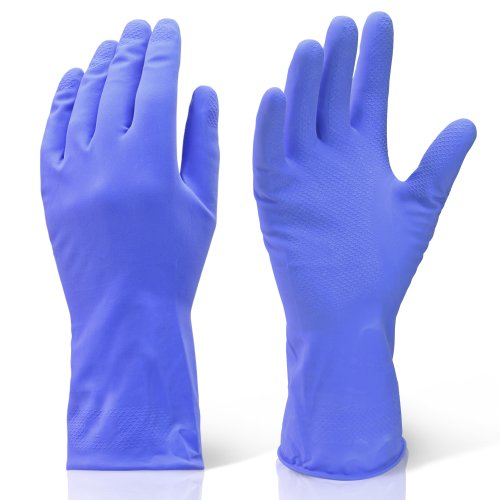
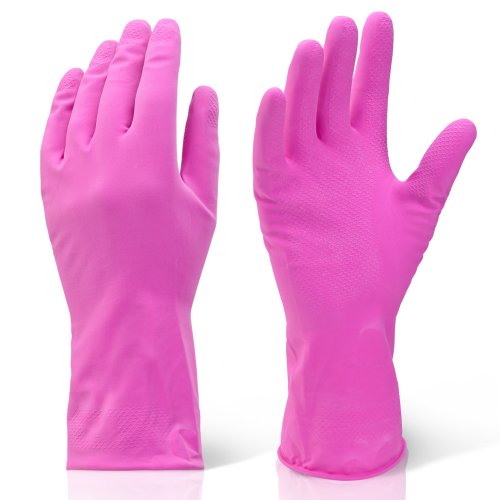
LikGuest Reusable Latex Household Gloves, 3 Pairs, Rose-Pink, S
Original price was: £11.59.£10.99Current price is: £10.99. *View On Amazon* - Rubber Gloves
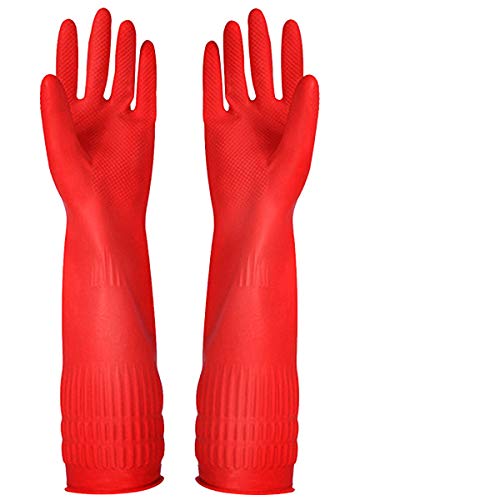
Gsbnjuy 2 Pairs Reusable Long Cleaning Gloves, 16 Inches
Original price was: £8.31.£7.39Current price is: £7.39. *View On Amazon* - Rubber Gloves
ThxToms 3 Pairs Small Reusable Natural Rubber Cleaning Gloves
Original price was: £9.99.£7.99Current price is: £7.99. *View On Amazon* - Rubber Gloves
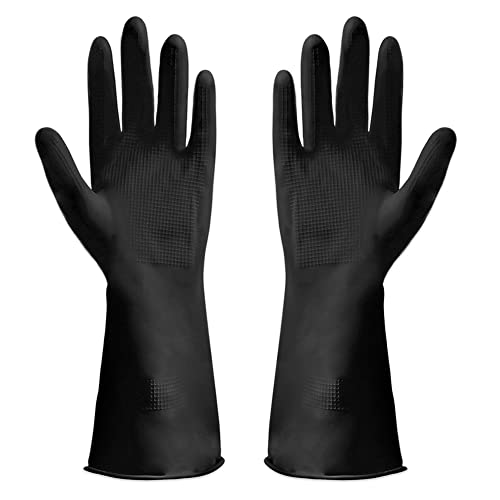
WORUIB Washing Up Gloves, Large, 26 cm Length
Original price was: £6.59.£4.99Current price is: £4.99. *View On Amazon* - Rubber Gloves
Vernerth Rubber Gloves Medium, 4 Pairs, Extra-Long Waterproof Cleaning Gloves
Original price was: £10.99.£10.35Current price is: £10.35. *View On Amazon*







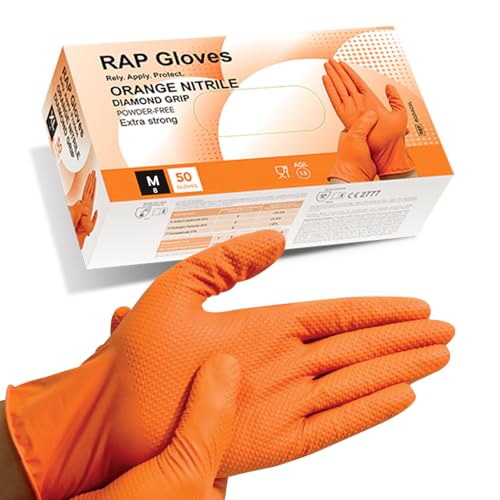


How to Choose Rubber Gloves
Rubber gloves provide a barrier between your hands and water, dirt and compatible household cleaning products. They are commonly used for washing dishes, cleaning bathrooms, wiping surfaces and handling suitable household waste.
The right gloves depend on the task, the cleaning product involved, your hand size and whether you need additional grip, cuff coverage or internal lining.
Despite the category name, not every household glove is made from natural rubber latex. Products may use latex, nitrile, neoprene, PVC, vinyl or a blend of materials. Check the individual product information carefully, particularly where allergies or chemical compatibility are important.
Types of Rubber Gloves
Washing-Up Gloves
Washing-up gloves are reusable household gloves designed for hand dishwashing and similar wet tasks.
They usually include textured palms or fingers to improve grip on wet plates, glasses and cutlery. Some have a soft lining to improve comfort during repeated use.
They should not be assumed suitable for strong chemicals, hot cookware or sharp objects unless the product specifically states this.
Household Cleaning Gloves
Household cleaning gloves are intended for compatible general cleaning jobs around kitchens, bathrooms and living spaces.
They may be thicker or longer than standard washing-up gloves and can include reinforced palms or extended cuffs.
Check the product instructions and the cleaning-product label before use. One pair of gloves may not suit every cleaner or surface.
Long-Cuff Rubber Gloves
Long-cuff gloves extend farther along the wrist or forearm.
They can help reduce water and cleaning solution entering the glove during deep-sink, bathroom or bucket-cleaning tasks. Some cuffs are straight, rolled or flared.
Check the full glove length and make sure the cuff does not restrict movement or become caught on taps and handles.
Flock-Lined Rubber Gloves
Flock-lined gloves include a soft fibre layer inside.
The lining can make gloves easier and more comfortable to wear, particularly during longer washing-up sessions. It may also absorb some moisture from the hands.
Flock lining takes longer to dry if water enters the glove. Replace gloves that develop persistent odours or mould inside.
Unlined Rubber Gloves
Unlined gloves have a smooth or lightly textured interior.
They may be easier to rinse and dry than heavily lined products. Damp hands can make them more difficult to put on and remove.
Choose the correct size and allow gloves to dry completely between uses.
Textured-Grip Gloves
Textured gloves include raised patterns across the palms, fingertips or both.
This can improve grip on wet crockery, bottles and cleaning tools. Grip performance depends on the texture, glove fit and the item being handled.
Texturing does not make a glove cut-proof or prevent fragile items from slipping completely.
Heavy-Duty Household Gloves
Heavy-duty gloves use a thicker construction for more demanding compatible cleaning jobs.
They may suit garage, garden, utility-room and deep-cleaning tasks where listed. Thicker gloves can reduce finger movement and sensitivity.
Check the specific chemical, abrasion and puncture limitations. Heavy-duty wording does not guarantee protection from every hazard.
Disposable Gloves
Disposable gloves provide short-term hand coverage for suitable cleaning, food handling or messy household tasks where listed.
They are available in materials including nitrile, vinyl and latex. Fit, thickness and intended use vary considerably.
Disposable gloves should normally be changed between tasks and discarded when torn, contaminated or removed. They are not automatically suitable for chemicals or food contact.
Reusable Gloves
Reusable gloves are designed to be rinsed, dried and used again.
They are generally thicker than disposable gloves and can suit regular washing up and household cleaning. Their usable life depends on the material, task and care.
Inspect reusable gloves before every use and replace them when they crack, harden, become sticky or develop holes.
Latex Rubber Gloves
Latex gloves provide flexibility and a close fit, depending on the product.
Natural rubber latex can cause allergic reactions in some people. Anyone with a known or suspected latex allergy should avoid latex products and choose a clearly identified alternative.
Latex is not suitable for every chemical, oil or solvent.
Nitrile Gloves
Nitrile gloves are synthetic and are often chosen where a latex-free option is needed.
Chemical resistance varies by formulation, thickness and exposure time. Disposable nitrile examination-style gloves and thicker reusable nitrile household gloves are different products.
Check the stated intended use and compatibility rather than assuming all nitrile gloves provide the same protection.
Neoprene Gloves
Neoprene gloves may provide flexibility and resistance to certain chemicals where specifically stated.
They can be available as reusable household or specialist cleaning gloves. Material thickness and protection levels vary.
Follow the product information and chemical manufacturer’s guidance before use.
PVC and Vinyl Gloves
PVC and vinyl gloves can provide a latex-free option for certain light household tasks.
They may offer a looser fit or less flexibility than some latex and nitrile products. Chemical and puncture resistance varies.
Choose products clearly listed for the intended use.
Patterned and Coloured Gloves
Household gloves are available in different colours and decorative patterns.
Colour coding can help separate gloves used for kitchens, bathrooms, pet areas and bins. Colour alone does not indicate the material or protection level.
Use labels or a consistent household system so each pair remains dedicated to its intended area.
Important Buying Considerations
Glove Size
Correct sizing improves comfort, grip and control.
Gloves that are too small can stretch excessively, restrict movement and tear more easily. Oversized gloves can slip, bunch around the fingers and make wet dishes harder to hold.
Check the manufacturer’s sizing guide and measure around the widest part of the hand where instructed.
Finger Length
Hand width alone does not determine fit.
Short fingers inside a long glove can reduce control, while fingers pressed tightly against the tips can strain the seams. Choose a size and design suited to your hand proportions where options are available.
Try not to fold excess fingertip material while gripping fragile items.
Cuff Length
Short cuffs suit quick washing-up and wiping tasks.
Longer cuffs provide additional forearm coverage and may help reduce water entering the gloves. They can feel warmer and may restrict movement during detailed work.
Choose according to the depth of the sink, bucket or cleaning area.
Material
Glove material affects flexibility, durability, allergy risk and resistance to different products.
Common materials include:
- Natural rubber latex
- Nitrile
- Neoprene
- PVC
- Vinyl
- Blended synthetic materials
Check the exact material rather than relying on general rubber-glove wording.
Thickness
Thin gloves provide greater sensitivity and finger movement.
Thicker gloves can offer more durability and insulation from ordinary washing water, depending on the product. They may make small objects and delicate glasses more difficult to handle.
Thickness does not guarantee chemical, heat or puncture protection.
Lining
A flocked or fabric lining can improve comfort and reduce the clammy feeling associated with unlined gloves.
Unlined gloves may dry more quickly and can be easier to clean internally after accidental water entry.
Choose according to the expected wearing time and how easily the gloves can be dried.
Grip
Textured palms and fingers can help with wet dishes, bottles and tools.
Check whether the texture covers the full hand or fingertips only. A secure fit is as important as surface texture.
Exercise additional care with glassware, knives and greasy cookware.
Dexterity
Cleaning taps, bottle lids and small fittings requires more finger control than scrubbing floors or bins.
Choose thinner, closer-fitting gloves for detailed work and thicker products for more demanding compatible tasks.
Do not use loose gloves near moving machinery or powered cleaning equipment.
Colour Coding
Using different glove colours for different rooms can reduce accidental cross-use.
A household system might use separate pairs for:
- Kitchen washing up
- Bathroom cleaning
- Toilets
- Pet equipment
- Bins and rubbish
- Utility rooms
- Outdoor cleaning
Store each pair separately and replace labels if the colour system is not obvious.
Reusability
Check whether the gloves are designed for single or repeated use.
Reusable gloves need washing, drying and inspection. Disposable gloves are not normally intended to be washed and reused.
Follow the stated use rather than judging reusability by appearance alone.
Choosing Gloves for Washing Up
Washing-up gloves should provide good grip and enough cuff length to keep ordinary splashes away from the wrists.
Choose a flexible design that allows control of glasses, plates, cutlery and pan handles. A soft lining can improve comfort during long sessions.
Do not place knives beneath opaque washing-up water, even when gloves are worn. Household gloves provide limited protection from blades.
Choosing Gloves for Kitchen Cleaning
Kitchen-cleaning gloves may be exposed to grease, detergent and surface-cleaning products.
Use a separate pair from those used for toilets, bins or pet areas. Check every cleaner for glove recommendations and required ventilation.
Rinse the gloves before moving from a dirty area to another kitchen surface.
Choosing Gloves for Bathroom Cleaning
Bathroom gloves may be used with limescale removers, toilet cleaners and disinfectants.
These products can require specific glove materials. Check both the glove and cleaner instructions and never assume standard washing-up gloves provide sufficient protection.
Use long cuffs where splash exposure is possible and wash the gloves after use.
Choosing Gloves for Toilet Cleaning
Keep a clearly identified pair only for toilet cleaning.
Avoid storing them beside dishwashing gloves or food-related items. Wash the exterior after use without contaminating bare hands during removal.
Replace the gloves immediately if they become torn or difficult to clean.
Choosing Gloves for Bin Cleaning
Bin-cleaning gloves should provide suitable coverage and grip for the cleaning products and waste involved.
Household rubber gloves are not puncture-proof. Do not reach blindly into bins that may contain broken glass, blades or sharp packaging.
Use appropriate protective equipment and disposal methods for hazardous waste.
Choosing Gloves for Pet Areas
Dedicated gloves can be useful when cleaning pet bowls, litter trays, cages or bedding.
Check whether the task requires disposable or reusable products and keep the gloves separate from ordinary kitchen pairs.
Wash hands after removing the gloves.
Choosing Gloves for Gardening
Some thicker household gloves may be suitable for light garden cleaning where listed.
They should not replace purpose-designed gardening gloves for thorns, rough wood, sharp tools or heavy soil work.
Check the product’s intended uses and choose specialist hand protection where required.
Choosing Gloves for DIY Cleaning
Reusable gloves may suit certain painting, decorating and cleaning tasks.
Solvents, adhesives, paint strippers and specialist chemicals can permeate ordinary household gloves. Use the protective glove type specified on the product safety information.
Do not use damaged gloves or continue working after chemical contact is noticed inside them.
Reusable or Disposable Gloves
Reusable gloves suit repeated washing-up and routine household cleaning.
Disposable gloves can help with short, messy tasks and reduce the need to clean the glove afterwards. They create more waste and may tear more easily.
Choose based on the contamination risk, task duration and product instructions.
Latex or Latex-Free Gloves
Latex provides flexibility and a close fit but can cause allergic reactions.
Latex-free materials include nitrile, vinyl, PVC and neoprene, depending on the product. A latex-free claim does not guarantee the glove is free from every potential allergen.
Check the packaging where allergy avoidance is important.
Lined or Unlined Gloves
Lined gloves are comfortable for longer use but can remain damp if water enters.
Unlined gloves dry faster but may feel less comfortable on warm hands.
Choose lined gloves for extended washing-up sessions and unlined options where frequent rinsing and quick drying matter.
Short or Long Cuffs
Short cuffs are less restrictive and easier to roll back.
Long cuffs offer greater splash coverage during bathroom, utility-room and bucket cleaning.
A long cuff should fit comfortably around the forearm without cutting into the skin.
Thin or Heavy-Duty Gloves
Thin gloves provide better touch and control.
Heavy-duty gloves provide a more substantial barrier for compatible tasks but may reduce dexterity.
Use product-specific protection information rather than thickness alone when handling chemicals.
Correctly Fitting Rubber Gloves
A well-fitting glove should cover the hand without excessive tightness or loose folds.
You should be able to:
- Bend the fingers
- Grip a wet glass
- Make a loose fist
- Move the thumb comfortably
- Pull the cuff over the wrist
- Remove the glove without excessive force
Check for pressure around rings, watches and fingernails.
Putting Rubber Gloves On
Dry your hands before putting reusable gloves on.
Remove rings or jewellery that could catch and puncture the material. Insert each hand gently rather than pulling hard on the fingertips.
Smooth out major folds without overstretching the cuff.
Removing Rubber Gloves
Avoid touching the contaminated outer surface with bare skin.
Grip the outside of one glove near the wrist and peel it away, turning it inside out. Hold the removed glove in the gloved hand, then slide bare fingers beneath the remaining cuff and peel it off around the first glove.
This technique may need adapting for reusable gloves that will be cleaned and dried.
Avoiding Water Inside Gloves
Choose cuffs long enough for the task and avoid immersing the opening.
Some users fold the cuff outward to catch small drips running down the arm. This may help during washing up but should not create a loose section that catches on objects.
Replace gloves that no longer seal around the wrist.
Handling Washing-Up Liquid
Washing-up gloves reduce direct skin contact but do not eliminate every exposure.
Avoid pouring concentrated detergent over the gloves unnecessarily. Rinse spills from the exterior and check for damage.
Wash hands after removing the gloves.
Using Gloves with Bleach
Use only gloves specifically compatible with the bleach product and concentration involved.
Check the bleach label and glove manufacturer’s guidance. Avoid prolonged contact and replace gloves showing discolouration, swelling, softening or cracking.
Never mix bleach with acids, ammonia or other household cleaners.
Using Gloves with Disinfectants
Disinfectants can contain different active ingredients and require different glove materials.
Follow the product label for contact time, ventilation and protective equipment. A standard household glove may not be appropriate for concentrated or professional products.
Rinse reusable gloves where instructed after use.
Using Gloves with Drain Cleaner
Drain cleaners can be highly corrosive.
Use only the protection specified by the manufacturer and avoid ordinary washing-up gloves unless they are clearly approved. Eye and face protection may also be required.
Do not use mechanical drain tools after chemical cleaner has been added unless the product guidance confirms it is safe.
Using Gloves with Oven Cleaner
Oven cleaners may contain strong chemicals that require specific gloves.
Follow the cleaner instructions and avoid contact with skin, eyes and unsuitable surfaces. Use good ventilation.
Discard or decontaminate gloves according to the product guidance after use.
Using Gloves with Limescale Removers
Acidic limescale removers can damage some glove materials.
Check compatibility and inspect the gloves throughout the task. Rinse away splashes and do not mix descaler with bleach.
Use separate gloves from those used for dishes.
Using Gloves with Solvents and Paint Products
Ordinary household gloves may not resist solvents, paint thinners, adhesives or fuel.
Use a glove specifically rated for the chemical and exposure duration. Seek the product’s safety information where necessary.
Stop work immediately if the glove softens, swells, changes colour or allows liquid inside.
Chemical Breakthrough and Permeation
A glove can appear undamaged while a chemical passes through its material over time.
Protection depends on the exact chemical, concentration, glove material, thickness and contact duration.
For stronger chemicals, use manufacturer compatibility information rather than relying on a general waterproof claim.
Rubber Gloves and Hot Water
Household gloves can reduce discomfort from warm water but are not heat-resistant gloves.
Test the water temperature before placing your hands into it. Very hot water can cause burns through the glove and may weaken the material.
Allow pans and oven dishes to cool before washing.
Rubber Gloves and Sharp Objects
Rubber gloves do not provide reliable protection from knives, broken glass, needles or sharp metal.
Keep knives visible and wash them individually. Never push rubbish down with gloved hands or reach into a sink where broken items may be hidden.
Use cut-resistant or specialist protective gloves where appropriate.
Rubber Gloves and Electrical Work
Household rubber gloves are not electrical-insulating safety gloves.
Do not use them as protection when repairing appliances, sockets or wiring. Disconnect equipment safely and use properly rated equipment and professional assistance where required.
Keep wet gloves away from live electrical fittings.
Rubber Gloves and Food Handling
Not every rubber glove is suitable for direct food contact.
Check for a clear food-contact statement and follow the usage instructions. Gloves used for cleaning should not be used to prepare or serve food.
Change disposable gloves and wash hands when moving between raw and ready-to-eat foods.
Washing Dishes Safely
Remove sharp knives before filling the washing-up bowl.
Use the recommended amount of washing-up liquid and water at a safe temperature. Grip fragile glasses around a strong section rather than squeezing the rim.
Replace gloves that become slippery inside or lose their external grip.
Cleaning Glassware
Wet glasses can slip even when textured gloves are worn.
Wash one item at a time and avoid knocking glasses against taps, pans or other crockery. Do not force your hand into a narrow glass.
Use a suitable bottle brush for tall or narrow drinkware.
Cleaning Knives
Keep the blade visible and pointed away from the hand.
Hold the knife by the handle and use a suitable brush or cloth without sliding fingers along the cutting edge.
Rubber gloves offer only limited protection from accidental cuts.
Cleaning Non-Stick Cookware
Use a soft cleaning tool suitable for the coating.
Gloves can improve grip but do not prevent damage from abrasive scourers. Allow dried residue to soak where the cookware instructions permit it.
Replace cookware with badly damaged coatings.
Cleaning Bins
Empty the bin and check for sharp or hazardous contents before washing it.
Use a long-handled brush where practical and avoid placing your hands deep inside. Rinse and dry the gloves after the task.
Use a different pair for kitchen dishes.
Cleaning Toilets
Use dedicated gloves and keep them away from sinks, kitchen surfaces and food storage.
Avoid splashing cleaner onto skin or clothing and follow the stated contact time. Clean the glove exterior after use.
Wash hands thoroughly after removal.
Cleaning Floors
Longer cuffs can help protect wrists during bucket and mop cleaning.
Do not reach into dirty water containing broken material. Wringing cloths by hand can expose gloves to friction and chemicals, so check them regularly.
Keep floor-cleaning gloves separate from kitchen pairs.
Cleaning Pet Equipment
Remove loose food, bedding or waste before washing.
Use suitable detergent and dedicated brushes. Avoid touching your face while wearing contaminated gloves.
Clean and dry the gloves before storage.
Latex Allergy
Natural rubber latex can cause reactions ranging from skin irritation to more serious allergy symptoms.
People with a known latex allergy should use a clearly labelled latex-free product. Anyone who develops swelling, breathing difficulty or a severe reaction should seek urgent medical help.
Milder persistent redness or itching should also be assessed appropriately.
Irritant Contact Dermatitis
Water, detergent, sweat and friction can irritate the skin even without a true allergy.
Choose a suitable glove size, reduce unnecessary exposure and dry hands thoroughly after use. A cotton liner may help some users where compatible with the task.
Seek medical advice if symptoms persist or worsen.
Sweating Inside Gloves
Reusable gloves can trap warmth and moisture.
Take breaks during extended tasks and dry hands before and after use. Choose a lined or breathable alternative where appropriate.
Do not continue wearing gloves filled with water or sweat.
Wearing Cotton Liners
Separate cotton glove liners may improve comfort beneath some reusable gloves.
They reduce internal space, so the outer glove may need to be a larger size. Liners should be changed and washed regularly.
Do not use liners where they interfere with grip or chemical-protection requirements.
Cleaning Reusable Rubber Gloves
Rinse visible dirt and cleaning product from the outside while the gloves are still worn.
Wash with a mild suitable product where permitted, then rinse thoroughly. Remove the gloves without touching the contaminated outer surface.
Dry both the exterior and interior before storage.
Cleaning the Inside of Rubber Gloves
If water or contamination enters the glove, rinse the interior according to the care instructions.
Turn the glove partly inside out where the design allows, taking care not to stretch or tear it. Allow air to reach the full finger length.
Do not reuse gloves with persistent internal residue or odour.
Drying Rubber Gloves
Hang gloves with the cuffs open or place them on a suitable drying rack.
Keep them away from direct sunlight, radiators and high heat. Do not place wet gloves inside a closed cupboard.
Make sure the fingers are dry before the next use.
Rubber Glove Drying Racks
Drying stands hold gloves open and allow air into the fingers.
Check that the stand is stable and has smooth ends that will not puncture the material. Position it where drips cannot reach electrical items or food.
Clean the drying rack regularly.
Storing Reusable Gloves
Store clean, dry gloves away from direct sunlight, heat and strong chemicals.
Keep pairs used for different rooms separate. A labelled hook, caddy or ventilated cupboard can help maintain the system.
Do not fold gloves tightly beneath heavy items.
Storing Disposable Gloves
Keep the original box or pack closed and dry.
Store it out of reach of children and pets and away from food contamination, sunlight and heat. Do not place loose gloves in an unlabelled container.
Check any stated storage period.
Preventing Gloves Sticking Together
Dry the gloves fully before storage.
Avoid placing them beside heat sources or in direct sunlight, which can degrade some materials. Do not apply powders or household substances unless the manufacturer recommends them.
Replace gloves that become sticky or fused.
Preventing Tears and Punctures
Remove rings and check fingernails before putting gloves on.
Avoid gripping sharp edges, dragging gloves across rough surfaces or stretching the cuff excessively. Use the correct glove for abrasive tasks.
A small puncture can allow cleaning liquid to reach the skin even when it is difficult to see.
Checking Gloves for Leaks
Inspect for visible cracks, holes and thinning.
For ordinary reusable household gloves, a small amount of clean water can sometimes reveal leaks when used according to the product care guidance. Do not test chemically contaminated gloves in a way that spreads residue.
Replace any leaking glove rather than attempting an unreliable repair.
Repairing Rubber Gloves
Household gloves are generally replaced rather than repaired once punctured.
Adhesives and patches may not restore the original flexibility or chemical resistance. A repair can fail without warning.
Follow the manufacturer’s guidance where a repair product is specifically provided.
When to Replace Reusable Gloves
Replace gloves when they become:
- Torn
- Punctured
- Cracked
- Sticky
- Hardened
- Permanently stained
- Difficult to clean
- Mouldy
- Permanently odorous
- Loose around the lining
- Swollen by chemicals
- Slippery or degraded
Do not wait for a visible leak where the material has clearly deteriorated.
Disposing of Used Gloves
Disposal depends on the glove material and what it has contacted.
Ordinary contaminated household gloves may need to go into general rubbish. Gloves exposed to hazardous, clinical or specialist waste can require a different disposal route.
Do not place used gloves into household recycling unless the local service explicitly accepts them.
Reducing Cross-Contamination
Use separate gloves for kitchens, bathrooms, toilets, pet areas and bins.
Colour coding can make this easier, but the system needs to remain consistent. Wash hands between tasks even when gloves have been worn.
Do not carry a contaminated glove around the home by its fingers.
Washing Hands After Glove Use
Gloves are not a substitute for handwashing.
Wash and dry your hands after removing reusable or disposable gloves. This helps remove sweat, residue transferred during removal and contamination entering through unnoticed damage.
Apply suitable hand-care products where needed.
Rubber Gloves Around Children
Keep reusable and disposable gloves away from babies and young children.
Gloves can create suffocation, choking and entanglement hazards. Do not allow children to inflate or wear oversized gloves as toys.
Store detergent-filled gloves and contaminated pairs securely.
Rubber Gloves Around Pets
Pets may chew gloves or swallow pieces of material.
Store gloves and disposable packs out of reach. Replace any pair showing bite marks.
Do not leave chemical-contaminated gloves near pet food, bedding or water.
Environmental Considerations
Choose a glove appropriate to the task so it is not discarded unnecessarily after unsuitable use.
Reusable gloves can serve repeated household jobs when cleaned and maintained correctly. Disposable gloves may be appropriate where contamination makes cleaning impractical.
Environmental claims vary by product and should be assessed using specific manufacturer information.
Colour Coding Household Gloves
A simple colour system might dedicate:
- One colour to washing up
- One colour to bathroom cleaning
- One colour to toilets
- One colour to bins
- One colour to pet areas
Keep a written label where users may forget the system.
Colours vary between brands and do not carry a universal meaning.
Useful Rubber Glove Accessories
Useful additions may include:
- Glove drying racks
- Sink caddies
- Washing-up brushes
- Bottle brushes
- Cleaning cloths
- Washing-up liquid
- Aprons
- Sleeve protectors
- Protective goggles
- Disposable glove dispensers
- Colour-coded storage hooks
- Hand-care products
Choose accessories suited to the cleaning task and product instructions.
Why Buy Rubber Gloves from YPC?
At YPC, we understand active lifestyles and the need for practical products that work in real use. Our Rubber Gloves category makes it easier to compare reusable, disposable, lined, textured and long-cuff options for different household jobs.
Browse the available products and compare material, size, lining, grip, cuff length and stated protection to find gloves suited to your washing-up and cleaning routine.
Frequently Asked Questions
What size rubber gloves should I choose?
Follow the manufacturer’s size guide and measure your hand where instructed. Gloves should fit closely without restricting finger movement or leaving loose folds.
Are rubber gloves suitable for every cleaning chemical?
No. Chemical resistance varies by glove material, thickness and exposure time. Check both the glove information and the cleaning-product label before use.
What is the difference between latex and nitrile gloves?
Latex is flexible but can cause allergic reactions in some people. Nitrile is synthetic and latex-free, but protection still varies by formulation and intended use.
How should reusable rubber gloves be dried?
Rinse them, remove them carefully and hang them with the cuffs open so air can reach the interior. Keep them away from direct heat and sunlight.
Do rubber gloves protect against knives and broken glass?
No. Ordinary household gloves are not cut-proof or puncture-proof. Keep sharp items visible and use suitable specialist protection where required.
 Getting ready for Summer? View our Home and Garden Products

Heading outdoors this winter? Take a look at our Outdoor Clothing.