
Kid's Insulated Jackets
Kid’s insulated jackets are designed to help children stay warm and comfortable during cold weather, school runs, outdoor play, camping trips, walking, travel and everyday family adventures. The right insulated jacket should suit the weather, the child’s activity level and the layers worn underneath.
At YPC, you can browse kid’s insulated jackets for practical outdoor use, casual wear and active days in cooler conditions. This category helps you compare warmth, fit, insulation type, outer fabric, hood design, pockets, packability and everyday comfort before choosing.
- Kid's Insulated Jackets
Boys Hooded Padded Winter Coat with Pockets, Ages 5-12
£9.99 *View On Amazon* - Kid's Insulated Jackets
Animal Juniper Kids Padded Puffer Jacket Pink 7-8 Years
£39.99 *View On Amazon* - Kid's Insulated Jackets
Coffee Girls Hooded Puffer Jacket with Ruffle Trim, 7 Years
£13.99 *View On Amazon* - Kid's Insulated Jackets
SwissWell Boys Winter Coat with Hood
Original price was: £35.99.£30.59Current price is: £30.59. *View On Amazon* - Kid's Insulated Jackets
DivingBirds Kids Hooded Puffer Jacket, Winter Coat for Ages 11-12 Years
£22.99 *View On Amazon* - Kid's Insulated Jackets
Trespass Girls Bligh Padded Waterproof Jacket Pink 7/8
£29.99 *View On Amazon* - Kid's Insulated Jackets
Tuopuda Girls’ Long Hooded Padded Winter Coat with Fleece Lining
Original price was: £29.99.£25.49Current price is: £25.49. *View On Amazon* - Kid's Insulated Jackets
ZITY Kids Winter Puffer Jacket with Hood and Zip Pockets
Original price was: £31.44.£26.72Current price is: £26.72. *View On Amazon* - Kid's Insulated Jackets
Hot Wheels Boys Hooded Puffer Jacket, Age 5-6 Years, Regular Fit
£23.95 *View On Amazon* - Kid's Insulated Jackets
Regatta Junior Andreson Hybrid Quilted Jacket, Black/Seal, 9-10 Yrs
£14.99 *View On Amazon* - Kid's Insulated Jackets
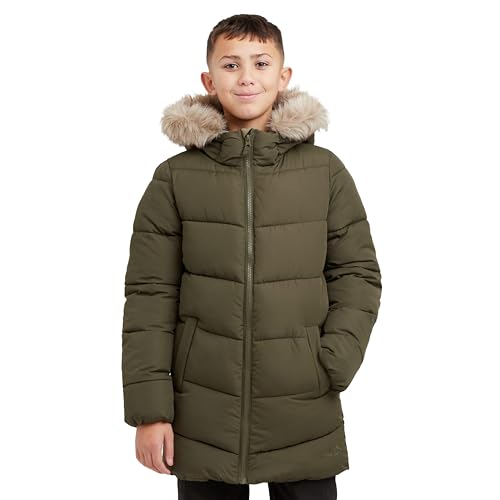
Peter Storm Kids’ Baffle Parka Longline Insulated Winter Coat, Khaki
£24.99 *View On Amazon* - Kid's Insulated Jackets
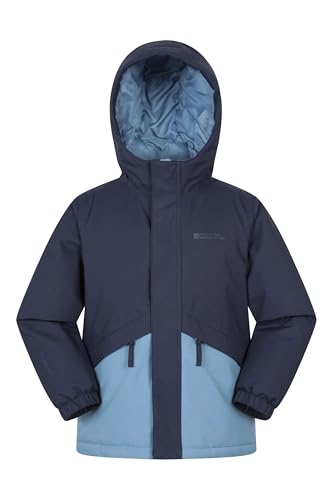
Mountain Warehouse Cyclone Kids Waterproof Padded Jacket Navy 9-10y
£29.99 *View On Amazon* - Kid's Insulated Jackets
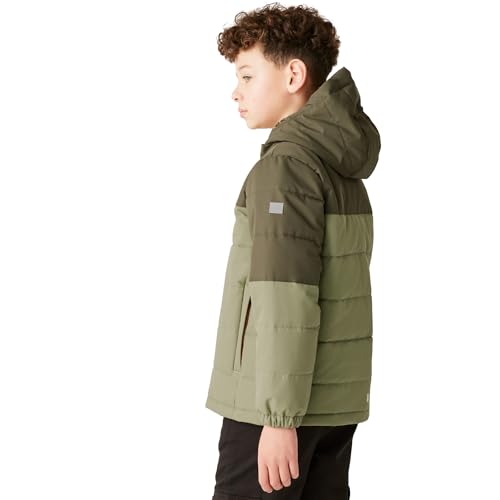
Mountain Warehouse Hawthorne Kids Water Resistant Padded Jacket, Khaki, 9-10y
£34.99 *View On Amazon* - Kid's Insulated Jackets
Mountain Warehouse Seasons Kids Padded Puffer Jacket, Pale Pin, 5-6y
Original price was: £24.99.£19.99Current price is: £19.99. *View On Amazon* - Kid's Insulated Jackets
BuyiRen Kids Hooded Fleece-Lined Rain Jacket, Light Blue, 12-13 Years
£22.98 *View On Amazon* - Kid's Insulated Jackets
Disney Minnie Mouse Pink Insulated Hooded Raincoat 18-24 Months 92cm
£19.99 *View On Amazon* - Kid's Insulated Jackets
Regatta Kids Halkner Quilted Insulated Winter School Jacket
£16.75 *View On Amazon* - Kid's Insulated Jackets
Regatta Kids Junior Valenta Waterproof Jacket with Reflective Detail
£26.53 *View On Amazon* - Kid's Insulated Jackets
Regatta Kids Hurdle Waterproof Insulated Jacket with Reflective Trims
£32.65 *View On Amazon* - Kid's Insulated Jackets
Regatta Kids Hurdle Waterproof Insulated Jacket with Reflective Trims
£35.00 *View On Amazon* - Kid's Insulated Jackets
Regatta Kids Lofthouse Insulated Water Repellent Jacket with Reflective Trims
£15.00 *View On Amazon*




What Are Kid’s Insulated Jackets?
Kid’s insulated jackets are warm outer layers made with insulating material between the outer fabric and inner lining. Their main job is to help retain body warmth while still allowing children to move comfortably.
Depending on the product, insulation may be synthetic, down style or another listed material. Some jackets may be lightweight and packable, while others may be thicker and warmer for colder conditions.
They can be used as everyday winter jackets, outdoor activity layers or part of a wider layering system with base layers, fleeces and waterproof outerwear where suitable.
What Are Kid’s Insulated Jackets Used For?
Kid’s insulated jackets are used for warmth during cold or changeable weather. They are useful for walks, school journeys, camping, days out, holidays, playground use, outdoor learning, spectating sport and general winter wear.
They can also be helpful after activity, when children cool down quickly. For example, an insulated jacket can be useful after football training, outdoor clubs, cycling, hiking or winter play.
For active children, a good insulated jacket should feel warm without being so bulky that it gets in the way.
How To Choose The Right Kid’s Insulated Jacket
Start by thinking about the main use. A jacket for everyday school runs may need to be durable and easy to wear. A jacket for hiking or camping may need to be lighter, more packable and easier to layer.
Next, consider the level of warmth needed. A lightweight insulated jacket may suit milder days or active children who warm up quickly. A thicker jacket may be better for colder conditions, slower activities or children who feel the cold more easily.
Fit is also important. The jacket should allow room for a base layer or fleece underneath, but it should not be so large that warmth escapes or the child feels restricted.
Key Features To Compare
When comparing kid’s insulated jackets, look at insulation type, warmth level, outer material, lining, hood style, pocket layout, cuffs, hem adjustment, zip design and overall weight.
A hood can be useful for extra warmth around the head and neck where included. Elasticated cuffs, adjustable hems or close fitting openings may help reduce heat loss depending on the product.
Pockets are practical for gloves, small essentials or cold hands. Some jackets may also include zipped pockets where listed, which can be useful for school trips or outdoor activities.
Insulated Jackets Compared With Waterproof Jackets
Insulated jackets are mainly designed for warmth. Waterproof jackets are mainly designed to protect against rain. Some jackets may offer both features where listed, but not every insulated jacket is fully waterproof.
If the weather is cold and dry, an insulated jacket may be the right outer layer. If it is wet, a waterproof layer may be needed over or instead of the insulated jacket depending on the product and conditions.
The trade off is warmth versus weather protection. For the best outdoor comfort, many children benefit from a layering system that includes both insulation and waterproof protection where suitable.
Insulated Jackets Compared With Fleeces
Fleeces are warm, breathable mid layers that can be worn under coats or on their own in mild conditions. They are often comfortable and flexible for active use.
Insulated jackets usually offer more warmth and weather resistance as an outer layer, depending on the product. They can be more protective in cold air and may be better for standing around or slower outdoor activities.
A fleece may suit active movement, while an insulated jacket may be better when warmth is the main priority. Many children use both together in colder weather.
Synthetic Insulation Compared With Down Style Insulation
Synthetic insulation is often chosen for practical everyday use because it can still provide warmth when conditions are damp, depending on the product and construction. It may also be easier to care for in some cases.
Down style insulation can offer strong warmth for its weight where listed, but care requirements and suitability can vary by product. It may need more careful handling, especially in wet conditions.
The best choice depends on the child, activity and weather. Always check the product listing for insulation type, care guidance and intended use.
Beginner, Regular Outdoor User And Experienced Family Guidance
For everyday use, choose a kid’s insulated jacket that is warm, comfortable and easy for the child to put on and take off. Simple features often matter more than technical details for daily wear.
For regular outdoor activities, compare weight, packability, warmth, hood design and how well the jacket layers with waterproofs or base layers. Comfort during movement becomes more important when children are active for longer.
For experienced outdoor families, think about the jacket as part of a full clothing system. Base layers, fleeces, insulated jackets and waterproof shells all have different roles.
Use Cases By Activity And Weather
For school runs and everyday wear, a warm insulated jacket can help children stay comfortable during cold mornings, playground breaks and travel between activities.
For walking and hiking, a lighter insulated jacket may work well as a warm layer during rests, lunch stops or colder sections of the route.
For camping, insulated jackets are useful in the evening, early morning and around the campsite when temperatures often drop.
For sports sidelines, spectating and outdoor clubs, a warmer insulated jacket can help children stay comfortable when they are not moving as much.
Fit, Sizing And Comfort
Fit can vary between brands and products, so always check the size information shown on the listing. A kid’s insulated jacket should allow movement through the shoulders, arms and body.
Children should be able to run, sit, reach, bend and play comfortably. Sleeves should not cover the hands too much, and the jacket should not ride up awkwardly when the child moves.
If buying for layering, allow enough room for a jumper, fleece or base layer underneath. Avoid sizing up too much, as a jacket that is too large may feel bulky and less warm.
Warmth, Breathability And Layering
Warmth depends on insulation, jacket design, fit and what is worn underneath. A well fitted insulated jacket can help trap warm air close to the body.
Breathability matters for active children. If a jacket is too warm for high energy play, the child may overheat and become uncomfortable. For active days, lighter insulation and breathable layers may be more practical.
Layering gives more flexibility. A base layer can help with comfort, a fleece can add warmth and an insulated jacket can provide outer warmth. In wet weather, a waterproof layer may also be needed where suitable.
Hoods, Pockets And Practical Details
A hood can be useful in cold wind or light weather, especially if the child does not like wearing hats. Some hoods may be fixed, adjustable or removable where listed.
Pockets are useful for gloves, tissues, small items and hand warmth. Zipped pockets can be helpful where listed, especially on trips or busy days out.
Zip guards, soft chin areas, elastic cuffs and easy pull zips can make a jacket more comfortable and child friendly depending on the product.
Compatibility With School And Outdoor Kit
Kid’s insulated jackets should work with the child’s wider clothing and activity kit. Think about school bags, sports bags, waterproof trousers, walking boots, gloves, hats and scarves.
If the jacket will be worn to school, check whether it suits school rules and everyday use. Darker colours may be practical for some children, while brighter colours may be easier to spot outdoors where available.
For outdoor trips, make sure the jacket fits comfortably under or over other layers depending on the intended use.
Safety And Outdoor Practicality
Children should be able to move freely and safely in an insulated jacket. Avoid jackets that are so bulky they restrict arm movement, block vision or make play awkward.
For low light conditions, reflective details may be useful where listed. They should be considered alongside safe behaviour, suitable lighting and visible clothing when needed.
In cold weather, an insulated jacket is only one part of staying warm. Hats, gloves, socks, suitable footwear and waterproof clothing may also be needed depending on the conditions.
Care, Washing And Drying
Always follow the care instructions shown on the product label or listing. Insulated jackets can have specific washing and drying needs depending on the insulation and outer fabric.
Avoid leaving damp jackets packed away in bags. Let them dry properly before storage, especially after rain, snow, camping or muddy outdoor play.
Check zips, seams, cuffs and pockets regularly. Children’s jackets often work hard, so small signs of wear can appear sooner with daily use.
Storage And Seasonal Organisation
Store kid’s insulated jackets clean and dry when not in use. Hanging them up can help them keep their shape, while some lightweight jackets may pack down where listed.
Before winter or a trip, check the fit, zip, hood and pockets to make sure the jacket is still suitable. Children grow quickly, so last year’s jacket may no longer layer comfortably.
For family outdoor kit, keeping jackets, gloves, hats and base layers together can make school mornings and trip packing much easier.
Useful Accessories To Consider
Kid’s insulated jackets work well with other cold weather clothing. Base layer tops, base layer bottoms, fleeces, waterproof jackets, gloves, hats, neck warmers and thermal socks may all be useful depending on the activity.
For camping and hiking, a small backpack, water bottle, waterproof trousers and suitable footwear can help complete the setup.
For everyday winter use, spare gloves and a warm hat can make a big difference, especially for children who spend time outdoors before and after school.
Why Buy From YPC?
At YPC, we understand active lifestyles and the need for practical products that work in real use. Kid’s insulated jackets should keep children comfortable, suit the weather and fit naturally into family routines, school days and outdoor activities.
This category helps you compare warmth, fit, insulation, hood design, pockets, layering suitability and care needs without overcomplicating the choice. Browse the kid’s insulated jackets at YPC, compare the available options and choose the jacket that suits your child’s next cold weather adventure.
FAQs
What is a kid’s insulated jacket used for?
A kid’s insulated jacket is used to help keep children warm in cold weather. It can be worn for school, outdoor play, camping, walking, travel and everyday winter use.
Are kid’s insulated jackets waterproof?
Some kid’s insulated jackets may offer water resistance or waterproof protection where listed, but not all do. Check the product details carefully before relying on one for wet weather.
What should children wear under an insulated jacket?
Children can wear a base layer, T shirt, jumper or fleece under an insulated jacket depending on the weather and activity. Layering helps adjust warmth more easily.
Is an insulated jacket warmer than a fleece?
An insulated jacket is often warmer as an outer layer, depending on the product. A fleece can still be very useful as a mid layer under a jacket or for milder days.
Should a kid’s insulated jacket be loose or fitted?
It should allow comfortable movement and room for layers, but it should not be overly loose. A jacket that is too large may feel bulky and may not retain warmth as effectively.
Are lightweight insulated jackets warm enough for winter?
Lightweight insulated jackets can be suitable for milder winter days or active use, depending on the product and layers worn underneath. Colder conditions may need thicker insulation or extra layers.
How do I wash a kid’s insulated jacket?
Follow the care instructions on the product label or listing. Insulated jackets can have specific washing and drying guidance depending on the insulation and fabric.
What accessories go well with a kid’s insulated jacket?
Useful accessories may include hats, gloves, base layers, fleeces, waterproof trousers, warm socks and suitable footwear. The right accessories depend on the weather and activity.
 Getting ready for Summer? View our Home and Garden Products

Heading outdoors this winter? Take a look at our Outdoor Clothing.