
Women's Softshell Jackets
Women’s softshell jackets are practical outdoor layers designed for movement, comfort and light weather protection during active days outside. They are useful for walking, hiking, travel, camping, commuting, dog walking, school runs and everyday outdoor wear when you want more flexibility than a heavy coat.
At YPC, you can browse women’s softshell jackets for different seasons, activities and routines. This category helps you compare fit, fabric, stretch, warmth, wind resistance, water resistance, hood design, pockets, layering space and care needs before choosing.
- Women's Softshell Jackets
Women’s Lightweight Waterproof Hooded Rain Jacket, White, XXXL
£3.99 *View On Amazon* - Women's Softshell Jackets
duxyoz Women’s Waterproof Winter Jacket with Hood and Fleece Lining
£14.99 *View On Amazon* - Women's Softshell Jackets
Innfttwo Women’s Lightweight Packable Waterproof Rain Jacket with Hood
£10.99 *View On Amazon* - Women's Softshell Jackets
Anbiryeik Womens Lightweight Waterproof Hooded Softshell Jacket, B Green L
£12.99 *View On Amazon* - Women's Softshell Jackets
Women’s Lightweight Waterproof Hooded Softshell Jacket
Original price was: £19.99.£17.99Current price is: £17.99. *View On Amazon* - Women's Softshell Jackets
Women’s Lightweight Waterproof Hooded Raincoat Jacket with Pockets
£14.59 *View On Amazon* - Women's Softshell Jackets
HEEKPEK Women’s Lightweight Waterproof Autumn Jacket with Hood
Original price was: £35.99.£30.99Current price is: £30.99. *View On Amazon* - Women's Softshell Jackets
RITOSTA Women’s Beige Hooded Softshell Gilet, Size L
£19.99 *View On Amazon* - Women's Softshell Jackets
Peter Storm Womens Blisco Insulated Hooded Jacket, UK 20, Black
£32.95 *View On Amazon* - Women's Softshell Jackets
chiguomaoyi Women’s Long Softshell Waterproof Jacket with Hood
£49.99 *View On Amazon* - Women's Softshell Jackets
Women’s Lightweight Waterproof Hooded Zip Rain Jacket
£10.69 *View On Amazon* - Women's Softshell Jackets
33,000ft Women’s Waterproof Softshell Jacket with Hood
£55.99 *View On Amazon* - Women's Softshell Jackets
33,000ft Women’s Softshell Cycling Jacket with Hood
Original price was: £44.99.£40.49Current price is: £40.49. *View On Amazon* - Women's Softshell Jackets
Rab Women’s Borealis Hoody Jacket – Tempest Blue – Size 12
£85.00 *View On Amazon* - Women's Softshell Jackets
Columbia Women’s Flash Forward II Windbreaker Jacket, Black XS
Original price was: £45.00.£27.99Current price is: £27.99. *View On Amazon* - Women's Softshell Jackets
33,000ft Women’s Softshell Gilet with Fleece Lining and 4 Pockets
£29.99 *View On Amazon* - Women's Softshell Jackets
Columbia Women’s Copper Crest 2 Hooded Jacket, Black, Medium
£48.63 *View On Amazon* - Women's Softshell Jackets
TCA Women’s Reflective Packable Running Softshell Jacket, Navy Blazer, S
£9.99 *View On Amazon* - Women's Softshell Jackets
Mountain Warehouse Iona Womens Longline Softshell Rain Jacket, Dark Grey, Size 18
£44.99 *View On Amazon* - Women's Softshell Jackets
The North Face Women’s Resolve Waterproof Hiking Jacket, Summit Navy, S
£57.50 *View On Amazon* - Women's Softshell Jackets
Outdoor Ventures Women’s Waterproof Softshell Gilet with Fleece Lining
£24.99 *View On Amazon* - Women's Softshell Jackets
33,000ft Women’s Waterproof Packable Rain Jacket with Hood
£33.99 *View On Amazon* - Women's Softshell Jackets
Amazon Essentials Women’s Classic-Fit Full Zip Polar Fleece Jacket, Black, M
£19.00 *View On Amazon* - Women's Softshell Jackets
Regatta Professional Womens Ablaze 3-Layer Softshell Jacket, Navy, EU 18
£20.93 *View On Amazon*


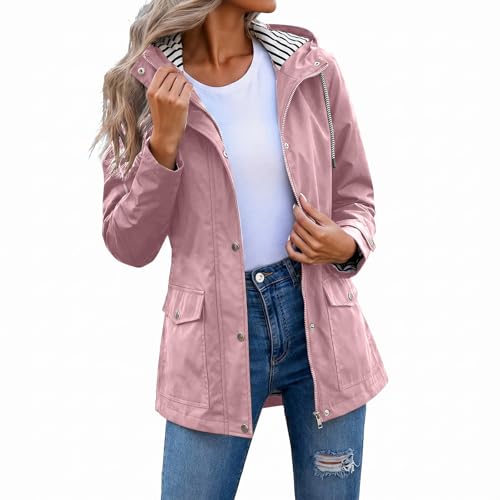


What Are Women’s Softshell Jackets?
Women’s softshell jackets are outer or mid layer jackets made from flexible fabric that usually offers a balance of comfort, movement and light protection from wind or showers where listed. They are often chosen for active outdoor use because they can feel less stiff than many waterproof jackets.
Depending on the product, a women’s softshell jacket may include stretch fabric, brushed linings, adjustable hoods, zipped pockets, shaped hems, adjustable cuffs, breathable panels or water resistant finishes where listed.
Softshell jackets are not all the same. Some are lightweight and suited to mild conditions, while others are warmer and more protective for cooler weather.
What Are Women’s Softshell Jackets Used For?
Women’s softshell jackets are used for outdoor activities where freedom of movement and comfort matter. They can be worn for walking, hiking, camping, dog walking, travel, cycling, commuting, outdoor work and casual daily wear.
They are especially useful in cool, dry or lightly damp weather when a full waterproof jacket may feel too warm or restrictive. A softshell can also work well over a base layer or fleece, depending on the temperature.
For everyday use, women’s softshell jackets can be a practical choice because they often feel comfortable enough for regular wear while still offering useful outdoor features.
How To Choose The Right Women’s Softshell Jacket
Start by thinking about your main activity. For walking and hiking, look for comfort, stretch, pockets and weather suitability where listed. For commuting or casual wear, fit, style and easy layering may matter more.
Next, consider the weather. A softshell jacket may help with wind and light showers where listed, but it is not always designed for heavy or prolonged rain. If you often walk in wet weather, you may also need a waterproof jacket.
Fit is important too. A women’s softshell jacket should allow comfortable movement through the shoulders, arms and body. If you plan to wear a fleece or base layer underneath, allow enough room without making the jacket feel bulky.
Key Features To Compare
When comparing women’s softshell jackets, look at fabric stretch, wind resistance, water resistance, warmth, breathability, hood design, pocket layout, cuffs, hem shape and overall fit.
Stretch fabric can be useful for walking, hiking, reaching, travelling and general movement. A brushed inner lining may add warmth where listed, while a lighter fabric may suit active or milder use.
Pockets are worth checking carefully. Zipped hand pockets, chest pockets or internal pockets can be useful for keys, phones, gloves and small essentials depending on the product.
Softshell Jackets Compared With Waterproof Jackets
Softshell jackets and waterproof jackets both have a place in outdoor clothing, but they are designed for different priorities. A softshell jacket usually focuses on movement, comfort, breathability and light weather protection where listed.
A waterproof jacket is designed mainly to help protect against rain. It may be the better choice for heavy showers, long wet walks, camping in bad weather or exposed routes.
The trade off is comfort and rain protection. A softshell may feel better for active use in cool or dry conditions, while a waterproof jacket is more suitable when staying dry is the main priority.
Softshell Jackets Compared With Fleece Jackets
Fleece jackets are warm, soft and useful as mid layers. They can be comfortable for walking, camping, travel and everyday warmth, but they may not offer much wind or water protection unless specifically listed.
Women’s softshell jackets usually offer more structure and may provide better protection against wind and light weather. They can often be worn as an outer layer in suitable conditions.
A fleece may be better for warmth under a coat, while a softshell may be better when you want one flexible layer for outdoor movement.
Softshell Jackets Compared With Insulated Jackets
Insulated jackets are designed mainly for warmth. They are useful in cold weather, when standing around outdoors or during slower activities where retaining heat is the priority.
Softshell jackets are usually more focused on movement and active comfort. They may not be as warm as insulated jackets, but they can feel more breathable and flexible during walking or hiking.
If you are moving quickly, a softshell may be more comfortable. If you are standing still in cold weather, an insulated jacket may be more suitable.
Softshell Jackets Compared With Casual Jackets
Casual jackets are usually designed for everyday style and general comfort. They may be useful for town wear, commuting and relaxed routines, but they are not always made for active outdoor movement.
Women’s softshell jackets often include more outdoor focused details, such as stretch fabric, wind resistance, water resistance or practical zipped pockets where listed.
If you want a jacket mainly for appearance, a casual jacket may suit. If you want a practical layer for walking, travel and active outdoor use, a softshell jacket may be the better fit.
Lightweight Softshells Compared With Warmer Softshells
Lightweight softshell jackets can be useful for spring, autumn, travel and active use. They are often easier to layer and may feel more comfortable when you are moving quickly.
Warmer softshell jackets may include thicker fabric or a brushed inner lining where listed. These can be useful for colder walks, camping evenings, dog walking and daily wear in cooler weather.
The right choice depends on your activity and season. A lighter softshell may suit high energy days, while a warmer softshell may suit slower outdoor routines.
Beginner, Regular Outdoor User And Experienced User Guidance
If you are buying your first women’s softshell jacket, focus on comfort, simple fit and the weather you are most likely to face. A practical jacket that feels good to wear is usually more useful than one with features you do not need.
Regular outdoor users may want to compare stretch, breathability, pocket placement, hood design and how well the jacket works with base layers, fleeces and waterproofs.
Experienced users may choose different softshells for different roles. A lighter jacket may suit fast walks and travel, while a warmer or more protective softshell may suit colder days, campsites and longer outdoor sessions where suitable.
Use Cases By Activity And Routine
For walking and hiking, women’s softshell jackets are useful when you want flexibility, comfort and light protection from wind or changeable conditions. They can be worn over base layers or light fleeces depending on the temperature.
For camping, a softshell jacket can be useful around the campsite, during evening walks and on cooler mornings. It can feel less bulky than a heavy coat while still offering useful coverage.
For dog walking and school runs, softshell jackets can provide everyday practicality, especially when you need pockets, comfort and easy movement.
For travel and commuting, a softshell can be a versatile layer that works with jeans, walking trousers, leggings or outdoor clothing depending on the style and fit.
Fit, Sizing And Comfort
Fit can vary between brands and products, so always check the size information shown on the listing. A women’s softshell jacket should feel comfortable across the shoulders, bust, arms and waist.
You should be able to reach, bend, walk, sit and carry a bag without the jacket pulling or restricting movement. If the jacket feels tight across the shoulders or underarms, it may not be suitable for active use.
If you plan to layer underneath, allow room for a base layer, T shirt or fleece. Avoid choosing a jacket that is much too large, as excess fabric can feel bulky and may reduce warmth.
Fabric, Stretch And Movement
The fabric is one of the main reasons people choose softshell jackets. Stretch can help the jacket move with the body during walking, hiking, climbing steps, cycling or general outdoor activity.
Some softshell fabrics may feel smooth on the outside and softer inside where listed. Others may be thinner and more lightweight for milder conditions.
Movement matters in real use. A jacket should not feel restrictive when reaching forward, wearing a rucksack, walking uphill or moving quickly.
Wind Resistance, Water Resistance And Breathability
Many women’s softshell jackets offer wind resistance or water resistance where listed, but this varies by product. Always check the product details before relying on a jacket for specific weather conditions.
Water resistant does not always mean waterproof. A softshell may cope with light showers where listed, but heavy or prolonged rain usually calls for a waterproof jacket.
Breathability is one of the reasons softshells are popular for active use. A breathable fabric can help reduce clammy discomfort, although no jacket can remove all heat or moisture during hard activity.
Hoods, Collars And Weather Coverage
A hood can make a women’s softshell jacket more useful in cool wind or light rain where included. Some hoods may be adjustable, removable or shaped for better coverage where listed.
A higher collar can help protect the neck from wind and cooler air. This can be useful when walking, camping or travelling in changeable weather.
Cuffs and hems also affect comfort. Adjustable or elasticated cuffs may help reduce draughts, while a shaped hem can improve coverage when moving or carrying a bag where included.
Pockets, Zips And Everyday Practicality
Pockets can make a softshell jacket much more useful day to day. Zipped hand pockets can help keep small items more secure, while chest or internal pockets may be useful where listed.
Zip design also matters. A full front zip makes the jacket easy to open for ventilation. Zip guards, storm flaps or chin guards may add comfort depending on the product.
If you use a rucksack or handbag, check whether the pocket placement still works when straps are in place. Practical details are often what make a jacket easy to wear regularly.
Layering With Base Layers, Fleeces And Waterproofs
Women’s softshell jackets work well as part of a layering system. A base layer can help with comfort next to the skin, a fleece can add warmth and a softshell can act as the outer layer in suitable conditions.
In wet weather, a waterproof jacket may be needed over or instead of the softshell, depending on the product and conditions. In colder weather, an insulated jacket may be more suitable if warmth is the main priority.
Layering gives you more flexibility than relying on one jacket for every situation. Choose layers based on temperature, wind, rain and activity level.
Compatibility With Outdoor Clothing And Kit
Women’s softshell jackets should work with the rest of your outdoor clothing. Think about walking trousers, leggings, base layers, fleeces, waterproof trousers, hiking boots, trainers, gloves and hats.
If you carry a backpack, check shoulder comfort, pocket access and hem length. If you cycle or commute, make sure the jacket allows safe movement and does not catch or restrict your riding position.
For travel, consider how easily the jacket packs, how well it works with different outfits and whether it is comfortable enough for long days of wear.
Safety And Practical Outdoor Considerations
A women’s softshell jacket should support safe movement and visibility. It should not restrict arm movement, block your side vision or interfere with bags, bikes or walking poles.
Reflective details may be useful where listed, especially for commuting, dog walking or low light conditions. They should be considered alongside lights, visible clothing and sensible route choices.
Softshell jackets are not specialist protective clothing. If you need safety wear, workwear or certified weather protection, choose products specifically listed for that purpose.
Care, Washing And Drying
Always follow the care instructions shown on the product label or listing. Softshell fabrics can vary, and some may have specific washing or drying guidance.
After wet or muddy use, hang the jacket up and let it dry properly before storing. Avoid leaving damp jackets in bags, cars or laundry piles for long periods.
If the jacket has a water resistant finish, care guidance may explain how to look after it. Using unsuitable washing methods may affect how the fabric performs over time.
Storage And Seasonal Organisation
Store women’s softshell jackets clean and dry when not in use. Hanging them can help keep their shape, while some lighter styles may fold neatly for travel where suitable.
Before a new season or trip, check that the jacket still fits comfortably over your usual layers and that the zip, pockets, cuffs and hood work properly.
If you use outdoor clothing regularly, keep your softshell jacket with base layers, fleeces and waterproofs so it is easy to choose the right layer for the day.
Useful Accessories To Consider
Women’s softshell jackets work well with practical outdoor clothing and accessories. Base layers, fleeces, waterproof jackets, walking trousers, waterproof trousers, hiking boots, gloves, hats and neck warmers may all be useful depending on the weather.
For walking or hiking, a rucksack, water bottle, walking socks and dry bag can help keep kit organised. For commuting or travel, a compact umbrella, backpack or packable waterproof layer may be useful.
Choose accessories based on where and how you use the jacket. A softshell works best when it fits into a sensible clothing setup.
Why Buy From YPC?
At YPC, we understand active lifestyles and the need for practical products that work in real use. Women’s softshell jackets should feel comfortable, move easily and suit the way you spend time outdoors, whether that means walking, travelling, camping, commuting or everyday wear.
This category helps you compare fit, stretch, fabric, warmth, wind resistance, water resistance, hood design, pockets, layering compatibility and care needs without overcomplicating the choice. Browse the women’s softshell jackets at YPC, compare the available options and choose the jacket that suits your next walk, trip, commute or outdoor day.
FAQs
What is a women’s softshell jacket used for?
A women’s softshell jacket is used for walking, hiking, travel, camping, commuting, dog walking and everyday outdoor wear where comfort, movement and light weather protection are useful.
Are women’s softshell jackets waterproof?
Some women’s softshell jackets may offer water resistance where listed, but they are not always fully waterproof. For heavy or prolonged rain, a waterproof jacket is usually more suitable.
What is the difference between softshell and waterproof jackets?
A softshell jacket usually focuses on stretch, comfort, breathability and light weather protection. A waterproof jacket focuses mainly on rain protection.
Are softshell jackets warm?
Some softshell jackets offer warmth where thicker fabrics or brushed linings are listed. Lightweight softshells may be better for active use or milder conditions.
Can I wear a softshell jacket for hiking?
Yes, softshell jackets can be useful for hiking in cool, dry or lightly damp conditions. For heavy rain, pack or wear a waterproof layer as well where needed.
Should a women’s softshell jacket fit tightly?
It should fit comfortably and allow movement. A closer fit may suit active use, while a slightly roomier fit may be better if you plan to wear layers underneath.
Can I wear a fleece under a softshell jacket?
Yes, a fleece can be worn under a softshell jacket where the fit allows. This can add warmth in cooler conditions without needing a heavier coat.
How do I wash a women’s softshell jacket?
Follow the care instructions on the product label or listing. Softshell fabrics can have specific care needs, especially where water resistant finishes are included.
 Getting ready for Summer? View our Home and Garden Products

Heading outdoors this winter? Take a look at our Outdoor Clothing.