
Women's Trainers
Women’s Trainers are practical footwear for everyday wear, light activity, travel, gym sessions, walking, commuting and relaxed outdoor use. Whether you need comfortable shoes for busy days, casual trainers for daily outfits or sport focused footwear for active routines, the right pair should support your feet and suit how you actually move.
This category includes women’s trainers in different styles, fits and uses. Depending on the product, you may find casual trainers, fitness trainers, walking trainers, running inspired styles, slip on trainers, lace up trainers, cushioned trainers and lightweight designs with breathable uppers, supportive soles or grippy outsoles where listed.
- Women's Trainers
Safety Trainers with Steel Toe Cap, Swivel Buckle Shoelaces
£32.99 *View On Amazon* - Women's Trainers
Safety Trainers – Mens and Womens Lightweight Breathable Steel Toe Cap Safety Shoes
£37.99 *View On Amazon*


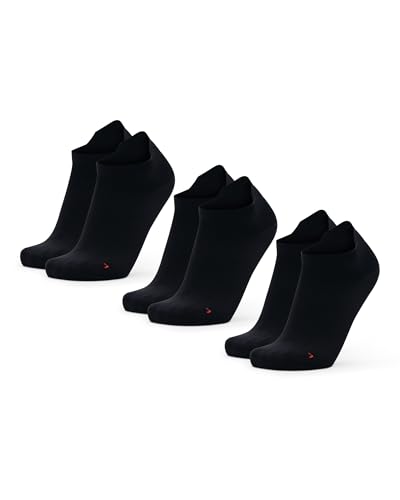
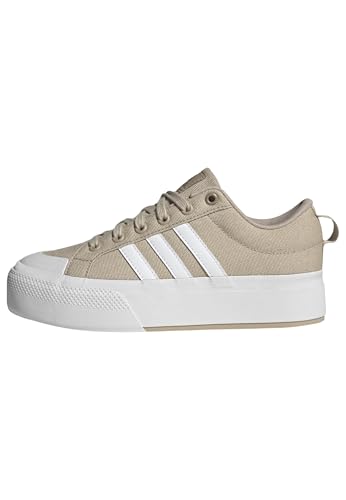


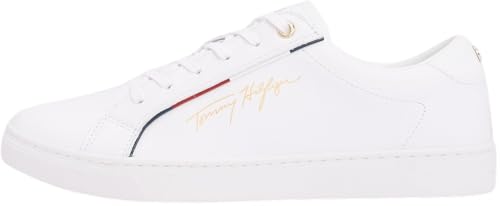


What Are Women’s Trainers?
Women’s trainers are versatile shoes designed for comfort, movement and casual or active use. They are usually more flexible and practical than formal footwear, while offering more support and cushioning than simple flat shoes or sandals.
The exact design can vary widely. Some trainers are made mainly for casual everyday wear, while others are designed for gym use, walking, running style comfort or specific sport activities where listed. Always check the product details carefully before choosing.
What Women’s Trainers Are Used For
Women’s trainers can be used for everyday errands, school runs, commuting, gym sessions, fitness classes, walking, travel, holidays, light outdoor activity and casual wear. They are popular because they work with many outfits and can handle more movement than smarter footwear.
For daily wear, comfort and style are often the main priorities. For exercise, support, grip, cushioning and breathability become more important. For travel, lightweight comfort and easy outfit matching may matter most.
The right trainers should suit the activity, the surface and the amount of time you expect to spend on your feet.
How To Choose The Right Women’s Trainers
Start with the main use. If you need trainers for everyday wear, look for comfort, fit and styling that works with your wardrobe. If you need trainers for walking or fitness, check cushioning, support and grip features where listed.
Next, think about fit. Women’s trainers should feel secure around the heel and midfoot, with enough room at the toes. They should not pinch, rub or allow the foot to slide around inside the shoe.
Finally, consider how often they will be worn. Trainers used daily need to feel comfortable over longer periods and should suit the surfaces you walk on most often, such as pavements, indoor floors, parks or gym spaces.
Key Features To Compare
Cushioning is one of the main features to compare. Some women’s trainers offer a softer underfoot feel, while others may feel firmer and more stable where listed. The right choice depends on comfort preference and activity.
Support is also important. Look at heel structure, arch feel, midfoot hold and sole shape where product details are available. A trainer that feels supportive for one person may not suit another foot shape.
Upper material can affect comfort and breathability. Mesh style uppers may feel lighter, while more structured materials may offer a different fit or appearance depending on the product.
Sole grip, weight, fastening style, ankle shape, toe room and ease of cleaning are also worth comparing, especially if the trainers will be used often.
Women’s Trainers Compared With Walking Shoes
Women’s trainers are often chosen for versatility, comfort and everyday style. They can be suitable for casual walking, errands, travel and light activity depending on the product.
Walking shoes are usually designed more specifically for outdoor walking, paths and longer distances. They may offer more structured support, weather suitability or sole grip where listed.
The trade off is flexibility. Trainers may feel lighter and easier for everyday wear, while walking shoes may be more practical for longer routes, muddy paths or changeable outdoor conditions.
Women’s Trainers Compared With Running Shoes
Running shoes are designed around running movement and repeated impact. They may include specific cushioning, support and sole designs where listed.
Women’s trainers can include running inspired styles, but not all trainers are suitable for running. Some are mainly for casual wear, gym use or general comfort.
If you plan to run regularly, check the product details carefully and choose footwear clearly suitable for running. If you need everyday comfort and light activity footwear, general trainers may be enough.
Women’s Trainers Compared With Formal Shoes
Formal shoes are usually chosen for smart outfits, workwear and occasions. They may look polished, but they are not always ideal for long walking, active days or casual comfort.
Women’s trainers are usually chosen for practicality and comfort. They can work well for travel, errands, casual outfits and active routines.
The trade off is dress code. Trainers may not suit formal settings, while formal shoes may not offer the same comfort for everyday movement. Many wardrobes benefit from both options.
Beginner Regular And Active Use Guidance
For everyday buyers, focus on comfort, fit and versatility. A simple pair of trainers that works with jeans, leggings, joggers or casual dresses can be useful across the week.
For regular walkers or commuters, compare cushioning, sole grip, breathability and support more carefully. Trainers worn for long days need to feel comfortable after several hours, not just when first tried on.
For gym and fitness use, think about movement type. Some activities need stability, some need flexibility and some need cushioning. Check the product listing for intended use where stated.
Use Cases By Activity
For everyday wear, choose trainers that feel comfortable, suit your outfit style and work for typical daily movement.
For walking and errands, cushioning, grip and heel comfort can make a noticeable difference, especially on pavements or hard floors.
For gym sessions, look for trainers suited to the type of training you do where listed. Weight training, fitness classes and treadmill use may place different demands on footwear.
For travel, lightweight trainers that are comfortable for long days and easy to style can be practical.
For casual outdoor use, check the sole and upper carefully. Some trainers may suit dry paths and town use, while rougher ground may need walking shoes or outdoor footwear.
Fit Sizing And Foot Comfort
Women’s trainers should feel secure without feeling tight. The heel should stay in place, the midfoot should feel supported and the toes should have enough space to move naturally.
Check the size guide where listed and compare it with your usual shoe size. Some trainers may feel narrow, wide, cushioned, structured or flexible depending on the design.
If you wear thicker socks, insoles or orthotic inserts, make sure the trainers have enough room where compatible. A good fit should not rely on laces being pulled too tight.
Try to think about movement as well as standing comfort. Trainers should feel comfortable when walking, turning, stepping and standing for longer periods.
Support Cushioning And Grip
Support and cushioning can affect how trainers feel during daily wear. Softer cushioning may feel comfortable for casual walking, while firmer soles may feel more stable for some activities.
Grip is important on indoor floors, pavements, gym spaces and light outdoor surfaces. Sole patterns and materials can vary, so check the product details if you need trainers for specific conditions.
If you need footwear for wet, muddy, icy or uneven ground, trainers may not always be the most suitable choice unless the product clearly states relevant features. Walking shoes, hiking footwear or outdoor trainers may be better for those conditions.
Style Outfit Matching And Everyday Wear
Women’s trainers can be practical as well as easy to style. Simple colours may work well with casual outfits, travel clothing and activewear, while bolder designs can add more personality.
Think about how the trainers will be worn most often. A pair for work commutes may need a different look from a pair for the gym, holidays or weekend outfits.
If you want one versatile pair, consider a style that works with leggings, jeans, joggers, shorts and casual dresses where suitable.
Safety And Practical Considerations
Women’s trainers should match the activity and surface. Trainers with worn soles, poor grip or poor fit can feel unstable and uncomfortable.
Avoid using casual fashion trainers for activities they are not designed for. High impact exercise, long distance running, rough trails or wet outdoor routes may require more specialist footwear where suitable.
Laces should be tied securely before walking or training. Loose laces can become a trip hazard, and shoes that slip on the foot can affect comfort and movement.
If the trainers are used for gym or indoor sport, check venue footwear rules where relevant.
Care Cleaning And Storage
Always follow the care instructions for the product. Trainers may use mesh, leather, suede, synthetic materials, textiles, rubber soles or decorative finishes where listed, and these can need different care.
Remove loose dirt after use where suitable and let damp trainers dry naturally. Avoid placing them too close to strong heat, as this may affect materials or shape.
Store trainers in a dry, ventilated place. If they are used for sport, let them air properly before putting them in a gym bag or wardrobe.
Keeping everyday trainers separate from muddy outdoor footwear can help them stay cleaner and more pleasant to wear.
Useful Accessories To Consider
Useful accessories for women’s trainers may include trainer socks, sports socks, insoles where compatible, shoe care products, waterproof sprays where suitable, gym bags, walking clothing, leggings, hoodies and lightweight jackets.
For gym use, spare socks and a kit bag can be practical. For travel, a shoe bag can help keep trainers separate from clean clothing.
Choosing accessories alongside trainers helps make sure your footwear works comfortably with the clothing and activities you use most often.
Why Buy From YPC?
At YPC, we understand active lifestyles and the need for practical products that work in real use. Women’s trainers should be chosen for comfort, fit, support, style and the way they will actually be worn.
YPC brings together a wide range of sports, outdoor and lifestyle products so you can compare available women’s trainers by size, use, comfort, fit and practicality. Browse the Women’s Trainers category to compare the range and choose suitable footwear for everyday wear, travel, walking, gym sessions and active routines.
FAQs
What are women’s trainers used for?
Women’s trainers are used for everyday wear, walking, travel, gym sessions, casual outfits, commuting and light activity. The right use depends on the product design and features where listed.
Are women’s trainers suitable for walking?
Some women’s trainers are suitable for casual walking and everyday errands where listed. For longer walks, uneven ground or wet conditions, walking shoes may be more suitable.
Can I wear trainers for the gym?
Some trainers may be suitable for gym use depending on the product and activity. Check the listing for intended use, grip, support and cushioning before buying for training.
Are trainers and running shoes the same?
Not always. Running shoes are designed specifically for running movement, while trainers may be designed for casual wear, gym use or general comfort. Check product details carefully if you plan to run.
How should women’s trainers fit?
They should feel secure around the heel and midfoot, with enough room at the toes. They should not pinch, rub, slide or feel unstable when walking.
What socks should I wear with women’s trainers?
Trainer socks, sports socks or casual socks may all be suitable depending on the trainer and activity. Sock thickness can affect fit, so choose socks that feel comfortable inside the shoe.
How do I clean women’s trainers?
Follow the product care instructions. Remove loose dirt where suitable, clean according to the material and let trainers dry naturally away from strong heat.
When should women’s trainers be replaced?
Replace trainers when the soles are badly worn, cushioning feels flat, grip has reduced, the uppers are damaged or they no longer feel comfortable and supportive.
 Getting ready for Summer? View our Home and Garden Products

Heading outdoors this winter? Take a look at our Outdoor Clothing.