
Women's Leggings
Women’s leggings are flexible lower body layers designed for casual wear, fitness, walking, travel, yoga, gym sessions, outdoor activities and everyday comfort. They are useful for women who want clothing that moves easily, layers well and suits a wide range of relaxed or active routines.
The right leggings should fit comfortably, feel secure and suit the way they will be worn. When comparing women’s leggings, look at fabric feel, stretch, waistband style, length, thickness, opacity where listed, pocket layout, compression where listed, care guidance and whether the leggings are intended for casual wear, sport, outdoor use or layering.
- Women's Leggings
CRZ YOGA Womens Fleece Lined Leggings 25" – Matte Thermal Winter Warm Thick Yoga Pants High Waist Casual Lounge Tights Trousers Black 10
Original price was: £31.00.£26.35Current price is: £26.35. *View On Amazon* - Women's Leggings
DVDVBOOM 3D Compression Leggings Women, High Waist Anti Cellulite Leggings, Workout Bum Scrunch Butt Lift Leggings, Gym Trousers Womens (UK, Alpha, L, Regular, Regular, Black)
Original price was: £13.99.£9.99Current price is: £9.99. *View On Amazon* - Women's Leggings
Leovqn Yoga Pants with Pockets Gym Legging Women High Waist Sport Running Workout Tummy Control Leggings – Deep Coal Multi Black XL
Original price was: £19.99.£14.99Current price is: £14.99. *View On Amazon* - Women's Leggings
OVRUNS Yoga Pants for Women Tummy Control Gym Leggings with Pockets for Sport Athletic Workout Running – Black Grey Dye- M
Original price was: £19.99.£16.99Current price is: £16.99. *View On Amazon* - Women's Leggings
MIRITY High Waist Leggings for Women – Full Length Buttery Soft Workout Stretchy Yoga Pants Black
Original price was: £9.49.£8.49Current price is: £8.49. *View On Amazon* - Women's Leggings
OVRUNS High Waist Gym Leggings for Women Yoga Pants with Pockets Workout Running Compression Leggings for Women – BlackCamo – M
Original price was: £20.99.£16.99Current price is: £16.99. *View On Amazon*




What Are Women’s Leggings
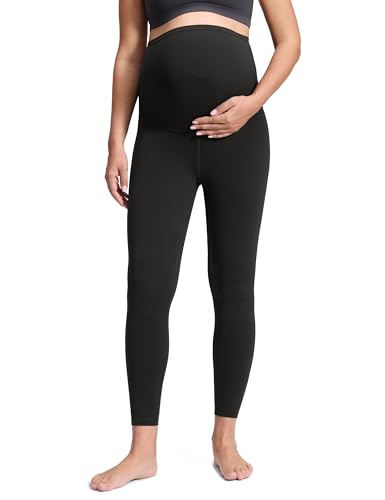
Women’s leggings are close fitting trousers made with stretch fabric. They are usually worn for comfort, movement and easy layering, either as casual clothing or as part of an active outfit.
Depending on the product, women’s leggings may include high waisted designs, full length legs, cropped legs, seamless construction, brushed inner fabric, side pockets, compression feel, moisture managing fabric, thermal lining or shaping panels where listed.
They are different from ordinary trousers because they are usually designed to sit closer to the body and move with you. They can also be different from base layer bottoms because many leggings are intended to be worn as visible outerwear, while base layers are usually worn underneath other clothing.
What Women’s Leggings Are Used For
Women’s leggings are used for gym training, yoga, Pilates, walking, running, travel, lounging, school runs, dog walking, hiking, camping and everyday casual outfits. They can be worn on their own where suitable or layered under longer tops, dresses, waterproof trousers or outdoor clothing.
For fitness, leggings can provide stretch and freedom of movement during bending, stretching, lifting or cardio sessions. For walking and outdoor use, they can offer comfort and easy movement on paths, parks and countryside routes where the fabric is suitable.
For travel and everyday wear, leggings are popular because they are easy to pack, comfortable for sitting and simple to pair with hoodies, fleeces, jackets and trainers.
How To Choose The Right Women’s Leggings
Start with the main use. If the leggings are for gym training, compare stretch, waistband security, opacity where listed and how they feel during movement. If they are for walking or outdoor wear, look at thickness, warmth, pockets and compatibility with jackets or waterproof layers.
Next, think about fabric thickness. Lightweight leggings may suit indoor training, warm weather and travel. Thicker leggings may feel more supportive or warmer in cooler weather, depending on the product.
Fit is important. Leggings should sit securely without digging in, slipping down or restricting movement. The waistband should feel comfortable when standing, sitting, bending and walking.
Also check care guidance. Leggings are often worn and washed frequently, so easy washing, drying and fabric care can be important for regular use.
Key Features To Compare
Stretch is one of the most important features. Leggings should move with the body during walking, stretching, squatting, climbing stairs or relaxing.
Waistband style affects comfort and support. High waisted leggings can feel secure for some wearers, while mid rise styles may feel less restrictive depending on body shape and preference.
Fabric feel matters because leggings sit close to the skin. Some fabrics feel smooth and cool, while others feel soft, brushed or warmer depending on the product.
Opacity should be checked where listed, especially if the leggings are for gym work, yoga or movement based activity. Product photos and descriptions can help, but fit and size also affect coverage.
Pocket layout can be useful for phones, keys, cards or small essentials. Side pockets, waistband pockets or zipped pockets where listed can make leggings more practical for walking and everyday use.
Length is also worth comparing. Full length leggings offer more coverage, while cropped or three quarter styles may suit warmer weather or indoor training.
Women’s Leggings Compared With Joggers And Walking Trousers
Joggers are usually looser and may feel warmer or more casual. They can be comfortable for lounging and light activity, but they may not offer the same close fit or stretch as leggings.
Walking trousers are designed for outdoor use and may include pockets, weather protection or tougher fabric where listed. They can be more practical for rough trails, wet grass or longer hikes.
Women’s leggings are often chosen for comfort, flexibility and easy movement. The trade off is that some leggings may offer less weather protection or abrasion resistance than outdoor trousers, so the best choice depends on the activity.
Sports Leggings Compared With Everyday Leggings
Sports leggings are usually designed for movement and active use. Depending on the product, they may include moisture managing fabric, compression feel, secure waistbands, stretch panels or pocket details where listed.
Everyday leggings are usually chosen for comfort, casual outfits and relaxed wear. They may feel softer or simpler, but may not have the same support or performance features as sport focused styles.
The better choice depends on how they will be worn. For gym sessions or yoga, sports leggings may be more suitable. For travel, lounging or casual wear, everyday leggings may be more comfortable.
Guidance For Beginners, Regular Users And Active Buyers
First time buyers should focus on comfort, fit and confidence. A simple pair of black or neutral leggings can be a useful starting point because they work with many tops, jackets and shoes.
Regular users may want several pairs for different activities. A thicker pair can suit cooler outdoor days, while a lighter pair may work better for training or warm weather.
Active buyers may compare waistband security, fabric stretch, breathability where listed, pocket placement and how the leggings feel during repeated movement. If leggings are worn for sport, they should not distract or need constant adjustment.
Outdoor users may want leggings that work with fleeces, waterproof jackets, walking shoes and backpacks. Warmth, coverage and practical pockets can matter more than gym styling.
Use Cases By Activity And Lifestyle
For gym training, women’s leggings should allow free movement and feel secure during exercise. Stretch, waistband fit and coverage are key factors to compare.
For yoga and Pilates, leggings should move comfortably through bending, stretching and floor work. Soft fabric and a non restrictive waistband can be useful.
For walking and dog walking, leggings can provide easy movement and comfort. Pockets, warmth and fabric thickness may be important depending on the weather.
For camping and travel, leggings can be useful as comfortable clothing for journeys, campsite evenings and relaxed outdoor days.
For everyday wear, leggings can be paired with hoodies, long tops, fleeces, casual jackets, trainers or boots depending on the style.
For colder weather, thermal or brushed leggings where listed may be worn as part of a warmer outfit.
Fit, Sizing And Comfort
Women’s leggings should fit close to the body without feeling too tight. They should stay in place during normal movement and should not dig into the waist, knees or ankles.
Check the size guide where listed. Sizing can vary between products, so compare waist, hip and leg length guidance where provided.
The waistband should feel secure but comfortable. If it rolls, slips or presses too hard, the leggings may not be the right fit or style for the wearer.
Leg length matters too. Full length leggings should sit comfortably at the ankle without bunching too much, while cropped styles should finish at a comfortable point on the leg.
If the leggings will be worn for exercise, check how they feel when bending, stretching and sitting, not just when standing still.
Compatibility With Tops, Footwear And Outdoor Layers
Women’s leggings work with a wide range of clothing. They can be worn with sports bras, T shirts, hoodies, fleeces, waterproof jackets, down jackets, tunics, long tops and casual coats.
For footwear, leggings can work with trainers, walking shoes, hiking shoes, boots or casual footwear depending on the activity. For outdoor use, sock choice and footwear comfort still matter.
If wearing leggings under waterproof trousers, ski trousers or outdoor overtrousers, choose a smooth fit that does not bunch or restrict movement.
If carrying a backpack, check that the waistband feels comfortable under a hip belt or longer jacket. Pocket placement can also matter if you need quick access to small items.
Weather Suitability And Layering
Weather suitability varies by product. Some women’s leggings may be lightweight and breathable, while others may be thicker, brushed, thermal or water resistant where listed.
Do not assume leggings are waterproof unless the product clearly states this. For rain, wet grass or muddy trails, waterproof trousers or more protective outdoor legwear may be needed.
In cold weather, leggings can be worn with longer socks, insulated jackets, fleeces or waterproof outer layers where suitable. In warm weather, lighter leggings may feel more comfortable for travel or indoor training.
Layering can make leggings more versatile. They can be worn under dresses, long tops, waterproof trousers or outdoor clothing depending on the season and activity.
Safety And Practical Use
Leggings should allow safe movement without slipping, restricting your stride or distracting you during activity. A secure waistband and comfortable stretch can make a big difference.
For gym use, choose leggings that allow confident movement and coverage for the exercises you plan to do. For outdoor use, consider the route, weather and surface before choosing leggings instead of walking trousers.
In low light, visibility may matter. Brighter colours or reflective details where listed can support visibility, but they do not replace lights, high visibility accessories or sensible route choices.
If leggings become worn, see through, stretched out or damaged, consider replacing them, especially if they are used for exercise or outdoor activity.
Care, Washing And Storage
Always follow the care label supplied with the product. Leggings can vary by fabric, stretch content, print, seams and finish, so correct washing is important.
Turn leggings inside out before washing where suitable and avoid harsh treatment if the care label advises against it. Do not assume all leggings can be tumble dried.
Let leggings dry fully before storing them. Avoid leaving damp leggings in gym bags, backpacks or laundry piles for long periods.
Store leggings folded or rolled in a dry place. Keeping activewear together can make it easier to choose the right pair before a workout, walk or trip.
Useful Accessories To Consider
Useful accessories may include women’s hoodies, sports bras, base layer tops, fleeces, waterproof jackets, walking shoes, trainers, hiking socks, gym bags and backpacks.
For outdoor use, consider waterproof trousers, warm socks, gloves and a suitable jacket. For gym use, a sports top, water bottle and training shoes may be useful.
If buying women’s leggings as a gift, consider the wearer’s size, preferred rise, usual activities, colour preference and whether they need pockets or warmer fabric.
Why Buy From YPC
At YPC, we understand active lifestyles and the need for practical products that work in real use. Women’s leggings should be easy to compare by fit, fabric feel, stretch, waistband style, length, pocket layout, care needs and suitability for sport, travel, outdoor use or everyday wear.
This category is designed to help buyers choose practical leggings for training, walking, camping, travel, lounging and daily comfort. Browse the women’s leggings at YPC and compare the available options to find a suitable pair for your routine.
FAQs
What are women’s leggings used for?
Women’s leggings are used for gym training, yoga, walking, travel, casual wear, lounging, camping and everyday layering. The right use depends on the fabric, fit and features listed on each product.
What is the difference between leggings and base layer bottoms?
Leggings are often designed to be worn as visible outerwear, while base layer bottoms are usually worn under other clothing for warmth or comfort. Some products may overlap, so check the listing.
Should women’s leggings be tight?
They should fit close to the body but still feel comfortable. They should not dig in, restrict movement or need constant adjustment during normal wear.
Are women’s leggings suitable for walking?
Yes, many leggings can be suitable for walking where the fabric, fit and weather suitability match the route. For rough trails, wet ground or colder conditions, walking trousers or waterproof layers may be more practical.
Are leggings good for gym workouts?
Many leggings are suitable for gym workouts where they offer stretch, comfort and coverage. Check the product details for sport focused features such as moisture managing fabric, pockets or compression feel where listed.
What length leggings should I choose?
Full length leggings offer more coverage, while cropped or three quarter styles may suit warmer weather, indoor training or personal preference. Choose the length that suits your activity and comfort.
Do women’s leggings have pockets?
Some leggings include side pockets, waistband pockets or zipped pockets where listed, but not all do. Check the product details if pocket storage is important.
How do I care for women’s leggings?
Follow the care label supplied with the product. Wash according to the guidance, avoid harsh treatment where advised and let leggings dry fully before storage.
 Getting ready for Summer? View our Home and Garden Products

Heading outdoors this winter? Take a look at our Outdoor Clothing.