
Archery Compound Bows
Archery compound bows are modern bows that use cams, cables and a mechanical system to support a controlled draw, steady aiming and consistent target shooting. They are popular with target archers, club shooters and developing archers who want a more technical bow setup than a basic recurve or traditional bow.
At YPC, we run real archery sessions at Yorkshire Outdoor Activity Park with qualified instruction, so we understand how important correct draw length, suitable draw weight, safe arrows, proper setup and responsible range control are. This category is designed for responsible target archery, not hunting misuse, unsafe public use or uncontrolled shooting.
- Archery Compound Bows
Compound Bow for Beginners: Setup, Arrows, Sighting and Safety Guide
£9.80 *View On Amazon* - Archery Compound Bows
45 Degree Compound Bow Peep Sight Kit with Hooded Aluminium Housing
£8.28 *View On Amazon* - Archery Compound Bows
SERfawnCH Adjustable Compound Bow Kit with 12 Arrows and Accessories
£129.90 *View On Amazon* - Archery Compound Bows
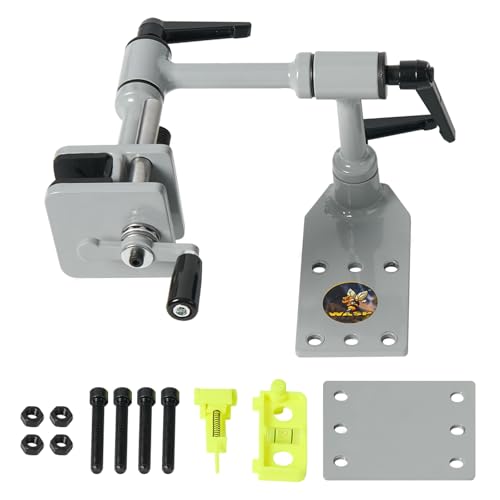
S F Universal 360° Adjustable Bow Vise for Compound and Recurve Bows
£97.19 *View On Amazon* - Archery Compound Bows
ZSHJGJR Adjustable Compound Bow Kit Set for Adult Beginners, Camo
£179.89 *View On Amazon* - Archery Compound Bows
limaity Quick Repeating Compound Bow Arrow Loader, Type 2
£225.73 *View On Amazon* - Archery Compound Bows
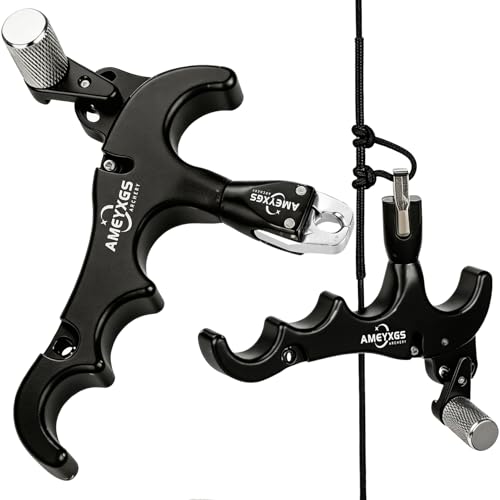
ZSHJGJR 4-Finger Aluminium Alloy Compound Bow Release Aid with 360° Caliper Head
£25.99 *View On Amazon* - Archery Compound Bows
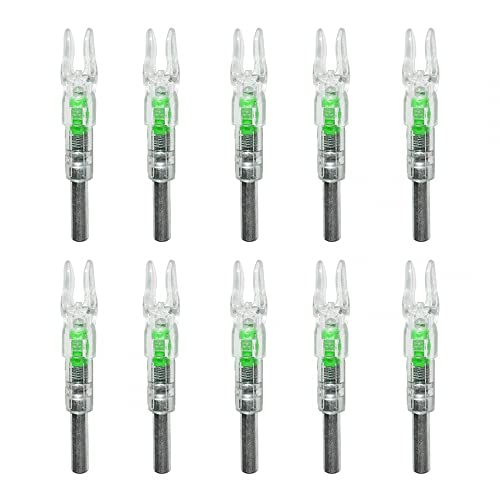
DONGKER 10pcs LED Archery Bow Nocks for 6.2 mm Arrow Shafts
£22.99 *View On Amazon* - Archery Compound Bows
ELONG Outdoor Right-Hand Recurve Bow Finger Tab with Leather and Aluminium Plate
£14.99 *View On Amazon* - Archery Compound Bows
BOW TRAINER Archery Strength Training Bow Trainer Resistance Bands
£73.51 *View On Amazon* - Archery Compound Bows
Kynigo Leather Archery Shooting Glove with Adjustable Strap
£4.59 *View On Amazon* - Archery Compound Bows
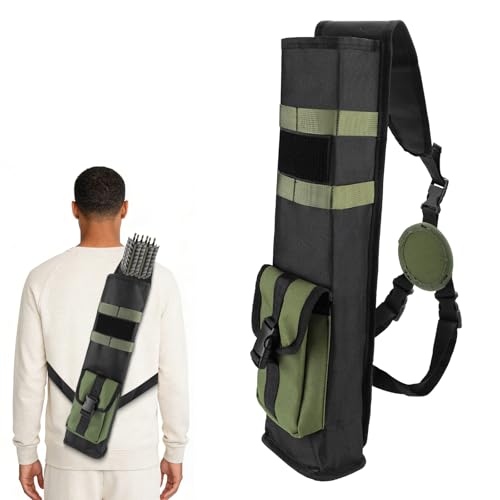
Archery Back Quiver with Adjustable Strap and Accessory Pockets
£16.50 *View On Amazon* - Archery Compound Bows
Adjustable Archery Quiver with Shoulder Strap and Belt Clip
£9.19 *View On Amazon* - Archery Compound Bows
Lightweight Green Archery Arrow Quiver with Adjustable Strap
£13.99 *View On Amazon* - Archery Compound Bows
YcsRnn Archery Quiver for Compound and Hunting Bows with Adjustable Strap
£9.59 *View On Amazon* - Archery Compound Bows
LN Cozy CORNE 30″ Carbon Arrows with Removable Steel Tips, 36 Pack
£15.99 *View On Amazon* - Archery Compound Bows
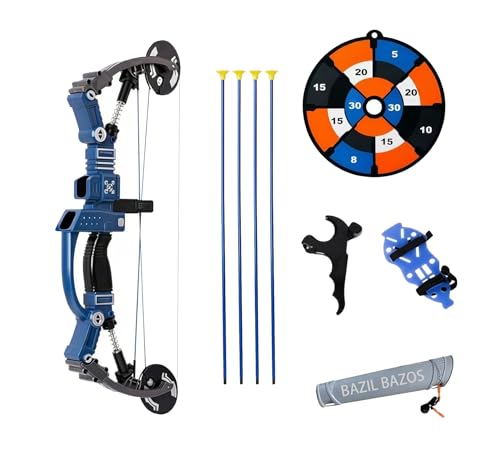
BAZIL BAZOS Youth Archery Training Set with Target and Carry Bag
£29.70 *View On Amazon* - Archery Compound Bows
Adult Adjustable Leather Archery Arm Guard with 3 Straps, Black
£5.79 *View On Amazon* - Archery Compound Bows
YELARXI Archery D Loop Rope with Brass Nock Points, Black, 3 ft
£6.19 *View On Amazon*











Practical Compound Bows for Target Archery
A compound bow can be very accurate and rewarding when it is correctly set up for the archer. The cam system can make the bow feel easier to hold at full draw than a simple bow of similar peak draw weight, depending on the design.
However, compound bows are more technical than beginner recurve bows. Draw length, draw weight, let off, cable condition, peep sight alignment, arrow rest setup, release aid use and arrow choice all matter.
A compound bow should be chosen for fit, safety and target use, not because it looks powerful or advanced.
How to Choose Archery Compound Bows
Start by thinking about the archer’s size, strength, experience level and intended shooting environment. A compound bow must fit the archer properly before it can be used well.
Key decision factors include draw weight, draw length, let off, axle to axle length, brace height, handedness, cam type, arrow compatibility, release aid compatibility, bow sight compatibility, arrow rest type, stabiliser mounting, peep sight setup, target use, club rules, safe backstop, storage, transport and whether the bow is suitable for responsible target archery.
Do not guess compound bow fit. A badly fitted compound bow can be uncomfortable, inconsistent and unsafe.
Compound Bows Explained
A compound bow uses cams and cables to change how the draw feels.
As the archer draws the bow, the system reaches peak weight and then reduces the holding weight at full draw. This reduction is called let off.
This design can help the archer hold more steadily while aiming, but it also means the bow has more moving parts and needs more careful setup than a simple bow.
Compound Bows vs Recurve Bows
Recurve bows are often simpler and are widely used for beginner target archery. They help archers learn basic form, draw, anchor, aim and release.
Compound bows are more mechanical and often use release aids, peep sights and more adjustable accessories. They can offer strong consistency, but they also require more setup knowledge.
Many beginners start with recurve bows before moving to compound, although some archers may begin with compound under proper guidance.
Compound Bows vs Longbows
Longbows are traditional bows with a simpler design and classic shooting feel.
Compound bows are modern, adjustable and more technical. They often suit archers who want a precise target setup with sights, rests, stabilisers and release aids.
Neither style is automatically better. The right choice depends on the archer’s goals, experience and preferred type of target archery.
Compound Bows for Beginners
A compound bow can be suitable for some beginners, but it should be chosen carefully and ideally with guidance.
A new archer needs the correct draw length, manageable draw weight and clear instruction on safe handling. Compound bows should not be bought only because they look exciting.
For many complete beginners, a recurve bow may be simpler for learning the basics. Compound can be a good route when the archer wants a more technical setup and has proper support.
Compound Bows for Adults
Adult archers may enjoy compound bows because they can feel stable, accurate and adjustable.
Strength alone does not mean an adult should choose a heavy draw weight. The bow should be comfortable to draw, hold and control through a full practice session.
A well fitted compound bow is far better than a powerful bow that causes strain, shaking or poor form.
Compound Bows for Juniors
Junior compound bows should be chosen with extra care.
Children and teenagers may need lower draw weights, adjustable draw length and lighter overall bow weight. A bow that is too strong or too large can quickly become unsafe or frustrating.
Junior archers should always shoot under adult supervision with suitable arrows, proper targets and clear range rules.
Compound Bows for Club Archery
Club archers often benefit from compound bows because clubs provide structured ranges, known distances and experienced support.
A club environment is useful for setting draw length, checking arrow spine, adjusting sights and learning release aid technique.
Always follow club rules on bow type, draw weight, shooting line behaviour and permitted accessories.
Compound Bows for Target Practice
Compound bows are well suited to target practice when used in a safe and controlled environment.
They can help archers practise repeatable aiming, shot execution, sight marks and grouping.
A compound bow still needs a proper target, safe backstop and controlled shooting area. The bow’s accuracy potential does not reduce the need for range safety.
Compound Bows for Garden Practice
Garden archery should only take place where the area is genuinely safe, private and controlled with a proper target and backstop.
A compound bow can be powerful and should never be used towards roads, public paths, neighbours, windows, sheds, vehicles, pets or shared spaces.
If the garden cannot be made safe, use an archery club, organised venue or supervised activity setting instead.
Draw Weight
Draw weight is the force needed to draw the bow to its peak point.
Compound bows may feel easier to hold at full draw because of let off, but the archer still has to draw through the peak weight. If the draw weight is too high, form and safety can suffer.
Choose a draw weight the archer can draw smoothly and repeatedly without strain.
Peak Draw Weight
Peak draw weight is the highest weight reached during the draw cycle.
This is different from the weight held at full draw after let off. The archer must still be able to manage the peak draw safely.
Do not choose peak draw weight based on ego. Smooth control matters more than maximum power.
Adjustable Draw Weight
Some compound bows allow draw weight adjustment within a set range.
This can be useful for juniors, beginners and developing archers because the bow may be adjusted as strength and technique improve.
Adjustments should be made according to the bow’s guidance. Do not alter limb bolts beyond safe limits.
Draw Length
Draw length is one of the most important compound bow fit details.
If draw length is too short, the archer may feel cramped. If it is too long, they may overextend, lean back or struggle with anchor position.
A compound bow should match the archer’s draw length before serious practice begins.
Adjustable Draw Length
Many compound bows offer adjustable draw length, but the adjustment method varies.
Some use rotating modules, some need different modules, and some may require more technical setup.
Do not assume every compound bow is easy to adjust. Check the product details and seek help if unsure.
Let Off
Let off is the reduction in holding weight at full draw.
For example, a compound bow may have a high peak draw weight but feel lighter once fully drawn. This can help the archer aim more steadily.
Let off does not make the bow harmless or beginner proof. Safe handling and correct setup still matter.
Draw Cycle
The draw cycle is how the bow feels as it is drawn from rest to full draw.
Some compound bows feel smooth, while others feel more aggressive or demanding. Beginners usually benefit from a smoother, more manageable draw cycle.
The best draw cycle is one the archer can control without strain.
Back Wall
The back wall is the point where the draw stops at full draw.
A clear back wall can help the archer anchor consistently and repeat the shot process.
If the draw length is wrong or the bow is badly set up, the back wall may feel uncomfortable or difficult to manage.
Axle to Axle Length
Axle to axle length is the distance between the cam axles.
Shorter compound bows can be compact and easier to carry, but may feel less stable for some target archers. Longer bows may feel steadier but less compact.
Choose length based on target use, archer comfort and handling, not just appearance.
Brace Height
Brace height is the distance between the string and a reference point on the bow grip.
It affects bow feel, forgiveness and setup. Different compound bows have different brace heights depending on design.
For most buyers, the key point is to choose a bow suited to the archer and target use rather than chasing one specification alone.
Cam Systems
The cams are the shaped wheels or mechanisms that control the draw cycle and let off.
Different cam systems can affect smoothness, speed, tuning and maintenance needs.
Compound bow cams should be kept clean, aligned and undamaged. Damaged cams should not be used.
Cables
Cables are part of the compound bow’s mechanical system.
They work with the cams and string, and they must be in safe condition. Frayed, worn or damaged cables should be checked immediately and replaced where needed.
Do not shoot a compound bow with questionable cable condition.
Compound Bow Strings
Compound bow strings are safety critical.
They should be checked before every shooting session for fraying, cuts, broken strands, worn serving, damaged D loops and poor peep alignment.
String and cable replacement should be handled with proper tools and knowledge. Compound bows should not be stripped or restrung casually.
Bow Press Considerations
Many compound bow string, cable and cam jobs require a proper bow press.
A bow press is specialist equipment used to safely relieve tension from the bow. Attempting serious compound bow work without the right equipment can be dangerous.
If a compound bow needs string, cable, cam or peep work, seek qualified help unless you have the correct tools and experience.
Peep Sights
A peep sight is often fitted into the string of a compound bow and used to align the archer’s eye with the front bow sight.
Peep sight position must match the archer’s anchor point and draw length. If it sits too high or too low, aiming becomes awkward.
Do not cut or alter compound bow strings without proper knowledge.
D Loops
A D loop is a small loop of cord fitted to the bow string for use with a release aid.
It helps create a consistent connection point for the release. It must be tied correctly and inspected regularly.
A worn, frayed or badly fitted D loop should be replaced before shooting.
Release Aids
Many compound archers use release aids instead of drawing directly with fingers.
A release aid can improve consistency when used correctly, but it also needs careful handling and practice.
Do not attach a release aid to the wrong part of the string. Use the correct D loop or approved connection point.
Arrow Rests for Compound Bows
Compound bows often use specialist arrow rests, such as launcher rests, drop away rests or containment rests depending on the setup.
The rest must support the arrow correctly and clear the arrow cleanly during the shot.
A damaged or badly set arrow rest can make even good arrows fly poorly.
Bow Sights for Compound Bows
Compound bows often use bow sights for target aiming.
Some sights use pins, some use scope style housings and some may include levels or lenses depending on the discipline.
A bow sight helps with aiming, but it does not replace correct draw length, safe arrows, good release technique or proper range control.
Stabilisers for Compound Bows
Stabilisers help adjust bow balance and reduce unwanted movement.
Compound archers may use front rods, side rods, offset bars, weights and dampers depending on the bow and shooting style.
A stabiliser should improve control without making the bow too heavy or awkward.
Compound Bow Arrows
Compound bows need arrows matched carefully to draw weight, draw length and bow setup.
Arrow spine, length, weight, nock fit and point type all matter. Using unsuitable arrows can cause poor flight, equipment damage or safety problems.
Do not use arrows at random. Choose arrows specifically suited to the compound bow.
Carbon Arrows for Compound Bows
Carbon arrows are commonly used with compound bows because they can offer consistency and strength when correctly matched.
They must still be inspected carefully before use. Cracked or splintered carbon arrows should not be shot.
Arrow spine and length are especially important with compound bows.
Aluminium Arrows for Compound Bows
Some compound archers use aluminium arrows for target practice, particularly where they are correctly matched to the bow.
Aluminium arrows should be checked for bends, dents and loose components before shooting.
Do not use aluminium arrows with a compound bow unless the spine and length are suitable.
Arrow Spine for Compound Bows
Arrow spine is critical for compound bow safety and performance.
The arrow must be stiff enough and suitable for the bow’s draw weight, arrow length and point weight.
If in doubt, use an arrow selection chart, club advice or qualified archery support before buying.
Arrow Length for Compound Bows
Compound arrows must be long enough for the archer’s draw length and bow setup.
An arrow that is too short can be unsafe. It may also interact badly with the arrow rest and bow geometry.
Always check arrow length carefully before shooting.
Target Points Only
For this category, compound bows should be used with suitable target arrows and target points.
Do not use broadheads, hunting points or cutting tips for normal target archery, club shooting, garden practice or supervised activity sessions.
This category is for responsible target archery.
Compound Bows and Accuracy
Compound bows can support very accurate shooting when properly set up.
However, accuracy depends on the full system: archer form, draw length, release aid use, arrow spine, rest setup, sight marks, string condition and safe practice.
A compound bow will not automatically make a beginner accurate without instruction and repetition.
Compound Bows and Consistency
Consistency is one of the main benefits of a properly fitted compound bow.
The archer can build a repeatable anchor point, sight picture, release and follow through. This can help with grouping and progression.
If the bow does not fit the archer, consistency will be much harder.
Compound Bows and Comfort
Comfort matters because a compound bow should feel controlled through the draw cycle, at full draw and after release.
If the archer is straining, shaking, leaning or fighting the bow, the setup may be wrong.
A comfortable compound bow supports better practice and safer shooting.
Compound Bows and Handedness
Compound bows are usually right handed or left handed.
A right handed archer normally holds the bow in the left hand and draws with the right. A left handed archer normally does the opposite.
Check handedness before buying. A wrong handed compound bow will be awkward or unsuitable for most archers.
Eye Dominance
Eye dominance can affect bow choice and aiming.
Some archers are right handed but left eye dominant, or left handed but right eye dominant. This can influence which bow feels natural.
Beginners may benefit from guidance before choosing a compound bow based only on writing hand.
Compound Bow Size
Bow size affects handling, stability and transport.
A compact bow may be easier to carry, while a longer bow may feel steadier for target work. The best size depends on the archer and intended use.
Do not choose the shortest or longest bow automatically. Choose one that fits the archer and shooting style.
Compound Bow Weight
The physical weight of the bow matters as much as draw weight.
A heavy compound bow with sights, stabilisers and accessories can become tiring during long practice sessions.
The archer should be able to hold the bow steadily without fatigue causing poor form.
Compound Bow Accessories
Compound bows often use accessories such as sights, rests, stabilisers, release aids, peep sights, D loops, wrist slings, bow cases and arrow quivers.
Accessories should be chosen for safety, fit and target use.
Adding accessories without understanding them can make the bow harder to use rather than better.
Compound Bow Packages
Some compound bows are sold as packages with sights, rests, quivers or other accessories.
A package can be useful for beginners or developing archers, but check what is included and whether it is suitable.
Even a ready to shoot package may still need correct draw length, draw weight, arrow choice and safety checks.
Ready To Shoot Compound Bows
Ready to shoot compound bow packages may include basic accessories, but they are not automatically ready for every archer.
The bow still needs to match draw length, draw weight, handedness and arrow choice.
Before shooting, check all fittings, string condition, D loop, rest, sight and arrow suitability.
Bare Compound Bows
A bare compound bow may be supplied without sights, rests, stabilisers or release aids.
This can suit archers who want to choose their own accessories, but it requires more setup knowledge.
Do not shoot a bare compound bow until the correct rest, sighting method and safe arrow setup are in place.
Compound Bows for Indoor Archery
Indoor compound archery often uses known distances, clear target faces and controlled range conditions.
This can be useful for learning sight marks and refining release technique.
Always follow club or venue rules, especially around arrow types and target systems.
Compound Bows for Outdoor Archery
Outdoor compound archery introduces wind, weather, changing light and longer distance considerations.
A suitable bow, matched arrows and stable setup become especially important outdoors.
The range, target and backstop must be properly controlled before shooting.
Compound Bows for Short Distance Practice
Short distance practice can help with form, release aid control and equipment checks.
A short distance does not make unsafe shooting acceptable. A compound bow still needs a safe target and backstop.
Use short distance practice for controlled training, not careless shooting.
Compound Bows for Longer Distance Practice
Longer distance shooting should be done only on a suitable range with safe overshoot and proper supervision where needed.
At longer distances, arrow spine, sight marks, wind, release technique and bow setup become more noticeable.
Do not attempt longer distance shooting in an unsafe private space.
Compound Bows for Competitions
Competition compound archers need bows and accessories that match the rules of their discipline and class.
Before buying for competition use, check club, event and governing body rules where relevant.
A competition setup should still be safe, correctly fitted and manageable for the archer.
Compound Bows for Coaching
Coaching compound archery requires careful attention to draw length, release aid use, peep alignment and safe let down.
A coach or instructor can help identify whether the bow suits the archer and whether adjustments are needed.
At YPC, safe instruction is central to archery, and compound bows should be approached with the same structured mindset.
Safe Let Down
Letting down means returning the bow from full draw without shooting.
With a compound bow, this must be done carefully because the draw cycle changes as the bow returns.
Archers should learn safe let down technique before using a compound bow in regular practice.
No Dry Firing
Dry firing means releasing the string without an arrow.
Never dry fire a compound bow. It can damage the bow, cams, string, cables and limbs, and may be dangerous.
If a compound bow has been dry fired accidentally, stop using it and have it checked before shooting again.
Inspecting a Compound Bow Before Use
A compound bow should be inspected before every shooting session.
Check the string, cables, cams, limbs, riser, screws, peep sight, D loop, arrow rest, sight, stabiliser and arrows.
If anything looks damaged, loose or unusual, do not shoot until it has been checked.
Inspecting Cams
Cams should be clean, aligned and free from cracks, bends or obvious damage.
If a cam looks damaged or the string is not sitting correctly in the track, stop using the bow.
Cam problems should be checked by someone with proper compound bow knowledge.
Inspecting Cables
Cables should be free from fraying, broken strands, serving damage and unusual wear.
Compound bow cables are safety critical. Damage should not be ignored.
Replace or repair cables only with proper tools, knowledge and suitable parts.
Inspecting Limbs
Compound bow limbs should be checked for cracks, splits, delamination, twists or unusual marks.
Limbs are under high stress when the bow is drawn.
Do not shoot a compound bow if limb condition is questionable.
Inspecting the Riser
The riser should be checked for cracks, loose fittings, damaged mounting points and unusual movement.
Accessories such as rests, sights and stabilisers attach to the riser, so secure mounting points matter.
Do not drill, file or modify the riser without proper knowledge.
Inspecting the D Loop
The D loop should be checked for fraying, stretching, loose knots and uneven wear.
A D loop failure can affect release and may be unsafe.
Replace worn D loops before they fail.
Inspecting the Peep Sight
The peep sight should be secure and correctly positioned for the archer.
If it rotates badly, moves, cuts into the string or sits in the wrong place, the setup needs attention.
Do not make string alterations without proper knowledge.
Inspecting the Arrow Rest
The arrow rest should hold and guide the arrow correctly.
Loose rests, damaged launchers or poor alignment can cause poor arrow flight.
Check the rest before making major sight or arrow changes.
Compound Bow Maintenance
Compound bows need regular maintenance because they have more moving parts than simple bows.
Keep the string and cables in good condition, check screws and fittings, inspect cams and store the bow properly.
Do not attempt complex maintenance without the right tools and understanding.
String Wax for Compound Bows
Suitable string wax can help maintain compound bow strings and cables where appropriate.
Wax can help reduce dryness and fibre separation, but it cannot repair broken strands or serious damage.
Do not use random oils, greases or household products on bow strings.
Replacing Compound Strings and Cables
Strings and cables should be replaced when worn, damaged or no longer safe.
This work often requires a bow press and proper setup knowledge.
Do not attempt major compound string or cable replacement casually.
Compound Bow Tuning
Compound bow tuning may involve arrow rest position, nocking point, cam timing, peep position, D loop setup, arrow spine and sight marks.
Tuning should be done safely and methodically.
Beginners should get help from a club, coach or experienced technician rather than making random adjustments.
Cam Timing
Cam timing affects how the cams work together during the draw and release.
If timing is wrong, the bow may feel inconsistent or perform poorly.
Cam timing checks and adjustments should be handled by someone with suitable compound bow knowledge.
Paper Tuning
Some compound archers use paper tuning to help assess arrow flight and setup.
This is a more advanced tuning method and should be done in a safe range environment with suitable equipment.
It is not a replacement for correct arrow choice, safe range setup or good technique.
Sight Marks
Compound archers often record sight marks for different distances.
Changing arrows, draw weight, string condition or setup can change sight marks.
Record settings once the bow and arrows are consistent.
Compound Bow Storage
Store compound bows dry, secure and away from children, pets, damp, heat and heavy objects.
Use a suitable bow case to protect cams, strings, cables, sights and accessories.
Do not leave a compound bow loose in a shed, garden, vehicle or public view.
Compound Bow Transport
Transport compound bows discreetly and securely in a suitable case or bag.
Arrows should be carried separately or protected in an arrow tube or case.
Do not carry compound bows openly in public places.
Compound Bow Cases
A good compound bow case protects cams, cables, strings, sights and accessories.
Hard cases or well padded cases are often sensible because compound bows have more delicate mechanical parts than simple bows.
Make sure the case fits the bow and does not press hard against cams or sights.
Compound Bows and Children’s Safety
Children should not have unsupervised access to compound bows.
Even junior compound bows are serious archery equipment and can cause injury if misused.
Adults should control storage, setup, arrow issue, shooting and arrow collection.
Compound Bows and Pets
Do not use or store compound bows where pets can interfere.
Animals may run into the shooting area, knock equipment over or injure themselves on arrows.
Keep bows and arrows packed away when not in use.
Compound Bows and Public Places
Compound bows should not be used in public parks, streets, footpaths, open fields, car parks or shared spaces unless part of an authorised and controlled activity.
Do not draw or aim a compound bow where people, animals, vehicles or property may be at risk.
Use compound bows only in safe, private, club or organised archery environments.
Compound Bows and Hunting Misuse
This category is intended for target archery, supervised practice, club shooting and organised activity use.
Do not buy or use compound bows for illegal hunting, wildlife harm, intimidation, public misuse or unsafe behaviour.
Use suitable target arrows and target points for responsible archery practice.
Common Compound Bow Buying Mistakes
Common mistakes include choosing too much draw weight, ignoring draw length, buying the wrong handedness, forgetting release aid compatibility and using unsuitable arrows.
Another common mistake is buying a compound bow without considering setup support.
A compound bow needs correct fit, safe arrows and proper range use, not just a strong specification.
Common Compound Bow Use Mistakes
Common use mistakes include dry firing, using damaged arrows, drawing without a safe direction, over adjusting the bow, ignoring string wear and letting children handle equipment unsupervised.
Another mistake is changing draw weight or draw length without understanding the effect on arrows and setup.
Compound bows reward careful setup and safe habits.
Compound Bow Safety Checklist
Before shooting, check the bow, string, cables, cams, limbs, riser, D loop, peep sight, release aid, arrow rest, sight, stabiliser, arrows, target and backstop.
Make sure the bow fits the archer and the arrows match the bow.
If anything is damaged, loose, unsafe or uncertain, do not shoot.
When Not to Use a Compound Bow
Do not use a compound bow if it is damaged, dry fired without inspection, fitted with worn strings or cables, set to the wrong draw length, too heavy in draw weight or used with unsuitable arrows.
Do not use a compound bow in unsafe areas, public places, near roads, near animals, near people or towards unsuitable targets.
If the bow, arrows or range setup is unsafe, archery should not take place.
Shop Archery Compound Bows Online
Browse our Archery Compound Bows range to find practical compound bows for target archery, club shooting, supervised practice and organised archery sessions. Compare draw weight, draw length, let off, axle to axle length, brace height, handedness, cam system, accessory compatibility, arrow suitability, bow package contents and safe target use to choose a compound bow that suits the archer and the setting.
Archery Compound Bows FAQs
What is a compound bow?
A compound bow is a modern bow that uses cams and cables to change the draw feel and support steadier aiming at full draw.
Are compound bows good for beginners?
They can be suitable for some beginners with proper guidance, but many new archers start with recurve bows because they are simpler to learn with.
What draw weight should I choose for a compound bow?
Choose a draw weight the archer can draw smoothly and repeatedly without strain. Do not choose draw weight based only on power.
What is draw length on a compound bow?
Draw length is how far the bow draws before reaching full draw. It must match the archer for safe and comfortable shooting.
What is let off on a compound bow?
Let off is the reduction in holding weight at full draw, created by the cam system.
Are compound bows right handed or left handed?
Yes, most compound bows are handed. Check whether you need a right handed or left handed bow before buying.
Can children use compound bows?
Some junior compound bows may be suitable for children under adult supervision, with safe draw weight, correct draw length and suitable arrows.
Do compound bows need special arrows?
They need arrows that match the bow’s draw weight, draw length, spine and target use. Do not use random arrows.
Can I use carbon arrows with a compound bow?
Yes, carbon arrows are commonly used with compound bows when the spine, length and weight are suitable.
Can I use aluminium arrows with a compound bow?
Yes, some compound setups can use aluminium arrows, but they must be correctly matched to the bow.
Do compound bows need release aids?
Many compound archers use release aids, often with a D loop, but the setup must be compatible and used safely.
What is a D loop?
A D loop is a small cord loop on the string used as a release aid connection point.
What is a peep sight?
A peep sight is fitted into the string and helps align the archer’s eye with the bow sight.
Can I adjust a compound bow myself?
Basic adjustments may be possible on some bows, but string, cable, cam and major setup work often needs proper tools and knowledge.
Can I dry fire a compound bow?
No. Never dry fire a compound bow. It can damage the bow and may be dangerous.
Can I shoot a compound bow in my garden?
Only if the garden is genuinely safe, private and controlled with a proper target, backstop and no risk to people, animals or property.
Can compound bows be used in public places?
No. Compound bows should not be used in public spaces unless the activity is authorised and fully controlled.
How should a compound bow be stored?
Store it dry, secure and protected in a suitable bow case, away from children, pets, damp, heat and unauthorised users.
What should I check before using a compound bow?
Check the string, cables, cams, limbs, riser, D loop, peep sight, rest, sight, arrows, target and backstop before shooting.
Why buy Archery Compound Bows from YPC?
YPC runs real archery sessions at Yorkshire Outdoor Activity Park, so we understand correct bow fit, safe supervision, suitable arrows, proper targets, range control and responsible target archery.
 Getting ready for Summer? View our Home and Garden Products

Heading outdoors this winter? Take a look at our Outdoor Clothing.