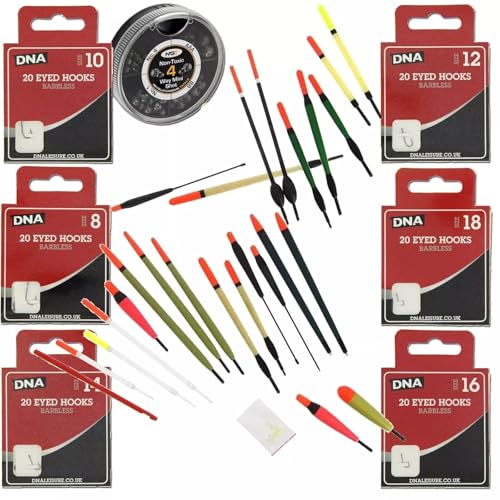
Fishing floats are used to suspend bait at a chosen depth and show when a fish bites. They are suitable for beginners, coarse anglers, match anglers, predator anglers and anyone who wants a simple, visual way to present bait in lakes, rivers, canals and other suitable waters.
The right fishing float depends on the target species, water depth, flow, wind, casting distance, bait size, line choice, shotting pattern, visibility and venue rules. Some floats are designed for delicate close range fishing, while others are made for longer casting, river work or larger baits.
Fishing floats are buoyant bite indicators fitted to the fishing line. They help suspend bait in the water and show movement when fish lift, pull, dip or move the bait.
In some countries, floats are called bobbers, but in the UK the term fishing float is more common. Floats are a key part of many coarse fishing setups and can also be used in predator and sea fishing methods where suitable.
A float is not just a marker on the surface. It is part of a balanced rig, working with line, shot, hook, bait and depth to present the bait properly.
What Are Fishing Floats Used For?
Fishing floats are used to control the depth of bait and show bites clearly. They allow anglers to fish at different levels in the water, from just below the surface to close to the bottom.
They are commonly used for species such as roach, perch, bream, tench, carp, rudd and other coarse fish, depending on the venue and tackle. Larger floats may also be used for certain predator fishing methods where permitted.
Float fishing is popular because it is visual and engaging. Watching a float lift, slide away or dip under is one of the clearest signs that a fish may be taking the bait.
How To Choose The Right Fishing Float
Start by thinking about the water you are fishing. Stillwaters, canals, slow rivers, fast rivers and windy lakes all need different float choices.
Next, consider casting distance. A small pole float may be ideal close in, while a loaded waggler may be better when you need to cast further. For rivers, the float must suit the flow and how you want to present the bait.
Bait size also matters. A float must be buoyant enough to support the bait and shotting pattern, but not so buoyant that it becomes insensitive to bites. Choose the smallest practical float that still works properly in the conditions.
Key Features To Compare
When comparing fishing floats, look at buoyancy, size, shape, stem material, tip colour, attachment style, casting suitability, sensitivity and whether the float is intended for stillwater, river, pole, waggler or predator fishing.
Tip visibility is important. A bright or high visibility tip can be easier to see at distance, while a finer tip can show delicate bites more clearly.
Shape affects stability and presentation. Slim floats can be sensitive in calm water, while wider bodied floats may be more stable in wind, flow or when using heavier bait.
Wagglers, Pole Floats And Stick Floats
Waggler floats are usually attached at the bottom and are popular for stillwaters, canals and slower waters. They can be useful when casting beyond pole range or when you need a clear visual bite indication.
Pole floats are used with pole fishing setups and are chosen for sensitivity, balance and presentation. They should match the elastic, line, hook size, bait and target fish.
Stick floats are often used on rivers and moving water. They help present bait naturally with the flow and are commonly used for trotting.
Each float type has a specific role, so it is worth choosing by method rather than appearance alone.
Loaded Floats Compared With Unloaded Floats
Loaded floats have weight built into the float body. This can make casting easier and reduce the amount of shot needed on the line.
Unloaded floats need more shot added to the line to cock the float correctly. This can give anglers more control over how the bait falls and how the rig behaves.
The trade off is simplicity versus fine tuning. Loaded floats can be practical for casting, while unloaded floats can offer more flexibility in shotting patterns.
River Floats, Stillwater Floats And Predator Floats
River floats are designed to cope with flow. They may need to be stable, visible and easy to control while the bait moves downstream.
Stillwater floats are used on lakes, ponds, canals and commercial fisheries. These may include wagglers, pole floats, margin floats and other designs suited to calmer water.
Predator floats are usually larger and more buoyant because they may need to support bigger baits and stronger tackle. Always check venue rules and use suitable fish handling equipment when predator fishing.
Beginner, Regular Angler And Experienced Angler Guidance
Beginners should start with simple floats that are easy to see and easy to set up. A basic waggler or float kit can be a practical way to learn bite detection, depth setting and shotting.
Regular anglers may want a selection of floats for different waters. Having a few options for close range, longer casting, wind, shallow swims and deeper water can make sessions more flexible.
Experienced anglers often fine tune float size, stem type, tip thickness, shotting pattern and depth throughout the session. Small changes can make a big difference when fish are feeding carefully.
Buoyancy, Shotting And Sensitivity
Buoyancy is one of the most important float features. The float must support the bait and weights while still showing bites clearly.
Shotting is how weights are placed on the line. A bulk shotting pattern can get bait down quickly, while spread shotting can allow a slower, more natural fall through the water.
Sensitivity depends on how much of the float tip is showing and how balanced the rig is. If too much float sits above the surface, small bites may be harder to see.
Depth Control And Plumbing The Swim
Fishing floats help you fish at a chosen depth. Setting the depth correctly can be the difference between fishing above the fish, below them or right where they are feeding.
Plumbing the depth means checking how deep the swim is before fishing. This helps you decide whether to fish on the bottom, just off the bottom or higher in the water.
Depth should be adjusted during the session if bites change. Fish may move up or down depending on light, temperature, bait, pressure and activity.
Float Fishing For Coarse Fish
Float fishing is a popular method for many coarse fish. Roach, rudd, perch, bream, tench, skimmers and carp can all be targeted with float tackle, depending on the water and rig.
Smaller floats and lighter tackle may suit cautious silver fish. Stronger floats, line and hooks may be needed for larger fish, margin fishing or waters with weed and snags.
The float, line, hook and bait should work together. A delicate float on unsuitable tackle, or a heavy float with a tiny bait, can make presentation less effective.
Float Fishing For Predators
Larger floats can be used for some predator fishing methods, depending on the species and venue rules. They may help present a bait at a chosen depth or keep it positioned in a certain area.
Predator fishing needs suitable tackle, strong line or traces where required and proper unhooking tools. Species such as pike need careful handling because of their teeth and size.
Always check local rules before predator fishing. Some waters restrict methods, seasons, bait types, hook arrangements or traces.
Visibility, Colour And Light Conditions
Float visibility matters because you need to read every movement clearly. Bright tips can help in poor light, ripple or longer range fishing.
In bright sun or against reflective water, some colours may be harder to see. It can be useful to carry floats with different tip colours so you can adapt to the conditions.
A float that is easy to see should still be sensitive. Visibility should not come at the expense of a balanced rig.
Venue Rules And Responsible Float Fishing
Always check venue rules before float fishing. Some fisheries restrict bait, hook sizes, barbed hooks, line strength, predator methods, live baiting or certain rig styles.
Responsible float fishing means using tackle that suits the fish and water. Avoid setups that are too weak for the species or likely to leave fish trailing line if something breaks.
Take broken floats, old line, shot packets and tackle packaging home with you. Lost line and tackle can harm wildlife and spoil fishing areas.
Care, Storage And Maintenance
Fishing floats should be stored carefully because stems, tips and bodies can be delicate. A damaged float may sit incorrectly or fail to show bites properly.
After use, wipe away mud, weed, bait and moisture where needed. Let wet floats dry before long term storage if necessary.
Float tubes, tackle boxes and organisers can help protect floats from being crushed. Keeping different types separate also makes it easier to find the right float quickly.
Useful Accessories To Consider
Useful accessories for fishing floats include split shot, float stops, silicone tubing, stop knots, hooks, hooklengths, line, swivels, bait bands, plummets, disgorger tools, forceps and tackle boxes.
Landing nets, unhooking mats and fish care equipment are also important, especially when targeting larger coarse fish or predators.
A good float setup works best when the float, line, shot, hook, bait and landing equipment all suit the same method.
Why Buy Fishing Floats From YPC?
At YPC, we understand active lifestyles and the need for practical products that work in real use. Fishing floats should be chosen carefully because bite detection, buoyancy, visibility and rig balance all affect how well your setup performs.
Browse the Fishing Floats category at YPC to compare available options, check the details that suit your fishing method and choose floats that match the waters and species you plan to target.
Fishing Floats FAQs
What are fishing floats?
Fishing floats are buoyant bite indicators fitted to the fishing line. They help suspend bait at a chosen depth and show movement when a fish bites.
They are commonly used in coarse fishing, match fishing and some predator fishing methods.
Are fishing floats suitable for beginners?
Yes, fishing floats are suitable for beginners. They make bite detection easier because you can see the float move when fish interact with the bait.
A simple waggler or starter float setup is often a good way to learn basic fishing skills.
What is the difference between a float and a bobber?
A float and a bobber are usually similar things. In the UK, anglers normally say float, while bobber is more common in some other countries and product names.
Both are used to suspend bait and show bites.
What type of fishing float should I use?
The right float depends on the water, target fish and method. Wagglers are useful for many stillwater situations, pole floats suit pole fishing and stick floats are often used on rivers.
Choose a float that suits the depth, flow, bait and casting distance.
What is a waggler float?
A waggler is a float usually attached at the bottom. It is commonly used for stillwater and slow water fishing where casting and clear bite indication are important.
Wagglers can be loaded or unloaded depending on the design.
What is a pole float?
A pole float is used with pole fishing tackle. It is chosen for sensitivity, balance and presentation at close to medium range.
Pole floats should match the elastic, line, hook size, bait and target fish.
What is a stick float?
A stick float is often used on rivers and moving water. It helps present bait naturally with the flow and can be useful for trotting.
The right stick float depends on depth, pace, wind and bait size.
What is a loaded float?
A loaded float has built in weight. This can make it easier to cast and may reduce the amount of shot needed on the line.
Loaded floats can be useful for waggler fishing and longer casts.
What is an unloaded float?
An unloaded float has little or no built in weight, so the angler adds shot to the line to cock it correctly. This gives more control over how the bait falls and how the rig behaves.
Unloaded floats are useful when careful shotting is important.
What size fishing float do I need?
The right float size depends on bait weight, depth, flow, wind and casting distance. Use the smallest practical float that still supports the rig and can be seen clearly.
A float that is too large can reduce sensitivity, while one that is too small may not support the bait properly.
Why does my float keep sinking?
A float may sink if it has too much shot, if the bait is too heavy, if it is damaged or if the rig is being pulled down by flow or weed.
Check the shotting, bait size, depth and float condition before continuing.
Why is my float lying flat?
A float may lie flat if the rig is set too shallow, not weighted correctly or not cocked properly. It can also happen if the float is not attached correctly.
Adjust the depth and shotting until the float sits as intended.
How much shot should I use with a float?
Use enough shot to cock the float so only the correct amount of tip is showing. The exact amount depends on the float rating, bait and presentation.
Add shot gradually and test the rig in the water before fishing.
Can fishing floats be used in rivers?
Yes, fishing floats can be used in rivers. Stick floats, avon style floats, bolo style floats and other river floats may be used depending on the flow and method.
Choose a float that is stable enough for the current and visible enough to control.
Can fishing floats be used in lakes and ponds?
Yes, fishing floats are very commonly used in lakes, ponds, canals and commercial fisheries. Wagglers, pole floats and margin floats can all be useful depending on the swim.
The best choice depends on depth, wind, distance and target fish.
Can fishing floats be used for carp?
Yes, fishing floats can be used for carp fishing where suitable and permitted. Stronger line, suitable hooks and balanced tackle may be needed because carp can be powerful fish.
Always follow fishery rules and use appropriate fish care equipment.
Can fishing floats be used for pike?
Larger floats may be used for pike fishing where allowed. Pike fishing requires suitable traces, strong tackle and proper unhooking tools.
Always check venue rules and handle predator fish carefully.
How should I store fishing floats?
Store fishing floats in a float tube, tackle box or organiser to protect tips, stems and bodies from damage. Keep delicate floats away from heavy tackle.
Dry floats before long term storage if they are wet or dirty.
What accessories are useful with fishing floats?
Useful accessories include split shot, float stops, silicone tubing, plummets, hooks, hooklengths, line, swivels, forceps, disgorgers and tackle boxes.
A landing net and fish care equipment are also useful, especially when targeting larger fish.
What should I check before buying fishing floats?
Check the float type, size, buoyancy, visibility, attachment style, target species, water type and fishing method. Also think about bait size, depth, casting distance and venue rules.
The right float should match your rig and help you present bait clearly and responsibly.
Heading outdoors this winter? Take a look at our Outdoor Clothing.
Manage Consent
To provide the best experiences, we use technologies like cookies to store and/or access device information. Consenting to these technologies will allow us to process data such as browsing behaviour or unique IDs on this site. Not consenting or withdrawing consent, may adversely affect certain features and functions.
Functional
Always active
The technical storage or access is strictly necessary for the legitimate purpose of enabling the use of a specific service explicitly requested by the subscriber or user, or for the sole purpose of carrying out the transmission of a communication over an electronic communications network.
Preferences
The technical storage or access is necessary for the legitimate purpose of storing preferences that are not requested by the subscriber or user.
Statistics
The technical storage or access that is used exclusively for statistical purposes.The technical storage or access that is used exclusively for anonymous statistical purposes. Without a subpoena, voluntary compliance on the part of your Internet Service Provider, or additional records from a third party, information stored or retrieved for this purpose alone cannot usually be used to identify you.
Marketing
The technical storage or access is required to create user profiles to send advertising, or to track the user on a website or across several websites for similar marketing purposes.



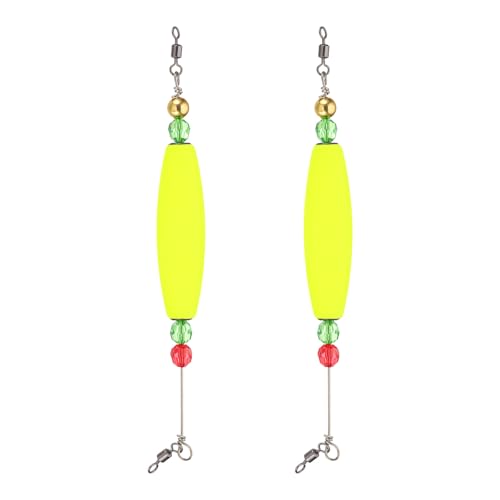



![ZWIM 3pcs Loaded Balsa Pellet Waggler Carp Fishing Float Set with Float Adaptor and Hi Viz Tips [21-0009]](https://m.media-amazon.com/images/I/41uDVcaWLpL._SL500_.jpg)


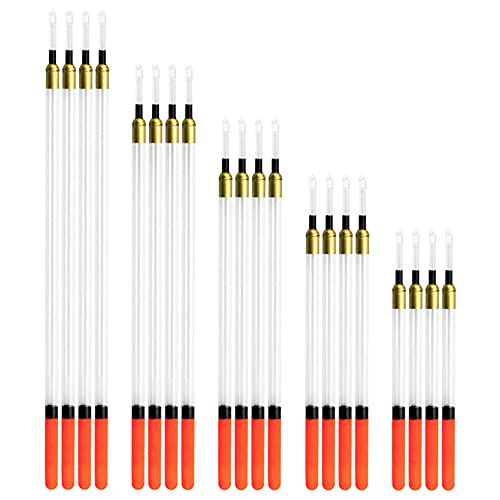
![FLADEN Fishing 25 Piece Assorted Lake and River Coarse Fishing Floats Collection in a Float Tube with Handy Fishing Guide [21 01]](https://m.media-amazon.com/images/I/41Kg9k3ALpL._SL500_.jpg)

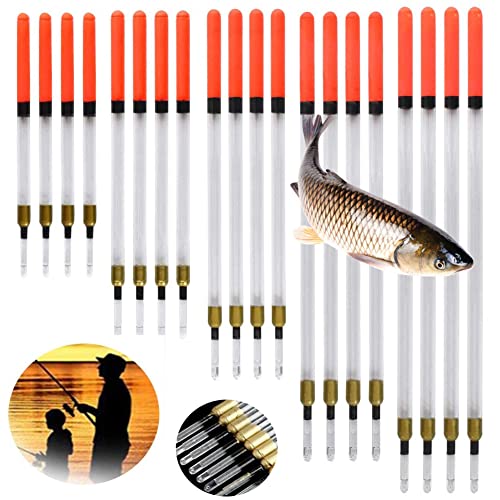
![ZWIM Fishing 3pcs Loaded Commercial Assorted Pellet Waggler Carp Fishing Float Set with Float Adaptor and Hi Viz Tips [21-0010]](https://m.media-amazon.com/images/I/41qKjQxlZeL._SL500_.jpg)