
Hooklengths and Leaders
Hooklengths and leaders are used to connect the main line to the hook, lure, fly, rig or terminal tackle in a way that suits the fishing method and target species. They are suitable for coarse anglers, carp anglers, predator anglers, sea anglers, fly anglers and anyone who wants a more balanced and reliable end setup.
The right hooklength or leader depends on where you fish, the species you are targeting, line strength, diameter, material, abrasion resistance claims where listed, rig style, hook size, bait or lure choice, casting distance, water clarity and venue rules. A fine hooklength for roach fishing has a very different job from a shock leader for sea fishing or a bite resistant leader for pike.
- Hooklengths and Leaders
TJR Tackle Hybrid Lead Free Leaders Quick Change Swivels 60lb Test Carp Fishing Tackle Silt Black
£7.49 *View On Amazon* - Hooklengths and Leaders
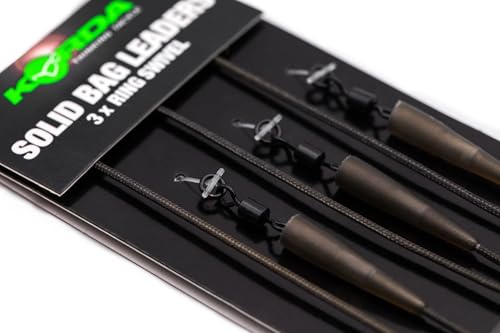
Korda Solidz PVA Bag Leaders Ready Tied 50lb Leadcore Leaders 3 Pack
Original price was: £7.40.£6.29Current price is: £6.29. *View On Amazon* - Hooklengths and Leaders
Realure 50 Pcs Stainless Steel Wire Traces Pike Fishing Leaders with Swivels and Snap
£5.99 *View On Amazon* - Hooklengths and Leaders
30pcs Fishing Leaders, 11.22 inch Stainless Steel Leader Wire with Swivel Buckle for Lure or Hook, Black
£4.87 *View On Amazon* - Hooklengths and Leaders
SF Welded Tapered Leader Fly Fishing with Loop Nylon 9ft Fishing Leader 6 Packs 5X
£9.99 *View On Amazon* - Hooklengths and Leaders
Leeda Profil 9ft Tapered Leaders with 2 Droppers, 6lb
£4.99 *View On Amazon* - Hooklengths and Leaders
Twin Pack Fluorocarbon Carp Leaders Quick Change Swivels Fused Loop 3 Colour Options Clear
£9.59 *View On Amazon* - Hooklengths and Leaders
Korda Leadcore Leaders Hybrid Lead Clip QC Swivel Gravel
Original price was: £9.45.£7.99Current price is: £7.99. *View On Amazon* - Hooklengths and Leaders
Fantasyon 40Pcs Fishing Wire Trace Leaders with Swivels and Snaps, Black
£3.99 *View On Amazon* - Hooklengths and Leaders
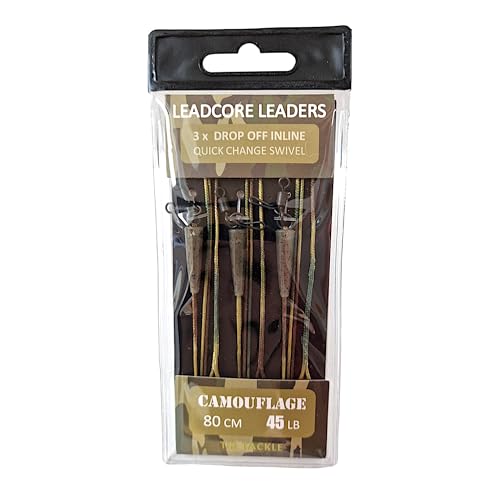
TJR Tackle Camo QC Drop Off Solid Bag Leadcore Leaders Swivel Ready Tied
£7.49 *View On Amazon* - Hooklengths and Leaders
Korda Leadcore Leaders Hybrid Lead Clip QC Swivel Weed Pre Tied Carp Fishing Leader
£8.38 *View On Amazon* - Hooklengths and Leaders
OriGlam 20pcs 15cm Fishing Leaders with Swivels and Snaps Stainless Steel Leader Wire Rigs
£4.20 *View On Amazon* - Hooklengths and Leaders
Twin Pack Fluorocarbon Leaders Ronnie Rig Spinner Swivel Booms 6 Booms 7.5 inch
£8.99 *View On Amazon* - Hooklengths and Leaders
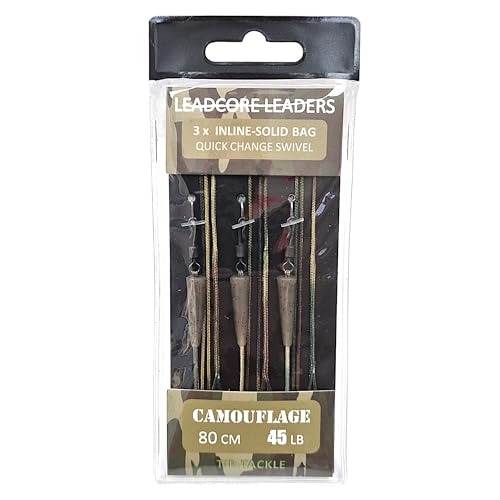
TJR Tackle Camo Solid Bag Inline Leadcore Leaders QC Swivel Ready Tied
£6.99 *View On Amazon* - Hooklengths and Leaders
Hull Angling Centre Fox Edges Submerge Lead Free Leader 30lb Fleck Camo 10m CAC703
Original price was: £14.99.£13.99Current price is: £13.99. *View On Amazon* - Hooklengths and Leaders
Aventik Hemingway’s Tapered Hand Woven Furled Leader Trout Fishing Leaders 8FT 4X
£8.99 *View On Amazon* - Hooklengths and Leaders
Maxcatch Fly Fishing Tapered Leader Line Pre Tied Loop 7.5ft 7.5ft Combo 2X 2pcs 3X 2pcs 4X 2pcs
£5.90 *View On Amazon*








What Are Hooklengths And Leaders?
A hooklength is the section of line between the main line and the hook. It is often shorter, finer or more carefully chosen than the main line because it directly affects bait presentation and bite detection.
A leader is a section of line or material used between the main line and the rig, lure, fly or terminal tackle. Leaders can be used for strength, abrasion resistance, bite protection, casting safety, lower visibility or better presentation depending on the fishing style.
Both hooklengths and leaders help anglers build a setup that is more suited to the water and fish being targeted. They should always be matched to the main line, rod, reel, hook and method.
What Are Hooklengths And Leaders Used For?
Hooklengths are used to present bait neatly and connect the hook to the rest of the rig. In coarse fishing, they are often used with floats, feeders, pole rigs and ledger setups. In carp fishing, hooklinks and hooklength materials are used to create specific rig presentations.
Leaders are used for several different reasons. A sea angler may use a shock leader for casting heavier weights. A predator angler may use a bite resistant leader or trace for toothy fish. A fly angler uses leaders and tippet to present flies correctly.
The main purpose is to create a connection that suits the situation. The end section of line often faces the most pressure, contact, abrasion and fish attention, so choosing it carefully matters.
How To Choose The Right Hooklength Or Leader
Start with your fishing method. Float fishing, feeder fishing, carp fishing, lure fishing, sea fishing and fly fishing all use hooklengths and leaders differently.
Next, think about the target fish and water conditions. Smaller fish and clear water may call for finer, more subtle hooklengths. Larger fish, snags, weed, rocks, teeth or heavy casting may require stronger or more specialist leader materials.
Venue rules are very important. Some fisheries restrict leaders, leadcore, braided hooklinks, wire traces, shock leaders, hooklength lengths or certain rig materials. Always check before fishing.
Key Features To Compare
When comparing hooklengths and leaders, look at breaking strain, diameter, material, visibility, stiffness, stretch, abrasion resistance claims where listed, knot strength, sinking or floating behaviour where listed and compatibility with hooks, swivels, clips or rigs.
For hooklengths, presentation is often a key factor. A fine, supple hooklength may help bait behave naturally, while a stiffer material may help reduce tangles or create a specific rig effect.
For leaders, strength and suitability are often more important. A leader may need to resist rough ground, protect against teeth, support casting or turn over a fly properly.
Hooklengths Compared With Leaders
Hooklengths usually sit closest to the hook and are mainly chosen for presentation, bite detection and hook bait behaviour. They are common in coarse, feeder, pole and carp fishing.
Leaders are usually used between the main line and the rig, lure or fly setup. They may be chosen for strength, abrasion resistance, casting safety, bite protection or presentation.
The trade off is subtlety versus protection. A hooklength is often about bait presentation, while a leader is often about managing the demands of the water, casting or target species.
Ready Tied Hooklengths Compared With Loose Hooklength Material
Ready tied hooklengths can be convenient, especially for beginners or anglers who want quick rig changes. They are useful when you want consistent hook sizes, line lengths and knots without tying everything at the bank.
Loose hooklength material gives more control. You can choose the length, hook pattern, knot, hair length, bait attachment and rig style to suit the exact session.
The best choice depends on confidence and fishing style. Ready tied options are quick and simple, while tying your own gives more flexibility.
Monofilament, Fluorocarbon, Braid And Wire Leaders
Monofilament hooklengths are widely used in coarse fishing and general angling. They can offer familiar handling and suit many float, feeder and ledger setups depending on the product.
Fluorocarbon leaders and hooklengths may be chosen for certain presentations where stiffness, sinking behaviour or lower visibility are useful. They should be tied carefully and matched to suitable knots.
Braided hooklengths can be used in some carp, feeder, lure or specialist setups where softness, strength or low stretch are useful. Some venues restrict braid, so check rules first.
Wire leaders or traces are commonly used where bite protection is needed, especially for pike and other toothy predators. They should be strong enough for the fish and used with suitable unhooking tools.
Hooklengths And Leaders For Coarse Fishing
Coarse fishing often uses hooklengths to improve presentation and protect the main line. A lighter hooklength may help with delicate bait presentation, while also allowing the hooklength to break before the main line in some setups if snagged.
Float fishing, feeder fishing and pole fishing all use hooklengths differently. Hook size, bait size, line diameter and target species should all be matched carefully.
For smaller fish, fine hooklengths can be useful. For larger carp, tench or bream, stronger hooklengths may be needed depending on the water and tackle.
Hooklengths And Leaders For Carp Fishing
Carp fishing often uses hooklinks, coated braids, fluorocarbon, monofilament, leaders, tubing and other rig materials depending on the presentation and venue rules.
Hooklink choice can affect how a boilie, wafter, pop up or bottom bait sits in the water. Supple materials may allow natural movement, while stiffer materials can help reduce tangles or create specific rig mechanics.
Rig safety is especially important in carp fishing. Any leader, clip, tubing or hooklink arrangement should reduce the risk of a fish being left towing tackle if the main line breaks.
Leaders For Predator And Lure Fishing
Predator and lure fishing often uses leaders to protect against abrasion, sharp teeth or repeated lure changes. Pike fishing commonly requires a suitable bite resistant trace because pike can cut ordinary line.
Lure anglers may use fluorocarbon leaders, wire traces, titanium style leaders or other leader materials depending on the species, venue and lure type. The leader should suit the lure action as well as the fish.
For lighter lure fishing, bulky leaders can affect lure movement. For larger predators, strength and bite protection become more important than fine presentation.
Leaders For Sea Fishing
Sea fishing can put heavy strain on leaders because of casting weight, tide, surf, rocks and rough ground. Shock leaders may be used in some casting setups to help handle the force of casting heavier weights.
Rig leaders and snoods also need to suit the bait, hooks, target species and ground being fished. Rough ground, weed and rocks can quickly damage weaker materials.
Saltwater can be hard on tackle, so check leaders, knots, swivels and clips regularly. Replace anything that looks frayed, rusty, weakened or damaged.
Leaders And Tippet For Fly Fishing
Fly fishing uses leaders and tippet to connect the fly line to the fly. The leader helps transfer energy from the cast, while the tippet is the fine end section tied to the fly.
Leader choice affects presentation, especially with dry flies, nymphs and smaller patterns. A heavy leader may not present delicate flies naturally, while a leader that is too fine may not suit larger fish or difficult conditions.
Fly anglers may use tapered leaders, level leaders, fluorocarbon tippet, nylon tippet and different strengths depending on the water, fly size and target species.
Beginner, Regular Angler And Experienced Angler Guidance
Beginners should start with simple hooklengths and leaders that match their fishing method. Ready tied hooklengths can be useful for learning, while basic leader material can help build confidence with knots and rig setup.
Regular anglers may want a selection of hooklength strengths, leader materials and ready tied options for different venues. This makes it easier to adapt to clear water, stronger fish, snags or changing weather.
Experienced anglers often fine tune hooklength length, diameter, stiffness, colour, knot choice, leader material and rig mechanics. Small changes can make a noticeable difference when fish are cautious or conditions are difficult.
Breaking Strain, Diameter And Rig Balance
Breaking strain is important, but it should not be the only buying factor. Diameter, stiffness, stretch and knot strength can all affect how a hooklength or leader performs.
A hooklength that is too heavy may reduce bites because the bait looks unnatural. A hooklength that is too light may not suit the fish, snags or venue. The same applies to leaders.
Balanced tackle means the hooklength, leader, main line, hook, rod, reel and drag all work together. This helps with presentation, casting, playing fish and fish care.
Knots, Connections And Setup Checks
Good knots are essential for hooklengths and leaders. A badly tied knot can fail even if the line or leader material is strong.
Different materials may need different knots. Fluorocarbon, braid, monofilament and wire can all behave differently, so use knots and crimps where suitable for the material and test them carefully.
Check every connection before fishing. Hooks, swivels, clips, loops, knots and leader joins should all be secure, neat and free from damage.
Venue Rules And Responsible Rig Use
Always check venue rules before using hooklengths and leaders. Some waters restrict braided hooklinks, wire traces, leadcore, shock leaders, fixed rigs, barbed hooks or certain leader materials.
Responsible rig use helps protect fish and wildlife. Your setup should be strong enough for the species and conditions, while also reducing the risk of lost tackle or tethered fish.
Take old line, cut off leaders, broken rigs and packaging home with you. Discarded line and leaders can harm birds, mammals, fish and pets.
Care, Storage And Replacement
Hooklengths and leaders should be stored clean, dry and organised. Hooklength boxes, leader wallets, rig wallets and tackle organisers help keep materials neat and easy to find.
Check hooklengths and leaders regularly for frays, kinks, flattening, weak spots, rusted hooks or damaged knots. Replace anything that looks unreliable.
After fishing around rocks, weed, snags or saltwater, inspect the leader carefully. The section nearest the hook, lure or rig often takes the most wear.
Useful Accessories To Consider
Useful accessories for hooklengths and leaders include hooklength boxes, leader wallets, rig wallets, line cutters, scissors, forceps, pliers, knot tools, crimps where suitable, swivels, clips, hooks, hooklink material, tippet spools and tackle boxes.
For carp fishing, baiting needles, bait stops, rig tubing and fish care equipment may also be useful. For predator fishing, traces, lure clips, long forceps, pliers and landing tools are important. For fly fishing, nippers, fly boxes and tippet holders can help keep leaders organised.
Why Buy Hooklengths And Leaders From YPC?
At YPC, we understand active lifestyles and the need for practical products that work in real use. Hooklengths and leaders should be chosen carefully because strength, diameter, material, knots and presentation all affect how well your setup performs.
Browse the Hooklengths and Leaders category at YPC to compare available options, check the details that suit your fishing method and choose line components that match the waters and species you plan to target.
Hooklengths And Leaders FAQs
What is a hooklength in fishing?
A hooklength is the section of line between the main line and the hook. It is often chosen for presentation, strength and bite detection.
Hooklengths are commonly used in coarse fishing, feeder fishing, pole fishing and carp fishing.
What is a leader in fishing?
A leader is a section of line or material used between the main line and the rig, lure, fly or hook setup. It may be used for strength, abrasion resistance, lower visibility, casting safety or bite protection.
Different fishing styles use leaders in different ways.
Are hooklengths and leaders suitable for beginners?
Yes, beginners can use hooklengths and leaders, and many simple rigs rely on them. Ready tied hooklengths can be especially useful when learning.
Beginners should choose hooklengths and leaders that match the method, fish and venue rules.
What is the difference between a hooklength and a leader?
A hooklength is usually the short section closest to the hook. A leader is usually a section between the main line and the rig, lure or fly setup.
Hooklengths often focus on bait presentation, while leaders often add strength, protection or better casting performance.
What hooklength strength should I use?
Hooklength strength depends on the target fish, water conditions, hook size, main line and method. Light coarse fishing may need a fine hooklength, while larger fish or snaggy waters may need stronger material.
Choose a balanced strength that suits the full setup.
Should my hooklength be weaker than my main line?
In many coarse fishing setups, the hooklength is lighter than the main line so that it can break first if snagged. However, this is not a fixed rule for every method.
Carp, predator, sea and fly setups may use different arrangements, so choose based on the method and safety.
What material is best for hooklengths?
There is no single best material. Monofilament is widely used for general hooklengths, fluorocarbon can suit certain subtle or stiff presentations, and braid can suit some specialist rigs.
The best material depends on the fishing style, target species and venue rules.
What is a fluorocarbon leader used for?
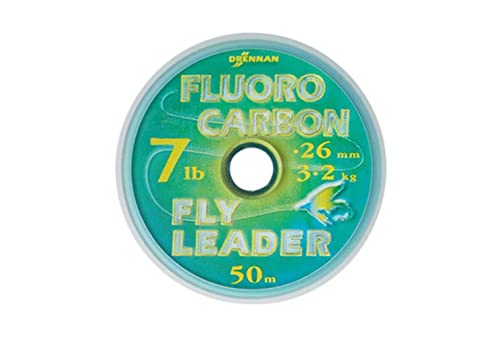
A fluorocarbon leader may be used when anglers want a leader with different visibility, stiffness or sinking behaviour compared with standard mono. It is used in some coarse, carp, lure and fly fishing setups.
It should be tied with suitable knots and tested before fishing.
What is a braided hooklength used for?
A braided hooklength may be used where suppleness, strength or low stretch are useful, especially in some carp and specialist rigs. It can allow certain baits to move more freely.
Some venues restrict braid, so always check the rules first.
What is a wire leader used for?
A wire leader, often called a trace, is used for toothy fish such as pike. It helps reduce the risk of the fish biting through the line.
Wire leaders should be matched to the species, lure or bait and unhooking equipment.
What is a shock leader?
A shock leader is a stronger leader used in some casting setups, especially sea fishing, to help handle the force of casting heavier weights.
It must be matched to the rod, line, casting weight and method. Use suitable knots and check it carefully before casting.
What is tippet in fly fishing?
Tippet is the fine end section of a fly fishing leader that connects to the fly. It helps present the fly and should match the fly size, fish and water conditions.
Fly anglers often carry several tippet strengths for different situations.
Are ready tied hooklengths worth using?
Ready tied hooklengths can be very useful, especially for beginners or anglers who want quick changes. They save time and provide consistent hooklengths.
Tying your own gives more control over length, hook pattern and material.
How long should a hooklength be?
Hooklength length depends on the method, feeder or float setup, fish behaviour and venue rules. Short hooklengths may suit some method feeder rigs, while longer hooklengths may suit other feeder or float approaches.
Adjust length based on bites, tangles and presentation.
Can leaders affect lure action?
Yes, leaders can affect lure action if they are too thick, stiff, heavy or bulky for the lure. Small lures may need lighter leaders, while larger predators may require stronger protection.
Balance lure movement with fish safety and bite protection.
Can leaders affect bait presentation?
Yes, a leader or hooklength can affect how bait sits, moves and behaves. Stiff materials, heavy components or poor knots can make a bait look less natural.
Choose the material to suit the rig and bait presentation.
How should I store hooklengths and leaders?
Store hooklengths and leaders in hooklength boxes, leader wallets, rig wallets or tackle organisers. Keep them dry, untangled and separated by size or strength.
Replace any that are kinked, frayed, rusty or damaged.
What should I check before buying hooklengths and leaders?
Check the material, breaking strain, diameter, length, visibility, stiffness, knot suitability, rig compatibility, target species and venue rules.
The right hooklength or leader should match your main line, hook, bait, rig and fishing environment.
 Getting ready for Summer? View our Home and Garden Products

Heading outdoors this winter? Take a look at our Outdoor Clothing.