
Jigs and Jigheads
Jigs and jigheads are used to add weight, hook placement and action to soft lures and other lure fishing presentations. They are suitable for predator anglers, lure anglers, sea anglers and anyone who wants to fish soft plastics or similar lures at different depths and speeds.
The right jig or jighead depends on the target species, lure size, hook size, jig weight, water depth, flow, casting distance, retrieve style, line strength, rod rating and venue rules. A light jighead for perch fishing has a very different job from a heavier jig used for deep water, fast flow or sea fishing.
- Jigs and Jigheads
TIXIPEM 1/18 oz Ned Rig Jig Heads 10PCS Mushroom Head Shroom Jigs for Bass Fishing and Finesse Fishing Silver 1.2in
Original price was: £6.79.£5.43Current price is: £5.43. *View On Amazon* - Jigs and Jigheads
Berkley Fusion19 Jighead Round Pack Varied
Original price was: £32.48.£29.99Current price is: £29.99. *View On Amazon* - Jigs and Jigheads
Annyswit 58 Pcs Jig Heads Fishing Hooks with Soft Plastic Lures Kit
£9.99 *View On Amazon* - Jigs and Jigheads
Jig Heads Fishing Hooks Kit 48pcs Round Ball Fishing Lures
£12.99 *View On Amazon* - Jigs and Jigheads
RuiJiaXiang 9pcs Skirted Rubber Jig Heads Kit 9g 12g 16g Includes Tackle Box
£13.00 *View On Amazon*
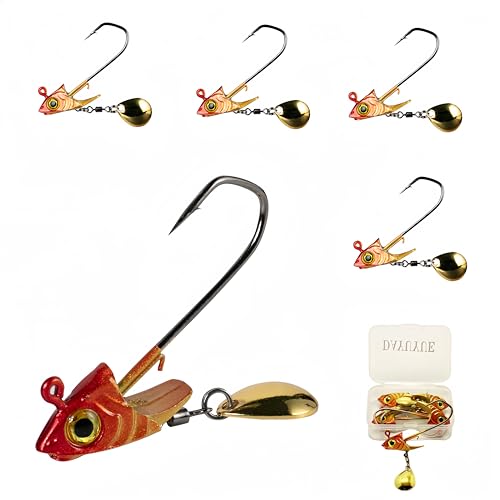


![FLADEN Fishing Assorted Multi Coloured Non Toxic Ball Jigheads 4 Pack 15g 4/0 Hook Red Yellow [35 11540]](https://m.media-amazon.com/images/I/410sZdZSN0L._SL500_.jpg)
![FLADEN Fishing Assorted Multi Coloured Non Toxic Ball Jigheads 3 Pack 20g 8/0 Hook Red Yellow [35-12080]](https://m.media-amazon.com/images/I/41gfWTNlcjL._SL500_.jpg)


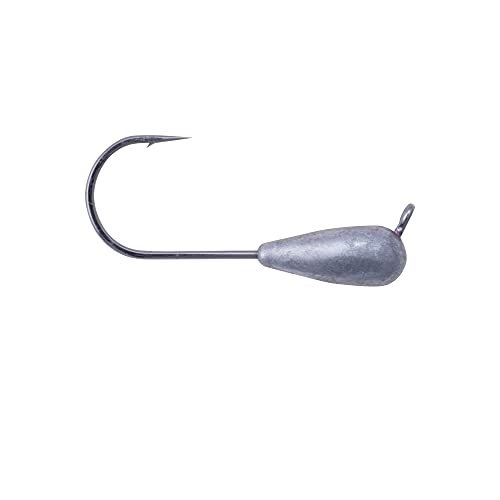

What Are Jigs And Jigheads?
Jigs and jigheads are weighted lure fishing components that usually combine a hook with a shaped weight near the head. They are most often used with soft plastic lures, grubs, shads, worms, creature baits and other artificial lure bodies.
A jighead gives the lure weight for casting and helps control how it sinks, swims, hops or bounces along the bottom. The hook holds the lure in place and connects with the fish when it strikes.
Jigs can vary in shape, weight, hook size, hook style and intended use. Some are designed for freshwater predator fishing, while others may suit sea fishing, vertical jigging, drop style presentations or heavier lure work.
What Are Jigs And Jigheads Used For?
Jigs and jigheads are used to present soft lures at the right depth and with the right movement. They can be cast and retrieved, hopped along the bottom, worked through deeper water or fished vertically depending on the method.
They are commonly used for species such as perch, pike, zander, bass, pollack, wrasse and other predatory fish where lure fishing is allowed. The tackle should always match the fish, venue and conditions.
A well chosen jighead can make a soft lure move more naturally. Too much weight can make the lure drop too quickly, while too little weight may not reach the fishing depth or give enough control.
How To Choose The Right Jig Or Jighead
Start with the lure size. The hook should sit properly in the lure body without being too short, too long or too bulky. If the hook exits in the wrong place, the lure may not swim correctly.
Next, choose the weight. Lighter jigheads can be useful in shallow water, slow retrieves or cautious fishing. Heavier jigheads may be needed for deeper water, stronger flow, wind, longer casting or vertical fishing.
Then think about the hook strength. Light hooks may suit small perch lures and delicate tackle, while stronger hooks may be needed for bigger fish, heavier lines, snaggy areas or sea fishing. Balance matters more than choosing the heaviest option.
Key Features To Compare
When comparing jigs and jigheads, look at weight, hook size, hook strength, head shape, eye position, lure keeper style, finish, hook point, target species and suitability for freshwater or saltwater use.
Head shape affects how the jig moves. Round jigheads are common all round choices, while other shapes may be designed for bottom contact, swimming action, weed resistance or specific lure styles.
The lure keeper is also worth checking. Some jigheads have barbs, collars, wire keepers or shaped sections to help hold soft lures in place. The right keeper should secure the lure without tearing it too quickly.
Round Jigheads, Football Jigs And Weedless Jigheads
Round jigheads are simple and versatile. They can be used with many soft lures and are often a good starting point for general lure fishing.
Football style jigheads are shaped to help the lure sit differently on the bottom. They may be useful for bottom fishing, depending on the water and lure type.
Weedless jigheads are designed to reduce snagging by helping the hook point sit closer to or inside the lure body. They can be useful around weed, cover or rough ground, but they still need careful rigging and are not completely snag proof.
Jigs Compared With Drop Shot Weights And Spinners
Jigs and jigheads combine weight and hook in one setup, usually with a soft lure attached. They are useful when you want the lure to sink, hop, swim or bounce with direct contact.
Drop shot rigs place the weight below the lure, allowing the lure to move above the bottom. This can be useful when fish are holding at a specific depth or when you want a more static presentation.
Spinners create flash and vibration through a rotating blade. Jigs are usually more subtle and can be worked at different depths with soft lure action. The best choice depends on fish behaviour, water depth and how actively you want to search.
Beginner, Regular Angler And Experienced Angler Guidance
Beginners should start with a small selection of jigheads that match their rod casting weight and soft lure sizes. A few sensible weights and hook sizes are more useful than carrying too many options at once.
Regular anglers may want jigheads for different depths, currents and species. Light jigheads, heavier jigheads, weedless options and different hook sizes can make lure fishing more adaptable.
Experienced anglers often fine tune jighead weight, hook gap, head shape, lure profile, retrieve speed and bottom contact. Small changes can make a lure look more natural and help trigger more confident takes.
Jigs And Jigheads For Perch, Pike, Zander And Sea Fishing
Perch fishing often uses smaller jigheads and soft lures. Light tackle, controlled retrieves and suitable hook sizes can be important, especially when fish are feeding cautiously.
Pike fishing may require larger lures, stronger hooks and suitable bite resistant leaders. Pike have sharp teeth, so ordinary line may not be suitable as the final connection.
Zander fishing often uses jigheads with soft lures worked close to the bottom, depending on the venue and rules. Sensitivity and bottom contact can be important.
Sea fishing may use jigheads for bass, pollack, wrasse and other species where lure fishing is suitable. Saltwater conditions can be hard on hooks and fittings, so check tackle carefully after use.
Jig Weight, Depth And Retrieve Speed
Jig weight affects how quickly the lure sinks and how much contact you feel through the rod. A lighter jighead can give a slower, more natural fall, while a heavier one can reach deeper water or cut through flow more easily.
Depth matters because fish may be feeding near the bottom, mid water or higher up. Changing jig weight can help you fish the correct zone.
Retrieve speed also changes the presentation. A steady retrieve can make a soft lure swim, while small hops, pauses and lifts can imitate a wounded or feeding prey item.
Hook Size, Lure Fit And Presentation
Hook size should match the soft lure. If the hook is too small, hook holds may be poor or the lure may not stay straight. If the hook is too large, it may restrict the lure action.
The lure should sit straight on the jighead. A twisted or bent lure can spin, track badly or look unnatural in the water.
Presentation is often more important than colour or size alone. A well rigged lure on the right jighead is more likely to fish properly than a poorly matched setup.
Line, Leaders And Rod Compatibility
Jigs and jigheads should be matched to your rod, reel, line and leader. The jig weight should fall within the rod’s suitable casting range.
Line choice affects feel and control. Some lure anglers use braid for sensitivity with a suitable leader, while others may use monofilament or fluorocarbon depending on the method, species and venue rules.
Leader choice matters, especially around rocks, snags, teeth or rough ground. For pike and other toothy fish, a suitable trace or bite resistant leader may be needed.
Fishing Around Weed, Snags And Rough Ground
Jig fishing often involves contact with the bottom, weed, stones or structure. This can be effective, but it can also increase the risk of snagging.
Weedless jigheads or lighter presentations may help in some areas, but no rig is completely snag proof. Fish carefully and avoid casting into places where lost tackle or tethered fish are likely.
Check your line, leader and hook after fishing near rough ground. Frays, bent hooks or damaged soft lures should be dealt with before casting again.
Venue Rules And Responsible Jig Fishing
Always check venue rules before using jigs and jigheads. Some waters restrict lure fishing, hook sizes, treble hooks, wire traces, fishing seasons or target species.
Responsible lure fishing means using tackle that suits the fish and conditions. Strong fish, snags and teeth all require suitable line, leaders and landing equipment.
Do not leave damaged lures, jigheads, hooks, line or packaging on the bank. Lost soft plastics and terminal tackle can harm wildlife and spoil fishing areas.
Hook Safety And Fish Handling
Jigheads have exposed hooks, so they should be handled carefully. Keep them stored safely in a lure box or tackle organiser and avoid leaving loose hooks in bags, pockets or on the bank.
Use suitable forceps, pliers, landing nets and unhooking tools for the species you target. Predator fish may need particular care because of teeth, spines or strong movements.
If using barbed or strong hooks where allowed, take extra care when unhooking. Fish care should always be part of the setup, not an afterthought.
Care, Cleaning And Storage
Jigs and jigheads should be kept clean, dry and organised. After use, remove weed, mud and bait residue where needed.
After sea fishing, rinse and dry suitable tackle where appropriate, as saltwater can affect hooks and metal parts. Check for rust, blunt points, bent hooks or damaged lure keepers before the next session.
Store jigheads by size and weight if possible. This makes it easier to choose the right option quickly and helps prevent hooks from tangling with other lures.
Useful Accessories To Consider
Useful accessories for jigs and jigheads include soft plastic lures, lure boxes, leaders, traces, snaps, swivels, braid scissors, forceps, pliers, hook sharpeners, line cutters and tackle bags.
Landing nets, unhooking mats and fish care tools are also important, especially when targeting pike, zander, bass or larger predators.
The best jigging setup is one where the jighead, lure, line, leader, rod and fish care equipment all work together.
Why Buy Jigs And Jigheads From YPC?
At YPC, we understand active lifestyles and the need for practical products that work in real use. Jigs and jigheads should be chosen carefully because weight, hook size, lure fit, water depth and target species all affect how well they perform.
Browse the Jigs and Jigheads category at YPC to compare available options, check the details that suit your lure fishing style and choose jigheads that match the waters and species you plan to target.
Jigs And Jigheads FAQs
What are jigs and jigheads?
Jigs and jigheads are weighted hook components used mainly with soft lures. They help the lure cast, sink and move through the water.
They are commonly used in predator fishing, lure fishing and some sea fishing methods.
Are jigs and jigheads suitable for beginners?
Yes, jigs and jigheads can be suitable for beginners. They are simple to use once matched to the right lure, rod and water depth.
Beginners should start with a small range of sensible weights and hook sizes rather than buying too many different types at once.
What is a jighead used for?
A jighead is used to add weight and a hook to a soft lure. It helps control how the lure sinks, swims, hops or moves along the bottom.
The weight and hook size should match the lure and fishing conditions.
What weight jighead should I use?
The right weight depends on water depth, flow, wind, casting distance, lure size and retrieve speed. Use the lightest practical jighead that still lets you reach and control the fishing depth.
A jighead that is too heavy can make the lure drop too quickly and look less natural.
What hook size jighead do I need?
Hook size should match the soft lure body. The hook should sit neatly in the lure and exit in a position that allows the lure to swim correctly.
If the hook is too large or too small, the lure may not present properly.
Can I use jigheads for perch fishing?
Yes, jigheads are commonly used for perch fishing with small soft lures. Lighter jigheads and suitable hook sizes are often useful, depending on depth and conditions.
Always check local rules before lure fishing.
Can I use jigheads for pike fishing?
Yes, jigheads can be used for pike fishing with suitable lures and tackle. Pike have sharp teeth, so a suitable bite resistant leader or trace may be needed.
Use strong enough tackle and proper unhooking tools.
Can I use jigheads for zander fishing?
Yes, jigheads are often used for zander fishing with soft lures, especially when working lures near the bottom. Sensitivity, lure control and suitable hook size can matter.
Check venue rules and choose tackle that suits the fish and water.
Can I use jigheads for sea fishing?
Yes, jigheads can be used for some sea fishing methods, including lure fishing for species such as bass, pollack and wrasse where suitable. Saltwater can be hard on hooks and metal parts.
Rinse and dry suitable tackle after sea use where appropriate.
What is a weedless jighead?
A weedless jighead is designed to reduce snagging by allowing the hook point to sit close to or within the lure body. It can be useful around weed, cover or rough ground.
It is not completely snag proof, so careful casting and retrieve control are still needed.
What is a round jighead?
A round jighead has a simple rounded head shape. It is a versatile option for many soft lure presentations and is often used by beginners and regular lure anglers.
It can work well in a range of freshwater and light sea fishing situations depending on weight and hook size.
What is a football jighead?
A football jighead has a wider head shape that can help the lure sit or move differently along the bottom. It may be useful for bottom contact presentations.
Suitability depends on the lure, water and target species.
How do I rig a soft lure on a jighead?
The soft lure should be threaded onto the hook so it sits straight. The hook point should exit the lure body in the correct position for the lure size.
A lure that is bent or twisted may spin or swim unnaturally.
Why does my soft lure spin on a jighead?
A soft lure may spin if it is not rigged straight, if the jighead is the wrong size, or if the retrieve speed is unsuitable. The lure body may also be damaged.
Re rig the lure carefully and check that it tracks straight in the water.
Do I need a swivel with jigheads?
A swivel is not always needed with jigheads, but clips, snaps or swivels may be useful depending on the setup. Some anglers use a small snap to change jigheads or lures quickly.
Choose connectors that do not spoil the lure action.
Do I need a leader with jigheads?
A leader may be useful or necessary depending on the species and water. For pike, a bite resistant trace is normally important. Around rocks, weed or rough ground, a stronger or abrasion resistant leader may be helpful.
Leader choice should match the fish, venue rules and lure action.
Can jigheads be used in weedy water?
Jigheads can be used in some weedy water, but they may snag if the hook is exposed. Weedless jigheads or lighter presentations may help.
If you are constantly pulling in weed, change the weight, retrieve depth, lure type or casting area.
How should I store jigs and jigheads?
Store jigs and jigheads in a lure box, tackle tray or organiser. Keep different sizes and weights separate so they are easy to find.
Dry them before long term storage and replace any hooks that are rusty, bent or blunt.
What accessories are useful with jigs and jigheads?
Useful accessories include soft lures, lure boxes, snaps, leaders, traces, braid scissors, pliers, forceps, hook sharpeners, line cutters and landing nets.
For predator fishing, suitable unhooking tools and fish care equipment are especially important.
What should I check before buying jigs and jigheads?
Check the jig weight, hook size, hook strength, head shape, lure keeper, target species, water depth, rod rating, line setup and venue rules.
The right jighead should match your lure, tackle and the way you plan to fish.
 Getting ready for Summer? View our Home and Garden Products

Heading outdoors this winter? Take a look at our Outdoor Clothing.