
Carp Rods
Carp rods are designed for targeting carp with suitable rigs, reels, line and fish care equipment. They are suitable for beginners, regular carp anglers and experienced fishers who need a rod that matches their venue, casting distance, target fish and fishing style.
The right carp rod depends on where you fish, the range you need, rod length, test curve, action, handle style, reel compatibility, transport length, casting weight and whether the rod is intended for general carp fishing, stalking, spod work, marker work or larger water setups.
- Carp Rods
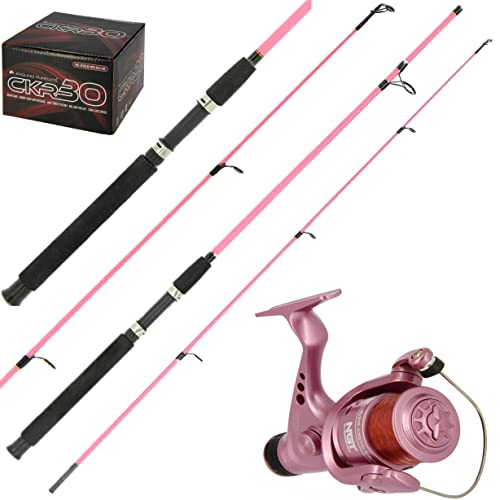
6ft Profiler Travel Carp Coarse Fishing Rod 2PC 1.8m Carbon Lightweight NGT
Original price was: £23.19.£22.49Current price is: £22.49. *View On Amazon* - Carp Rods
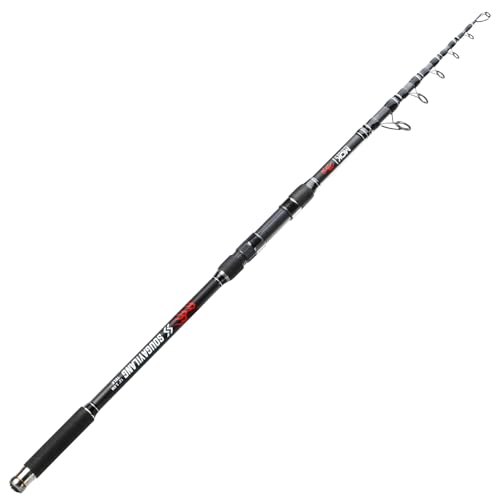
Sougayilang Carp Fishing Rod Carbon Fiber Casting Rod 4 or 5 Section with EVA Handle
Original price was: £32.98.£26.99Current price is: £26.99. *View On Amazon*









What Are Carp Rods?
Carp rods are fishing rods built for carp and specimen fishing. They are usually stronger than light coarse fishing rods because carp can be powerful fish and are often targeted with heavier lines, leads and specialist rigs.
A carp rod is designed to cast carp rigs, control fish during the fight and work with carp reels, bite alarms, rod pods, bank sticks and suitable landing equipment. Different models may suit different fishing styles, from close range margin work to longer casting on larger lakes.
A carp rod should be chosen as part of a complete setup. The rod, reel, line, lead system, hooklink, rig and fish care equipment all need to work together.
What Are Carp Rods Used For?
Carp rods are used for casting baited rigs, presenting boilies, wafters, pop ups, pellets or other suitable baits, and playing carp safely once hooked. They are commonly used on lakes, commercial fisheries, rivers, canals, gravel pits and specimen waters where carp fishing is allowed.
They may be used for bottom bait rigs, pop up rigs, method style approaches where suitable, surface fishing, stalking or longer range fishing depending on the rod and setup.
Some carp rods are also designed for specific jobs, such as spod rods for casting baiting tools and marker rods for checking depth and bottom features. These specialist rods should be chosen for their intended purpose rather than used as general carp rods unless suitable.
How To Choose The Right Carp Rod
Start by thinking about the waters you fish most often. A short range carp rod for small lakes and tight swims may not be the same as a rod used for large waters, distance casting or open water fishing.
Next, consider test curve and action. Test curve gives a guide to rod power, while action affects how the rod bends during casting and playing fish. A more forgiving rod can feel enjoyable and controlled, while a more powerful rod may suit heavier leads, longer casting or bigger waters.
Also think about transport and storage. Some carp rods come in multiple sections or shorter transport lengths, which can be useful if you have limited car or storage space. Traditional two section rods may appeal to anglers who prefer a more familiar feel.
Key Features To Compare
When comparing carp rods, look at rod length, test curve, action, casting ability, handle style, guide quality, reel seat, number of sections, transport length and compatibility with your chosen reels and line.
Rod length affects casting, control and handling. Longer rods can help with distance in the right hands, while shorter rods can be easier in tight swims, stalking situations or smaller venues.
Test curve should suit your fishing style. A lighter test curve can feel more forgiving at close range, while a higher test curve may suit heavier leads, larger waters or stronger casting. The best choice depends on the venue and how you fish.
Carp Rods Compared With General Coarse Fishing Rods
General coarse fishing rods are often designed for lighter tackle, float fishing, feeder fishing or mixed species angling. They can be enjoyable for smaller fish, but they may not be suitable for stronger carp, heavier rigs or specimen fishing.
Carp rods are built around the demands of targeting carp. They are usually more powerful, designed for carp reels and suitable line, and intended to work with rigs and leads used in carp fishing.
The trade off is power versus finesse. A carp rod gives better control over strong fish and heavier setups, while a lighter coarse rod may offer more feel for smaller species.
Carp Rods Compared With Spod And Marker Rods
Standard carp rods are used for fishing baited rigs and playing fish. They need to cast accurately and cushion fish during the fight.
Spod rods are usually designed for casting baiting tools loaded with bait. They need to handle repeated casting with heavier payloads where suitable, so they are not usually the same as normal fishing rods.
Marker rods are used to find depth and feel bottom features with marker floats and leads. They are designed for feature finding rather than playing fish.
The best setup depends on what you need. A fishing rod, spod rod and marker rod each has a different role in a more complete carp fishing system.
Beginner, Regular Angler And Experienced Angler Guidance
Beginners should choose a carp rod that is manageable, not overly powerful and suitable for the waters they fish most often. A simple, balanced rod and reel setup is more useful than choosing the strongest rod straight away.
Regular carp anglers may want rods that suit their main venue style. If you fish smaller lakes, comfort and accuracy may matter most. If you fish larger waters, casting performance and line control may become more important.
Experienced anglers often compare rod recovery, compression, playing action, guide layout, handle feel and how the rod performs with specific reels, lines and leads. Small details can make a difference during regular carp fishing.
Carp Rods For Small Waters And Commercial Fisheries
On smaller waters and commercial fisheries, casting extreme distance is often less important. A rod that feels accurate, forgiving and comfortable can be more practical.
Shorter or more manageable carp rods may suit tighter swims, close range work, margin fishing and venues where trees, platforms or other anglers limit space.
The setup should still be strong enough for the carp being targeted. Even on smaller waters, fish can find weed, snags or margins quickly, so balanced tackle and good fish control matter.
Carp Rods For Large Lakes And Distance Fishing
On larger lakes, anglers may need rods that can cast further, manage stronger lines and control fish at range. A more powerful carp rod may be useful where longer casts, heavier leads or open water fishing are part of the method.
Distance fishing is not only about the rod. Reel size, line diameter, lead choice, rig shape, casting technique and wind direction all affect performance.
Accuracy is just as important as distance. A rod that helps you cast consistently to the same area can be more useful than one that only feels powerful.
Carp Rods For Stalking And Margin Fishing
Stalking and margin fishing often involve short casts, close control and careful movement around the water. A shorter, more manageable carp rod may be useful where space is limited.
These rods can be practical for fishing under trees, near reeds, around close features or in tight swims where a longer rod feels awkward.
Close range carp fishing still needs care. Fish can reach snags quickly, so line, hooks, drag setting and landing gear should all suit the swim.
Carp Rods For River Carp Fishing
River carp fishing can place extra pressure on tackle because of flow, snags, weed, rocks and stronger fish. A carp rod for rivers should suit the conditions and give enough control to steer fish safely.
Casting distance may be less important than strength, accuracy and control. The rod should work with suitable line, leads and rigs for the river environment.
Always check local rules, access and safety before river fishing. Water levels can change quickly, and banks may be slippery or unstable.
Test Curve, Rod Action And Casting Control
Test curve is commonly used to describe the power of carp rods. It can help compare rods, but it should not be the only factor when choosing.
Rod action describes how the rod bends. Some rods feel faster and more powerful through the tip, while others bend more progressively through the blank. Action affects both casting and playing fish.
A good carp rod should feel controlled. It should load smoothly during the cast, recover cleanly and give enough cushioning when a carp lunges near the net.
Handle Style, Guides And Reel Seats
Handle style affects comfort and grip. Some anglers prefer full length handles, while others like abbreviated or slim designs. The best choice is the one that feels secure and comfortable when casting and playing fish.
Guides affect line flow and casting feel. They should be smooth, aligned and suitable for the line being used. Damaged guides can quickly weaken fishing line.
The reel seat should hold the reel securely. A poorly fitted reel can move during casting or fish playing, which can make the setup feel unreliable.
Matching Carp Rods With Reels And Line
Carp rods should be matched with suitable carp reels. A compact reel may suit shorter or lighter rods, while larger big pit reels may suit longer rods and distance fishing.
Line choice should match the rod, reel, venue and fish. Thicker line may be useful around weed, snags or larger fish, while lighter line may cast more easily in open water where suitable and allowed.
The full setup should be balanced. A powerful rod with unsuitable line or a small reel can feel awkward and may not perform properly.
Leads, Rigs And Safe Carp Setups
Carp rods need to be matched with suitable leads and rigs. The casting weight should suit the rod’s intended use, and the rig should be safe if the main line breaks.
Lead clips, inline leads, running rigs and other systems all need to be used correctly and in line with fishery rules. If you are unsure, choose simple, safe rigs and seek proper guidance.
Fish safety is central to carp fishing. The rod helps you play the fish, but rig safety, line strength, landing nets and unhooking equipment are just as important.
Venue Rules And Responsible Carp Fishing
Always check fishery rules before carp fishing. Rules may cover rod numbers, hook types, barbs, line strength, leaders, lead systems, bait, bait boats, night fishing and fish care equipment.
Use tackle that suits the fish and venue. Fishing too light in snaggy water can be risky, while fishing too heavy on small waters can reduce control and enjoyment.
Take old line, rig waste, bait packaging and broken tackle home with you. Responsible carp fishing helps protect fish, wildlife and the venue.
Safety When Using Carp Rods
Carp rods should be used carefully around people, trees, power lines, animals, vehicles and other anglers. Always check the casting area before casting.
Carbon rods can conduct electricity, so never fish near overhead power lines or during thunderstorms. Keep rods, line and rigs well away from electrical hazards.
When setting rods on alarms or rests, make sure they are secure. A strong take can pull poorly set tackle forward if the setup is not stable.
Care, Cleaning And Storage
Carp rods should be cleaned and dried after use. Mud, bait, rain, weed and grit can affect the blank, guides, reel seat and handle.
Check rod guides regularly for cracks, rough edges or damage. A damaged guide can cut or weaken line during casting or while playing fish.
Store rods in sleeves, tubes or holdalls where suitable. Avoid crushing rod sections, trapping tips in car doors or leaving rods damp in storage for long periods.
Useful Accessories To Consider
Useful accessories for carp rods include carp reels, main line, shock leaders where suitable, lead clips, hooklink material, hooks, rig tools, bite alarms, bank sticks, rod pods, landing nets, unhooking mats and weigh slings.
Rod sleeves, holdalls, tip protectors and reel cases can help protect tackle during transport and storage.
The best carp setup is one where the rod, reel, line, rig and fish care equipment all match the same fishing style and venue.
Why Buy Carp Rods From YPC?
At YPC, we understand active lifestyles and the need for practical products that work in real use. Carp rods should be chosen carefully because length, test curve, action, reel compatibility and venue suitability all affect how well your setup performs.
Browse the Carp Rods category at YPC to compare available options, check the details that suit your carp fishing style and choose rods that match the waters and fish you plan to target.
Carp Rods FAQs
What is a carp rod?
A carp rod is a fishing rod designed for targeting carp with suitable reels, line, leads and rigs. It is usually stronger than light coarse fishing rods.
Carp rods are used for casting rigs, controlling fish and fishing at different ranges depending on the venue.
Are carp rods suitable for beginners?
Yes, carp rods can be suitable for beginners. New carp anglers should choose a rod that is manageable, balanced and suitable for the waters they fish most often.
A beginner does not always need the most powerful rod available.
What length carp rod should I choose?
Rod length depends on the venue, casting distance and swim space. Longer rods can help with distance where suitable, while shorter rods can be easier in tight swims or close range fishing.
Choose based on where you actually fish rather than size alone.
What does test curve mean on a carp rod?
Test curve is a rating used to indicate the power of a carp rod. It helps compare rods for close range work, general carp fishing or longer casting.
It should be considered alongside rod action, length and intended use.
What test curve carp rod do I need?
The right test curve depends on casting distance, lead size, fish size and venue conditions. Lighter test curves may suit close or medium range fishing, while higher test curves may suit larger waters or heavier setups.
Always match the rod to the reel, line and rig.
What is rod action?
Rod action describes how the rod bends under pressure. Some rods bend mainly near the tip, while others bend more progressively through the blank.
Action affects casting feel, fish playing control and how forgiving the rod feels.
Are carp rods good for distance casting?
Some carp rods are designed with distance casting in mind, but distance also depends on reel choice, line, rig, lead weight and casting technique.
A rod should feel controlled and accurate, not just powerful.
Can I use a carp rod for coarse fishing?
A carp rod can be used for some heavier coarse fishing, but it is usually too powerful for light float fishing or small species. It may reduce bite detection and enjoyment with smaller fish.
For general coarse fishing, a float rod or feeder rod may be more suitable.
Can I use a carp rod for pike fishing?
Some carp rods may be used for certain pike methods, but predator fishing has specific tackle and fish handling needs. Pike usually require suitable traces, strong hooks and proper unhooking tools.
Choose tackle based on the method, venue rules and target species.
Can I use a carp rod for sea fishing?
Carp rods are not usually designed for sea fishing. Some may handle light shore work in limited situations, but saltwater, heavier weights and rough ground often require sea fishing rods.
Check product suitability before using any rod near saltwater.
What is the difference between a carp rod and a spod rod?
A carp rod is used for fishing baited rigs and playing fish. A spod rod is designed for casting baiting tools loaded with bait.
Spod rods are usually more specialised and should be chosen for baiting work rather than general fish playing.
What is the difference between a carp rod and a marker rod?
A marker rod is used to check depth and bottom features with a marker float and lead. A carp rod is used to fish rigs and play fish.
Marker rods are useful for feature finding but are not always intended as general carp rods.
Do I need more than one carp rod?
Many carp anglers use more than one rod where venue rules allow, but it is not essential for everyone. Beginners may start with one rod and learn basic watercraft, rigs and fish care first.
Always follow fishery rules on the number of rods allowed.
What reel should I use with a carp rod?
Use a carp reel that balances with the rod and holds suitable line for the venue. Compact reels may suit short range fishing, while big pit reels may suit larger waters and distance casting.
The reel should match the rod, line and fishing style.
What line should I use with a carp rod?
Line choice depends on the venue, fish size, weeds, snags, casting distance and fishery rules. Monofilament is commonly used, while braid or leaders may be restricted on some waters.
Always choose line that suits the full setup and conditions.
What leads can I use with a carp rod?
Lead choice depends on rod rating, casting distance, rig style and venue rules. The lead should be suitable for the rod and safe rig system being used.
Avoid casting weights that exceed what the rod is designed to handle.
Are carp rods suitable for stalking?
Some carp rods are suitable for stalking, especially shorter and more manageable models. Stalking often involves close range fishing, tight swims and careful movement.
A compact rod can be easier to control around trees, margins and small swims.
How do I care for carp rods?
Wipe carp rods clean after use, dry them properly and check the guides, reel seat, joints and handle. Remove mud, bait and weed before storage.
Store rods safely in sleeves, tubes or holdalls where suitable.
How do I know if a carp rod guide is damaged?
A damaged guide may feel rough, cracked or sharp. It can damage or cut fishing line during casting or playing fish.
Check guides regularly and stop using the rod if a guide could damage the line.
What should I check before buying carp rods?
Check rod length, test curve, action, handle style, reel compatibility, casting suitability, number of sections, transport length, guide quality and the type of carp fishing it is intended for.
The right carp rod should match your venue, reels, line, rigs and target fish.
 Getting ready for Summer? View our Home and Garden Products

Heading outdoors this winter? Take a look at our Outdoor Clothing.