
Casting Rods
Casting rods are designed to work with baitcasting reels or suitable multiplier style reels, giving anglers a controlled setup for casting lures, managing line and fishing more accurately in the right conditions. They are suitable for lure anglers, predator anglers and experienced fishers who want a rod built for overhead reel use rather than a standard spinning reel.
The right casting rod depends on your reel type, lure weight, target species, rod length, casting rating, action, power, line choice, handle style and the waters you fish. A light casting rod for small perch lures has a very different job from a stronger rod used for pike, zander, bass or heavier predator fishing.
- Casting Rods
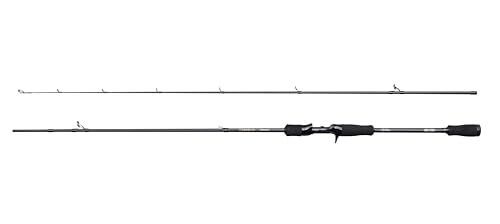
Abu Garcia ORRA Predator Casting Rod – Precision Fishing Gear for Anglers, Ideal for Target Species like Bass, Pike & Trout, Durable, Sensitive, and Lightweight Performance 1.98m 10-35G
Original price was: £59.99.£57.77Current price is: £57.77. *View On Amazon* - Casting Rods
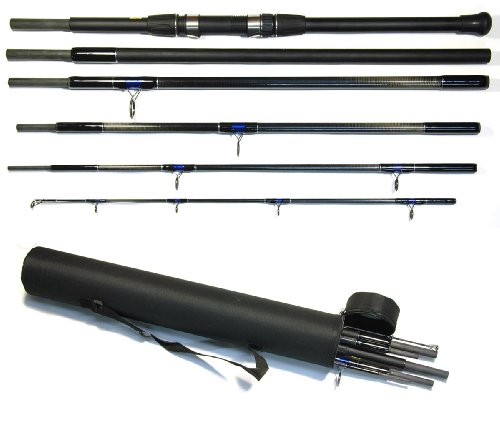
Shakespeare SALT Surf Lowrider Rod – Lightweight Carbon Surfcasting Rod, Durable, DPS Reel Seat, Fast Taper Action for Beach, Pier, and Estuary Fishing, Flounder & Bass – 14ft, 4-8oz
Original price was: £74.99.£71.00Current price is: £71.00. *View On Amazon* - Casting Rods
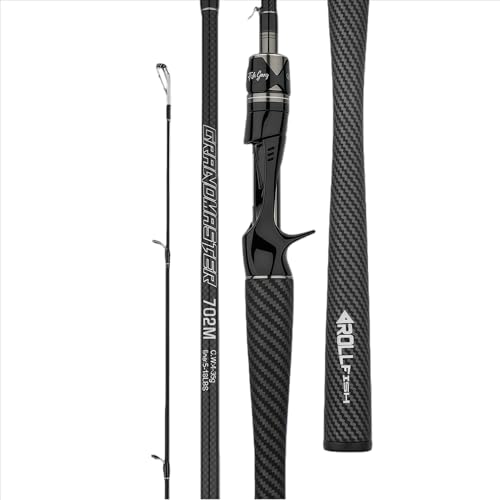
Abu Garcia MAX Pro Casting Combo 1.98 m 15 60g Rod and Reel Set
£139.99 *View On Amazon* - Casting Rods
Sougayilang Casting Fishing Rod and Reel Combo 1.8m 2.1m MH 2 Section Baitcaster Combo 18JYB L
Original price was: £55.98.£41.98Current price is: £41.98. *View On Amazon*








What Are Casting Rods?
Casting rods are fishing rods designed for reels that sit on top of the rod, such as baitcasting reels. They usually have a guide layout and handle design suited to this reel position, and many include a trigger grip to help with control during casting and retrieving.
They are commonly used for lure fishing, especially when anglers want accurate casts, direct lure contact and good control around features such as weed, margins, structure, boats, jetties or drop offs.
Casting rods should not be confused with standard spinning rods. A spinning rod is designed for a fixed spool reel that sits underneath the rod, while a casting rod is built for an overhead reel setup.
What Are Casting Rods Used For?
Casting rods are mainly used for casting and retrieving artificial lures. They can be used with soft plastics, crankbaits, jerkbaits, spinnerbaits, jigs, swimbaits, plugs, surface lures and other suitable lure types depending on the rod rating.
They are often used for predator fishing, including perch, pike, zander, bass and other species where lure fishing is allowed. The rod should always match the lure weight, line, leader and target fish.
Casting rods can also be useful when accuracy matters more than distance. With practice, they can help anglers place lures close to features and control the lure quickly after it lands.
How To Choose The Right Casting Rod
Start by checking the reel you plan to use. A casting rod should be matched with a baitcasting reel or suitable overhead reel, not a standard spinning reel. The reel seat, guides and handle are designed around that setup.
Next, look at lure weight. Every casting rod is designed for a particular range of lures. If the lure is too light, the rod may not load properly during the cast. If the lure is too heavy, the rod may feel unsafe or overloaded.
Target species also matter. Small perch lures need a lighter rod with more sensitivity, while pike or larger predator lures usually need more power, stronger line and suitable bite resistant leaders.
Key Features To Compare
When comparing casting rods, look at length, casting weight, action, power, line rating where listed, number of sections, handle style, trigger grip, guide layout, reel seat, transport length and freshwater or saltwater suitability where listed.
Rod length affects casting distance, accuracy and control. Shorter rods can be useful in tight swims, boats or close range lure work, while longer rods may help with casting distance and line control.
Rod action affects how the rod bends and recovers. A fast action rod may suit sharper lure control and quick hook sets, while a more moderate action can feel more forgiving with certain moving lures.
Casting Rods Compared With Spinning Rods
Casting rods are designed for baitcasting reels that sit on top of the rod. Spinning rods are designed for fixed spool reels that sit underneath the rod.
A spinning setup is often easier for beginners and can work well with lighter lures. A casting setup can offer excellent control once the angler is confident with baitcasting reel setup and casting technique.
The trade off is simplicity versus control. Spinning rods are usually easier to use straight away, while casting rods can feel more precise for lure placement and repeated predator fishing once mastered.
Casting Rods Compared With Boat Rods And Sea Rods
Casting rods are usually designed for lure casting and predator fishing with baitcasting reels. Boat rods and sea rods are often built for heavier rigs, bait fishing, tide, depth or saltwater conditions.
Some casting rods may suit certain saltwater lure methods where listed, but not every casting rod is suitable for sea fishing. Saltwater, sand, spray and stronger fish can place different demands on tackle.
Choose by method first. A lure casting rod should not automatically be treated as a boat rod, beach rod or heavy sea rod unless the product details clearly support that use.
Baitcasting Rods And Casting Rods
In many fishing contexts, casting rods and baitcasting rods refer to the same general type of rod. They are built for baitcasting reels and lure fishing methods where the reel sits above the rod.
The terms can vary between product listings, so it is worth checking the details carefully. Look at reel compatibility, casting weight, line rating, handle design and the lure types the rod is intended for.
If you already own a baitcasting reel, choose a casting rod that balances with it and suits the lure weights you actually use.
Beginner, Regular Angler And Experienced Angler Guidance
Beginners can use casting rods, but they should expect a learning curve if they are new to baitcasting reels. It is usually easier to start with a manageable rod, suitable lure weight and a reel set up with safe brake settings.
Regular lure anglers may choose casting rods for accuracy, control and comfort during repeated casting. A well matched rod and reel setup can make lure fishing feel more deliberate and efficient.
Experienced anglers often compare rod action, blank recovery, handle length, trigger grip feel, lure rating, sensitivity and how the rod performs with specific lures. Small differences can matter when fishing regularly.
Casting Rods For Perch, Pike, Zander And Bass
Perch fishing often uses lighter casting rods with smaller lures, thinner braid and more sensitive tips. The rod should help you feel light bites, bottom contact and small lure movement.
Pike fishing usually needs stronger casting rods, larger lures and suitable bite resistant traces. Pike have sharp teeth, so leader choice and unhooking tools are important parts of the setup.
Zander fishing may involve jigs, soft plastics and bottom contact presentations, depending on the venue and rules. Sensitivity and lure control can be especially useful.
Bass fishing may use casting rods for suitable lure work where the product and saltwater conditions allow. Always check saltwater suitability where listed and clean tackle after coastal use.
Casting Rods For Soft Lures, Jigs And Crankbaits
Soft lure and jig fishing often benefits from sensitivity, as anglers need to feel taps, bottom contact and changes in lure movement. A faster action casting rod may suit this style depending on the lure and fish.
Crankbaits and moving lures may suit a slightly more forgiving action because the rod can help absorb vibration and fish movement. This can reduce the risk of pulling hooks during the fight.
Spinnerbaits, jerkbaits, swimbaits and surface lures can all place different demands on a rod. Always choose a casting rod that matches the lure weight and the way the lure is worked.
Rod Length, Casting Weight And Lure Control
Rod length affects how a casting rod feels. Shorter rods can be accurate and easy to handle in tight spaces, while longer rods may help with casting distance and keeping line clear of bankside obstacles.
Casting weight tells you the lure weight range the rod is designed to cast. Staying within that range helps the rod load properly and improves control.
Lure control is about more than casting. The rod should help you work the lure, feel bites, set the hook and play fish safely once connected.
Rod Action, Power And Sensitivity
Rod action describes where the rod bends. Fast action rods often bend more towards the tip and can feel crisp and responsive. Moderate action rods bend deeper and may feel more forgiving with moving lures.
Rod power describes the strength of the rod. Light power rods suit smaller lures and fish, while heavy power rods suit larger lures, stronger fish and tougher conditions.
Sensitivity matters in lure fishing because bites can be subtle. A sensitive casting rod can help you feel lure movement, bottom contact and fish interest more clearly.
Line, Leaders And Reel Compatibility
Casting rods are commonly used with baitcasting reels loaded with braid, monofilament or fluorocarbon depending on the method and venue rules. Braid is popular for sensitivity, often with a suitable leader.
Leader choice depends on the species and water. Fluorocarbon leaders may be used for abrasion resistance or lower visibility, while pike and other toothy fish normally require a suitable bite resistant trace.
The reel, rod and line should work together. A powerful rod with a small reel or unsuitable line can feel unbalanced and may not perform properly.
Handle Style, Trigger Grip And Comfort
Many casting rods have a trigger grip under the reel seat. This helps the angler hold the rod securely during casting, retrieving and working lures.
Handle length affects leverage and comfort. Shorter handles can be useful for close control and boat work, while longer handles may help with casting larger lures or fighting stronger fish.
Comfort matters because lure fishing often involves repeated casts. A rod that feels awkward after ten minutes is unlikely to feel good after a full session.
Freshwater And Saltwater Use
Many casting rods are used in freshwater for perch, pike, zander and other predator fishing. Freshwater use can still expose rods to mud, weed, rain and grit, so cleaning and care matter.
Some casting rods may be suitable for saltwater lure fishing where listed. Saltwater can be hard on guides, reel seats and fittings, so product suitability and cleaning are important.
Do not assume every casting rod is suitable for sea fishing. Check the product details before using one around saltwater.
Venue Rules And Responsible Lure Fishing
Always check venue rules before using casting rods and lures. Some waters restrict lure fishing, hooks, wire traces, fishing seasons, target species or methods.
Use tackle that suits the fish and the venue. Fishing too light near snags, weed or strong fish can create problems, while fishing too heavy can reduce sport and presentation.
Take old line, damaged lures, hooks and packaging home with you. Responsible lure fishing helps protect wildlife and keeps waters safer for other anglers.
Safety When Using Casting Rods
Casting rods are often used with lures that have sharp hooks, including trebles, singles or jig hooks. Always check your casting area before casting and keep people, dogs, trees and tackle clear of the lure path.
Carbon rods can conduct electricity, so keep rods and line well away from overhead power lines and never fish during thunderstorms.
When moving between swims, secure lures safely. A lure swinging from a rod tip can easily catch clothing, bags, nets or skin.
Care, Cleaning And Storage
Casting rods should be wiped clean and dried after use. Mud, weed, rain, salt spray and grit can affect guides, reel seats and handles.
Check guides regularly for cracks, sharp edges or rough spots. A damaged guide can quickly weaken braid, mono or fluorocarbon.
Store casting rods in sleeves, tubes or holdalls where suitable. Avoid trapping rod tips, crushing guides or leaving rods damp in storage for long periods.
Useful Accessories To Consider
Useful accessories for casting rods include baitcasting reels, braided line, monofilament, fluorocarbon leaders, bite resistant traces, lure clips, snaps, swivels, soft lures, crankbaits, jigs, lure boxes, forceps, pliers and line cutters.
For predator fishing, landing nets, unhooking mats, long forceps and suitable fish care tools are important. For saltwater lure fishing where suitable, cleaning cloths and reel maintenance products may also be useful.
The best casting setup is one where the rod, reel, line, leader, lure and fish handling equipment all match the same fishing method.
Why Buy Casting Rods From YPC?
At YPC, we understand active lifestyles and the need for practical products that work in real use. Casting rods should be chosen carefully because reel compatibility, lure rating, action, power and target species all affect how well the setup performs.
Browse the Casting Rods category at YPC to compare available options, check the details that suit your lure fishing style and choose rods that match the waters and species you plan to target.
Casting Rods FAQs
What is a casting rod?
A casting rod is a fishing rod designed for a baitcasting reel or suitable overhead reel. The reel sits on top of the rod, and the rod guides are positioned for that setup.
Casting rods are commonly used for lure fishing and predator fishing.
Are casting rods suitable for beginners?
Casting rods can be suitable for beginners, but they are usually easier if the angler is willing to practise with a baitcasting reel. Casting setups need more control than standard spinning setups.
A beginner should start with suitable lure weights and simple open water practice.
What are casting rods used for?
Casting rods are mainly used for casting and retrieving lures. They can be used for predator species such as perch, pike, zander and bass where suitable and allowed.
They are useful when accuracy, lure control and repeated casting matter.
What is the difference between a casting rod and a spinning rod?
A casting rod is designed for a baitcasting reel that sits on top of the rod. A spinning rod is designed for a fixed spool reel that sits underneath the rod.
The rods are built differently and should be matched with the correct reel type.
Can I use a spinning reel on a casting rod?
It is not recommended. A spinning reel is designed for a spinning rod, not a casting rod. The guide layout and reel position are different.
Use a baitcasting reel or suitable overhead reel with a casting rod.
Can I use a baitcasting reel on a spinning rod?
No, a baitcasting reel should be used with a casting rod. A spinning rod is not designed for the reel position, guide layout or casting style of a baitcaster.
Matching rod and reel type makes the setup safer and easier to use.
What fish can I catch with a casting rod?
Casting rods can be used for perch, pike, zander, bass and other lure caught species depending on the rod, lures, line and venue rules.
Choose the rod power and lure rating to match the species you plan to target.
Are casting rods good for pike fishing?
Casting rods can be good for pike fishing when they are strong enough for the lures and fish being targeted. Pike fishing usually needs a suitable bite resistant trace and proper unhooking tools.
Check the rod lure rating and power before buying.
Are casting rods good for perch fishing?
Yes, lighter casting rods can be useful for perch fishing with small soft lures, crankbaits, jigs or other suitable lures. Sensitivity and lure control are important.
Use a rod that matches the lure weights and line you plan to use.
Are casting rods good for zander fishing?
Casting rods can be useful for zander fishing, especially with jigs and soft lures where sensitivity and bottom contact matter. The setup should match the lure weight and venue.
Always check local rules before fishing.
Can casting rods be used for sea fishing?
Some casting rods may be suitable for sea lure fishing where listed, but not all are designed for saltwater. Saltwater can affect guides, reel seats and fittings.
Check product details carefully before using a casting rod by the coast.
What length casting rod should I choose?
The right length depends on the venue, casting distance and lure style. Shorter rods can help in tight swims and boats, while longer rods may help with distance and line control.
Choose a length that suits where you fish most often.
What lure weight casting rod do I need?
Choose a casting rod with a lure rating that matches the lures you use. Light lures need a lighter rod, while large predator lures need a stronger rod with a higher casting rating.
Avoid casting lures outside the rod’s stated range.
What does rod action mean on a casting rod?
Rod action describes how the rod bends under load. Fast action rods often bend more near the tip, while moderate action rods bend deeper.
Action affects casting feel, lure control and how the rod plays fish.
What does rod power mean on a casting rod?
Rod power describes the strength of the rod. Light power rods suit small lures and smaller fish, while heavy power rods suit larger lures and stronger fish.
Power should match the target species, lure size and venue.
Do casting rods have trigger grips?
Many casting rods have trigger grips to help control the rod when casting and retrieving. The trigger sits under the reel seat and can make the rod feel secure in the hand.
Not every design is the same, so check the product details.
What line should I use with a casting rod?
Line choice depends on the reel, lure, species and venue. Braid is popular for sensitivity, often with a leader, while mono or fluorocarbon may suit some setups.
Check venue rules and match the line to the rod and reel.
Do I need a leader with a casting rod?
A leader may be useful or necessary depending on the species and water. For pike and other toothy fish, a suitable bite resistant trace is normally important.
For clear water or rough ground, fluorocarbon or abrasion resistant leaders may be useful where suitable.
How do I care for a casting rod?
Wipe the rod clean after use, dry it properly and check the guides, reel seat, handle and joints. After saltwater use where suitable, clean the rod according to product guidance.
Store it in a sleeve, tube or holdall to help protect the guides and tip.
What should I check before buying a casting rod?
Check reel compatibility, rod length, casting weight, action, power, line rating where listed, handle style, number of sections, transport length and freshwater or saltwater suitability where listed.
The right casting rod should match your baitcasting reel, lures, line, target species and fishing venue.
 Getting ready for Summer? View our Home and Garden Products

Heading outdoors this winter? Take a look at our Outdoor Clothing.