
Fly Fishing Rods
Ice fishing rods are short specialist rods designed for fishing through holes in ice where the method is legal, permitted and safe. They are suitable for experienced anglers, specialist cold weather fishers and buyers who need compact rods for controlled fishing at very close range.
The right ice fishing rod depends on the target species, line strength, reel type, rod length, tip sensitivity, power, action, handle comfort, cold weather use and the safety rules of the location being fished. Ice fishing is a specialist activity, so the rod should always be chosen as part of a safe and suitable setup.
- Fly Fishing Rods
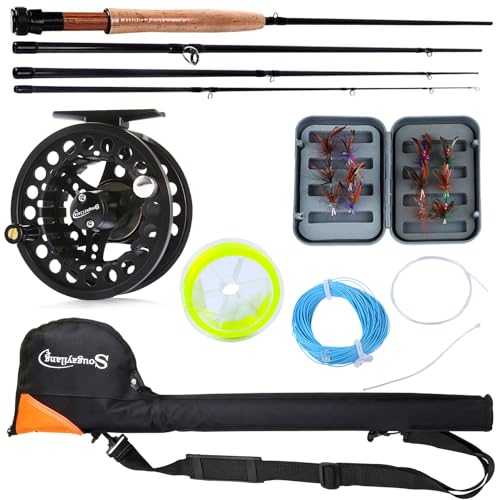
MAXIMUMCATCH Maxcatch Sky High Gold Series Fly Rod 9ft 4pc
£228.69 *View On Amazon* - Fly Fishing Rods
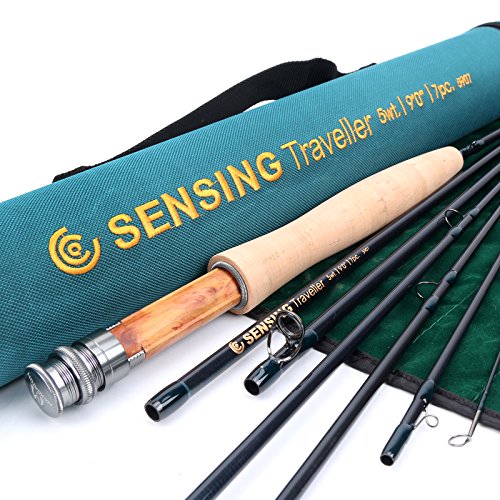
Maximumcatch Maxcatch Performance Nymph Fly Fishing Rod 2/3/4wt 10/11ft 4sec
£78.90 *View On Amazon* - Fly Fishing Rods
ZYDYG Portable Carbon Fiber Telescopic Fly Fishing Rod 2.1M to 3.0M
£23.00 *View On Amazon* - Fly Fishing Rods
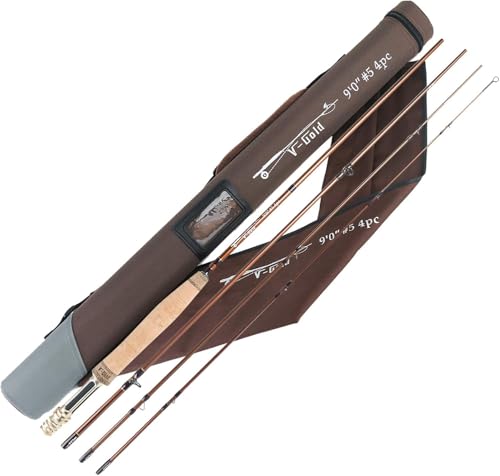
Redington Wrangler Fly Fishing Rod, 4 Piece Fly Rod, Durable Nylon Travel Tube, 7WT 9’0
£188.97 *View On Amazon*






What Are Ice Fishing Rods?
Ice fishing rods are shorter fishing rods used when fishing vertically through a hole in ice. They are much shorter than normal coarse, carp, lure or sea fishing rods because long casting is not the main purpose.
Instead of casting across open water, the angler usually drops bait, lures or jigs directly below the hole. This means the rod is designed for close control, bite detection and playing fish in a confined space.
Ice fishing rods can vary in length, power and action. Some are designed for small fish and delicate bite detection, while others are stronger and intended for larger species where suitable.
What Are Ice Fishing Rods Used For?
Ice fishing rods are used for vertical fishing through ice in suitable cold weather locations where ice fishing is allowed. They may be used with small jigs, baited hooks, specialist ice lures or simple vertical rigs depending on the species and local rules.
They are often used from shelters, huts or safe marked areas where the angler fishes close to the hole. Because the fishing distance is short, sensitivity and control are often more important than casting performance.
These rods should only be used in properly assessed conditions. Frozen water is dangerous, and no rod or tackle item makes unsafe ice safe to fish.
How To Choose The Right Ice Fishing Rod
Start by thinking about the fish you want to target. Smaller fish may call for a lighter rod with a sensitive tip, while larger fish may need more power, stronger line and a more robust reel setup.
Next, consider rod length. Shorter rods are easier to use in tight spaces, shelters or close to the ice hole. Slightly longer ice rods may offer more leverage and control, depending on the fishing style.
Tip sensitivity matters because bites can be subtle in cold conditions. A rod that is too stiff may miss delicate takes, while one that is too soft may not control stronger fish properly.
Key Features To Compare
When comparing ice fishing rods, look at rod length, power, action, tip sensitivity, handle style, reel compatibility, line rating where listed, lure or jig rating where listed, number of sections and transport length.
Rod power should suit the fish and tackle. Light rods can be enjoyable for smaller fish and delicate presentations, while stronger rods may be needed for heavier lines, bigger lures or stronger fish.
Handle comfort is also important. Cold weather fishing often means wearing gloves, so the handle and reel seat should feel secure and easy to manage in low temperatures.
Ice Fishing Rods Compared With Standard Fishing Rods
Standard fishing rods are usually designed for casting, line control and playing fish across open water. They may be much longer and suited to methods such as float fishing, feeder fishing, lure fishing, carp fishing or sea fishing.
Ice fishing rods are shorter because they are used close to the hole. They focus on vertical presentation, compact handling and close range bite detection.
The trade off is reach versus control. A normal rod offers casting distance, while an ice fishing rod offers practical handling in a confined cold weather setup.
Ice Fishing Rods Compared With Jigging Rods
Some ice fishing rods are used for jigging because ice fishing often involves working a lure or bait vertically. This can make them feel similar to short jigging rods in some ways.
However, ice fishing rods are usually designed around cold weather use, short range control and fishing directly through a hole. Standard jigging rods may be intended for boats, banks or open water.
Always choose based on the intended use. A rod should match the method, reel, line, lure weight and fishing environment.
Beginner, Regular Angler And Experienced Angler Guidance
Beginners should treat ice fishing as a specialist method and should not attempt it without safe local guidance, permission and suitable conditions. A simple, manageable rod may be easier to use, but safety and legal access come first.
Regular anglers may want ice rods in different powers to cover different species and lure sizes. A light rod and a stronger rod can serve different purposes depending on the water and fish.
Experienced ice anglers often compare tip sensitivity, rod backbone, handle feel, jig control, line response and how the rod performs in very cold conditions. Small differences can matter when bites are subtle.
Rod Length, Power And Action
Rod length affects handling and control. Very short rods can be practical in tight shelters or close to the ice, while longer ice rods may give more leverage when playing fish.
Power describes the strength of the rod. Light power rods suit smaller fish and light lines, while medium or heavier rods may suit larger species where appropriate.
Action describes how the rod bends. A sensitive tip can help show bites, while a stronger lower section can help control fish once hooked.
Tip Sensitivity And Bite Detection
Bite detection is very important in ice fishing because cold water fish may take gently. A sensitive tip can help show small taps, lifts or line movement.
Some anglers may also use bite indicators, spring bobbers, electronic bite alarms or visual line watching depending on the method and local rules.
The rod should show bites clearly without being too soft for the fish being targeted. The best choice balances sensitivity with control.
Reels, Line And Ice Fishing Rod Compatibility
Ice fishing rods may be used with small spinning reels, inline ice reels, simple line holders or other suitable reels depending on the rod and fishing method.
Line choice should match the rod, reel, fish and water conditions. Cold weather can affect line handling, so line should be chosen carefully and checked for stiffness, abrasion and knot strength.
The reel should balance with the short rod. A reel that is too large can make the setup feel awkward, while one that is too small may not suit stronger fish or heavier line.
Lures, Jigs And Bait Presentation
Ice fishing rods are often used with small jigs, spoons, baited hooks or vertical lures, depending on the species and local rules. The rod should match the lure or bait weight so the presentation feels controlled.
A sensitive rod can help you work small lures with subtle movement. A stronger rod may be useful for heavier jigs or larger fish.
Presentation can be slow and deliberate in cold water. Small lifts, pauses and controlled drops may be more useful than constant aggressive movement, depending on fish behaviour.
Safety, Ice Conditions And Responsible Use
Ice fishing should only be done where it is legal, permitted and properly assessed as safe. Frozen water can be extremely dangerous, and ice thickness or strength should never be guessed.
Do not walk onto frozen lakes, ponds, rivers or canals without proper local guidance and permission. Moving water, changing temperatures, snow cover, weak edges and hidden currents can all make ice unsafe.
Safety equipment, local knowledge, suitable clothing and responsible decision making matter more than any rod choice. If conditions are uncertain, do not go onto the ice.
Clothing, Shelter And Cold Weather Comfort
Ice fishing usually takes place in very cold conditions, so clothing and comfort equipment can be just as important as rods and reels. Warm layers, waterproof outerwear, insulated footwear, gloves, hats and suitable seating may all be useful.
Shelters may be used in some ice fishing locations, depending on local rules and conditions. They can help reduce wind exposure and make rod handling more controlled.
Cold hands can affect knot tying, reel use and fish handling. Choose tackle and tools that remain practical when wearing gloves or working in low temperatures.
Venue Rules, Licences And Local Permission
Always check the current rules before ice fishing. You may need permission, a fishing licence, day ticket, club access or local authorisation depending on the water and country.
Some waters may ban ice fishing entirely. Others may restrict species, bait, hooks, lines, shelters, holes, seasons or access areas.
Responsible anglers follow local rules, protect fish, take litter home and avoid damaging the ice, banks, wildlife or other users of the water.
Fish Care In Cold Conditions
Fish care still matters in cold weather. Use suitable hooks, line, landing tools and unhooking equipment for the species being targeted.
Cold air can affect fish quickly if they are kept out of the water for too long. Handle fish calmly, keep handling time sensible and follow local catch and release or take rules.
Do not leave hooks, line, bait tubs, packaging or cut off tackle on the ice or bank. Waste can harm wildlife and spoil the venue.
Care, Cleaning And Storage
Ice fishing rods should be cleaned and dried after use. Moisture, ice, bait, grit and cold weather residue can affect guides, handles and reel seats.
Check the rod guides for cracks, rough spots or ice damage before and after use. A damaged guide can weaken or cut fishing line.
Store rods in sleeves, tubes or cases where suitable. Short rods are easy to transport, but tips can still be damaged if they are crushed or packed carelessly.
Useful Accessories To Consider
Useful accessories for ice fishing rods may include suitable reels, cold weather line, jigs, lures, hooks, line cutters, forceps, pliers, tackle boxes, rod cases, bite indicators, gloves, warm clothing and waterproof storage.
Depending on the location and rules, anglers may also need specialist ice fishing safety equipment, shelters, seating and tools for fishing through ice. These should be chosen with proper local guidance.
The best ice fishing setup is one where the rod, reel, line, bait, safety equipment and clothing all suit the same conditions.
Why Buy Ice Fishing Rods From YPC?
At YPC, we understand active lifestyles and the need for practical products that work in real use. Ice fishing rods should be chosen carefully because length, sensitivity, power, reel compatibility and safe use all matter.
Browse the Ice Fishing Rods category at YPC to compare available options, check the details that suit your fishing style and choose rods that match the conditions, species and safe locations you plan to fish.
Ice Fishing Rods FAQs
What is an ice fishing rod?
An ice fishing rod is a short fishing rod designed for fishing vertically through a hole in ice. It is much shorter than a normal fishing rod because casting distance is not the main purpose.
It is used for close range control, bite detection and playing fish directly below the angler.
Are ice fishing rods suitable for beginners?
Ice fishing rods can be simple to use, but ice fishing itself is a specialist activity. Beginners should only try it with proper local guidance, permission and safe conditions.
Frozen water is dangerous, so safety must come before tackle choice.
What are ice fishing rods used for?
Ice fishing rods are used to present bait, jigs or lures through a hole in ice where ice fishing is legal and safe. They are usually used for vertical fishing rather than casting.
The rod should match the fish, line, reel and lure or bait being used.
Why are ice fishing rods so short?
Ice fishing rods are short because the angler fishes directly through a hole in the ice. There is usually no need for long casting.
Short rods are easier to use in shelters, tight spaces and close to the ice hole.
Can I use a normal fishing rod for ice fishing?
A normal fishing rod may be too long and awkward for ice fishing. Ice fishing rods are designed for close range vertical control and confined spaces.
A specialist ice rod is usually more practical for the method.
Can I use an ice fishing rod for normal fishing?
An ice fishing rod may be used for some very close range or specialist vertical methods, but it is not designed for normal casting or general open water fishing.
For most fishing, a standard rod suited to the method will be more practical.
What length ice fishing rod should I choose?
The right length depends on the space, shelter, target fish and fishing style. Shorter rods are easy to handle close to the hole, while slightly longer rods may offer more leverage.
Choose a rod that suits the way and where you plan to fish.
What power ice fishing rod do I need?
Rod power should match the fish and tackle. Light power rods suit smaller fish and delicate bites, while stronger rods may be needed for larger fish or heavier lures.
Avoid using a rod that is too light for the species and conditions.
What action is best for ice fishing rods?
The best action depends on the method. A sensitive tip can help show subtle bites, while a stronger lower section helps control fish once hooked.
A balanced rod should show bites clearly without feeling underpowered.
What reel should I use with an ice fishing rod?
Ice fishing rods may be used with small spinning reels, inline ice reels or other suitable reels depending on the rod and method. The reel should balance with the short rod.
Check reel compatibility before buying.
What line should I use for ice fishing?
Line should suit the rod, reel, target fish and cold conditions. Some lines may become stiff in very low temperatures, so choose carefully and check product suitability.
Line strength should match the fish and water being fished.
Can I use braid on an ice fishing rod?
Braid may be used in some ice fishing setups where suitable, but cold, ice and water conditions can affect handling. A leader may also be needed depending on the species and presentation.
Check local rules and product suitability before use.
Can I use monofilament on an ice fishing rod?
Yes, monofilament can be used on ice fishing rods where suitable. It is familiar, manageable and available in many strengths.
Choose a line strength that matches the fish, rod and reel setup.
What lures work with ice fishing rods?
Ice fishing rods may be used with small jigs, spoons, vertical lures or baited presentations depending on the species and local rules. The lure weight should match the rod rating where listed.
A lure that is too heavy may overload the rod, while one that is too light may be hard to control.
Are ice fishing rods good for jigging?
Yes, many ice fishing rods are used for jigging because the method is often vertical. A sensitive tip and suitable power can help control small lure movements.
Match the rod to the jig weight and target fish.
Is ice fishing common in the UK?
Ice fishing is not a common everyday fishing method in the UK and should only be considered where it is legal, permitted and properly assessed as safe.
Never assume frozen ponds, lakes, canals or rivers are safe to walk on or fish.
What safety gear is needed for ice fishing?
Safety needs depend on location and conditions, but proper local guidance, suitable clothing, ice safety equipment, communication, safe access and permission are essential. Do not go onto ice without knowing it is safe.
If there is any doubt, do not fish on the ice.
How do I care for an ice fishing rod?
Wipe the rod clean after use, dry it properly and check the guides, handle, reel seat and tip. Remove ice, moisture and grit before storage.
Store the rod in a sleeve, tube or case where suitable to protect the tip.
What accessories are useful with ice fishing rods?
Useful accessories may include suitable reels, cold weather line, jigs, lures, hooks, line cutters, forceps, pliers, tackle boxes, rod cases, warm gloves and weather appropriate clothing.
Safety equipment and local guidance are also essential for any real ice fishing situation.
What should I check before buying ice fishing rods?
Check rod length, power, action, tip sensitivity, reel compatibility, line rating where listed, lure or jig rating where listed, handle style and transport length.
The right ice fishing rod should match the fish, method, reel, line and safe fishing conditions.
 Getting ready for Summer? View our Home and Garden Products

Heading outdoors this winter? Take a look at our Outdoor Clothing.