
Telescopic Rods
Telescopic rods are fishing rods that collapse down into a shorter length for easier transport and storage. They are suitable for beginners, casual anglers, travel anglers, family fishing trips and anyone who wants a practical rod that takes up less space than a traditional rod.
The right telescopic rod depends on where you fish, the target species, rod length, casting weight, action, reel compatibility, transport length, line choice, fishing method and whether the rod is intended for coarse fishing, lure fishing, light sea fishing or general travel use.
- Telescopic Rods
Magreel Telescopic Fishing Rod and Spinning Reel Combo Set with Fishing Line, Fishing Lures Kit and Accessories and Carrier Bag for Saltwater Freshwater
Original price was: £58.79.£48.49Current price is: £48.49. *View On Amazon* - Telescopic Rods
Lixada Fishing Rod Reel Combo Telescopic Fishing Rod with Fishing Line, Fishing Lures Kit, Accessories and Carrier Bag for Saltwater Freshwater Fishing Accessories Kit
Original price was: £38.98.£33.13Current price is: £33.13. *View On Amazon* - Telescopic Rods
Sougayilang Telescopic Fishing Rod 24 Ton Carbon Fibre CNC Machined Reel Holder Comfortable EVA Handle Travel Fishing Rod for Trout Fishing Silver 1.8 m
Original price was: £16.91.£16.06Current price is: £16.06. *View On Amazon* - Telescopic Rods
Goture Telescopic Fishing Rod and Reel Combos with Storage Bag, 2Pcs Fishing Rods, 2Pcs Pre Spooled Spinning Reels, Telescopic Fishing Pole Kit for Starter Saltwater Freshwater 2.5M
Original price was: £73.99.£71.99Current price is: £71.99. *View On Amazon* - Telescopic Rods
Ejoyous Telescopic Rod Portable Mini Pocket Pen Fishing Pole 1.2M
Original price was: £15.20.£13.24Current price is: £13.24. *View On Amazon* - Telescopic Rods
Lixada Fishing Rod Reel Combo with Carrier Bag, 2PCS Rod and Reel Telescopic Fishing Accessories for Sea Fishing River, 1.5/1.8/2.1/2.4m
Original price was: £59.98.£50.52Current price is: £50.52. *View On Amazon* - Telescopic Rods
Yaskyly 2.1M Carbon Fiber Fishing Rod and Reel Combo Set with 13+1 Bearings and Lure Kits
Original price was: £35.24.£29.95Current price is: £29.95. *View On Amazon* - Telescopic Rods
C Cascade Carbon Fiber Telescopic Retractable Mini Portable Ice and Outdoor Winter Fishing Rod Tool
Original price was: £9.79.£9.39Current price is: £9.39. *View On Amazon* - Telescopic Rods
Achort Telescopic Fishing Rod 1.8m and Spinning Reel Combo Set
Original price was: £43.99.£39.99Current price is: £39.99. *View On Amazon*


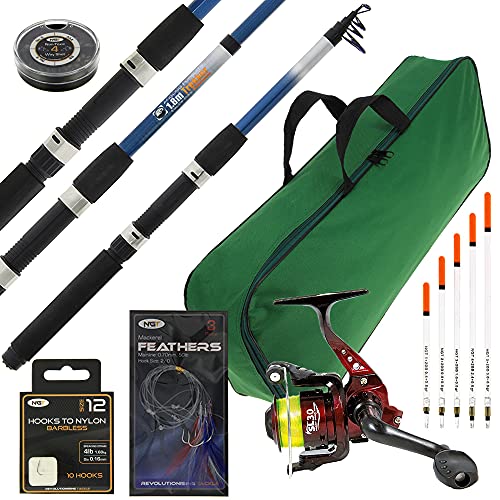


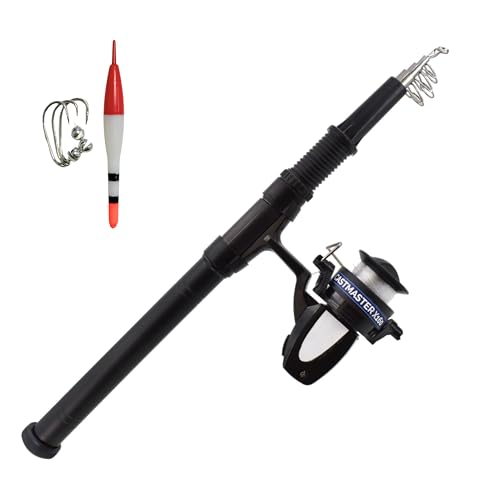
What Are Telescopic Rods?
Telescopic rods are fishing rods made from sections that slide inside each other when packed away. When extended, the sections pull out to create a full length rod ready for fishing.
They are popular because they are compact and easy to carry. A telescopic rod can be useful for holidays, camping trips, walking sessions, car storage, public transport or keeping a simple fishing setup ready for short trips.
A telescopic rod should still be chosen like any other fishing rod. It needs to match the reel, line, hooks, lures, weights and fish you plan to target.
What Are Telescopic Rods Used For?
Telescopic rods are used for fishing where compact transport and quick setup are useful. They can be used for coarse fishing, light lure fishing, travel fishing, holiday fishing and some coastal or pier fishing where the product is suitable.
They are often chosen by anglers who do not have much storage space or who want to keep tackle in a car, caravan, rucksack or travel bag. Their compact design makes them convenient for occasional sessions.
Telescopic rods can also be useful for children and beginners when the rod is light, manageable and suited to the method. However, the setup still needs adult supervision where children are involved.
How To Choose The Right Telescopic Rod
Start by deciding how and where the rod will be used. A telescopic rod for float fishing on a pond needs different features from one used for spinning lures on a river or light sea fishing from a pier.
Next, check the rod length and casting rating where listed. The rod should be long enough for the method, but not so long that it becomes awkward to handle. It should also be suitable for the weights or lures you plan to cast.
Think about the packed length too. The main benefit of a telescopic rod is portability, so check whether it will fit in your bag, car boot, cupboard or travel setup.
Key Features To Compare
When comparing telescopic rods, look at extended length, packed length, casting weight, action, power, number of sections, handle style, guide quality, reel seat, rod weight and freshwater or saltwater suitability where listed.
The rod should extend smoothly and feel secure when fully assembled. Each section should be pulled out carefully and aligned properly before fishing.
Guide quality matters because fishing line passes through the guides under pressure. Damaged or misaligned guides can affect casting and may weaken line.
Telescopic Rods Compared With Two Piece Rods
Two piece rods are common in many fishing styles and can offer a familiar feel, simple joints and strong performance for their intended method. They usually take up more transport space than telescopic rods.
Telescopic rods pack down much shorter, which makes them easier to carry and store. This convenience is the main reason many anglers choose them.
The trade off is portability versus traditional rod feel. A two piece rod may feel more familiar for regular sessions, while a telescopic rod can be more practical for travel and limited storage.
Telescopic Rods Compared With Travel Rods
Travel rods usually break down into several separate sections. They can pack shorter than standard rods while still using a traditional multi section design.
Telescopic rods collapse into themselves, so there are fewer loose sections to manage. This can make them quicker to pack away and easier to keep together.
The best choice depends on how you travel and how you fish. A travel rod may suit anglers who want a more traditional sectioned feel, while a telescopic rod may suit those who value speed and compact storage.
Telescopic Rods Compared With Rod And Reel Combos
A telescopic rod may be bought on its own if you already have a suitable reel, line and tackle. This gives more choice when building a setup.
Rod and reel combos may include a telescopic rod with a matching reel, depending on the product. This can be useful for beginners or casual anglers who want a simpler starting point.
The most important thing is compatibility. The rod, reel, line and end tackle should all suit the same fishing method and target species.
Beginner, Regular Angler And Experienced Angler Guidance
Beginners may find telescopic rods useful because they are easy to carry and simple to store. A manageable rod with a suitable reel and basic tackle can be a practical starting point.
Regular anglers may use telescopic rods as spare rods, travel rods or quick session rods. They can be useful when you want to fish without carrying a full holdall.
Experienced anglers may choose telescopic rods for very specific situations, such as walking light, exploring new waters or keeping compact tackle ready for trips. They are convenient, but they should still be matched carefully to the method.
Telescopic Rods For Coarse Fishing
Telescopic rods can be useful for simple coarse fishing on ponds, canals, small lakes and commercial fisheries where the rod is suitable. They may be used with floats, light rigs, small hooks and simple bait presentations.
For coarse fishing, sensitivity and balance matter. A rod that is too stiff or heavy may make delicate bite detection more difficult.
Match the rod with suitable line, hooks, floats, weights, landing net and unhooking tools. Even a compact setup should be responsible and fish friendly.
Telescopic Rods For Lure Fishing
Some telescopic rods are designed for spinning or light lure fishing. They may be used with small spinners, spoons, soft plastics, plugs or jigheads where the lure weight matches the rod rating.
Lure fishing involves repeated casting, so the rod should feel comfortable and balanced with the reel. A rod that is too heavy or poorly matched can become tiring.
If targeting pike or other toothy fish, a suitable bite resistant trace is normally important. Always match the leader and lure to the species and venue rules.
Telescopic Rods For Travel And Holidays
Telescopic rods are especially useful for travel because they pack down shorter than many standard rods. They can fit more easily in cars, caravans, luggage, rucksacks or small storage spaces.
They are useful for anglers who want to fish on holiday, during camping trips or while walking between waters. However, local fishing rules should always be checked before setting up.
Travel convenience should not come before suitability. The rod still needs to match the fish, venue, reel, line and tackle you plan to use.
Telescopic Rods For Light Sea Fishing
Some telescopic rods may be suitable for light sea fishing where listed. This could include harbour fishing, pier fishing, light shore fishing or holiday coastal sessions, depending on the rod and tackle.
Sea fishing can involve salt, sand, wind, tide and stronger fish, so not every telescopic rod is suitable. Check the product details carefully before using one near saltwater.
After sea use, clean and dry the rod properly. Salt and sand can affect guides, joints and reel seats if left on the tackle.
Telescopic Rods For Children And Family Fishing
Telescopic rods can be useful for family fishing because they are compact and easy to transport. Some shorter models may suit young anglers where the rod is manageable and designed for real fishing use.
Children should always be supervised near water and around hooks, line and casting. A compact rod does not remove the need for adult help and safe fish handling.
For a first session, choose a calm venue, simple float tackle and a rod the child can hold comfortably. The aim should be safe learning and enjoyment.
Rod Length, Packed Length And Portability
Rod length affects casting distance, line control and fish playing. A longer rod can give more reach, while a shorter rod can be easier to handle in tight spaces.
Packed length is one of the main reasons to choose a telescopic rod. The shorter the packed length, the easier it may be to carry or store.
The best choice balances fishing performance with portability. A very compact rod is useful, but it should still be suitable for the method and fish being targeted.
Action, Power And Casting Weight
Rod action describes how the rod bends under pressure. A softer action may feel more forgiving with small fish and lighter line, while a faster or stiffer action may suit certain lure or casting methods.
Rod power describes the strength of the rod. Light power rods suit smaller fish and lighter tackle, while stronger rods may be needed for larger fish or heavier rigs.
Casting weight where listed is important. Do not cast lures, feeders or weights that are outside the rod’s intended range, as this can make casting unsafe or damage the rod.
Reels, Line And Tackle For Telescopic Rods
Most telescopic rods are used with fixed spool reels, but reel compatibility depends on the rod design. The reel should sit securely in the reel seat and balance well with the rod.
Line choice should match the rod, reel, fishing method and target species. Monofilament is often a practical general choice, while braid or fluorocarbon may suit some specialist setups where suitable and allowed.
Terminal tackle should also match the rod. Hooks, floats, weights, lures and leaders should all be chosen as part of one balanced setup.
Setting Up A Telescopic Rod
A telescopic rod should be extended carefully from the tip section first or according to the product guidance. Each section should be pulled out straight and seated securely without forcing it.
Check that all guides are aligned before threading the line. Misaligned guides can affect casting and may place pressure on the rod or line.
When packing away, remove rigs or secure hooks safely before collapsing the rod. Do not force sections closed if they are dirty, wet or jammed.
Avoiding Common Telescopic Rod Mistakes
One common mistake is extending or collapsing the rod too roughly. Telescopic sections should be handled carefully to avoid jamming, cracking or damaging guides.
Another mistake is using tackle that is too heavy. Compact rods still have limits, and overloading them can cause poor casting or breakages.
It is also important to clean the rod before storage. Grit, sand and salt can get into the sections and make the rod harder to use next time.
Venue Rules, Licences And Responsible Fishing
Always check current fishing rules before using a telescopic rod. You may need a licence, day ticket, club membership or permission depending on the water and location.
Rules may cover bait, hooks, lure fishing, fish care, species, seasons, keepnets and access. A compact rod still needs to be used responsibly.
Take old line, hooks, bait packaging and damaged tackle home with you. Responsible fishing helps protect wildlife and keeps waters safe for other anglers.
Safety When Using Telescopic Rods
Telescopic rods should be used carefully around people, animals, trees, power lines, vehicles and other anglers. Always check behind and above before casting.
Carbon rods can conduct electricity, so keep rods and line well away from overhead power lines and never fish during thunderstorms.
When walking with a telescopic rod, secure hooks and lures properly. A loose rig or lure can catch clothing, bags, pets or skin.
Care, Cleaning And Storage
Telescopic rods should be cleaned and dried after use. Pay attention to the joints, guides, handle and reel seat, as dirt or grit can affect how the sections slide.
After saltwater use where suitable, remove salt and sand according to product guidance, then dry the rod before storage.
Store the rod collapsed in a sleeve, tube or protective case where suitable. Avoid crushing the tip or guides, and do not force the rod into tight storage spaces.
Useful Accessories To Consider
Useful accessories for telescopic rods include fixed spool reels, fishing line, floats, hooks, split shot, lures, swivels, leaders, traces, line cutters, forceps, disgorgers, tackle boxes and rod sleeves.
For travel fishing, a compact tackle box, small landing net, bait tub, towel and protective rod case can be useful. For lure fishing, lure boxes, snaps, pliers and leaders may be needed.
The best telescopic setup is one where the rod, reel, line, tackle and storage all suit the same fishing method.
Why Buy Telescopic Rods From YPC?
At YPC, we understand active lifestyles and the need for practical products that work in real use. Telescopic rods should be chosen carefully because length, packed size, casting rating, reel compatibility and intended use all affect how well they perform.
Browse the Telescopic Rods category at YPC to compare available options, check the details that suit your fishing style and choose rods that match the waters and species you plan to target.
Telescopic Rods FAQs
What is a telescopic rod?
A telescopic rod is a fishing rod with sections that slide into each other for compact storage. It extends to full length for fishing and collapses down shorter for transport.
It is useful for travel, casual fishing and anglers with limited storage space.
Are telescopic rods suitable for beginners?
Yes, telescopic rods can be suitable for beginners when matched to the right method and fish. They are easy to carry and store, which can make starter fishing more convenient.
Beginners should choose a manageable rod and keep the tackle setup simple.
What are telescopic rods used for?
Telescopic rods are used for compact and portable fishing setups. Depending on the product, they may suit coarse fishing, light lure fishing, travel fishing, family fishing or light sea fishing.
Always check the rod’s intended use before buying.
Are telescopic rods good for travel fishing?
Yes, telescopic rods are popular for travel fishing because they pack down short and are easy to carry. They can fit into cars, bags, caravans or holiday luggage more easily than many standard rods.
Check local fishing rules before using one away from home.
Are telescopic rods good for coarse fishing?
Some telescopic rods are suitable for simple coarse fishing where the rod rating, line and tackle match the venue. They can be useful for ponds, canals, small lakes and casual sessions.
Choose tackle that suits the fish and water being fished.
Are telescopic rods good for lure fishing?
Some telescopic rods are suitable for lure fishing where listed. They should match the lure weights, reel, line and species you plan to target.
A rod that is too soft or too heavy for the lure may not cast or work the lure properly.
Are telescopic rods good for sea fishing?
Some telescopic rods may be suitable for light sea fishing where listed, but not all are designed for saltwater, tide, surf or stronger fish.
Check saltwater suitability and clean the rod carefully after coastal use.
Are telescopic rods good for children?
Telescopic rods can be useful for children if the rod is light, manageable and designed for real fishing use. Adult supervision is essential around water, hooks and casting.
Choose a rod that suits the child’s size and confidence.
What length telescopic rod should I choose?
The right length depends on the method and venue. Shorter rods are easier to handle in tight spaces, while longer rods can help with reach and casting distance.
Also check the packed length if storage or travel space matters.
What casting weight should a telescopic rod have?
The casting weight should match the lures, floats, feeders or weights you plan to use. Using tackle outside the rod’s intended range can make casting poor or unsafe.
Always check product details before choosing end tackle.
Can I use a spinning reel with a telescopic rod?
Many telescopic rods are designed for fixed spool spinning reels, but compatibility depends on the rod. Check the reel seat, guide layout and intended use.
The reel should balance well with the rod and hold suitable line.
Can I use a baitcasting reel with a telescopic rod?
Only use a baitcasting reel if the telescopic rod is designed as a casting rod. Most standard telescopic rods are intended for fixed spool reels.
Check the product details carefully before pairing rod and reel.
What line should I use with a telescopic rod?
Line choice depends on the rod, reel, method and target fish. Monofilament is often practical for general use, while braid or fluorocarbon may suit some setups where suitable and allowed.
Choose line that matches the rod rating and venue rules.
Can telescopic rods break easily?
Any rod can break if overloaded, handled roughly or used outside its intended rating. Telescopic rods have sliding sections, so they should be extended, collapsed and stored carefully.
Do not force stuck sections or cast weights that are too heavy.
How do I extend a telescopic rod?
Extend the rod carefully, making sure each section is seated securely and the guides are aligned. Follow the product guidance where provided.
Avoid pulling sections too hard or twisting them aggressively.
How do I collapse a telescopic rod?
Remove or secure the rig first, then collapse the sections carefully according to the product guidance. Do not force sections if they are dirty, wet or stuck.
Clean and dry the rod before storing it where possible.
How do I stop a telescopic rod from jamming?
Keep the rod sections clean and free from sand, grit, mud and salt. Extend and collapse the rod gently rather than forcing the joints.
If a section jams, avoid using excessive pressure, as this may damage the rod.
How do I care for a telescopic rod?
Wipe the rod clean after use, dry it properly and check the guides, sections, reel seat and handle. Remove grit, sand and salt where suitable before collapsing or storing.
Store it in a sleeve, tube or case to help protect the tip and guides.
What accessories are useful with telescopic rods?
Useful accessories include suitable reels, fishing line, hooks, floats, weights, lures, swivels, line cutters, forceps, disgorgers, tackle boxes, rod sleeves and compact landing nets.
The right accessories depend on whether you are coarse fishing, lure fishing, travel fishing or fishing near the coast.
What should I check before buying telescopic rods?
Check the extended length, packed length, casting weight, action, power, reel compatibility, number of sections, transport size and freshwater or saltwater suitability where listed.
The right telescopic rod should match your fishing method, storage needs, target species and venue.
 Getting ready for Summer? View our Home and Garden Products

Heading outdoors this winter? Take a look at our Outdoor Clothing.