
Travel Rods
Travel rods are fishing rods designed to pack down shorter than standard rods, making them easier to carry, store and take on trips. They are suitable for beginners, casual anglers, regular fishers and experienced anglers who want a practical rod for holidays, walking sessions, car storage, public transport or limited space at home.
The right travel rod depends on where you fish, the target species, rod length, casting weight, number of sections, transport length, action, power, reel compatibility, line choice and whether the rod is intended for coarse fishing, lure fishing, fly fishing, carp fishing, sea fishing or general travel use.
- Travel Rods
Ugly Stik 5’ GX2 Travel Spinning Fishing Rod and Reel Combo
Original price was: £74.53.£65.33Current price is: £65.33. *View On Amazon* - Travel Rods
Abu Garcia Diplomat V2 Travel Combo Rod and Reel Combo Spinning Lure Fishing With Hard Travel Case Predator Fishing Pike Perch Zander Unisex Black Red 2.44m 10 35g
Original price was: £86.42.£64.99Current price is: £64.99. *View On Amazon* - Travel Rods
Shakespeare Firebird Travelmate Fishing Rod and Reel Combo
Original price was: £54.40.£45.19Current price is: £45.19. *View On Amazon*
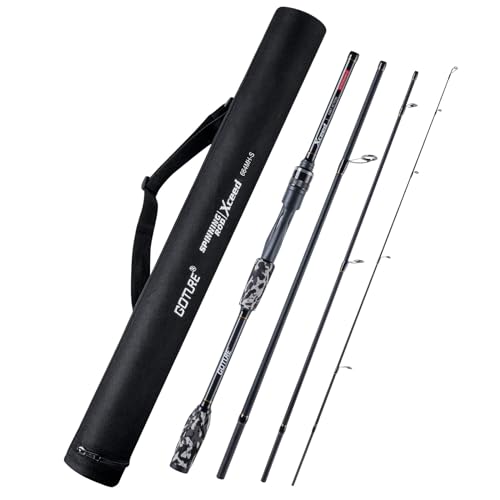


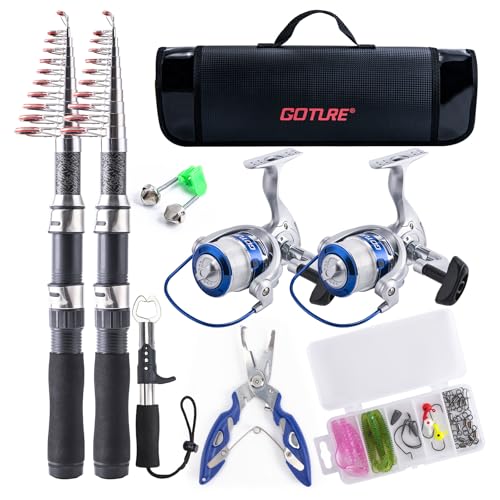


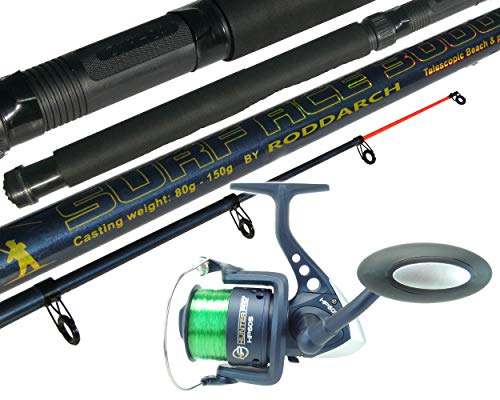


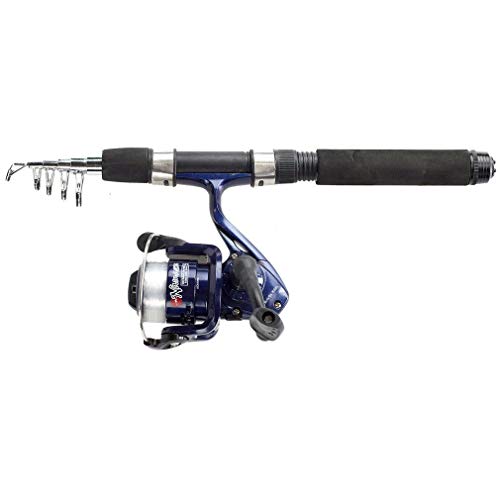


What Are Travel Rods?
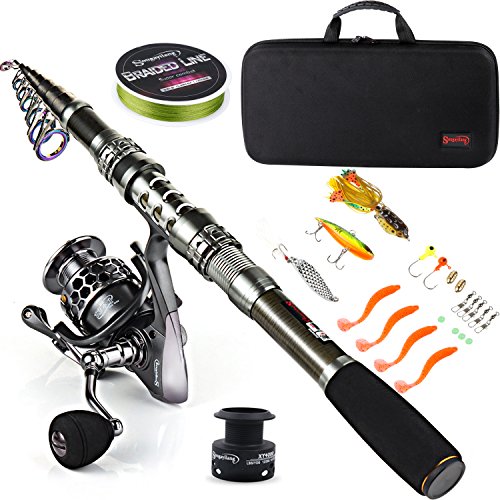
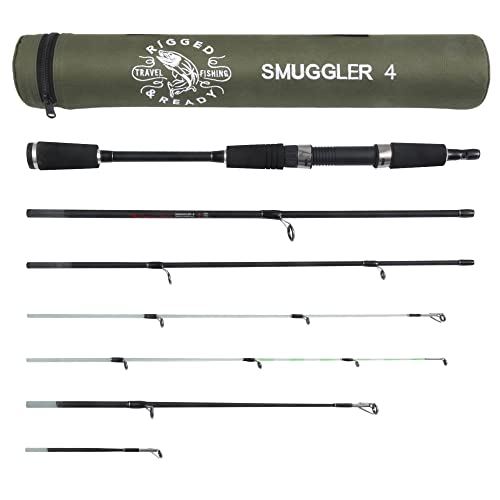
Travel rods are fishing rods built to break down into shorter sections or collapse into a compact size for transport. They are designed for anglers who need portability without carrying a full length rod holdall.
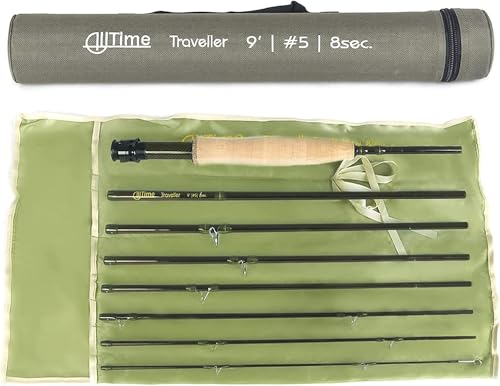
A travel rod may be made in several sections, or it may use a telescopic design depending on the product. The main aim is to make the rod easier to store in a car boot, rucksack, suitcase, caravan, campervan or cupboard.
Travel rods should still be chosen like normal fishing rods. The compact size is useful, but the rod still needs to match your reel, line, tackle, target fish and fishing method.
What Are Travel Rods Used For?
Travel rods are used when portability and storage matter. They can be useful for holiday fishing, camping trips, walking to remote waters, keeping a spare rod in the car or fishing casually without carrying a large rod bag.
They may be used for coarse fishing, lure fishing, spinning, fly fishing, light sea fishing, canal fishing, pier fishing or general angling depending on the rod design and product details.
A travel rod is especially useful when you want to fish opportunistically. If you have limited space or need to carry tackle discreetly, a compact rod can make short sessions much easier to organise.
How To Choose The Right Travel Rod
Start by deciding what type of fishing you want to do. A travel spinning rod for lures needs a different rating from a travel fly rod, travel carp rod or light coarse fishing rod.
Next, check the packed length. This is one of the main reasons to buy a travel rod. Make sure it will fit your bag, car, luggage or storage space before buying.
Then look at the rod’s extended length, casting weight and line rating where listed. A travel rod still needs to cast the lures, floats, feeders or weights you plan to use safely and comfortably.
Key Features To Compare
When comparing travel rods, look at extended length, packed length, number of sections, action, power, casting weight, line rating where listed, guide quality, reel seat, handle style, rod weight and freshwater or saltwater suitability where listed.
A shorter packed length is convenient, but more sections can affect setup time and feel depending on the rod design. A longer packed length may be less compact, but it may feel closer to a traditional rod.
Transport case or storage tube availability is also worth checking. A travel rod is often carried in bags, cars and luggage, so protection for the sections and guides can be useful.
Travel Rods Compared With Telescopic Rods
Travel rods usually break down into several separate sections. This can give a more traditional rod feel while still reducing transport length.
Telescopic rods collapse into themselves, which can make them quick to pack and easy to keep together. They are convenient, but they should still be checked carefully for intended use and casting rating.
The trade off is sectioned feel versus quick packing. A multi section travel rod may appeal to anglers who want a more familiar rod action, while a telescopic rod may suit those who value speed and compact storage.
Travel Rods Compared With Standard Two Piece Rods
Standard two piece rods are common for many fishing methods and can offer a familiar feel, simple joints and strong performance for regular sessions. They usually need more transport space.
Travel rods pack down shorter, making them more practical for holidays, public transport, flights, hiking and anglers with limited home storage.
The trade off is portability versus simplicity. A two piece rod may be ideal for regular local fishing, while a travel rod is useful when transport and storage are the main concern.
Travel Rods Compared With Rod And Reel Combos
A travel rod can be bought separately if you already have a suitable reel, line and tackle. This gives more control over the complete setup.
Some rod and reel combos may include a travel rod, depending on the product. This can be convenient for beginners or casual anglers who want a simpler purchase.
The most important point is compatibility. Whether bought separately or as a combo, the rod, reel, line and tackle should all suit the same fishing method.
Beginner, Regular Angler And Experienced Angler Guidance
Beginners may find travel rods useful because they are easy to carry and store. A simple travel rod with a suitable reel and basic tackle can make starter fishing more convenient.
Regular anglers may use travel rods as spare rods, holiday rods or compact setups for quick sessions. They can be useful when a full rod holdall is too much to carry.
Experienced anglers often choose travel rods for specific situations, such as lure fishing while walking, fly fishing on trips or keeping a compact setup ready for unexpected fishing opportunities.
Travel Rods For Coarse Fishing
Travel rods can be used for simple coarse fishing where the rod is suitable for the method and fish. They may be useful on ponds, canals, small lakes, rivers and commercial fisheries.
For float fishing or light ledgering, the rod should match the line, hook size, float or weight and target species. A balanced setup helps with casting, bite detection and fish playing.
A travel coarse rod should not be too heavy or stiff for smaller fish. Choose based on the venue and expected species rather than compact size alone.
Travel Rods For Lure Fishing
Travel spinning and lure rods are popular because lure anglers often move between swims. A compact rod can be useful for rivers, canals, lakes, harbours and suitable coastal marks where lure fishing is allowed.
The rod’s lure rating is very important. Small perch lures need a lighter rod, while pike, zander, bass or larger lures may need more power.
If targeting pike or other toothy fish, a suitable bite resistant trace is normally important. The rod, reel, line, leader and lure should all match the target species.
Travel Rods For Fly Fishing
Travel fly rods are designed to break down into compact sections while still working with suitable fly reels and fly lines. They can be useful for holidays, walking trips and anglers who want a fly setup that is easier to carry.
The rod should match the fly line weight, target species and water type. A light river trout rod has a different job from a stronger stillwater, salmon or saltwater fly rod.
Fly fishing also requires leaders, tippet, flies and safe fish handling equipment. The travel rod is only one part of the full setup.
Travel Rods For Carp Fishing
Some travel rods may be designed for carp or specimen fishing where listed. These can be useful if you need a compact setup for holidays, small venues or limited storage.
Carp can be powerful fish, so a travel carp rod should still match the reel, line, leads, rigs and fish care equipment. Compact transport should not mean underpowered tackle.
For larger carp, snaggy waters or distance fishing, check the rod’s intended use carefully. A light travel rod may not be suitable for demanding carp fishing.
Travel Rods For Sea Fishing
Some travel rods may be suitable for light sea fishing where listed. This could include pier fishing, harbour fishing, holiday shore fishing or coastal lure fishing depending on the rod design.
Sea fishing can involve salt, sand, wind, tide, rocks and stronger fish, so not every travel rod is suitable. Check saltwater suitability, casting weight and line rating before use.
After sea fishing, clean and dry the rod carefully. Salt and sand can affect guides, joints, reel seats and handles.
Travel Rods For Holidays And Camping
Travel rods are ideal for holidays and camping because they are easier to pack than standard rods. They can fit more easily into cars, caravans, campervans, luggage or rucksacks.
Before fishing away from home, check local rules, licences, permissions, seasons and allowed methods. Do not assume that a water is free to fish just because it is accessible.
A compact tackle box, suitable reel, line, hooks, lures or floats, landing net and basic tools can help create a simple travel fishing setup.
Rod Length, Packed Length And Portability
Rod length affects casting distance, control and fish playing. Longer rods can help with reach and line control, while shorter rods can be easier to use in tight spaces or when travelling light.
Packed length is one of the key buying factors for travel rods. If the rod needs to fit in luggage, a rucksack or a small car, check the packed size carefully.
The best travel rod balances fishing performance with portability. A very compact rod is useful, but it still needs to suit the method and fish you plan to target.
Action, Power And Casting Weight
Rod action describes how the rod bends under pressure. A softer or more progressive action can feel forgiving, while a faster action can feel sharper and more responsive.
Rod power describes how much strength the rod has. Light power rods suit smaller fish and lighter tackle, while stronger rods may be needed for heavier lures, larger fish or tougher conditions.
Casting weight where listed should always be followed. Casting weights or lures outside the rod’s intended range can make the rod perform badly and may damage the tackle.
Reels, Line And Tackle For Travel Rods
Most travel rods are used with fixed spool reels, but some may be designed for baitcasting reels, fly reels or specialist reels depending on the product.
Line choice should match the rod, reel, method and target species. Monofilament is often practical for general fishing, braid may suit some lure setups, and fly line is needed for travel fly rods.
Terminal tackle should also match the method. Hooks, floats, feeders, weights, lures, leaders and swivels should all suit the rod and fish being targeted.
Multi Section Design And Setup
Multi section travel rods need to be assembled carefully. Each section should be fitted securely and aligned properly before fishing.
Do not force sections together or pull them apart roughly. Dirt, grit, sand or salt around joints can make sections harder to fit and may cause damage.
Before casting, check that the reel is secure, the line runs through every guide and the rod sections have not twisted out of alignment.
Avoiding Common Travel Rod Mistakes
One common mistake is buying only by packed length. A rod that fits neatly in a bag still needs to suit the fishing method, target fish and tackle.
Another mistake is using weights or lures that are too heavy. Travel rods still have limits, and overloading them can make casting unsafe or damage the rod.
It is also easy to forget local rules when fishing on holiday. Always check permissions, licences, seasons and venue restrictions before setting up.
Venue Rules, Licences And Responsible Fishing
Always check current fishing rules before using a travel rod. You may need a licence, day ticket, club membership or permission depending on the country, water and species.
Rules may cover bait, lure fishing, hook types, fish handling, seasons, catch limits, keepnets, access and protected areas.
Responsible fishing means using tackle that suits the fish, handling fish carefully and taking old line, hooks, bait packaging and tackle waste home with you.
Safety When Using Travel Rods
Travel rods should be used carefully around people, animals, trees, power lines, vehicles and other anglers. Always check behind and above before casting.
Carbon rods can conduct electricity, so keep rods and line well away from overhead power lines and never fish during thunderstorms.
When walking or travelling with a rod, secure hooks and lures safely. A loose hook can catch clothing, bags, pets or skin.
Care, Cleaning And Storage
Travel rods should be cleaned and dried after use. Pay attention to joints, guides, reel seats and handles, especially after fishing in mud, sand, rain or saltwater.
Check guides for cracks, rough edges or damage. A damaged guide can weaken or cut fishing line.
Store travel rods in a tube, sleeve, case or protective bag where suitable. Avoid crushing sections in luggage or leaving rods damp in storage for long periods.
Useful Accessories To Consider
Useful accessories for travel rods include suitable reels, fishing line, compact tackle boxes, rod tubes, rod sleeves, line cutters, forceps, disgorgers, hooks, floats, split shot, lures, leaders, swivels and snaps.
For lure fishing, a small lure box, pliers and traces may be useful. For coarse fishing, a landing net, bait tub and float tackle may be needed. For fly fishing, a fly reel, fly line, leaders, tippet and fly box should be considered.
The best travel setup is one where the rod, reel, tackle, storage and venue rules all work together.
Why Buy Travel Rods From YPC?
At YPC, we understand active lifestyles and the need for practical products that work in real use. Travel rods should be chosen carefully because packed length, rod action, casting rating, reel compatibility and intended use all affect how well they perform.
Browse the Travel Rods category at YPC to compare available options, check the details that suit your fishing style and choose rods that match the trips, waters and species you plan to target.
Travel Rods FAQs
What is a travel rod?
A travel rod is a fishing rod designed to pack down shorter than a standard rod. It may break into several sections or use a compact design depending on the product.
Travel rods are useful for holidays, camping, walking sessions and limited storage space.
Are travel rods suitable for beginners?
Yes, travel rods can be suitable for beginners when chosen for the right method and fish. They are convenient to carry and store, which can make starter fishing easier.
Beginners should choose a rod that is manageable and suitable for the venue.
What are travel rods used for?
Travel rods are used for compact fishing setups where portability matters. Depending on the product, they may suit coarse fishing, lure fishing, fly fishing, light sea fishing or general holiday fishing.
Always check the intended use before buying.
Are travel rods good for holidays?
Yes, travel rods are useful for holidays because they pack down shorter and are easier to transport. They can fit into luggage, cars, caravans or rucksacks more easily than many standard rods.
Check local fishing rules before using them away from home.
Are travel rods the same as telescopic rods?
Not always. Some travel rods are telescopic, but many are multi section rods that break down into separate pieces.
Both are compact, but they feel and pack differently.
Are travel rods as good as normal rods?
A good travel rod can be very practical, but the best choice depends on the method and expectations. Standard rods may feel more familiar for regular local fishing, while travel rods offer better portability.
Choose based on how and where you fish.
What length travel rod should I choose?
The right length depends on your fishing method and venue. Shorter rods are easier to carry and use in tight spaces, while longer rods may help with casting distance and line control.
Also check the packed length for transport.
What packed length should I look for?
Packed length should suit how you plan to carry the rod. If it needs to fit in luggage, a rucksack or a small car, check the product details carefully.
The most compact option is not always the best if it does not suit your fishing method.
Are travel rods good for coarse fishing?
Some travel rods are suitable for coarse fishing where the rod rating and setup match the venue. They can be useful for ponds, canals, lakes and casual float fishing.
Choose suitable line, hooks, floats and landing equipment.
Are travel rods good for lure fishing?
Yes, travel lure rods can be useful for mobile anglers. They can be used with spinners, spoons, soft plastics, plugs or jigs where the lure weight matches the rod.
Check lure rating and target species before buying.
Are travel rods good for fly fishing?
Travel fly rods can be very useful for anglers who need compact fly tackle. They should be matched to the correct fly line weight, reel and target species.
Check whether the rod suits rivers, stillwaters, reservoirs or saltwater use where listed.
Are travel rods good for carp fishing?
Some travel rods are designed for carp fishing where listed, but not all travel rods are strong enough for carp. Carp can be powerful, so the rod, reel, line and rig must be suitable.
For larger carp or difficult venues, choose carefully.
Are travel rods good for sea fishing?
Some travel rods may be suitable for light sea fishing where listed. Sea fishing can involve salt, sand, tide and stronger fish, so product suitability matters.
Clean and dry rods carefully after coastal use.
Can children use travel rods?
Children can use travel rods if the rod is light, manageable and suitable for their ability. Adult supervision is essential near water, hooks and casting.
A compact rod can be useful for family fishing trips.
What reel should I use with a travel rod?
Use a reel that matches the rod type and fishing method. Many travel rods use fixed spool reels, while travel fly rods need fly reels and some casting rods need baitcasting reels.
Check reel compatibility before buying.
What line should I use with a travel rod?
Line choice depends on the rod, reel, method and fish. Monofilament is practical for many general setups, braid may suit lure fishing and fly line is needed for fly rods.
Always match line to the rod rating and venue rules.
Can I take a travel rod on public transport?
A travel rod is often easier to carry on public transport because it packs down shorter. A protective tube or case can help keep it safe.
Check luggage rules if travelling by coach, train or plane.
How do I care for a travel rod?
Clean and dry the rod after use, especially around joints, guides and reel seats. After saltwater use where suitable, remove salt and sand according to product guidance.
Store it in a tube, sleeve or case to protect the sections.
What accessories are useful with travel rods?
Useful accessories include compact reels, fishing line, tackle boxes, hooks, floats, lures, leaders, line cutters, forceps, rod sleeves, rod tubes and small landing nets.
Choose accessories that fit your travel space and fishing method.
What should I check before buying travel rods?
Check the extended length, packed length, number of sections, casting weight, action, power, reel compatibility, transport case, freshwater or saltwater suitability where listed and intended fishing method.
The right travel rod should be compact enough to carry and suitable for the fish and waters you plan to target.
 Getting ready for Summer? View our Home and Garden Products

Heading outdoors this winter? Take a look at our Outdoor Clothing.