
Fishing Unhooking Tools
Fishing unhooking tools help anglers remove hooks more safely, quickly and carefully after a fish has been landed. They are suitable for coarse anglers, carp anglers, match anglers, predator anglers, sea anglers, fly anglers and anyone who wants practical tools for better fish handling and safer tackle management.
The right fishing unhooking tool depends on the species you target, hook size, hook type, fishing method, fish size, mouth shape, tool length, grip comfort, corrosion resistance where listed, storage needs and whether the tool is intended for freshwater, saltwater or general angling use.
- Fishing Unhooking Tools
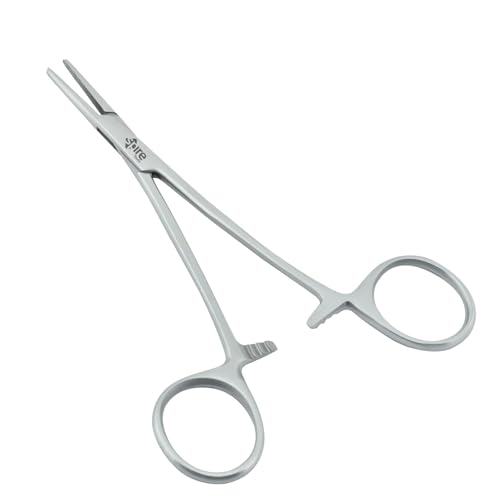
Spire Tools Stainless Steel Self Locking Forceps Tweezers and Grippers
£6.99 *View On Amazon* - Fishing Unhooking Tools
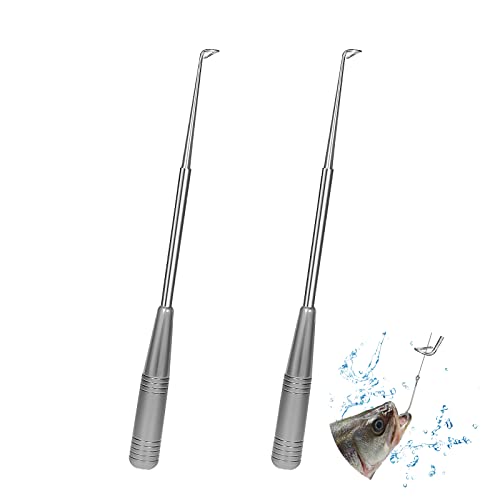
SAVITA 2pcs Fishing Hook Quick Removal Tool, Stainless Steel with Storage Tube, Grey
£4.99 *View On Amazon* - Fishing Unhooking Tools
NGT Stainless Steel Fishing Tackle 6 Tool Set with Braid Scissors, Baiting Tools and Knot Puller
£5.39 *View On Amazon* - Fishing Unhooking Tools
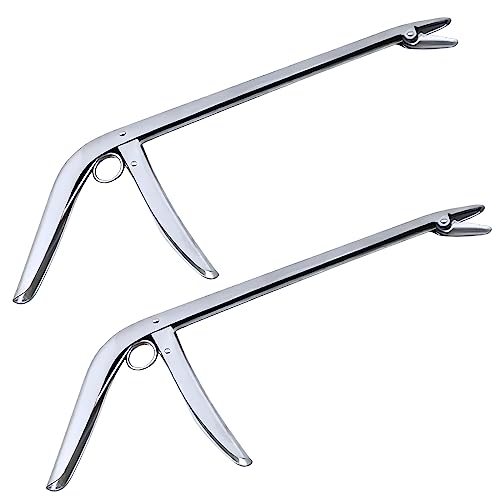
Young Wolf 2 Pcs Stainless Steel Fish Hook Remover 28cm
£8.99 *View On Amazon* - Fishing Unhooking Tools
NEW FISH AID SPRAY Carp Care Antiseptic Unhooking Scales Treatment
£5.50 *View On Amazon* - Fishing Unhooking Tools
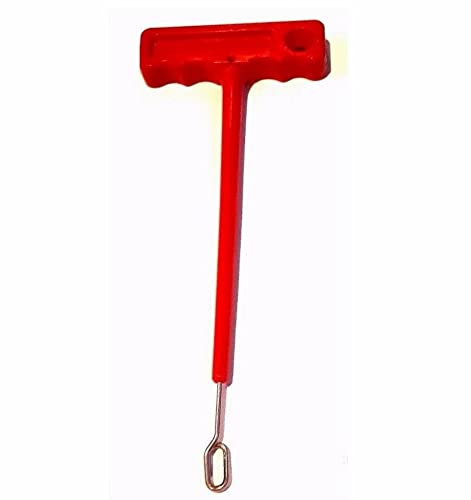
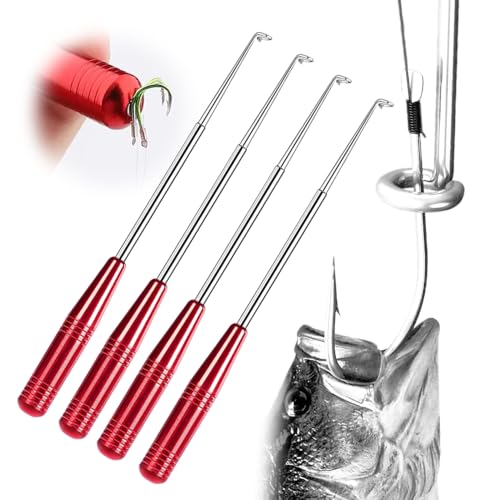
Fishing Hook Quick Removal Device Stainless Steel Red 4
£9.99 *View On Amazon* - Fishing Unhooking Tools
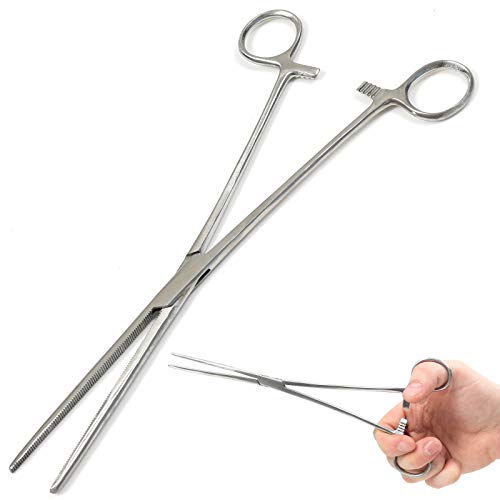
Panther Surgical Stainless Steel 8” Straight Unhooking Sea Carp Fly Pliers Fishing Forceps
£9.45 *View On Amazon* - Fishing Unhooking Tools
Torchwood Fishing Tackle 3 Aluminium Metal Disgorgers for Hook Removal Coarse Match Pole Fishing Kit
£4.29 *View On Amazon* - Fishing Unhooking Tools
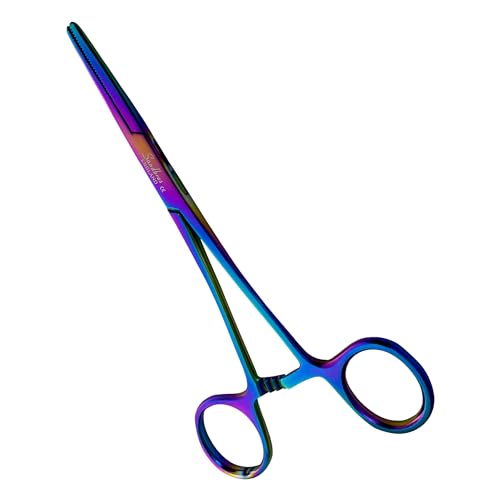
Sandbros Professional Straight Hemostat Fishing Forceps Stainless Steel
Original price was: £4.99.£4.50Current price is: £4.50. *View On Amazon* - Fishing Unhooking Tools
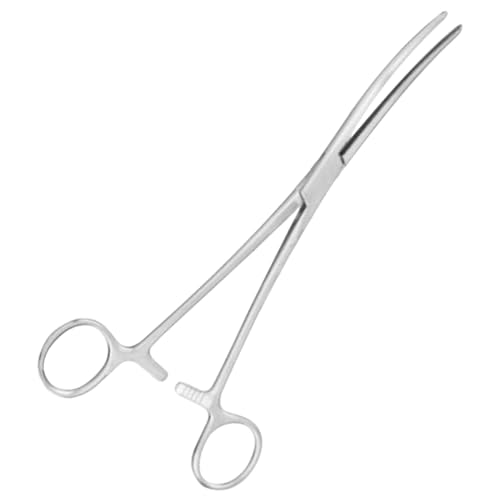
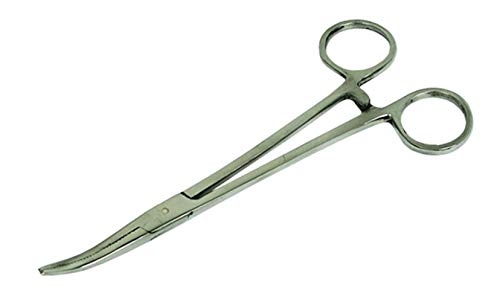
SS INSTRUMENTX Stainless Steel Line Cutters Sea Carp Fly Unhooking Forceps 8 in Curved
£4.45 *View On Amazon* - Fishing Unhooking Tools
Jagowa 2 Pcs Fishing Hook Removal Stainless Steel Disgorger with Storage Tube, Black
£4.49 *View On Amazon* - Fishing Unhooking Tools
SZXMDKH Carp Fishing Baiting Rigs Tool Kit Set, 4 in 1 Carp Fishing Tackle Kit
£4.79 *View On Amazon* - Fishing Unhooking Tools
TRUSCEND Lockable Fishing Pliers with Ergonomical Handle and Mo V Cutter
£23.99 *View On Amazon*

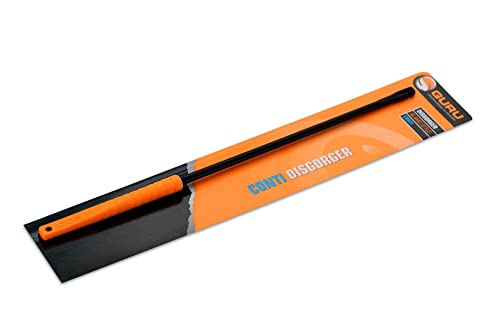









What Are Fishing Unhooking Tools?
Fishing unhooking tools are accessories used to help remove hooks from fish. They include disgorgers, forceps, long forceps, pliers, hook removers, hook extractors, dehooking tools, line cutters and other tools designed to make hook removal safer and more controlled.
They are important because hooks can be difficult to remove by hand, especially when fish are lively, slippery, toothy or deeply hooked. The right tool helps reduce handling time and keeps fingers away from sharp hooks, teeth and spines.
Unhooking tools should be carried as part of a responsible fishing setup. A landing net, unhooking mat, fish care equipment and suitable tools all work together to protect both the fish and the angler.
What Are Fishing Unhooking Tools Used For?
Fishing unhooking tools are used to remove hooks from a fish’s mouth, lips or accessible hook hold after the fish has been landed. They help the angler grip, twist, back out or release the hook with more control.
They are also useful for handling rigs, cutting line, removing damaged hooks, dealing with tangled lures and managing sharp tackle safely.
Different fishing methods need different tools. A small disgorger may suit silver fish and coarse fishing, while long forceps or strong pliers may be needed for pike, sea fish, lure fishing or larger hooks.
How To Choose The Right Fishing Unhooking Tool
Start by thinking about the fish you target most often. Small roach, perch and bream need different tools from carp, pike, zander, bass, codling or larger sea fish.
Next, consider hook size and hook type. Small single hooks may suit a disgorger or fine forceps, while larger hooks, trebles and lure hooks may need pliers or longer tools.
Tool length matters too. A short tool may be fine for small fish, but longer tools help keep fingers safer when dealing with toothy fish, larger mouths or awkward hook positions.
Key Features To Compare
When comparing fishing unhooking tools, look at tool length, grip design, jaw type, handle comfort, spring action where listed, locking mechanism where listed, cutter function where included, material, corrosion resistance where listed, storage size and freshwater or saltwater suitability where listed.
A comfortable grip helps when hands are wet, cold or covered in fish slime. Good grip control makes hook removal calmer and safer.
Material matters because tools are often exposed to water, bait, mud, salt and grit. After coastal use, corrosion resistance and cleaning are especially important.
Disgorgers Compared With Forceps
Disgorgers are simple tools often used in coarse fishing to remove small hooks from fish. They are useful for roach, rudd, skimmers, perch and other smaller fish where the hook is reachable and suitable.
Forceps are gripping tools that can hold hooks securely. They are useful when the hook needs to be gripped, rotated or removed with more control.
The best choice depends on hook size and fish type. Many anglers carry both because each tool suits different situations.
Forceps Compared With Pliers
Forceps are usually slimmer and useful for smaller hooks, finer tackle and controlled hook removal. They are common in coarse fishing, fly fishing and light lure fishing.
Pliers are usually stronger and may suit larger hooks, treble hooks, sea fishing, predator fishing and lure work. Some pliers may also include cutters or split ring features where listed.
The trade off is finesse versus strength. Forceps are useful for careful smaller work, while pliers are better when hooks are stronger or more difficult to move.
Hook Removers Compared With Line Cutters
Hook removers are designed to release hooks from fish. They may use gripping, sliding or pressure based designs depending on the product.
Line cutters are designed to cut fishing line, braid, hooklengths or damaged rigs. They do not remove hooks directly, but they can be important when a rig needs to be cut safely.
Both can be useful. A hook remover deals with the hook, while a cutter helps manage line, tangles and unsafe tackle.
Beginner, Regular Angler And Experienced Angler Guidance
Beginners should carry simple unhooking tools that match the fish they are likely to catch. A disgorger and a pair of forceps can be a practical starting point for many coarse fishing sessions.
Regular anglers may need more than one tool. A coarse angler, lure angler and sea angler may all need different lengths, jaw shapes and levels of strength.
Experienced anglers often compare grip precision, jaw alignment, reach, spring strength, locking action, cutter quality, corrosion resistance, speed of use and how well the tools fit into their fish care routine.
Unhooking Tools For Coarse Fishing
Coarse fishing often uses smaller hooks and lighter tackle. Disgorgers, forceps and compact hook removers can be useful for species such as roach, rudd, perch, bream, skimmers and tench.
A tool should be ready before fishing starts. Searching for a disgorger after a fish is caught increases handling time and stress.
Small fish should still be handled carefully. Wet hands where appropriate, use a suitable landing net and return fish calmly once the hook is removed.
Unhooking Tools For Carp Fishing
Carp fishing usually involves larger fish and stronger hooks. Forceps, pliers and suitable hook removal tools can help remove hooks safely after the carp has been landed.
Carp should usually be unhooked over a suitable unhooking mat or cradle. The fish should be supported properly and not left on rough or dry ground.
Unhooking tools are only part of carp fish care. A landing net, mat, weigh sling, antiseptic treatment where allowed and safe rig components may also be important.
Unhooking Tools For Predator Fishing
Predator fishing needs careful unhooking because fish such as pike and zander can have sharp teeth and powerful jaws. Long forceps, pliers and cutters are especially important.
Hooks should be removed calmly and with suitable control. Treble hooks, deep hook holds and toothy fish can be risky if handled without the right tools.
Predator anglers should prepare tools before casting. A landing net, unhooking mat, long forceps, pliers, cutters and suitable traces are all part of responsible predator fishing.
Unhooking Tools For Pike Fishing
Pike fishing requires particular care because pike have sharp teeth, large mouths and can twist during handling. Long forceps and strong pliers are usually important tools.
Cutters can also be useful if a hook or trace must be cut to remove tackle safely. It is better to cut a difficult hook than to cause unnecessary damage by forcing it.
Pike should be supported properly and returned carefully. Do not rely on one small tool for pike fishing, as the correct handling setup is essential.
Unhooking Tools For Lure Fishing
Lure fishing can involve single hooks, double hooks, treble hooks, jigheads and barbed or barbless hooks where allowed. Unhooking tools are important because lures can tangle in nets, clothing and fish mouths.
Pliers and forceps help keep fingers away from hook points. This is especially useful when fish shake their heads or when multiple hook points are exposed.
Lure anglers should also carry line cutters and spare tools. A tangled lure can quickly become unsafe if hooks are not managed carefully.
Unhooking Tools For Sea Fishing
Sea fishing may involve larger hooks, strong fish, sharp spines, rough ground and saltwater exposure. Strong pliers, forceps, hook removers and cutters can all be useful depending on the species.
Saltwater can affect tools, especially metal parts and springs. Check saltwater suitability where listed and clean tools after coastal use.
Sea fish may be slippery, spiky or lively. Use tools carefully and avoid placing fingers near teeth, gill plates, spines or exposed hooks.
Unhooking Tools For Fly Fishing
Fly fishing often uses smaller hooks and lighter tackle. Fine forceps, small hook removers and nippers can be useful for trout, grayling and other fly caught species.
Catch and release fly fishing benefits from quick and gentle hook removal. Barbless hooks where allowed can make release easier.
A compact tool setup is useful for anglers who walk rivers or carry minimal kit. Tools should be easy to reach on a waistcoat, pack or lanyard where suitable.
Unhooking Tools For Match Fishing
Match fishing often involves catching fish quickly and efficiently while following venue rules. Disgorgers and forceps should be close to hand so fish can be unhooked quickly and returned or placed in a keepnet where allowed.
A match angler may need different tools for small silver fish, skimmers, F1s and carp. Tool choice should match the fish expected and hook sizes used.
Speed should not come before fish care. Even in a match, fish should be handled calmly and unhooked properly.
Disgorgers For Small Hooks
Disgorgers are useful for small hooks and coarse fishing situations where the hook needs to be pushed or guided out carefully. They are simple, light and easy to carry.
They work best when the hook and line are accessible and the fish is small enough for the tool to be used safely.
A disgorger should be used with care. If a hook is too awkward or the fish is larger than expected, forceps or another suitable tool may be better.
Long Forceps And Deep Hook Situations
Long forceps can be useful when a hook is further inside the mouth or when teeth make finger access unsafe. They give extra reach and control.
Deep hook situations require calm decision making. If the hook cannot be removed safely, cutting the line or seeking experienced help may be better than forcing the hook out.
Preventing deep hooking is also important. Suitable hooks, bite detection, attentive fishing and timely strikes can reduce difficult unhooking situations.
Pliers, Cutters And Strong Hook Control
Pliers are useful for stronger hooks, lure fishing, predator fishing and sea fishing. They can grip hooks firmly and help rotate or remove them with control.
Cutters can be important when hooks, wire traces, braid or line need to be cut safely. Strong hooks may require suitable cutters rather than ordinary scissors.
A good tool setup gives options. If a hook cannot be removed easily, having cutters available can help protect the fish and angler.
Barbed And Barbless Hook Considerations
Barbless hooks can make unhooking quicker and easier where allowed. They may reduce handling time and make catch and release simpler.
Barbed hooks can hold more securely, but they may take more care to remove. Use the correct tool and avoid tearing or forcing the hook.
Always follow venue rules on hook type. Some waters require barbless hooks, while others may allow different patterns depending on the method.
Fish Care During Unhooking
Fish care should guide every unhooking decision. Prepare the landing net, mat and tools before the fish is brought to hand.
Keep the fish supported and avoid placing it on dry, rough or hot surfaces. Wet hands where appropriate and reduce time out of the water.
If a fish is lively, wait until it is calmer before attempting hook removal. Rushing can increase the risk of injury to the fish or angler.
Avoiding Common Unhooking Mistakes
One common mistake is not having tools ready. Unhooking tools should be accessible before fishing begins.
Another mistake is using the wrong tool for the hook. A small disgorger may not suit a large treble hook, while heavy pliers may be too rough for tiny hooks.
Forcing a hook is also a mistake. If the hook does not move easily, change tool, improve control or consider cutting tackle where suitable.
Safety For Anglers
Hooks, teeth, spines and tools can all injure anglers. Keep fingers clear of hook points and use tools to control hooks wherever possible.
Take extra care with treble hooks because more than one point may be exposed. A fish shaking in the net can drive a loose hook into hands or clothing.
Keep unhooking tools stored safely when not in use. Sharp cutters, pliers and forceps should not be left open in tackle bags or on the bank.
Safety For Children And New Anglers
Children and new anglers should be supervised when unhooking fish. Hooks, fish movement and tools can be difficult to manage without experience.
Adults should help with deeper hooks, lively fish, toothy species or any situation where the child is unsure.
Teaching safe unhooking early helps build responsible angling habits. The goal is calm handling, not rushing.
Venue Rules And Responsible Fish Handling
Always check venue rules before fishing. Rules may cover hook types, barbless hooks, keepnets, unhooking mats, predator tools, fish care products and fish handling.
Some fisheries require specific equipment before targeting carp, pike or specimen fish. Turning up without the correct tools can put fish at risk and may break venue rules.
Responsible anglers carry suitable unhooking tools, handle fish carefully and return or retain fish only according to the rules.
Cleaning, Hygiene And Tool Maintenance
Unhooking tools should be cleaned and dried after use. Fish slime, bait, mud, salt, sand and grit can affect jaws, hinges, springs, cutters and handles.
After saltwater use, cleaning is especially important because salt can cause corrosion. Dry tools before storage where possible.
Check tool movement before each session. Stiff hinges, blunt cutters, loose jaws or rust can make unhooking harder and less safe.
Storage And Quick Access
Unhooking tools should be stored where they can be reached quickly. A tool pouch, tackle box section, vest pocket or side tray can all work depending on the fishing method.
Do not bury essential tools under heavy tackle or bait. Time matters when a fish is waiting to be unhooked.
Keep tools secure during transport. Forceps, pliers and cutters can damage bags, line, clothing or other tackle if they are left loose.
Useful Accessories To Consider
Useful accessories for fishing unhooking tools include landing nets, unhooking mats, weigh slings, fish grippers where suitable, forceps, pliers, cutters, disgorgers, hook removers, tool pouches, towels and cleaning cloths.
For predator fishing, long forceps, strong pliers, side cutters and suitable traces are important. For carp fishing, mats, slings and fish care products where allowed may be useful.
The best unhooking setup is one where tools, nets, mats, rigs and fish care equipment all work together responsibly.
Why Buy Fishing Unhooking Tools From YPC?
At YPC, we understand active lifestyles and the need for practical products that work in real use. Fishing unhooking tools should be chosen carefully because hook size, species, reach, tool strength, grip comfort and fish care all affect how useful they are.
Browse the Fishing Unhooking Tools category at YPC to compare available options, check the details that suit your fishing style and choose tools that help make hook removal safer, quicker and more responsible.
Fishing Unhooking Tools FAQs
What are fishing unhooking tools?
Fishing unhooking tools are tools used to remove hooks from fish safely and carefully. They include disgorgers, forceps, pliers, hook removers, cutters and other hook removal accessories.
They help reduce handling time and keep fingers away from hooks, teeth and spines.
Are fishing unhooking tools suitable for beginners?
Yes, unhooking tools are important for beginners. A simple disgorger and forceps can make early fishing safer and more responsible.
Beginners should learn how to use tools calmly before handling larger or more difficult fish.
What unhooking tools do I need for coarse fishing?
For coarse fishing, a disgorger and small forceps are often useful. They can help remove small hooks from roach, rudd, bream, perch and similar species.
The tool should match the hook size and fish being caught.
What unhooking tools do I need for carp fishing?
For carp fishing, forceps, pliers and suitable hook removal tools can be useful. A proper unhooking mat, landing net and fish care setup are also important.
Carp should be supported properly while hooks are removed.
What unhooking tools do I need for pike fishing?
Pike fishing usually needs long forceps, strong pliers and cutters. Pike have sharp teeth and can be difficult to unhook without suitable tools.
A large landing net, unhooking mat and confident fish handling are also important.
What is a disgorger used for?
A disgorger is used to help remove small hooks from fish, especially in coarse fishing. It guides pressure down the line to release the hook more safely.
It is most useful for small hooks and smaller fish.
What are forceps used for in fishing?
Forceps are used to grip hooks, remove hooks and handle small tackle. They give more control than fingers and help keep hands away from hook points.
They are useful in coarse, fly, lure and predator fishing.
What are fishing pliers used for?
Fishing pliers are used to grip stronger hooks, remove lure hooks, manage split rings, cut line where included and handle heavier tackle.
They are useful for lure fishing, predator fishing and sea fishing.
Do I need long forceps?
Long forceps are useful for pike, zander, sea fish and any situation where a hook is further inside the mouth. They help keep fingers away from teeth and hooks.
They are especially useful for predator fishing.
Do I need cutters for fishing?
Cutters can be very useful, especially when dealing with strong hooks, braid, wire traces or difficult tangles. They can help make a safer decision when a hook cannot be removed easily.
Use cutters suitable for the material being cut.
Are barbless hooks easier to remove?
Yes, barbless hooks are usually easier to remove and can reduce handling time where they are allowed.
Always follow venue rules on hook type.
Can unhooking tools harm fish?
Yes, any tool can harm fish if used roughly or incorrectly. Choose the right tool, use gentle control and avoid forcing hooks.
Prepare tools before fishing so unhooking can be quick and calm.
What should I do if a fish is deeply hooked?
Stay calm and use the correct tool. If the hook cannot be removed safely, cutting the line or seeking experienced help may be better than forcing it.
Prevention is important, so use suitable bite detection and strike promptly.
Are unhooking tools needed for catch and release?
Yes, unhooking tools are important for catch and release. They help remove hooks quickly and reduce handling time.
Use them with suitable nets, mats and fish care equipment.
Can I remove hooks by hand?
Sometimes small hooks can be removed by hand, but tools are safer and more controlled in many situations. Hooks, teeth, spines and sudden fish movement can all cause injury.
Using the correct tool is usually better for both angler and fish.
What unhooking tools are useful for sea fishing?
Sea fishing may need strong pliers, forceps, hook removers and cutters. Some sea fish have sharp spines, teeth or strong hooks.
Check saltwater suitability where listed and clean tools after use.
What unhooking tools are useful for fly fishing?
Fly anglers often use small forceps, hook removers and nippers. These are compact and suitable for smaller hooks and light tackle.
Quick, gentle release is especially useful in catch and release fly fishing.
How do I clean fishing unhooking tools?
Wipe or rinse away fish slime, bait, mud, salt and sand where suitable, then dry the tools before storage.
Check hinges, jaws, cutters, springs and handles regularly.
How should I store unhooking tools?
Store unhooking tools in a tackle box, tool pouch, vest pocket or side tray where they can be reached quickly. Keep sharp tools secure during transport.
Do not leave essential tools buried under other gear.
What should I check before buying fishing unhooking tools?
Check tool type, length, grip comfort, jaw design, cutter function where included, material, corrosion resistance where listed, storage size and whether the tool suits your target species and hook sizes.
The right unhooking tool should help remove hooks safely, quickly and responsibly while supporting good fish care.
 Getting ready for Summer? View our Home and Garden Products

Heading outdoors this winter? Take a look at our Outdoor Clothing.