
Keep Nets
Keep nets are designed to hold caught fish temporarily in the water during suitable fishing sessions where their use is allowed. They are most commonly used in coarse fishing, match fishing and commercial fishery sessions where anglers need to retain fish safely until weighing, counting or release.
The right keep net depends on your fishing method, target species, venue rules, net length, mesh type, ring design, bank or platform setup, water depth, flow, fish care needs, transport size and whether the net is suitable for the species you expect to catch.
- Keep Nets
ZENFUN 2 Pcs Fishing Bait Trap, Crab Traps Minnow Traps, Crawfish Trap, Collapsible Net, Foldable Fishing Net Portable Fishing Accessories
Original price was: £18.99.£15.16Current price is: £15.16. *View On Amazon* - Keep Nets
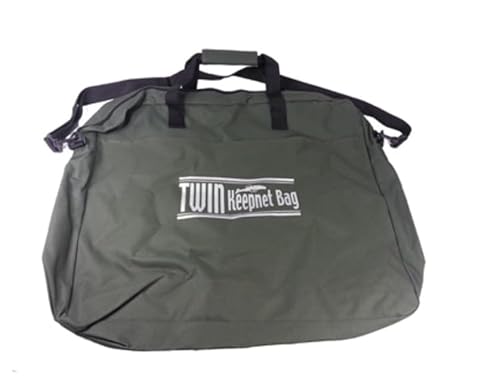
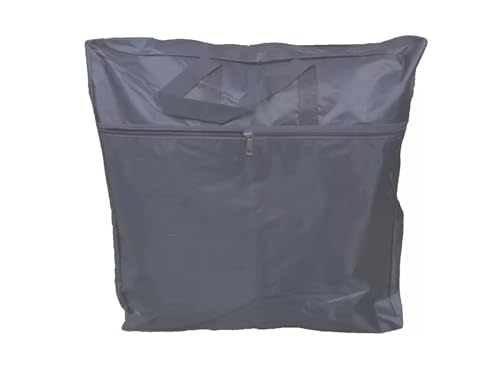
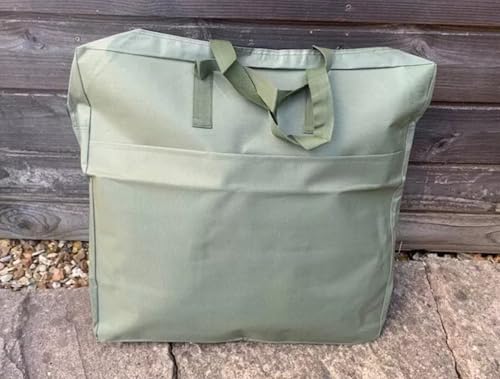
Dinsmores Single Keepnet Bag Black and Green 20 x 20 Inch
Original price was: £9.26.£8.97Current price is: £8.97. *View On Amazon* - Keep Nets
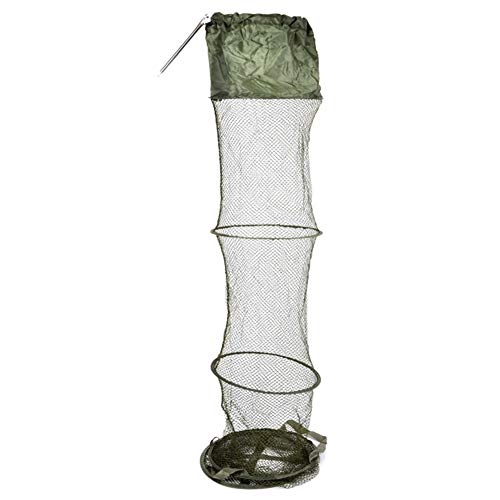
BESPORTBLE Fishing Keep Net with Ground Nail, Floating Fish Basket, Folding Nylon Mesh Collection Bag, Black
Original price was: £16.49.£14.44Current price is: £14.44. *View On Amazon*








![Collateral Fish Friendly Blue Square Keep Net 50cm x 40cm x 300cm Carp Safe [32-5040300C]](https://m.media-amazon.com/images/I/51-tcEi4FcL._SL500_.jpg)

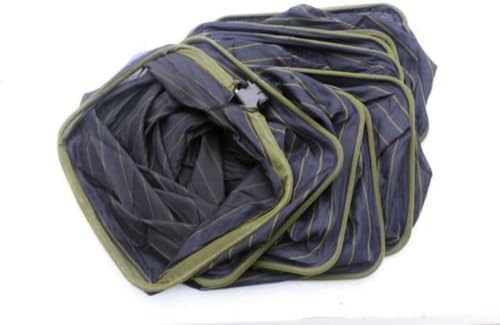


What Are Keep Nets?
Keep nets are long mesh nets used to hold fish temporarily in the water after they have been caught. They are usually positioned from the bank, platform or peg so the fish remain submerged and contained until they are released or weighed.
They are often used in coarse and match fishing for species such as roach, rudd, perch, bream, skimmers, tench, F1s and smaller carp where venue rules allow. Suitability depends on fishery rules, species and net design.
A keep net is not a general fish storage solution. It should only be used where permitted and only for suitable fish, conditions and session types.
What Are Keep Nets Used For?
Keep nets are used to retain fish temporarily during fishing sessions. This is common in matches where fish need to be weighed at the end, or in pleasure fishing where a venue allows fish to be held for a short time before release.
They help keep fish in the water rather than on the bank. When used correctly, a keep net can reduce repeated handling and allow fish to remain submerged until the end of the session.
Keep nets must be used responsibly. Poor positioning, overcrowding, unsuitable species, rough mesh or long holding times can create welfare problems, so fish care and venue rules should guide every use.
How To Choose The Right Keep Net
Start by checking whether keep nets are allowed at your venue. Some fisheries allow them for matches only, some allow them for certain species, and some do not allow them at all.
Next, think about the fish you expect to catch. A net for small silver fish has different needs from one used on commercial fisheries with larger bream, tench, F1s or carp where permitted.
Water depth and peg layout also matter. The net should be long enough to sit properly in the water and allow fish space, but not so large that it is awkward to position safely.
Key Features To Compare
When comparing keep nets, look at net length, mesh type, ring size, ring strength, top ring design, angle adjustment where listed, attachment thread, bankstick or seat box compatibility, drying speed, carry size and ease of cleaning.
Mesh type is important for fish care. Softer mesh can be useful where suitable, while stronger mesh may be needed for more demanding commercial fishery use where listed.
Ring design affects how the net holds its shape in the water. A well supported net is easier for fish to move within and easier for the angler to position.
Keep Nets Compared With Landing Nets
A landing net is used to land individual fish safely. It helps bring a fish under control at the end of the fight and reduces the need to lift fish by the line.
A keep net is used after fish have been landed and unhooked, where allowed, to hold them temporarily in the water.
Most anglers who use keep nets still need a landing net. The landing net lands the fish, while the keep net holds suitable fish until weighing or release.
Keep Nets Compared With Fish Retainers And Sacks
Keep nets are usually used in coarse and match fishing to hold multiple suitable fish in the water where allowed.
Fish retainers, recovery slings or sacks are different products and are often used for short term holding of individual larger fish where permitted and suitable. They are not the same as keep nets.
Choose the correct product for the fish and venue rules. Do not use a keep net as a replacement for specialist fish care equipment unless the product and venue rules clearly support that use.
Beginner, Regular Angler And Experienced Angler Guidance
Beginners should only use keep nets after checking fishery rules and learning correct fish care. A simple session does not always need a keep net, especially if fish can be landed, unhooked and returned straight away.
Regular coarse anglers may use keep nets for pleasure sessions or matches where allowed. They should choose a net that suits their usual fishery, species and peg layout.
Experienced match anglers often compare mesh softness, ring shape, net length, angle adjustment, fish capacity, water flow, drying speed and how well the net fits with their seat box and keep net arm.
Keep Nets For Coarse Fishing
Coarse fishing is one of the main uses for keep nets. They may be used for roach, rudd, bream, skimmers, perch and other suitable species where the venue allows.
A keep net should be positioned so fish remain fully in the water and have enough space. It should not be left partly dry, twisted, folded or trapped against the bank.
Fish should be placed into the net carefully after unhooking. Do not throw fish from height or drop them onto other fish.
Keep Nets For Match Fishing
Match fishing often uses keep nets because catches need to be weighed at the end of the session. Venue and match rules will usually explain how many nets can be used, which fish can be retained and how weighing should be done.
Organisation matters in match fishing. The keep net should be positioned before fishing starts so fish can be transferred quickly and calmly.
Some matches may require separate nets for different fish types or weights. Always follow the match organiser’s instructions.
Keep Nets For Commercial Fisheries
Commercial fisheries may have specific keep net rules because they often hold carp, F1s and other valuable stocked fish. Some venues allow keep nets only during matches, while others restrict fish size, net type or holding time.
A commercial fishery keep net should be suitable for the fish expected and positioned carefully from the peg or platform.
Always check the fishery’s rules before using a keep net. Do not assume that a keep net is allowed just because you own one.
Keep Nets For Canals And Rivers
Canals and rivers can be suitable for keep nets where rules allow, but water movement, boat traffic, bankside access and depth all affect positioning.
On rivers, flow can press the net against the bank or make it difficult for fish to settle. The net should be placed where fish remain safe and submerged.
On canals, towpaths and boats can affect peg layout. Keep nets should not block public access, create trip hazards or be placed where they can be damaged.
Keep Nets For Bream, Roach And Silver Fish
Keep nets are commonly used for silver fish and bream in coarse and match fishing where allowed. These fish can often be held temporarily when the net is suitable and correctly positioned.
The net should give enough space and water movement for the catch. Overcrowding should be avoided, especially during busy sessions.
Fish should be released carefully after weighing or at the end of the session according to venue rules.
Keep Nets For Carp And F1s
Carp and F1s may be held in keep nets only where the fishery allows it and the net is suitable. Many venues have strict rules because carp can be powerful and easily damaged if handled badly.
Some fisheries may require larger nets, separate nets or limits on how many carp can be held in one net. Others may ban carp in keep nets outside matches.
Always follow the venue rules exactly. If carp keep net use is not clearly allowed, return carp straight away after safe landing and unhooking.
Net Length, Diameter And Fish Capacity
Net length affects how much room fish have and how well the net sits in the water. A longer net can give more space, but it must still be practical for the swim and depth.
Diameter affects how freely fish can move inside the net. Wider nets can be useful where larger catches or bigger fish are expected, depending on venue rules.
Capacity should be treated responsibly. A keep net should never be overcrowded. If the catch is building quickly, follow venue guidance on additional nets or earlier weighing where relevant.
Mesh Type And Fish Care
Mesh type affects fish welfare, drying time and hook tangles. Soft mesh can be kinder to fish where suitable, while stronger mesh may be useful for more demanding settings where listed.
Fine mesh can help protect fins and scales, but it may hold water, silt and bait residue. Wider mesh may drain faster, but suitability depends on the fish and rules.
The mesh should be checked before use. Holes, rough areas or damaged sections can injure fish or allow them to escape.
Rings, Frames And Top Attachment
Keep nets usually have rings that help the net hold its shape in the water. Strong rings can make positioning easier and help prevent the net from collapsing.
The top attachment should suit your bankstick, seat box arm or keep net support system. Thread compatibility and angle adjustment where listed are worth checking.
A net that is not held securely can twist, drag or move during the session. Secure positioning helps both fish care and bankside organisation.
Keep Net Arms, Banksticks And Seat Box Setup
Keep nets are often attached to banksticks, keep net arms or seat box systems. The support should hold the net securely without damaging the bank or platform.
Match anglers may use keep net arms to position the net from a seat box. Pleasure anglers may use a bankstick where the ground allows.
The setup should leave enough room for landing nets, rods, bait, tackle and safe movement around the peg.
Positioning A Keep Net Correctly
A keep net should be positioned so the fish remain fully submerged and the net lies naturally in the water. It should not be bunched up, twisted or left partly out of the water.
The mouth of the net should be easy to access, but the body of the net should give fish space and depth. Avoid shallow margins where fish may become stressed or exposed.
In flowing water, position the net so it does not collapse or press fish into the mesh. If conditions are unsuitable, do not use the keep net.
Putting Fish Into A Keep Net
Fish should be unhooked carefully before being placed into the keep net. They should be lowered gently into the net rather than dropped from height.
Avoid placing fish into a dry or badly positioned net. The net should already be set up properly before the first fish is caught.
Check that fish enter the net and do not become trapped near the mouth, caught in mesh or left on the outside by mistake.
Removing Fish From A Keep Net
Fish should be removed from a keep net calmly and carefully. For match weighing, follow the organiser’s or fishery’s weighing procedure.
Lift the net steadily and avoid dragging fish over rough ground, platforms or sharp edges. Fish should remain supported as much as possible.
After weighing or checking, return fish gently to the water unless venue rules state otherwise. Do not tip fish from height or onto hard surfaces.
Avoiding Overcrowding And Stress
Overcrowding is one of the biggest keep net problems. Too many fish in one net can reduce water flow, cause rubbing and make release more difficult.
Warm weather, low oxygen, shallow water and large catches can all increase stress. Venue rules may include limits for this reason.
If fish are showing signs of stress or conditions are poor, avoid using a keep net or follow fishery instructions on early release and fish care.
Venue Rules And Fishery Requirements
Always check venue rules before using a keep net. Rules may cover whether keep nets are allowed, match only use, net length, mesh type, fish species, carp limits, number of nets and holding time.
Some fisheries may require keep nets to be dry before use to help reduce the risk of transferring disease between waters.
Rules can vary between venues, clubs, rivers, canals and matches. Responsible anglers check before setting up.
Fish Health, Biosecurity And Drying Nets
Keep nets can carry water, silt, fish slime and organic material between venues. Cleaning and drying nets properly helps reduce hygiene problems.
Some fisheries may ask anglers to use only dry nets or follow net dip procedures where provided. Always follow the venue’s system.
After fishing, rinse or clean the net where suitable and let it dry fully before storage. A damp net stored in a bag can become unpleasant and less hygienic.
Safety When Using Keep Nets
Keep nets, banksticks, arms and support systems can create trip hazards around a peg. Position them so they do not block paths, platforms or neighbouring anglers.
Take care when lifting a heavy keep net. Wet nets and fish can be heavier than expected, and uneven banks can make lifting awkward.
Do not lean dangerously over deep water, steep banks, platforms or fast flow when placing or removing the net. Safety should always come first.
Care, Cleaning And Storage
Keep nets should be cleaned and dried after use. Mud, bait, fish slime, weed and silt can collect in mesh, rings and seams.
Check the mesh for holes, tears, rough spots and trapped hooks. A damaged net can harm fish or fail during a session.
Store keep nets dry and ventilated where possible. Avoid leaving them sealed damp in bags for long periods, as this can cause smells and reduce usability.
Useful Accessories To Consider
Useful accessories for keep nets include keep net arms, banksticks, seat box attachments, landing nets, disgorgers, forceps, unhooking mats, weigh slings, net bags and cleaning tools.
For match fishing, additional nets may be useful where rules require separate fish holding. For commercial fisheries, check whether specific net types or lengths are required.
The best keep net setup is one where the net, support, landing equipment, fish care tools and venue rules all work together responsibly.
Why Buy Keep Nets From YPC?
At YPC, we understand active lifestyles and the need for practical products that work in real use. Keep nets should be chosen carefully because fish care, mesh type, net length, ring design, venue rules and positioning all affect how suitable they are.
Browse the Keep Nets category at YPC to compare available options, check the details that suit your fishing method and choose keep net equipment that supports organised, responsible and fish friendly sessions.
Keep Nets FAQs
What is a keep net?
A keep net is a long mesh net used to hold caught fish temporarily in the water during a fishing session where allowed.
It is commonly used in coarse fishing and match fishing.
What are keep nets used for?
Keep nets are used to hold suitable fish temporarily until weighing, counting or release. They are often used in matches and some pleasure fishing sessions.
They should only be used where venue rules allow.
Are keep nets suitable for beginners?
Keep nets can be suitable for beginners, but only after they understand fish care and venue rules. Many beginner sessions do not need a keep net.
If fish can be returned straight away, that is often simpler.
Are keep nets allowed at all fisheries?
No, keep nets are not allowed at all fisheries. Some venues allow them only during matches, while others restrict species, net type or holding time.
Always check fishery rules before using one.
Can I put carp in a keep net?
Only put carp in a keep net if the fishery clearly allows it and the net is suitable. Many venues have strict rules about carp in keep nets.
If unsure, return carp straight away after safe unhooking.
Can I put pike in a keep net?
Pike are not normally suitable for keep nets. Predator fish need careful handling and should usually be released after unhooking according to venue rules.
Use suitable predator fish care equipment instead.
What fish can go in a keep net?
This depends on venue rules and net suitability. Roach, rudd, bream, skimmers and other coarse fish may be allowed on many waters.
Carp, large fish and specialist species may have separate rules or restrictions.
What length keep net do I need?
The right length depends on the venue, water depth, fish expected and fishery rules. A longer net can provide more space, but it must sit properly in the water.
Check venue requirements before buying.
What mesh is best for keep nets?
Soft, fish friendly mesh is useful where suitable. The mesh should protect fish, drain properly and comply with venue rules.
Check product details and fishery guidance before use.
What is a match keep net?
A match keep net is used in fishing matches to hold fish until weighing. Match rules may control net length, number of nets and which fish can be kept.
Always follow the organiser’s instructions.
Do I need more than one keep net?
You may need more than one keep net if venue or match rules require separate nets for different fish or catch weights.
For casual sessions, one suitable net may be enough where keep nets are allowed.
How do I position a keep net?
Position the keep net so it is fully in the water, not twisted, not trapped and not partly dry. Fish should have enough space and water around them.
Avoid shallow or unsafe areas.
Can I use a keep net in flowing water?
A keep net can be used in some flowing water where allowed, but flow can press the net against the bank or make fish uncomfortable.
If the net collapses, twists or fish cannot settle, do not use it.
How do I put fish into a keep net?
Unhook the fish carefully, then lower it gently into the net. Do not drop fish from height or throw them into the net.
Make sure the fish enters the net properly.
How do I remove fish from a keep net?
Lift the net steadily and follow venue or match weighing procedures. Avoid dragging fish over rough ground or platforms.
Return fish gently after weighing or checking.
Can keep nets harm fish?
Keep nets can harm fish if used badly, overcrowded, positioned poorly or used for unsuitable species. Correct use, suitable mesh and following rules are essential.
Fish care should always guide keep net use.
How do I avoid overcrowding a keep net?
Follow venue rules on fish numbers, fish weight and net use. Use additional nets where required and avoid retaining fish if conditions are poor.
Large catches need careful management.
Should keep nets be dried before use?
Many fisheries prefer or require dry nets to reduce the risk of transferring disease or unwanted material between waters.
Clean and dry nets properly after every session.
How do I clean a keep net?
Remove weed, mud, bait and fish slime, then rinse or clean the net where suitable and let it dry fully before storage.
Check the mesh, rings and seams for damage.
What should I check before buying keep nets?
Check net length, mesh type, ring design, attachment style, transport size, fish care suitability, venue rules and whether the net suits the species and waters you fish.
The right keep net should help hold fish safely, legally and responsibly during suitable sessions.
 Getting ready for Summer? View our Home and Garden Products

Heading outdoors this winter? Take a look at our Outdoor Clothing.