
Football Shorts
Football Shorts are designed to help players move freely, stay comfortable and play with confidence during training, matches and casual games. Whether you are buying for school PE, grassroots football, five a side, garden practice or regular club sessions, the right shorts should feel light, practical and easy to wear.
This category includes football shorts for different ages, sizes, playing styles and levels of use. Depending on the product, you may find simple training shorts, match style shorts, junior football shorts, adult football shorts and designs made to work with football shirts, socks, shin pads and base layers.
- Football Shorts
PUMA Unisex Kids Teamgoal 23 Jr Knitted Shorts Cyber Yellow 128 UK
Original price was: £4.07.£3.39Current price is: £3.39. *View On Amazon* - Football Shorts
adidas Unisex Kids Essentials Climacool Shorts, Black/White, 7-8 Years
Original price was: £13.00.£11.99Current price is: £11.99. *View On Amazon* - Football Shorts
adidas Unisex Kids SQUADRA25 Shorts, Team Navy Blue 2/White, 11-12 Years
Original price was: £13.00.£10.99Current price is: £10.99. *View On Amazon* - Football Shorts
adidas Men’s AEROREADY Essentials Chelsea Small Logo Shorts, Black, M Tall
£22.39 *View On Amazon* - Football Shorts
Under Armour Men Tech Graphic Running Shorts, Ultra-light, Loose Fit, 25.5 cm
Original price was: £27.00.£16.97Current price is: £16.97. *View On Amazon* - Football Shorts
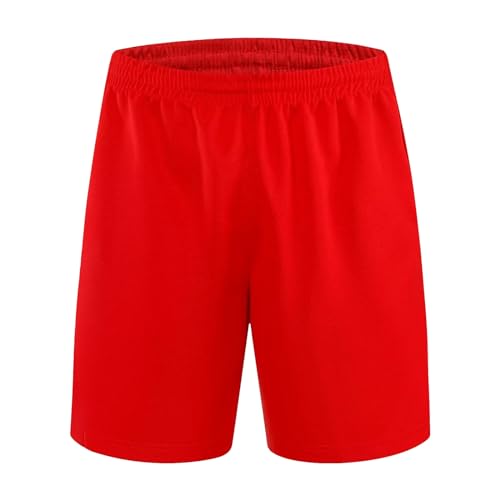
Smivibe PE Shorts Black 12-13 Years
Original price was: £8.99.£7.64Current price is: £7.64. *View On Amazon* - Football Shorts
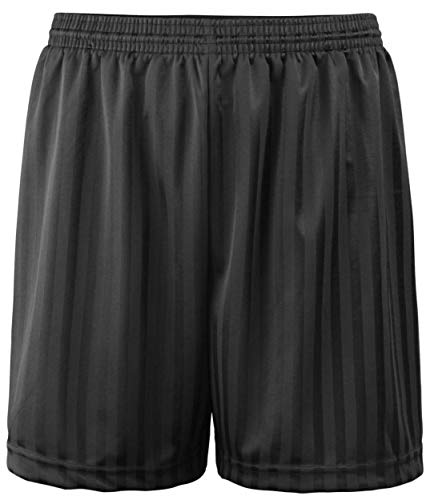
Kids Essentials Boys Girls PE Shorts Shadow Stripe Black 9-10 Years
Original price was: £5.99.£5.15Current price is: £5.15. *View On Amazon* - Football Shorts
YUTYTH Men’s Gym Running Shorts 7 inch Navy with Zipper Pockets and Reflective Strip
Original price was: £16.98.£12.25Current price is: £12.25. *View On Amazon* - Football Shorts
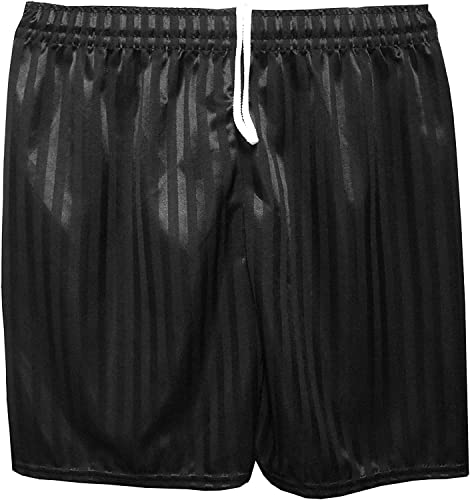
Listers Schoolwear Essential PE Sports Shorts Pack of 2, Unisex, Black, 3 to 16 Years
Original price was: £9.95.£4.98Current price is: £4.98. *View On Amazon* - Football Shorts
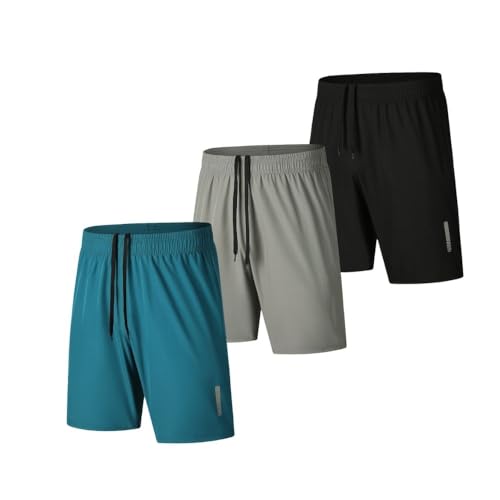
miijoory 3 Pack Men’s Gym Shorts with Pockets, 3XL, Black, Navy, Light Grey
£26.99 *View On Amazon* - Football Shorts
NIKE Unisex Kids Y Nk Dry Park Iii Nb K Sport Shorts, Black/White, L UK
Original price was: £15.42.£12.98Current price is: £12.98. *View On Amazon* - Football Shorts
NIKE Men’s M Nk Dry Park20 Kz Shorts, Black/Black/White, L UK
£20.29 *View On Amazon* - Football Shorts
adidas Men’s Train Essentials All Set Training Shorts, Black/White, L
£22.95 *View On Amazon*








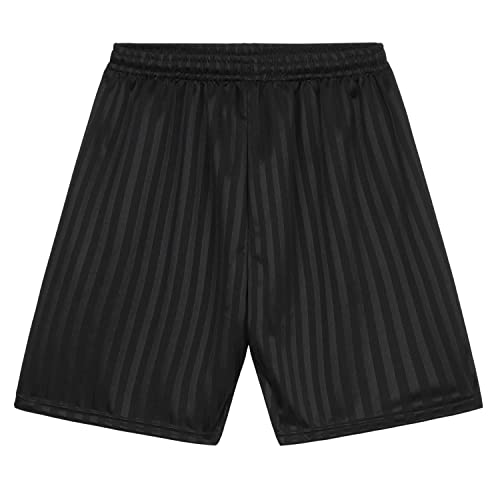
What Are Football Shorts?
Football shorts are sports shorts made for the movement and pace of football. They are usually designed to allow running, turning, stretching, tackling, shooting and quick changes of direction without feeling heavy or restrictive.
Compared with everyday shorts, football shorts often use lighter fabrics, an athletic fit and an elasticated waistband or drawcord where listed. Some designs may be plain and simple, while others may be made to match team colours or training kit.
What Football Shorts Are Used For
Football shorts can be used for training sessions, matches, school sport, coaching, casual play and fitness work. They are a core part of a player’s kit because they need to support movement without getting in the way.
For children, football shorts are often used for PE lessons, football clubs, holiday camps and weekend matches. For adults, they may be used for team training, five a side leagues, gym sessions or relaxed football with friends.
They can also be useful for general sports and active wear, provided the fit and fabric suit the activity.
How To Choose The Right Football Shorts
Start with who will wear them. Children may need shorts that are easy to put on, comfortable around the waist and suitable for school or club requirements. Adult players may focus more on fit, length, fabric feel and how the shorts work during regular play.
Next, think about the intended use. Training shorts can be simple, durable and easy to wash, while match shorts may need to match a shirt, team colour or specific kit style where relevant.
Finally, consider comfort in movement. Football shorts should allow full leg movement without pulling, bunching or feeling too loose. The waistband should feel secure without digging in, especially during longer sessions.
Key Features To Compare
Fit is one of the most important features. Some football shorts are more relaxed, while others have a closer athletic shape. The right fit should allow movement without feeling baggy or restrictive.
Fabric is another key factor. Lightweight materials can help with comfort during fast play, while breathable or moisture managing fabrics may be useful where listed. For regular training, easy care fabric can also make a practical difference.
Waistband design matters too. Elasticated waists, drawcords and adjustable features can help with fit, depending on the product. Length is also worth comparing, as some players prefer shorter shorts for movement while others prefer a little more coverage.
Pockets may be useful for casual use, but they are not always suitable or allowed for organised football. Check the product details and any club or school requirements if this matters.
Football Shorts Compared With General Sports Shorts
General sports shorts can work for light exercise, but football shorts are usually better suited to the movements of the game. Football involves repeated sprints, turns, lunges and kicks, so freedom of movement is important.
The trade off is that some football shorts may be simpler than multi sport shorts. They may not include zip pockets, thicker fabrics or casual styling. If the shorts are mainly for football, this simplicity can be an advantage because there is less bulk and fewer distractions during play.
Training Shorts Compared With Match Shorts
Training shorts are usually chosen for comfort, durability and regular washing. They are ideal for practice sessions, drills, coaching and everyday football use.
Match shorts are often chosen for appearance, team kit compatibility and a smarter playing setup. They may need to match a shirt, socks or club colour where required.
For many players, having separate training shorts and match shorts can be useful. Training kit can take the wear of regular sessions, while match kit can be kept ready for game day.
Beginner, Regular Player And Experienced Player Guidance
Beginners should focus on simple football shorts that fit well and feel comfortable. Easy movement, a secure waistband and the right size are more important than extra features.
Regular players may want several pairs so there is always clean kit available for training, matches and school sport. Easy care fabrics and reliable comfort become more important when shorts are worn often.
Experienced players may compare cut, length, fabric weight, waistband feel and how the shorts work with compression shorts or base layers where suitable. Small comfort details can matter during longer training sessions or competitive matches.
Use Cases By Player Type And Activity
For junior football, choose shorts that suit the child’s size, comfort and level of activity. They should be easy to move in and practical enough for training, matches and washing between sessions.
For adult football, consider the type of play. Five a side players may prefer light shorts that allow fast movement, while eleven a side players may want shorts that match team kit or offer a more traditional football fit.
For goalkeepers, shorts may need to work with goalkeeper tops, base layers or padded clothing where suitable. Some keepers may prefer more coverage, depending on the playing surface and conditions.
For coaching, refereeing or casual use, comfort and practicality may matter more than team kit matching. Simple football shorts can be useful for active sessions, warm ups and general training.
Fit, Sizing And Comfort
Football shorts should sit securely at the waist without slipping during running or kicking. They should not feel too tight through the hips, thighs or seat, as this can restrict movement.
Check the size guide where listed and compare waist measurements carefully. For growing children, comfort and secure fit are important, but shorts should not be so oversized that they get in the way.
Length is a personal choice, but it should suit the player’s movement and confidence. The shorts should allow a full stride, kicking motion and quick direction changes without bunching.
Compatibility With Football Kit
Football shorts should work comfortably with football shirts, socks, boots, shin pads and base layers. If the player wears compression shorts underneath, check that the outer shorts have enough room without feeling loose.
For match use, colour and kit compatibility may matter. Some schools, clubs or teams may require specific colours or styles, so it is worth checking before buying if the shorts are for organised play.
If pockets, drawcords or inner linings are included, check whether they are suitable for the type of football being played.
Safety And Practical Considerations
Football shorts should not restrict running, turning or kicking. Shorts that are too loose may feel distracting, while shorts that are too tight can affect comfort and movement.
For organised matches, check any rules set by the club, school or league. Some types of pockets, colours or visible underlayers may not be suitable, depending on the setting.
Drawcords should be tied securely and kept comfortable. Younger players may benefit from simple waistbands that are easy to manage during school or training sessions.
Care, Washing And Storage
Football shorts are often used in muddy, wet or sweaty conditions, so easy care is important. Always follow the care label on the product, especially if the shorts use technical fabric, printed details or colour panels.
Let damp shorts dry before placing them in a kit bag or drawer. Leaving wet clothing packed away can lead to odour and make kit less pleasant to use next time.
For regular players, keeping training shorts, match shorts and spare kit organised can make football days much easier. A dedicated kit bag or drawer helps avoid last minute searches before training.
Useful Accessories To Consider
Football shorts are usually worn as part of a wider football kit. Useful accessories may include football shirts, football socks, shin pads, boots, goalkeeper gloves, base layers, training tops and kit bags.
For training, footballs, cones, water bottles and bibs can also be helpful. For match days, spare socks, a towel and weather suitable clothing may make preparation more practical.
Choosing shorts alongside the rest of the player’s kit helps avoid fit issues and makes sure everything works together on the pitch.
Why Buy From YPC?
At YPC, we understand active lifestyles and the need for practical products that work in real use. Football shorts should be comfortable, suitable for the player and practical enough for training, match days and regular washing.
YPC brings together a wide range of football products so you can compare available options by size, fit, use and suitability. Browse the Football Shorts category to compare the range and choose the right shorts for training, matches or everyday football.
FAQs
What should I look for when buying football shorts?
Look for football shorts that fit well, allow easy movement and suit the player’s age, activity and level of use. Fabric, waistband comfort, length and kit compatibility are all useful things to compare.
Are football shorts different from normal sports shorts?
Yes, football shorts are usually designed around running, kicking, turning and repeated movement. They are often lightweight and simple so they do not get in the way during play.
Should football shorts be tight or loose?
Football shorts should feel secure but not tight. They should allow full leg movement without slipping, bunching or restricting the player when running, stretching or kicking.
Can football shorts be used for training and matches?
Yes, many football shorts can be used for both training and matches, depending on the product. For organised games, check whether the colour and style match any club, school or league requirements.
Do children need specific junior football shorts?
Junior football shorts are often better suited to children because the sizing, fit and waistband are designed for younger players. Always check the size guide where listed before choosing.
Can football shorts be worn over base layers?
Many players wear football shorts over compression shorts or base layers where suitable. Check the fit and make sure the layers do not restrict movement or feel uncomfortable.
Are pockets useful in football shorts?
Pockets can be useful for casual wear, but they are not always ideal for football matches or training. For organised football, check whether pocketed shorts are allowed or suitable.
How do I wash football shorts?
Follow the care label on the product. In general, football shorts should be washed after use, dried properly before storage and kept away from damp kit bags once training or matches are finished.
 Getting ready for Summer? View our Home and Garden Products

Heading outdoors this winter? Take a look at our Outdoor Clothing.