
Football Socks
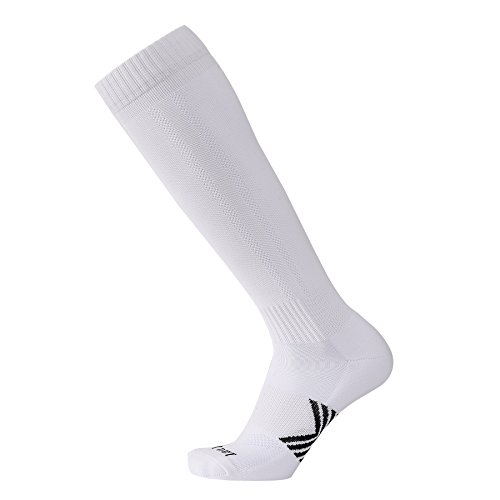
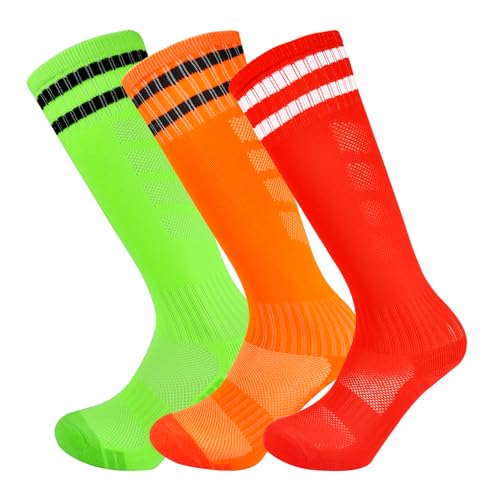
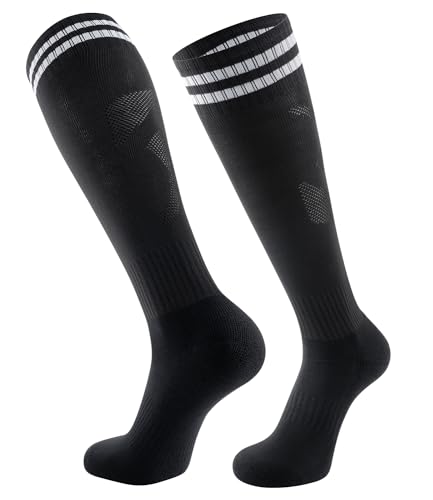
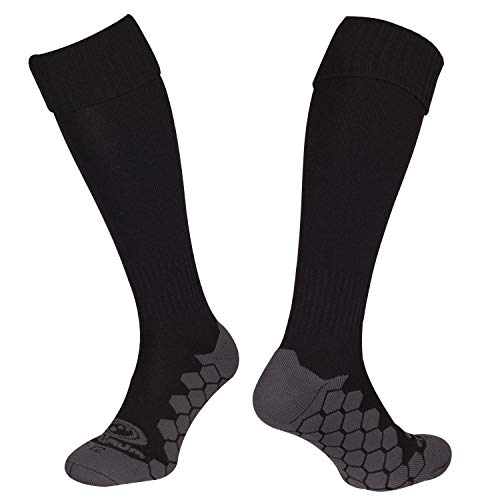
Football socks are designed to be worn with football boots and shin pads during training, matches and casual play. They help provide coverage, comfort and a more secure feel inside the boot, depending on the fit, fabric and features listed.
The right football socks can make a noticeable difference to how a player feels on the pitch. Poorly fitting socks can bunch, slip or feel uncomfortable, while well chosen socks can support smoother movement and better kit organisation.
- Football Socks
adidas Unisex Kids Adi 23 Socks, Team Royal Blue/White, 7-8 Years
£8.49 *View On Amazon* - Football Socks
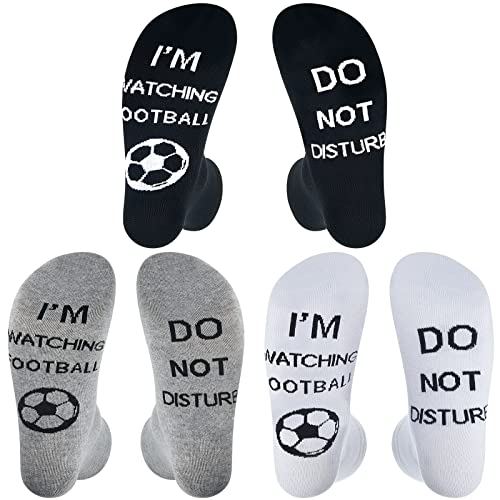
SATINIOR 3 Pairs Do Not Disturb Football Socks
Original price was: £7.49.£6.99Current price is: £6.99. *View On Amazon* - Football Socks
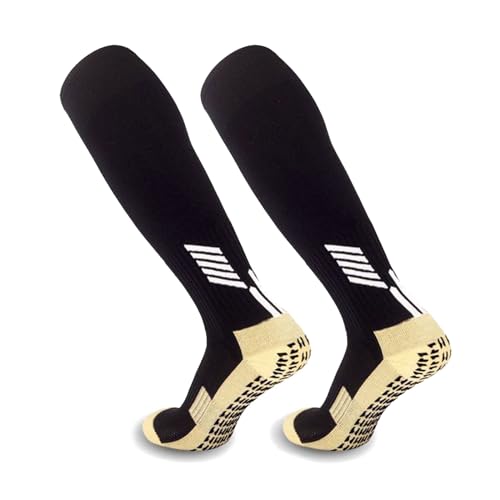
JBLJDWD 4 Pcs Gain the Edge Grip Socks for Football, Black and White
£6.29 *View On Amazon* - Football Socks
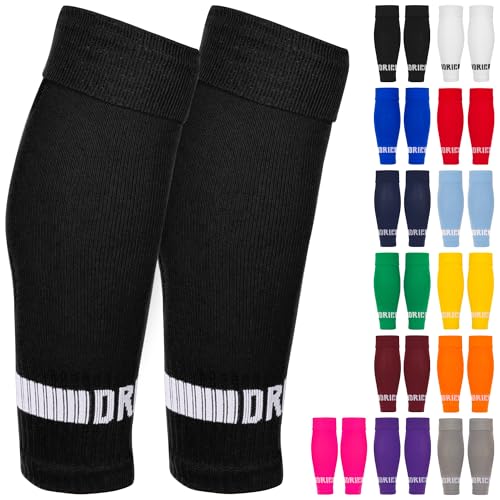
DRIPsox® Football Sock Sleeves, 3 Sizes, 1 Pair, Black
Original price was: £14.99.£11.99Current price is: £11.99. *View On Amazon* - Football Socks
Geebuzz 4 Pairs Football Grip Socks, Black and White
Original price was: £12.95.£9.95Current price is: £9.95. *View On Amazon* - Football Socks
4 Pairs High Elastic Sock Sleeves, 4 Colours, 10 x 33cm
Original price was: £8.99.£7.01Current price is: £7.01. *View On Amazon* - Football Socks
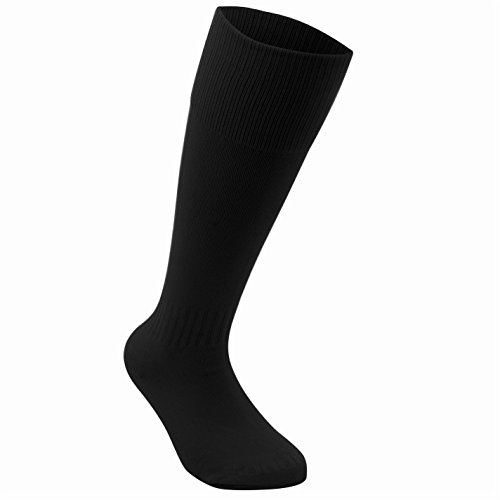
Benirap Football Socks for Men, One Size, 1 Pack, F5
Original price was: £6.99.£6.64Current price is: £6.64. *View On Amazon* - Football Socks
LION SPORTSWEAR Kids/Youth Football Sock Sleeves for Grip Socks, Black
£9.99 *View On Amazon* - Football Socks
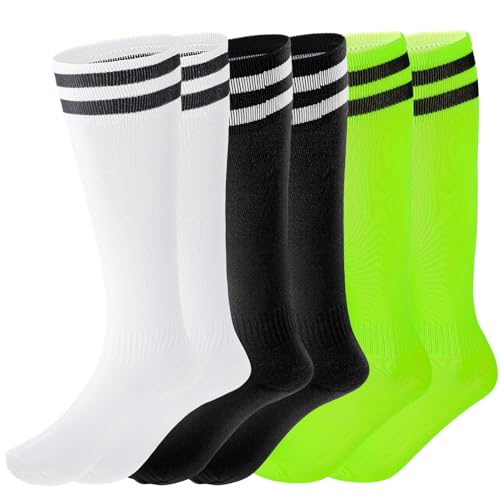
Fanshiontide Kids Long Football Socks, 3 Pairs, 3 Colours
Original price was: £3.98.£3.58Current price is: £3.58. *View On Amazon*











What Are Football Socks?
Football socks are long sports socks made for use when playing football. They are usually designed to cover the lower leg and help hold shin pads in place, although styles and lengths can vary by product.
Some football socks are simple team style socks for training and match wear. Others may include cushioned zones, ribbed sections, breathable panels, reinforced areas, arch support or grip features where listed. The right option depends on the player, boot fit, shin pad setup and playing routine.
What Are Football Socks Used For?
Football socks are used to protect comfort inside football boots, cover the lower leg and support the use of shin pads. They are worn by junior players, school teams, club players, five a side players and casual footballers.
They can be used for matches, training sessions, tournaments, PE lessons, kickabouts and indoor football where suitable. For regular players, having more than one pair can be useful so clean socks are ready for the next session.
How To Choose The Right Football Socks
Start with size and fit. Football socks should sit securely without cutting into the leg or sliding down during play. They should also fit comfortably inside football boots, as socks that are too thick or too loose may affect boot fit.
Next, think about the shin pads being used. Some players wear slip in shin pads under long football socks, while others use shin pads with sleeves or ankle guards. The sock should work with the player’s preferred shin pad style and provide enough coverage where needed.
Also consider the playing routine. A child playing once a week may need simple, comfortable football socks. A regular club player may want socks that are durable, easy to wash and comfortable for repeated use. More experienced players may compare grip, cushioning and material feel more closely where those details are listed.
Key Features To Compare
When comparing football socks, look at size, length, fabric, stretch, cushioning, breathability and how they work with shin pads. These features affect comfort and practicality during training and matches.
Length is important because many players need socks that cover shin pads properly. Some socks may sit below the knee, while others may be shorter or shaped differently depending on the product.
Cushioning can affect how the sock feels inside football boots. Thicker socks may feel more padded, while thinner socks may give a closer boot feel. Neither is automatically better. It depends on the player’s preference and the boot fit.
Grip features may be included on some socks where listed. These can be useful for players who want a more secure feel inside the boot, but they should be checked for compatibility with the boot and personal comfort.
Football Socks Compared With Normal Sports Socks
Football socks are different from normal sports socks because they are usually made to work with shin pads and football boots. Standard socks may be too short, too thin, too loose or not suitable for covering protective kit.
Normal trainer socks may work for casual exercise, but they are not usually the most practical choice for football matches or club training. They may leave shin pads exposed or fail to stay in place during repeated sprints, tackles and changes of direction.
Football socks are also different from general running socks. Running socks are often focused on foot comfort and moisture management, while football socks also need to work with shin pads, boots and football kit requirements.
Guidance For Beginner Regular And Experienced Players
Beginner players should choose football socks that are comfortable, easy to pull on and suitable for wearing with shin pads. A simple long football sock is often a practical starting point for school sport or early club sessions.
Regular players should pay closer attention to fit, washing, durability and how the socks feel after repeated use. If a player trains and plays every week, comfort over a full session matters.
Experienced players may prefer specific sock styles depending on boot fit, pitch type and personal feel. Some may choose thinner socks for close contact with the boot, while others may prefer extra cushioning or grip features where listed.
Use Cases By Player Type And Activity
For junior footballers, comfort and ease of use are important. Socks should be simple enough for the child to put on, but secure enough to stay up during play. They should also work properly with shin pads.
For school football and PE, practical socks that are easy to clean and suitable for regular kit bags can be useful. If the school has kit colour requirements, check colour options before buying.
For club players, match socks may need to match team colours or kit rules. Training socks may be chosen more for comfort, durability and boot fit.
For five a side and casual football, socks still need to feel comfortable inside boots or indoor football shoes. The same sock may not suit every footwear type, so check fit and comfort before regular use.
For players using grip socks, make sure the sock style is suitable for the boot and playing format. Some players use long outer socks with separate grip socks, depending on rules and personal preference.
Fit Compatibility And Comfort
Football socks should fit the foot, ankle and lower leg without excessive slipping or tightness. If they are too loose, they may bunch inside the boot. If they are too tight, they may feel uncomfortable during longer sessions.
Check the size range carefully, especially when buying for children. Growing feet can make sizing tricky, but socks that are far too large may fold inside the boot and cause discomfort.
Compatibility also means checking how the socks work with football boots and shin pads. A thicker sock may make tight boots feel too snug. A thinner sock may feel better in close fitting boots, but may not provide the same padded feel. The best choice depends on the player’s footwear and preference.
Safety Care Maintenance And Storage
Football socks help cover shin pads, but they are only one part of a player’s kit. Shin pads should be worn correctly and match the needs of the player, club or venue rules. Socks should not be relied on to replace protective equipment.
After training or matches, wash football socks according to the care label. Mud, sweat and repeated wear can affect freshness and comfort, so regular cleaning is important.
Let socks dry fully before putting them back into a kit bag. Avoid leaving damp socks in a boot bag for long periods. Store them in pairs where possible so they are easy to find before training or match day.
Useful Accessories To Consider
Useful accessories can include football boots, shin pads, boot bags, training tops, football shorts, sports water bottles, cones and footballs. Replacement laces and a simple boot cleaning brush can also be useful for regular players.
For junior players, a named kit bag can help keep socks, boots and shin pads together. For club players, having spare socks can be helpful when training sessions, matches and washing schedules overlap.
Why Buy Football Socks From YPC?
At YPC, we understand active lifestyles and the need for practical products that work in real use. Football socks can vary by size, length, thickness, material, colour and performance features, so comparing the details helps you choose more confidently.
YPC helps you browse football kit with real playing needs in mind, from school sport and junior training to regular club football and casual games. Explore the Football Socks category to browse the available options and compare the features that matter most for comfort, fit and match day practicality.
FAQs
What are football socks used for?
Football socks are used to provide comfort inside football boots, cover the lower leg and help keep shin pads in place during football training or matches.
Do football socks need to cover shin pads?
In most football situations, socks should cover shin pads properly. This helps keep the kit secure and supports normal match or training requirements. Always follow your club, school or venue rules.
What size football socks should I buy?
Choose football socks based on the player’s shoe size and the size guide where listed. The socks should fit securely without bunching inside the boot or feeling too tight around the leg.
Are thick or thin football socks better?
It depends on the player and boot fit. Thicker socks may feel more cushioned, while thinner socks may give a closer feel inside the boot. The right choice is the one that feels comfortable and secure during play.
Can children wear adult football socks?
Only if the size is suitable. Adult socks may be too long or loose for children, which can make them uncomfortable or difficult to wear with shin pads and boots.
What are grip football socks?
Grip football socks are socks that may include grip areas on the sole where listed. They are designed to help reduce movement inside the boot, but comfort and compatibility should be checked before use.
How many pairs of football socks do I need?
For occasional play, one or two pairs may be enough. Regular players may find extra pairs useful so clean socks are available for training, matches and washing days.
How should I wash football socks?
Follow the care label on the product. Remove excess mud where possible, wash after use and let the socks dry fully before storing them in a kit bag or drawer.
 Getting ready for Summer? View our Home and Garden Products

Heading outdoors this winter? Take a look at our Outdoor Clothing.