
Goalkeepers Gloves
Goalkeepers gloves are specialist football gloves designed to support catching, handling, blocking and diving during goalkeeper play. They are used by junior keepers, adult players, casual footballers, club goalkeepers and training groups, depending on the size, fit and features listed on each product.
The right pair should feel secure, comfortable and suitable for the type of football being played. When comparing goalkeepers gloves, buyers should look at size, palm material, cut, wrist closure, padding, finger protection where listed, playing surface and whether the gloves are intended for training, match use or general practice.
- Goalkeepers Gloves
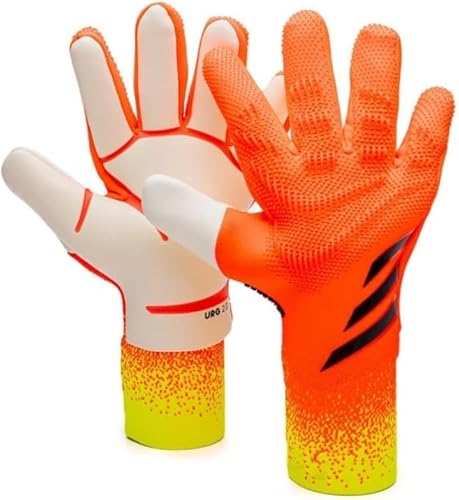
KINGGOO Soccer Goalkeeper Gloves Orange, Size 6
Original price was: £16.49.£15.99Current price is: £15.99. *View On Amazon* - Goalkeepers Gloves
KRUZZO Children Football Goalkeeper Gloves, Size 6/7/8/9/10
£11.99 *View On Amazon* - Goalkeepers Gloves
OLYSPM Kids Football Goalkeeper Gloves, Non-slip Latex Palm, Size 6-10, Red-Blue
£27.99 *View On Amazon* - Goalkeepers Gloves
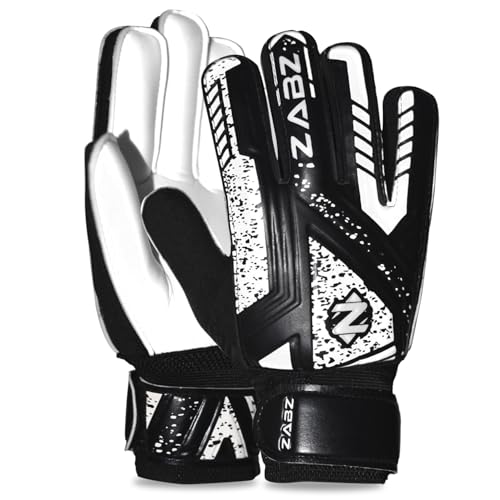
ZABZ Goalkeeper Gloves, White, Size 5
Original price was: £6.64.£5.05Current price is: £5.05. *View On Amazon* - Goalkeepers Gloves
FASECKS Football Goalkeeper Gloves, Size 8, Black
Original price was: £20.99.£18.99Current price is: £18.99. *View On Amazon* - Goalkeepers Gloves
Renegade GK Rogue Blizzard Goalie Gloves with Finger Savers, Size 8
£67.70 *View On Amazon* - Goalkeepers Gloves
adidas Unisex COPA Goalkeeper Gloves Club White/Lucid Red/Black, 7
£19.99 *View On Amazon* - Goalkeepers Gloves
XSQD Breathable Goalkeeper Gloves, Latex Anti-Slip, Green, Sizes 7/8/9/10
£16.99 *View On Amazon* - Goalkeepers Gloves
Adhawk Goalkeeper Gloves with Latex Palm, Finger Spine Protection and Double Layer Wristband
Original price was: £16.99.£9.99Current price is: £9.99. *View On Amazon* - Goalkeepers Gloves
Firulab Soccer Goalkeeper Gloves for Children, Youth & Adults, Sizes 6 to 10
£12.92 *View On Amazon* - Goalkeepers Gloves
BEAST RAGE Kids Goalkeeper Gloves, Aqua, Size 4
Original price was: £9.95.£6.88Current price is: £6.88. *View On Amazon* - Goalkeepers Gloves
GK Saver 3D Blackout Negative Cut Goalkeeper Gloves, Black, Size 9
£42.99 *View On Amazon* - Goalkeepers Gloves
Renegade GK Eclipse Helix Goalkeeper Gloves Size 9, Black and White
£75.59 *View On Amazon* - Goalkeepers Gloves
NIKE HQ0257-010 Match Goalkeeper Soccer G Gloves Unisex Black/White/White Size 9
£29.99 *View On Amazon* - Goalkeepers Gloves
Reusch Attrakt Solid Adult Goalkeeper Gloves
Original price was: £21.24.£11.91Current price is: £11.91. *View On Amazon*






oalkeepers gloves are specialist football gloves designed to support catching, handling, blocking and diving during goalkeeper play. They are used by junior keepers, adult players, casual footballers, club goalkeepers and training groups, depending on the size, fit and features listed on each product.
The right pair should feel secure, comfortable and suitable for the type of football being played. When comparing goalkeepers gloves, buyers should look at size, palm material, cut, wrist closure, padding, finger protection where listed, playing surface and whether the gloves are intended for training, match use or general practice.
What Are Goalkeepers Gloves
Goalkeepers gloves are padded football gloves worn by the player in goal. They are designed to help with ball contact, hand comfort and control during saves, catches and distribution.
Depending on the product, goalkeepers gloves may include latex palms, cushioned backhand areas, wrist straps, elastic cuffs, negative cut, flat cut, roll finger style or finger support features where listed. Features vary widely, so it is important to read each product description carefully before buying.
They are not ordinary sports gloves. Goalkeeper gloves need to balance feel, protection, flexibility, grip and durability, which is why different styles are available for different players and conditions.
What Goalkeepers Gloves Are Used For
Goalkeepers gloves are used for football training, match play, school sport, five a side, casual kickabouts, academy sessions and practice drills. They can help keepers feel more confident when catching, punching, parrying and diving.
Training gloves are often chosen for regular practice because they may place more focus on durability and comfort. Match gloves may be selected for a more responsive feel and handling performance, depending on the product.
For younger players, gloves can also help make goalkeeping feel more comfortable and enjoyable. A well fitting pair can encourage better handling habits and reduce the distraction of sore or uncomfortable hands.
How To Choose The Right Goalkeepers Gloves
Start with the size. Gloves that are too small can restrict movement, while gloves that are too large may feel loose and reduce control. Check the size guide where listed and consider the age, hand size and preference of the player.
Next, think about how often the gloves will be used. A casual player may need a simple, comfortable pair for occasional games. A regular goalkeeper may need gloves that suit repeated training and match sessions.
Palm type is also important. Some palms are designed for softer feel and handling, while others may focus more on durability, depending on the product. The right choice depends on playing surface, weather and how much the gloves will be used.
Wrist closure is worth comparing too. A secure wrist strap or cuff can help the glove feel stable, but the exact closure style varies by product. Comfort and ease of putting the gloves on should both be considered.
Key Features To Compare
Fit is one of the biggest decision factors. Some goalkeepers prefer a snug glove for closer ball feel, while others prefer a little more room for comfort.
Glove cut affects how the glove wraps around the fingers. Flat cut gloves can feel roomy and traditional. Negative cut gloves may feel closer fitting. Roll finger designs can offer a wrapped feel around the fingers. Always check the product listing for the exact cut.
Palm material affects feel, grip and wear. Softer palm materials may feel more responsive, while harder wearing palms may be more practical for training or rougher surfaces, depending on the product.
Backhand padding can help with comfort when punching or blocking the ball. The amount and type of padding vary by glove style.
Finger protection, where listed, may help reduce finger bend back during impact. Some players like the extra support, while others prefer more flexibility. This is a personal choice as well as a playing style decision.
Goalkeepers Gloves Compared With Other Football Gloves
Goalkeepers gloves are different from general winter gloves or training gloves because they are made for ball handling. They usually include a specialist palm and a shape designed for catching and saving.
Compared with outfield player gloves, goalkeeper gloves are bulkier and more protective. Outfield gloves are mainly used for warmth, while goalkeeper gloves are used for handling the ball and protecting the hands during goalkeeping actions.
Compared with basic kids sports gloves, proper goalkeeper gloves usually offer more palm coverage, wrist support and padding, depending on the product. The trade off is that they need more care and may wear more quickly if used on rough surfaces.
Guidance For Beginner, Regular And Experienced Goalkeepers
Beginner goalkeepers should focus on comfort, correct sizing and easy use. A glove that fits well and feels secure can help a new keeper concentrate on technique rather than being distracted by slipping or discomfort.
Regular players should compare palm durability, wrist closure, cut and suitability for training or matches. If the gloves are used several times a week, it may be useful to have a separate pair for training and matches where suitable.
Experienced goalkeepers may look more closely at palm feel, glove cut, finger flexibility, wrist support and how the glove performs in different weather or on different surfaces. Small differences can matter more during regular match play.
Use Cases By Player Type And Activity
Junior goalkeepers may need gloves that are comfortable, easy to fasten and correctly sized for smaller hands. Parents should check size guidance carefully before buying.
Adult recreational players may want a practical pair for casual football, five a side or occasional matches. Comfort and value for regular use may matter more than advanced features.
Club goalkeepers may compare match gloves and training gloves separately. Training gloves may need to handle repeated drills, while match gloves may be chosen for feel and handling preference.
School and academy players may need gloves suitable for regular practice, different surfaces and changing weather. Durability and easy care can be especially important.
Futsal and indoor players may need to think carefully about surface, ball type and glove suitability. Always check whether the product is suitable for the intended style of play.
Fit, Sizing And Compatibility
Goalkeepers gloves should fit securely without restricting hand movement. The fingers should have enough space for comfort, but the glove should not feel baggy or unstable.
Check the size chart where available. Some players prefer a close fit for better feel, while others prefer a little extra room. If buying for a growing child, avoid choosing a glove that is much too large, as it may reduce control.
Compatibility also matters. Think about whether the gloves will be used with long sleeve goalkeeper tops, wrist tape, finger support, base layers or protective kit. The wrist closure should sit comfortably with the rest of the player’s kit.
Safety And Hand Protection
Goalkeepers gloves can support comfort and protection, but they do not remove all risk from goalkeeping. Fingers, wrists and hands can still be injured during saves, collisions or awkward landings.
Finger protection, where included, may offer extra support, but it can also change glove flexibility. Players should choose the level of support that suits their confidence, playing style and comfort.
Good technique, safe diving practice, warm ups and suitable playing conditions are also important. Gloves are only one part of a wider approach to safe goalkeeping.
Playing Surface And Weather Considerations
The surface can affect glove wear. Rough artificial surfaces, hard ground and repeated contact with abrasive areas may wear palms more quickly than softer grass surfaces.
Weather can also influence performance and care needs. Wet conditions, mud and cold temperatures may affect how gloves feel and how quickly they need cleaning and drying after use.
If playing in mixed conditions, check the product information for any guidance on surface or weather suitability. Some gloves may be better suited to training, while others may be aimed at match use.
Care, Cleaning And Storage
Always follow the care instructions supplied with the gloves. Goalkeepers gloves often need gentle cleaning to remove mud, sweat and surface dirt after use.
Avoid leaving gloves wet in a kit bag. Let them dry naturally where suitable, away from direct heat unless the care guidance says otherwise. Excess heat can damage some glove materials.
Store gloves with the palms protected and not pressed against rough surfaces. Keeping them clean and dry can help them stay comfortable and ready for the next session.
Useful Accessories To Consider
Useful accessories may include a goalkeeper jersey, padded goalkeeper trousers or shorts, football socks, shin pads, boots, training cones, a water bottle and a kit bag.
For regular goalkeepers, glove wash, a glove towel, spare training gloves or wrist support accessories may be worth considering where compatible. The right accessories depend on age, playing level, training routine and the conditions the keeper normally plays in.
Why Buy From YPC
At YPC, we understand active lifestyles and the need for practical products that work in real use. Goalkeepers gloves should be easy to compare by size, fit, palm type, cut, wrist closure, protection, playing surface and intended use.
This category is designed to help buyers choose gloves that suit the keeper, the level of play and the conditions they are likely to face. Browse the goalkeepers gloves at YPC and compare the available options to find a practical pair for training, matches or everyday football.
FAQs
What are goalkeepers gloves used for?
Goalkeepers gloves are used to support catching, saving, blocking, punching and handling the ball during football. They can also help improve comfort when diving or dealing with harder shots, depending on the glove design.
How should goalkeepers gloves fit?
They should feel secure without being too tight. The fingers should have enough room for comfort, but the glove should not feel loose or unstable. Always check the size guide where listed before buying.
What size goalkeepers gloves should I buy?
Glove size depends on the player’s hand size, age and fit preference. Use the product size guide where available and avoid guessing based only on age, especially for junior players.
Are training gloves different from match gloves?
They can be. Training gloves may focus more on durability for repeated use, while match gloves may focus more on feel and handling. This varies by product, so check the listing carefully.
Do goalkeepers gloves need finger protection?
Not always. Finger protection, where listed, can provide extra support, but some players prefer gloves without it because they feel more flexible. The choice depends on comfort, confidence and playing style.
Can goalkeepers gloves be used on artificial grass?
Some gloves can be used on artificial surfaces, but rougher surfaces may wear palms more quickly. Check the product details for surface suitability and consider durability if the gloves will be used regularly on artificial pitches.
How do I clean goalkeepers gloves?
Follow the care instructions supplied with the gloves. In general, remove dirt gently after use, avoid harsh cleaning methods and let the gloves dry naturally where suitable before storing them.
How long do goalkeepers gloves last?
This depends on use, surface, care, weather and glove materials. Regular training, abrasive surfaces and poor storage can all increase wear. Keeping gloves clean and dry can help maintain comfort for longer.
 Getting ready for Summer? View our Home and Garden Products

Heading outdoors this winter? Take a look at our Outdoor Clothing.