
Golf Putters
Golf putters are designed for rolling the ball on the green and from close around the green. They are suitable for beginners, regular golfers and experienced players who want better control, feel and confidence when finishing a hole.
The right golf putter depends on your putting stroke, preferred head shape, putter length, grip feel, alignment style and the way the putter sits behind the ball. Some golfers prefer a simple blade putter, while others feel more confident with a larger mallet design.
- Golf Putters
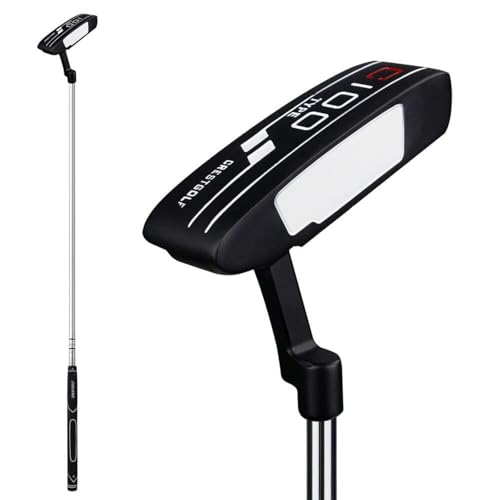
CRESTGOLF Golf Putter with Alignment Aid, 35 inch, Right Handed
£29.99 *View On Amazon* - Golf Putters
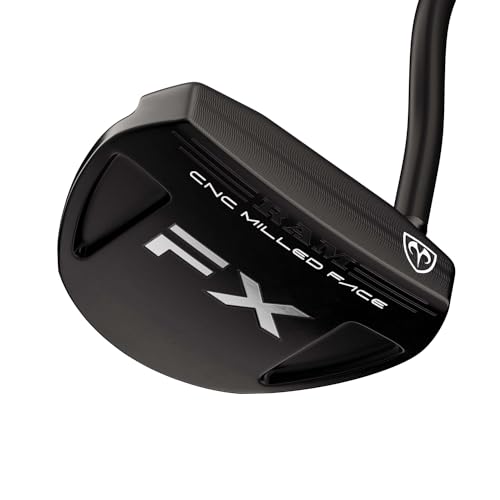
Odyssey Golf DFX Putter #7 34 inch Right Hand
Original price was: £145.91.£141.33Current price is: £141.33. *View On Amazon* - Golf Putters
Ausluofell Golf Putter with 2 Balls, Aluminium Alloy Adjustable Shaft, Right and Left Handed, for Adults
Original price was: £23.99.£15.99Current price is: £15.99. *View On Amazon* - Golf Putters
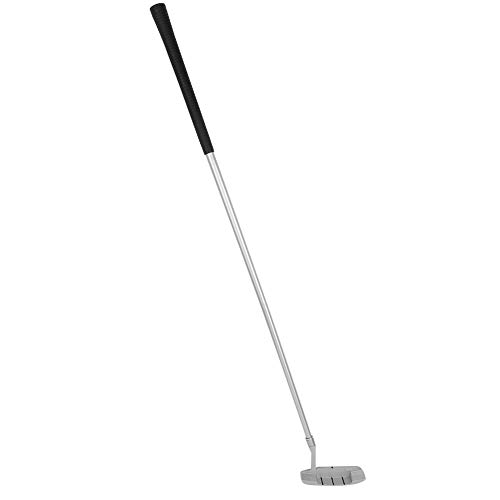
KOFULL 5 Pack Two way Golf Putters Adjustable Length Golf Clubs Set
£79.99 *View On Amazon* - Golf Putters
Bybomya CNC Golf Putter for Right Hand Golfers
Original price was: £39.99.£35.99Current price is: £35.99. *View On Amazon*








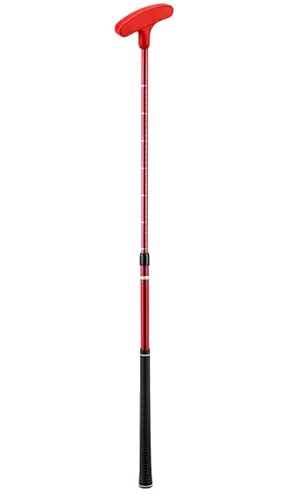


What Are Golf Putters?
A golf putter is the club used for putting, where the aim is to roll the ball smoothly towards the hole. Putters are built for control rather than distance, with flatter faces and designs that help golfers judge direction and pace.
Most golfers use a putter on the green, but it can also be useful from the fringe or closely mown areas around the green. A reliable putter can make a big difference because every hole finishes with short game control.
What Are Golf Putters Used For?
Golf putters are mainly used to roll the ball along the green and into the hole. They help golfers control distance, direction and speed on shorter shots.
A putter can also be used when the ball is just off the green and the ground between the ball and hole is smooth. In this situation, putting may feel safer than chipping because the stroke is simpler and keeps the ball closer to the ground.
How To Choose The Right Golf Putter
Start by thinking about how the putter looks and feels at address. A putter should give you confidence when you stand over the ball, because putting is as much about comfort and repeatability as it is about technical design.
Putter length is important. A putter that is too long or too short can affect posture, eye position and stroke path. Grip size also matters, as a thicker grip may feel steadier for some golfers, while a slimmer grip may give more feedback.
Head shape is another key choice. Blade putters often suit players who like a traditional look and more feel. Mallet putters can offer a larger shape, clear alignment features and a more stable look behind the ball.
Key Features To Compare
When comparing golf putters, look at head shape, length, grip style, alignment aids, face design, balance type and overall weight. These features affect how the putter feels through the stroke and how easy it is to aim.
Face balanced putters may suit golfers with a straighter putting stroke. Toe hang putters may suit golfers whose stroke naturally opens and closes more. This is not a fixed rule for every player, but it can help narrow your options.
The best putter is not always the most complicated one. It is the one that helps you aim clearly, strike the ball cleanly and judge pace with confidence.
Blade Putters, Mallet Putters And Larger Head Designs
Blade putters have a more traditional shape and are often chosen by golfers who like a clean, simple look. They can feel precise and familiar, especially for players who prefer a lighter visual profile.
Mallet putters usually have a larger head shape and may include stronger alignment features. Some golfers find them easier to aim, especially on shorter putts where confidence matters.
Larger head designs can feel more stable, while smaller heads may feel more responsive. The right choice depends on your eye, your stroke and what gives you the best sense of control.
Beginner, Regular Golfer And Experienced Player Guidance
Beginners should look for a putter that is easy to aim and comfortable to hold. Clear alignment markings and a stable head shape can help build confidence on the green.
Regular golfers may want to compare grip size, head balance and putter length to suit their stroke. If you often miss short putts, alignment and face control may be more important than style.
Experienced golfers may focus more on feel, pace control, toe hang, face material and how the putter performs on different green speeds. Small differences in balance and sound can matter when putting becomes more refined.
Golf Rules And Bag Setup
Under the Rules of Golf, a player may carry no more than 14 clubs during a round. A putter usually takes one of those spaces and is one of the most important clubs in the bag.
Most golfers carry one putter. Unlike drivers, woods or wedges, there is rarely a need to carry more than one during normal play. Choosing a putter you trust can simplify decisions on the green.
Care, Storage And Maintenance
A golf putter should be kept clean and dry, especially the face and grip. Dirt or moisture on the face can affect contact, while a worn grip can make the stroke feel less secure.
Using a putter cover can help protect the head from knocks in the bag. Store your putter carefully and avoid leaving it in damp conditions for long periods.
Useful Accessories To Consider
Useful accessories for golf putters include putter covers, golf towels, ball markers, divot tools, putting mats, golf balls and grip cleaning items. These can support practice, care and better organisation during a round.
A putting mat can be useful for home practice, especially for working on stroke path, starting direction and distance control. Ball markers and divot tools are also useful on the course, as they help you follow good green etiquette.
Why Buy Golf Putters From YPC?
At YPC, we understand active lifestyles and the need for practical products that work in real use. A putter is used on almost every hole, so it is worth comparing options carefully before choosing.
Browse the Golf Putters category at YPC to compare available options, check the details that matter to your putting stroke and choose a putter that gives you confidence on the green.
Golf Putters FAQs
What is a golf putter?
A golf putter is a club designed for rolling the ball on the green and into the hole. It is built for control, accuracy and feel rather than distance.
Most golfers use a putter on every hole, making it one of the most important clubs in the bag.
Are putters suitable for beginners?
Yes, putters are essential for beginners. A beginner should look for a putter that feels comfortable, easy to aim and steady through the stroke.
Simple alignment features and a confidence inspiring head shape can make putting feel less intimidating.
What is the difference between a blade putter and a mallet putter?
A blade putter usually has a smaller, more traditional head shape. A mallet putter usually has a larger head shape and may include more visible alignment features.
Blade putters can appeal to golfers who like a simple look, while mallet putters may suit players who want more visual help when aiming.
Which putter is easiest to use?
The easiest putter to use is the one that suits your stroke, posture and eye. Many beginners and casual golfers find mallet putters helpful because they can look stable and easy to align.
However, some golfers prefer the clean feel of a blade putter, so comfort is important.
What length putter should I choose?
Putter length should allow you to stand comfortably with your eyes, arms and hands in a natural position. A putter that is too long or too short can make it harder to aim and stroke the ball consistently.
Always check the product details and choose a length that suits your height, posture and putting style.
Does putter grip size matter?
Yes, grip size can affect feel and hand action. A thicker grip may help some golfers feel steadier, while a slimmer grip may provide more touch and feedback.
The best grip depends on what feels comfortable and helps you repeat your stroke.
What is a face balanced putter?
A face balanced putter is designed so the face tends to point upwards when balanced in a certain way. It may suit golfers with a straighter putting stroke.
It is not automatically right for everyone, so it should be compared with the way you naturally putt.
What does toe hang mean on a putter?
Toe hang describes how the toe of the putter points down when the club is balanced. Putters with toe hang may suit golfers whose stroke naturally opens and closes during the movement.
It is one factor to consider alongside head shape, length, grip and feel.
Can I use a putter off the green?
Yes, a putter can be used from the fringe or closely cut grass around the green. This can be a sensible choice when the ground is smooth and there is no rough or obstacle in the way.
Putting from off the green can be easier than chipping for some golfers.
Do expensive putters make putting easier?
A higher priced putter does not automatically make putting easier. Fit, feel, aim and confidence matter more than price alone.
Choose a putter that suits your stroke and helps you control pace and direction.
How many putters can I carry in my golf bag?
Golfers may carry up to 14 clubs in total during a round. You can carry more than one putter if you want, but most golfers carry just one.
It is usually better to choose one putter you trust and practise with it regularly.
What should I check before buying a golf putter?
Check the head shape, length, grip style, hand orientation, alignment features, balance type and overall feel. These details can affect how comfortable the putter feels and how well it suits your stroke.
Also think about whether you prefer a simple traditional look or a larger alignment focused design.
How do I care for a golf putter?
Keep the putter face clean, wipe it dry after use and protect the head with a cover where possible. This helps reduce marks and keeps the club ready for play.
Check the grip regularly, as a worn or slippery grip can affect control.
Are putting mats useful for practice?
Yes, putting mats can be useful for practising at home. They can help with starting direction, stroke rhythm and short putt confidence.
They cannot fully replace real greens, but they can support regular practice.
What accessories are useful with a putter?
Useful accessories include a putter cover, golf towel, ball marker, divot tool, putting mat and golf balls. These can help with care, practice and good green habits.
A clean ball and clean putter face can also make putting feel more consistent.
Should I choose a putter based on looks or feel?
Both matter. A putter should look right behind the ball and feel comfortable during the stroke.
If you do not like how a putter looks or feels, it may be harder to trust it under pressure.
 Getting ready for Summer? View our Home and Garden Products

Heading outdoors this winter? Take a look at our Outdoor Clothing.