
Tennis Grips and Overgrips
Tennis racket dampeners are small accessories fitted to the strings of a tennis racket to change the sound and feel of ball contact. They are useful for players who prefer a softer, less lively string sound during practice, coaching sessions or match play.
At YPC, you can browse tennis racket dampeners for beginners, regular players and more experienced tennis users who want a simple way to personalise their racket setup. This category helps you compare shape, fit, material, ease of use and compatibility before choosing.
- Tennis Grips and Overgrips
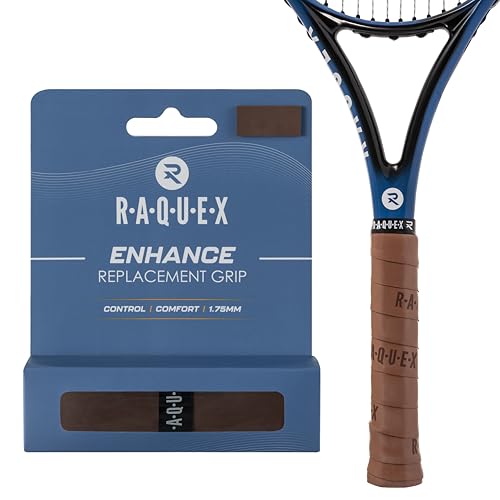
Wilson Dual Performance Grip Tape, Green, One Grip Tape
£9.83 *View On Amazon* - Tennis Grips and Overgrips
Tecnifibre Players Pro Feel Tennis Grip White 3 Pack
£6.95 *View On Amazon* - Tennis Grips and Overgrips
HEAD Prime Tour Overgrip 12 Pack Pink
Original price was: £17.99.£16.99Current price is: £16.99. *View On Amazon* - Tennis Grips and Overgrips
Tourna Mega Tac Extra Tacky Overgrip Black 10-Pack
Original price was: £23.74.£22.34Current price is: £22.34. *View On Amazon* - Tennis Grips and Overgrips
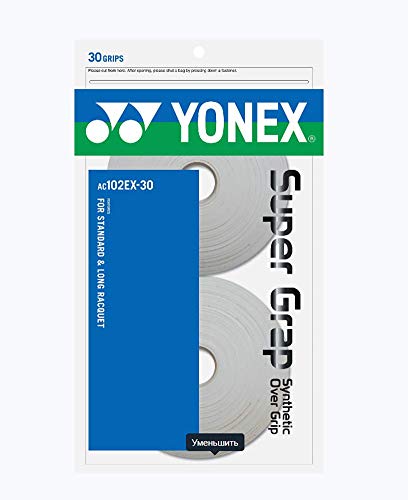
YONEX Super Grap Overgrip 3 Pack – White
Original price was: £10.84.£10.33Current price is: £10.33. *View On Amazon* - Tennis Grips and Overgrips
Mantis Unique Tourna Racket Grip Roll, Blue, 3 X XL Grips, K-REY-TSG035
£10.70 *View On Amazon* - Tennis Grips and Overgrips
10m Towelling Hockey Tape Racket Grip Finishing Tape
£14.99 *View On Amazon* - Tennis Grips and Overgrips
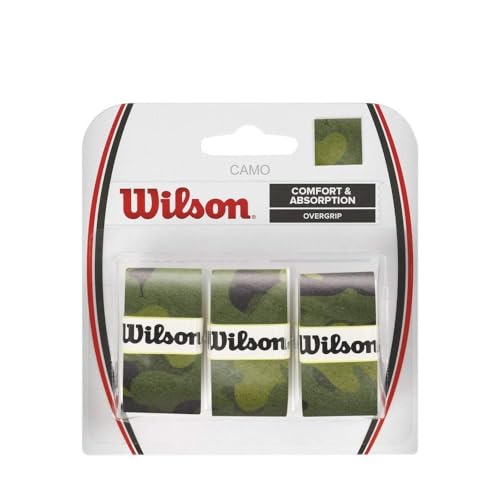
Wilson Camo Overgrip Set, 3 Refills, Green, WRZ470850
£9.74 *View On Amazon* - Tennis Grips and Overgrips
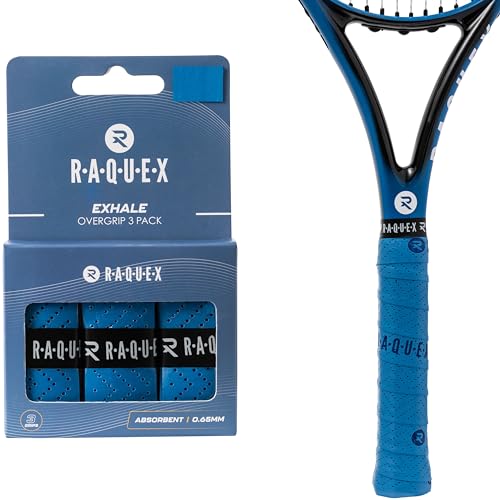
Raquex Exhale Racket Overgrip Tape 3 Pack, Perforated, Absorbent
£4.99 *View On Amazon* - Tennis Grips and Overgrips
YONEX Super Grap Overgrip Pack of 12 (White)
Original price was: £28.28.£24.56Current price is: £24.56. *View On Amazon* - Tennis Grips and Overgrips
Tenletic GlowTack Racket Overgrip Tape 4-Pack, 0.60 mm, Neon Green, Vivid Orange, Hot Pink and Bright Yellow
£8.99 *View On Amazon* - Tennis Grips and Overgrips
Senston 3pcs Racket Grip Tapes Twinkling Stars Overgrips
£5.99 *View On Amazon*








What Are Tennis Racket Dampeners?
Tennis racket dampeners are small inserts or strips placed between the strings of a tennis racket. They are designed to reduce string vibration after impact and can make the racket feel quieter when the ball hits the strings.
They are sometimes called vibration dampeners, string dampeners or racket dampers. Depending on the product, they may come as a small button style dampener, a longer strip style dampener or a shaped design for visual preference.
A dampener does not change the whole racket into a different model. It is a small accessory that alters part of the feel and sound of the string bed.
What Are Tennis Racket Dampeners Used For?
Tennis racket dampeners are mainly used to soften the pinging sound that some players notice when they strike the ball. Many players also like the slightly muted feel they can create at impact.
They are useful for practice, coaching, club sessions, casual rallies and match style play where suitable. Some players use them all the time, while others prefer the natural feel of the strings without one.
They can also help players personalise their racket with a colour, shape or design they like, depending on the product.
How To Choose The Right Tennis Racket Dampener
Start by thinking about the feel you prefer. A small button style dampener can be simple, light and easy to fit. A longer strip style dampener may create a more muted feel across more strings, depending on the design and racket setup.
Compatibility is important. Most dampeners are intended for standard tennis rackets, but string pattern, spacing and tension can affect how securely they sit. Always check the product listing and fitting guidance where available.
Also consider how easy the dampener is to fit and remove. If you restring your racket often, swap rackets regularly or like to adjust your setup, a simple design may be more convenient.
Key Features To Compare
When comparing tennis racket dampeners, look at size, shape, material, fit, grip between the strings, pack quantity and design.
A compact dampener may feel less noticeable and can suit players who want a small change. A longer dampener may feel more secure to some players and can create a more muted string response where suitable.
Material can affect feel and flexibility. Softer rubber like materials may create a different response from firmer options, depending on the product. Always check the listing details because dampener designs can vary.
Button Dampeners Compared With Strip Dampeners
Button dampeners are small and usually sit between a small number of strings. They are popular because they are simple, neat and easy to use.
Strip dampeners are longer and usually run across more strings. Some players like them because they can feel more secure and may create a more muted response.
The trade off is feel and preference. A button dampener may be enough for players who only want to reduce string sound, while a strip dampener may suit players who prefer a more noticeable dampened feel.
Dampeners Compared With Grips And Strings
Tennis racket dampeners affect the sound and vibration of the strings after ball contact. They do not replace the role of strings, grips or racket choice.
Strings have a bigger effect on power, control, spin and comfort than a dampener. Grips and overgrips affect how the racket feels in your hand. The racket frame itself also plays a major role in overall feel.
A dampener is best seen as a small adjustment rather than a complete solution. If your racket feels uncomfortable, a suitable grip, string choice or racket setup may also need to be considered.
Beginner, Regular Player And Experienced Player Guidance
Beginners may find a tennis racket dampener useful if they dislike the sharp string sound when hitting the ball. A simple button style dampener can be an easy place to start.
Regular players may want to compare different shapes and styles to find the feel they prefer. If you play weekly, small differences in sound and impact feel can become more noticeable.
Experienced players may already know whether they prefer a dampened or undampened racket. They may compare dampener stability, weight, placement and how the accessory works with their string pattern and playing style.
Use Cases By Player Type And Activity
For casual players, a racket dampener can make the racket sound less sharp and feel more familiar during relaxed rallies.
For coaching sessions, dampeners can be useful for players who want consistent racket feel while practising strokes, serves and returns.
For club players, a dampener may be part of a regular racket setup alongside preferred strings, grips and overgrips.
For juniors, a dampener may make the racket feel more comfortable and enjoyable, but it should still be fitted securely and checked regularly by an adult where needed.
Fit, Placement And Compatibility
A tennis racket dampener should sit securely between the strings and should not move around during play. If it keeps falling out, it may not suit the string pattern or it may not be fitted correctly.
Dampeners are usually fitted outside the main crossed hitting area of the strings, commonly near the lower part of the string bed. If you play in organised competitions, check the relevant rules and product fitting guidance where necessary.
Not every dampener will suit every racket or string layout perfectly. Check the listing carefully and choose a design that looks suitable for your racket setup.
Comfort, Feel And Sound
The main reason players use tennis racket dampeners is feel. Some players enjoy a quieter, more muted sound at impact, while others prefer the natural feedback of the strings.
A dampener may reduce string buzz or ping, but it should not be relied on to solve pain, injury or poor technique. If you have discomfort when playing, consider your racket setup, strings, grip size, coaching technique and professional advice where appropriate.
The best choice is personal. If the racket feels better and does not interfere with play, a dampener can be a useful addition.
Safety And Practical Play Considerations
A tennis racket dampener should be secure before play starts. A loose dampener may fall out during a rally, which can be distracting and may stop play.
Check the dampener before serving, especially if it has been moved, cleaned or fitted to a different racket. If it is damaged, stretched or no longer grips the strings properly, it may need replacing.
Avoid forcing a dampener into a string pattern that does not suit it. This may make it more likely to slip out or sit awkwardly on the strings.
Care, Maintenance And Storage
Tennis racket dampeners need very little maintenance, but they should be kept clean and checked regularly. Wipe away dirt or court dust when needed.
If you remove the dampener for restringing or cleaning, store it somewhere safe so it does not get lost in a tennis bag. Small dampeners can be easy to misplace.
If the dampener becomes cracked, loose, misshapen or difficult to secure, consider replacing it. A good fit is important for practical use.
Useful Accessories To Consider
Tennis racket dampeners work well with other racket accessories. Overgrips, replacement grips, tennis balls and racket bags can all help improve comfort and organisation.
If you are adjusting racket feel, you may also want to compare strings and grips where suitable. These usually have a larger effect on comfort and control than a dampener alone.
For regular players, keeping spare dampeners in a tennis bag can be useful in case one falls out during play or gets lost after restringing.
Why Buy From YPC?
At YPC, we understand active lifestyles and the need for practical products that work in real use. Tennis racket dampeners should be easy to fit, suitable for your racket and matched to the sound and feel you prefer on court.
This category helps you compare shape, fit, material, style, pack options and compatibility without making a simple accessory feel complicated. Browse the tennis racket dampeners at YPC, compare the available options and choose the dampener that suits your racket setup and playing routine.
FAQs
What does a tennis racket dampener do?
A tennis racket dampener helps reduce string vibration and can soften the sound of the ball hitting the strings. Many players use one because they prefer the quieter, more muted feel.
Do tennis racket dampeners improve performance?
A dampener mainly changes sound and feel. It should not be expected to add power, control or spin by itself. Strings, racket choice, technique and grip setup usually have a bigger effect on performance.
Where do you put a tennis racket dampener?
A dampener is usually fitted between the strings near the lower part of the string bed, outside the main crossed hitting area. Check the product instructions and any competition rules where relevant.
Do all tennis rackets fit dampeners?
Many standard tennis rackets can use dampeners, but fit can vary depending on string pattern, spacing and dampener design. Check the product listing and make sure it sits securely before play.
Are button dampeners or strip dampeners better?
Neither is better for everyone. Button dampeners are small and simple, while strip dampeners may create a more muted feel across more strings. The right choice depends on personal preference.
Can a dampener stop tennis elbow?
A dampener should not be relied on to prevent or treat tennis elbow. It can change string sound and feel, but discomfort may relate to technique, strings, grip size, racket choice or other factors.
Why does my racket dampener keep falling out?
It may not fit your string pattern securely, it may be fitted incorrectly or it may be worn. Try checking the placement, product guidance and whether the dampener still grips the strings properly.
Do professional players use racket dampeners?
Some experienced and professional players use dampeners, while others do not. It is a personal preference based on feel, sound and racket setup.
 Getting ready for Summer? View our Home and Garden Products

Heading outdoors this winter? Take a look at our Outdoor Clothing.