
Tennis Racket Stringing Machines
Tennis racket stringing machines are specialist tools used to fit, tension and secure strings in tennis rackets. They are useful for regular players, coaches, clubs, families, technicians and experienced racket sport users who want more control over string choice, restringing timing and racket maintenance.
A good stringing machine should feel stable, practical and suitable for the level of use expected. When comparing options, look at the tension system, mounting support, clamp style, table or stand design, ease of use, portability, compatibility and any included accessories where listed.
- Tennis Racket Stringing Machines
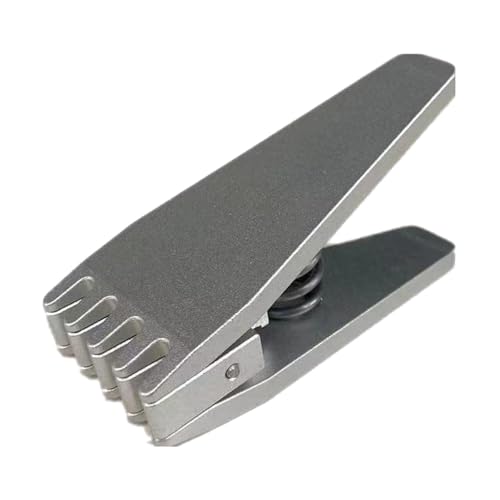
Badminton String Clamp 5 Prong Flying Clamp
£10.89 *View On Amazon* - Tennis Racket Stringing Machines
Racket Stringing Tools Adjustable Load Spreader Pressure Reducer and Stringing Protector
£5.49 *View On Amazon* - Tennis Racket Stringing Machines
Alomejor Silicone Handle Steel Awl Racket Stringing Tool
£6.78 *View On Amazon* - Tennis Racket Stringing Machines
plplaaoo Stringing Straight Awl for Racket Stringing Machines, Green Handle, 13.7 cm
£5.24 *View On Amazon* - Tennis Racket Stringing Machines
TTTLLNN 2PCS Badminton Stringing Racquet Load Spreader Multicolor Stringing Machine Tool
£5.29 *View On Amazon* - Tennis Racket Stringing Machines
PURPLELILY Badminton Racket Stringing Load Spreader Adapter Protector
£8.49 *View On Amazon* - Tennis Racket Stringing Machines
PATIKIL Badminton Stringing Racquet Load Spreader, 2 Pack, Red
£9.99 *View On Amazon* - Tennis Racket Stringing Machines
Marran Tennis and Badminton Racket Stringing Tool and Repair Tool
£5.40 *View On Amazon* - Tennis Racket Stringing Machines
M METERXITY 2 Pack Badminton Stringing Racquet Load Spreader Blue/White
£8.49 *View On Amazon* - Tennis Racket Stringing Machines
M METERXITY 2 Pack Badminton Racket Stringing Awl, Yellow
£7.89 *View On Amazon* - Tennis Racket Stringing Machines
PATIKIL Badminton Racket Stringing Awl 3 Pack, Rose Red
£5.49 *View On Amazon* - Tennis Racket Stringing Machines
PATIKIL Badminton Racket Stringing Awl 5 Pack, Rose Red
£6.79 *View On Amazon* - Tennis Racket Stringing Machines
Oldmoom Badminton Stringing Clamp | Sports Starting Clamp
*View On Amazon* - Tennis Racket Stringing Machines
Baoblaze Badminton Racket Frame Threading Machine with Wrench
*View On Amazon* - Tennis Racket Stringing Machines
PATIKIL Badminton Racket Stringing Awl, 2 Pack, Green
£6.39 *View On Amazon* - Tennis Racket Stringing Machines
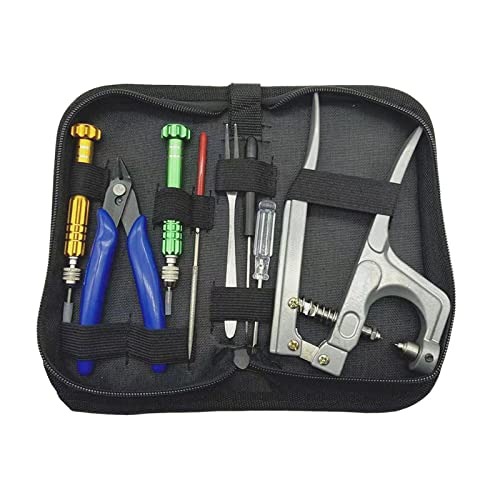
HpLive Badminton, Tennis and Squash Racket String Set with Pliers, Clamp, Awl, Metal Handle and Storage Bag
£45.72 *View On Amazon* - Tennis Racket Stringing Machines
Sharplace High Pounds Load Spreader Stringing Tool, Black, 3.5cm
£8.39 *View On Amazon* - Tennis Racket Stringing Machines
M METERXITY 3 Pack Badminton Racket Stringing Awl, Rose Red
£6.99 *View On Amazon* - Tennis Racket Stringing Machines
JISADER Badminton Stringing Pinmp Flying Clamp
£17.29 *View On Amazon* - Tennis Racket Stringing Machines
M METERXITY 2 Pack Badminton Stringing Racquet Load Spreader, White
£9.89 *View On Amazon* - Tennis Racket Stringing Machines
LOORGVEL 2pcs Stringing Machine Hook Tool for Tennis and Badminton Rackets
£8.49 *View On Amazon* - Tennis Racket Stringing Machines
Tiiyee Tennis Racket Stringing Tool, Racquet Awl Straight Badminton and Squash Stringing Aid with Cutter
Original price was: £10.89.£8.99Current price is: £8.99. *View On Amazon* - Tennis Racket Stringing Machines
Tennis Racket Repair Tool with Wooden Handle
£6.49 *View On Amazon* - Tennis Racket Stringing Machines
Tennis Racquet Stringing Machine Grommets Pliers Badminton Racket Pliers
£24.57 *View On Amazon*


is racket stringing machines are specialist tools used to fit, tension and secure strings in tennis rackets. They are useful for regular players, coaches, clubs, families, technicians and experienced racket sport users who want more control over string choice, restringing timing and racket maintenance.
A good stringing machine should feel stable, practical and suitable for the level of use expected. When comparing options, look at the tension system, mounting support, clamp style, table or stand design, ease of use, portability, compatibility and any included accessories where listed.
What Are Tennis Racket Stringing Machines
Tennis racket stringing machines are tools designed to hold a racket frame securely while new strings are installed and tensioned. They help the user pull each string to the chosen tension and clamp it in place before tying off the finished string bed.
Depending on the product, a stringing machine may use a manual, drop weight, crank or electronic tension system where listed. It may also include fixed clamps, flying clamps, frame supports, a turntable, tool tray, stand or tabletop design depending on the model.
These machines are not ordinary workshop tools. They are made for careful racket work, where frame support, string tension and controlled handling all matter.
What Tennis Racket Stringing Machines Are Used For
Tennis racket stringing machines are used to restring tennis rackets when strings break, lose feel or no longer suit the player’s needs. They can also be used to experiment with different string types and tension preferences where the user has the knowledge to do so safely.
Regular players may use a machine to avoid waiting for restringing services. Coaches and clubs may use one to maintain several rackets across a season. Families with multiple tennis players may also find a machine useful if rackets need attention often.
Some machines may also be suitable for other racket sports where compatible, such as badminton or squash, but this must be checked in the product details before purchase.
How To Choose The Right Tennis Racket Stringing Machine
Start with how often the machine will be used. Occasional home users may prefer a simpler tabletop model that is easier to store. Regular users, coaches or club settings may want a more stable machine with stronger support and easier repeated operation.
Next, compare the tension system. Manual machines can be practical and more straightforward once the user understands the process. Electronic systems, where listed, may offer extra convenience, but they can also require more care, power access and a higher level of setup understanding.
Mounting support is another key factor. The machine needs to hold the racket frame securely without damaging it. Check how the frame is supported and whether the machine is suitable for the racket types you plan to string.
Also consider workspace. Stringing takes time, patience and room to move around the racket. A compact machine may suit home storage, while a larger stand mounted machine may suit a dedicated workshop or club space.
Key Features To Compare
The tensioning system is one of the most important features. Different systems may suit different experience levels and usage needs, so check the listing carefully.
Clamp style affects how strings are held during the process. Fixed clamps may offer a more integrated setup, while flying clamps may be simpler on some machines. The better choice depends on the model and user preference.
Mounting points help support the racket frame. More supportive mounting systems may feel more secure, but the exact design varies by product.
Turntable movement can affect ease of stringing. A smooth turntable can make the process more comfortable, especially when working around the racket head.
Portability may matter for home users, coaches and mobile stringers. Tabletop machines can be easier to move, while larger machines may feel more settled in a fixed location.
Included tools and accessories are worth checking where listed. Some machines may include basic tools, while others may require separate purchases.
Tennis Racket Stringing Machines Compared With Restringing Services
Using a tennis racket stringing machine gives the owner more control over timing, string choice and setup. This can be useful for regular players who break strings often or like to adjust their racket feel.
A restringing service may be simpler for occasional players because it does not require learning the process, buying tools or setting aside workspace. The trade off is less direct control and a reliance on someone else’s availability.
For beginners, a professional restringing service can be a useful starting point while learning about string types and tension. A machine becomes more appealing when restringing is needed often enough to justify the time, space and learning involved.
Tabletop Machines Compared With Stand Machines
Tabletop stringing machines can be practical for home users because they usually take up less room and can be stored away more easily. They may suit occasional use or players with limited space.
Stand machines are often chosen for more regular stringing because they can provide a dedicated working height and a more permanent setup, depending on the model. They may be better for clubs, coaches or frequent users where space allows.
The trade off is portability versus working comfort. A compact machine can be easier to store, while a larger setup may feel more convenient during repeated stringing sessions.
Guidance For Beginner, Regular And Experienced Users
Beginners should focus on ease of setup, clear product information and a machine that suits careful learning. Stringing a racket requires patience and attention, so a simple, stable machine is usually a sensible starting point.
Regular players may want to compare clamp quality, mounting support, machine stability and how easy the tension system is to repeat consistently. If several rackets are strung each month, small usability details can matter.
Experienced stringers may look more closely at tension accuracy features where listed, turntable feel, clamp adjustment, frame support, calibration requirements and compatibility with different racket styles.
Coaches and clubs may need a machine that suits repeated use, different users and a range of racket types. Organisation, tool access and maintenance can be just as important as the tensioning method.
Use Cases By Player And Setting
Home players may want a compact machine for personal racket care. Storage space, learning time and ease of use are important considerations.
Competitive players may prefer a machine that allows them to manage string choice and restringing timing more closely. They should still take time to learn proper technique before working on important rackets.
Tennis coaches may need a practical machine for maintaining their own rackets or supporting regular coaching equipment where suitable.
Clubs may compare more durable and comfortable setups for repeated use. In this setting, clear handling, safe storage and shared responsibility for maintenance become important.
Families with several players may find a machine useful if rackets are restrung often. It can help keep kit organised, especially during busy playing seasons.
Compatibility With Rackets And Strings
Compatibility is essential. Check whether the machine is suitable for tennis rackets and whether it can support any other racket types you intend to use where compatible.
Racket head shape, frame design and string pattern can affect how a racket is mounted and strung. Always follow the racket manufacturer’s guidance and the stringing machine instructions.
String compatibility should also be considered. Different string types may behave differently during installation, including synthetic gut, multifilament, polyester or natural gut where suitable. The machine should be used carefully according to the string and racket requirements.
Safety And Responsible Use
Stringing involves tensioned strings, tools, clamps and careful frame handling. Users should work slowly, follow the machine instructions and avoid forcing parts into position.
A racket frame must be mounted securely before tension is applied. Poor mounting, incorrect technique or rushing can risk damaging the racket or creating an unsafe working process.
Use suitable tools and keep fingers clear of tensioning and clamping areas. If a user is unsure how to string a racket correctly, they should learn from reliable instruction before using the machine on valuable equipment.
Care, Maintenance And Storage
Always follow the care and maintenance guidance supplied with the machine. Keeping the machine clean and dry can help it remain pleasant to use and easier to operate.
Clamps, tracks and moving areas may need cleaning or adjustment where recommended by the manufacturer. Electronic models, where listed, may also have specific care and storage needs.
Store the machine in a safe place where it will not be knocked, exposed to damp or used as a general work surface. Keep small tools, clamps and accessories together so the machine is ready for the next restring.
Useful Accessories To Consider
Useful accessories may include tennis strings, starting clamps, string cutters, pliers, awls, replacement grips, overgrips, vibration dampeners and racket bags.
For regular stringing, a clean work surface, good lighting and organised tool storage can make the process easier. Some users may also want spare grommet strips, grip finishing tape or measuring tools where compatible and where listed.
If buying a stringing machine as a gift, consider whether the recipient also needs strings and basic stringing tools to get started.
Why Buy From YPC
At YPC, we understand active lifestyles and the need for practical products that work in real use. Tennis racket stringing machines should be easy to compare by tension system, mounting support, clamp style, workspace needs, compatibility and user experience level.
This category is designed to help buyers choose a machine that suits home restringing, coaching, club use or more regular racket maintenance. Browse the tennis racket stringing machines at YPC and compare the available options to find a practical setup for your tennis equipment.
FAQs
What is a tennis racket stringing machine?
A tennis racket stringing machine is a tool used to hold a racket frame while new strings are installed, tensioned and tied off. It helps the user restring a racket in a controlled and organised way.
Who should buy a tennis racket stringing machine?
A stringing machine may suit regular tennis players, coaches, clubs, families with several players or anyone who restrings rackets often enough to justify the time, space and learning involved.
Are tennis racket stringing machines easy to use?
They require learning and patience. Some machines may be simpler than others, but all stringing machines should be used carefully with the correct instructions and suitable stringing technique.
What is the difference between manual and electronic stringing machines?
Manual machines use a non electronic tensioning method, while electronic machines use powered tension control where listed. Manual models may be simpler, while electronic models may offer extra convenience depending on the product.
Can I string badminton or squash rackets on a tennis stringing machine?
Only where the machine is compatible. Some machines may support other racket types, but this should never be assumed. Check the product details before buying for badminton, squash or other racket sports.
Do stringing machines come with tools?
Some stringing machines may include tools or accessories, while others may not. Check the listing carefully to see what is included and what may need to be bought separately.
How much space do I need for a stringing machine?
This depends on the machine. Tabletop models may need a stable work surface, while stand models need floor space and room to move around the racket. Check the product dimensions where listed.
How do I maintain a tennis racket stringing machine?
Follow the manufacturer’s care guidance. Keep the machine clean and dry, check clamps and moving parts where recommended, store tools safely and avoid exposing the machine to damp or rough handling.
 Getting ready for Summer? View our Home and Garden Products

Heading outdoors this winter? Take a look at our Outdoor Clothing.