
Men's Tennis Shoes
Men’s tennis shoes are designed to support the movement patterns used in tennis, including running, stopping, turning, serving and moving side to side across the court. They are used for lessons, club matches, coaching sessions, social tennis and regular practice, with different styles available depending on court surface, fit and the features listed.
The right tennis shoes should feel secure, comfortable and suitable for the surface you play on most often. Choosing carefully matters because tennis places different demands on footwear compared with general gym shoes or running trainers.
- Men's Tennis Shoes
Babolat Men’s Propulse Storm All Court Tennis Shoes Black/Blue UK 9
£88.99 *View On Amazon* - Men's Tennis Shoes
ASICS Gel-Dedicate 9 Tennis Shoe
Original price was: £75.00.£63.89Current price is: £63.89. *View On Amazon* - Men's Tennis Shoes
ASICS Gel-Rocket 12 Indoor Court Shoe
Original price was: £75.00.£63.00Current price is: £63.00. *View On Amazon* - Men's Tennis Shoes
ASICS Court Slide 4 Tennis Shoe
Original price was: £65.00.£48.67Current price is: £48.67. *View On Amazon* - Men's Tennis Shoes
ALLSWIFIT Men’s Slip-On Wide Toe Box Walking Shoes, All Black, Size 11
Original price was: £42.99.£36.53Current price is: £36.53. *View On Amazon* - Men's Tennis Shoes
SURFING TREE Men’s Beige Walking Trainers, Size 12
Original price was: £26.99.£22.93Current price is: £22.93. *View On Amazon* - Men's Tennis Shoes
NORTIV 8 Men’s Waterproof Hiking Shoes, Size 11, Army Green
£51.99 *View On Amazon* - Men's Tennis Shoes
HEAD Revolt Court 5.0 Men WHBB Court Shoes
Original price was: £70.00.£63.99Current price is: £63.99. *View On Amazon* - Men's Tennis Shoes
ASICS Gel-Dedicate 9 Tennis Shoe
Original price was: £70.19.£56.12Current price is: £56.12. *View On Amazon* - Men's Tennis Shoes
VTASQ Men’s Blue Trainers, UK 7
Original price was: £14.99.£9.99Current price is: £9.99. *View On Amazon* - Men's Tennis Shoes
ALLSWIFIT Men’s Road Running Shoes, All Black, UK 10
Original price was: £42.99.£36.54Current price is: £36.54. *View On Amazon* - Men's Tennis Shoes
K-Swiss Mens Court Express 2 Tennis Shoe, White Dazzling Blue, 8.5 UK
Original price was: £65.05.£57.30Current price is: £57.30. *View On Amazon* - Men's Tennis Shoes
K-Swiss Mens Ultra Court Padel Tennis Shoe, Black, 8.5 UK
Original price was: £88.61.£82.53Current price is: £82.53. *View On Amazon* - Men's Tennis Shoes
K-Swiss Hypercourt Express 3 Clay Men’s Tennis Shoes
Original price was: £125.00.£91.78Current price is: £91.78. *View On Amazon* - Men's Tennis Shoes
K-Swiss Men’s Court Express 2 Clay Tennis Shoes, Egret/Turbulence, 10.5 UK
£70.99 *View On Amazon* - Men's Tennis Shoes
Grey Slip-On Walking and Running Trainers for Men
Original price was: £26.99.£19.99Current price is: £19.99. *View On Amazon* - Men's Tennis Shoes
Raoendis Mens Trainers Navy Blue Size 14.5
Original price was: £22.69.£19.29Current price is: £19.29. *View On Amazon* - Men's Tennis Shoes
Lockenstab Men’s Orthopaedic Comfort Trainers, Waterproof, Black, EU 45
£14.50 *View On Amazon*


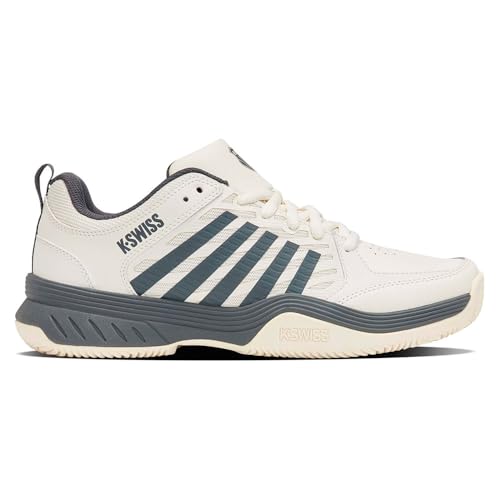


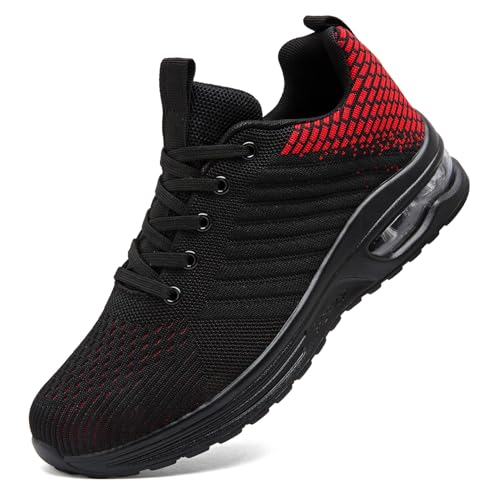
What Are Men’s Tennis Shoes?
Men’s tennis shoes are sports shoes made for playing tennis. They are usually designed with court movement in mind, helping players move forwards, backwards and sideways while maintaining a stable feel underfoot.
Depending on the product, tennis shoes may include supportive uppers, cushioned midsoles, durable toe areas, shaped outsoles, padded collars, breathable panels or court specific sole patterns where listed. The exact features vary, so it is important to compare each product before buying.
What Are Men’s Tennis Shoes Used For?
Men’s tennis shoes are used for playing tennis on suitable court surfaces, including indoor courts, outdoor hard courts, clay courts, artificial grass or other tennis surfaces where compatible. They are worn during training, match play, coaching, drills and casual games.
They help players move more comfortably during repeated rallies, quick changes of direction and serving motions. They can also be useful for other racket sports where suitable, but always check the product details and venue requirements before using them outside tennis.
How To Choose The Right Men’s Tennis Shoes
Start with the court surface you use most often. Hard court tennis shoes may focus on durability and grip for firmer surfaces, while clay court shoes may have a different outsole pattern where listed. Some shoes may be described as suitable for multiple court types, but always check the product information carefully.
Fit is just as important as surface type. Tennis shoes should feel secure around the heel and midfoot without crushing the toes. There should be enough room for natural movement, but not so much space that the foot slides inside the shoe.
Think about how often you play. Occasional players may want comfort and simple practicality. Regular club players may compare cushioning, outsole durability and support more closely. Experienced players may prefer a shoe that matches their movement style, court surface and preferred feel underfoot.
Key Features To Compare
When comparing men’s tennis shoes, look at court compatibility, outsole pattern, cushioning, support, upper material, breathability, weight and fastening. These features affect how the shoe feels during movement and how suitable it is for regular play.
Outsole design matters because tennis courts can vary. Some soles are made for grip on specific surfaces, while others may offer broader court use where listed. Wearing the wrong sole type may feel less secure or may not be allowed by some venues.
Cushioning affects comfort during repeated stops, starts and landings. More cushioning may feel comfortable for some players, while others prefer a closer court feel. Neither option is automatically better. It depends on the player, shoe design and playing style.
Upper support is also worth checking. Tennis involves lateral movement, so a shoe should feel stable without being stiff or uncomfortable. Breathability can be useful during warm sessions, while durable areas may matter for players who drag their toes or play frequently.
Men’s Tennis Shoes Compared With Running Shoes And Trainers
Tennis shoes are different from running shoes because tennis involves quick side to side movement, sudden stops and changes of direction. Running shoes are usually made mainly for forward motion, so they may not offer the same court focused feel.
General trainers may be fine for casual wear or light exercise, but they may not be suitable for regular tennis. They may lack the grip pattern, support or court compatibility needed for safe and practical play.
Tennis shoes are also different from fashion trainers. A shoe may look sporty, but that does not mean it is designed for court movement. If you play regularly, a proper tennis shoe is usually the more sensible choice.
Guidance For Beginner Regular And Experienced Players
Beginner players should choose men’s tennis shoes that are comfortable, secure and suitable for the court surface. You do not need the most technical option when starting out, but you should avoid footwear that feels loose, slippery or unsupportive.
Regular players should think more carefully about durability, cushioning and how the shoes feel during longer sessions. If you play every week, small comfort issues can become more noticeable over time.
Experienced players may want shoes that match their playing style. Some players prefer a stable and supportive feel, while others prioritise lighter movement or a closer connection to the court. The right choice depends on personal preference and the product features listed.
Use Cases By Player Type And Activity
For casual players, comfort and correct court suitability are often the main priorities. A practical tennis shoe can make social games and occasional lessons feel more enjoyable.
For club players, fit, outsole durability and support become more important. Regular matches and training sessions can place more demand on footwear, especially on hard courts.
For coaching sessions, shoes should feel comfortable over repeated drills and movement patterns. Players who spend longer periods on court may also want to compare breathability and cushioning.
For indoor tennis, check the sole type and venue rules. Some indoor courts may require non marking soles where listed or specified by the venue.
For outdoor tennis, think about weather, surface condition and grip. Shoes should be suitable for the type of court you actually play on, not just the sport in general.
Fit Compatibility And Comfort
Men’s tennis shoes should fit securely at the heel, feel stable through the midfoot and allow enough room at the toes. If the foot moves around inside the shoe, control and comfort can suffer. If the shoe is too tight, it may become uncomfortable during longer play.
Check the size guide where available, especially if switching between brands. Some tennis shoes may feel narrower, wider, firmer or more cushioned depending on the design.
Compatibility also includes socks, insoles and playing surface. A thicker tennis sock may change the fit, while an insole may affect shoe volume. If you use orthotics or specialist insoles, check suitability carefully before buying.
Safety Care Maintenance And Storage
Wearing suitable tennis shoes can support more confident movement on court, but footwear should always match the surface and venue rules. Avoid using worn out shoes if the outsole has lost grip or the upper no longer feels supportive.
After play, remove loose dirt or court debris from the soles and uppers. Let shoes dry naturally in a well ventilated space. Avoid placing them directly against heat unless the care instructions say this is suitable.
Store tennis shoes clean and dry, away from damp towels or clothing. Keeping them in a tennis bag or shoe compartment can help keep the rest of your kit cleaner, especially after outdoor sessions.
Useful Accessories To Consider
Useful accessories can include tennis socks, tennis shorts, tennis tops, wristbands, caps, grips, overgrips, tennis balls, water bottles and tennis bags. A spare pair of socks can also be useful for long sessions, tournaments or warm weather play.
For regular players, keeping a simple tennis kit setup with shoes, socks, towel, spare grip and drink bottle can make training and match days easier to manage.
Why Buy Men’s Tennis Shoes From YPC?
At YPC, we understand active lifestyles and the need for practical products that work in real use. Men’s tennis shoes can vary by court suitability, fit, support, cushioning, sole pattern and overall feel, so comparing the details helps you choose more confidently.
YPC helps you browse tennis footwear with real court use in mind, whether you are buying for lessons, club matches, social tennis, coaching or regular practice. Explore the Men’s Tennis Shoes category to browse the available options and compare the features that matter most for comfort, grip and court movement.
FAQs
What should I look for in men’s tennis shoes?
Look for the correct court suitability, a secure fit, comfortable cushioning, good support and an outsole pattern suited to where you play. Check the product details carefully before buying.
Can I wear running shoes for tennis?
Running shoes are usually designed mainly for forward movement, while tennis involves side to side movement, stopping and turning. For regular tennis, proper tennis shoes are usually the more practical choice.
Do tennis shoes need to match the court surface?
Yes, court surface matters. Hard courts, clay courts, indoor courts and artificial surfaces may need different outsole designs where listed. Always check product information and venue rules.
Should men’s tennis shoes be tight?
They should feel secure, but not painfully tight. Your heel should feel stable, the midfoot should feel supported and your toes should have enough room for comfort during movement.
Are tennis shoes suitable for the gym?
Some tennis shoes may be suitable for general training where appropriate, but they are designed mainly for court movement. If you need footwear for gym work, check the product details and intended use.
How often should I replace tennis shoes?
Replace tennis shoes when the outsole is worn, grip feels reduced, cushioning feels flat or the upper no longer supports the foot comfortably. Regular players may need to replace shoes more often than occasional players.
What socks should I wear with men’s tennis shoes?
Tennis socks or comfortable sports socks can work well, depending on fit and preference. Make sure the socks do not bunch inside the shoe and that the overall fit still feels secure.
How do I clean men’s tennis shoes?
Remove loose dirt after play, wipe the uppers where suitable and let the shoes dry naturally. Follow the care instructions listed for the product and avoid direct heat unless the guidance allows it.
 Getting ready for Summer? View our Home and Garden Products

Heading outdoors this winter? Take a look at our Outdoor Clothing.