
Sony Camera Lenses
Sony camera lenses are designed for Sony camera users who want sharper images, better reach, stronger low light performance or more creative control. This category is ideal if you are looking for a Sony compatible lens for portraits, landscapes, wildlife, sport, travel, video, vlogging or everyday photography.
The most important thing to check is compatibility. Sony lenses can use different mount types and formats, so you should match the lens to your exact Sony camera body before buying. Choosing by brand name alone is not enough.
- Sony Camera Lenses
Sony Alpha ZV-E10 II K APS-C Mirrorless Camera with 16-50mm Lens
Original price was: £999.00.£949.00Current price is: £949.00. *View On Amazon* - Sony Camera Lenses
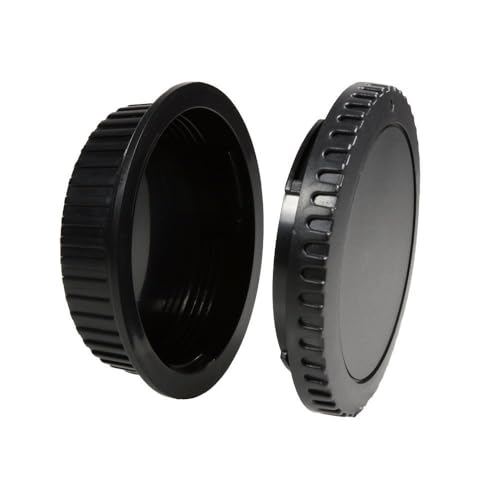
REFLEX Camera Body Cap and Rear Lens Cap Kit for Sony E-Mount
£4.99 *View On Amazon* - Sony Camera Lenses
casmilee Hard Camera Case for Sony Alpha ZV-E10, A6400 and more
£27.00 *View On Amazon* - Sony Camera Lenses
BENOISON 420-800mm Manual Focus Telephoto Lens for Sony E Mount
Original price was: £71.22.£62.99Current price is: £62.99. *View On Amazon* - Sony Camera Lenses
Neewer 77mm ND Lens Filter Set with Cleaning Pen and Pouch
£48.99 *View On Amazon* - Sony Camera Lenses
JJC ALC-SH168 Bayonet Lens Hood for Sony FE 24-70mm F2.8 GM II
£19.99 *View On Amazon* - Sony Camera Lenses
JJC 40.5mm Front Lens Cap for Sony E PZ 16-50mm and FE 28-60mm
£3.59 *View On Amazon* - Sony Camera Lenses
K&F Concept E Mount Body Cap and Rear Lens Cover Kit with Cloth
£8.89 *View On Amazon* - Sony Camera Lenses
Canboc Carrying Case for Sony Alpha ZV-E10 and ZV-E10L Camera
£16.99 *View On Amazon* - Sony Camera Lenses
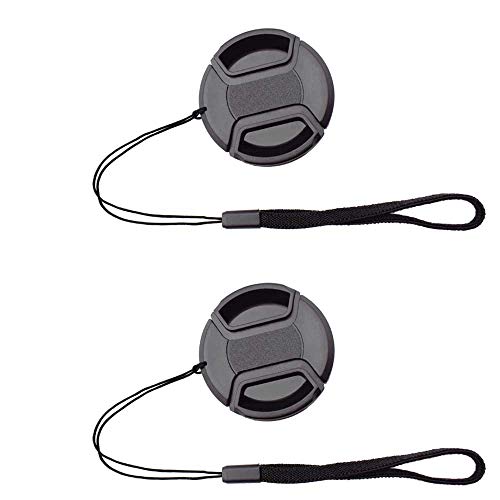
K&F Concept 40.5mm Centre Pinch Lens Cap Cover with Keepers
£3.99 *View On Amazon* - Sony Camera Lenses
TTArtisan 50mm F1.4 Tilt Full Frame Manual Lens for Sony E Mount
£249.00 *View On Amazon* - Sony Camera Lenses
S-ZONE Waterproof Camera Bag Holster for DSLR and SLR Cameras
£29.98 *View On Amazon* - Sony Camera Lenses
FOTGA M42 to Sony E-Mount Adapter Ring for Mirrorless Cameras
£10.99 *View On Amazon* - Sony Camera Lenses
ULBTER 40.5 mm Lens Cap for Sony E-Mount 16-50mm Lens, 2 Pack
£5.99 *View On Amazon*






What Are Sony Camera Lenses Used For?
Sony camera lenses change how your camera captures a scene. The lens affects framing, sharpness, background blur, focusing distance, light gathering and how close or far away your subject appears.
A wide angle Sony lens can help with landscapes, interiors, architecture and vlogging. A telephoto lens is useful for wildlife, sport and distant subjects. A prime lens can be useful for portraits, low light photography and creative background blur. A zoom lens gives more flexibility when you need one lens to cover different situations.
Check Sony Lens Compatibility First
Compatibility should always come before price, style or features. Sony cameras and lenses may use E mount or A mount systems, and E mount lenses may be designed for full frame or APS-C cameras.
Sony FE lenses are generally associated with full frame E mount cameras, while Sony E lenses may be designed for APS-C E mount cameras. Some combinations can still work, but the camera may crop the image or the lens may not use the full sensor area in the way you expect.
Older Sony A mount cameras and lenses are a different system. Some A mount lenses can be used with compatible adapters, but this is not the same as fitting a native E mount lens directly to an E mount camera.
Before buying, check your exact Sony camera model, lens mount and sensor format. This is the safest way to avoid ordering a lens that looks right but does not fit properly or does not perform as expected.
How To Choose The Right Sony Lens
Start with what you photograph or film most often. For portraits, look for a focal length and aperture that give sharp subject detail and pleasing background blur. For wildlife or sport, longer reach and dependable autofocus are more important. For landscapes and travel, a wide lens or flexible zoom may be more practical.
Aperture is another key buying factor. A wider aperture lets in more light and can create stronger background separation. This can help with portraits, indoor photography, low light shooting and creative video. The trade off is that wider aperture lenses can be larger, heavier or more expensive.
Also think about size and weight. A compact Sony lens may be better for travel, walking, vlogging and everyday use, while a larger lens may make more sense for serious wildlife, sport or portrait work.
Prime Lens Or Zoom Lens?
A Sony prime lens has one fixed focal length. It can be a good choice if you want a simple lens for portraits, street photography, low light work, video or a specific creative look. The trade off is that you need to move around more to change the framing.
A Sony zoom lens covers a range of focal lengths, making it more flexible for travel, events, family photography, wildlife and general use. The trade off is that some zoom lenses may be larger, heavier or less suited to very low light than a similar prime lens.
For many Sony users, a practical zoom lens is the easiest everyday option. A prime lens often makes sense once you know the type of photography or video you enjoy most.
Key Features To Compare
When comparing Sony camera lenses, look at mount compatibility, full frame or APS-C format, focal length, aperture, autofocus support, image stabilisation, size, weight, close focusing distance and whether the lens suits photography, video or both.
Autofocus matters if you photograph wildlife, sport, pets, children or moving subjects. Stabilisation can help with handheld shooting, especially at longer focal lengths or slower shutter speeds. Close focusing is useful for flowers, food, product shots, small details and creative close up work.
For video, also think about focusing noise, breathing control, handling, weight and how the lens balances on your Sony camera. A lens that is excellent for still photos is not always the most practical choice for handheld filming.
Sony Lens For Photography Or Video?
For photography, image sharpness, focal length, aperture and autofocus are usually the main concerns. Portrait photographers may care most about background blur, while wildlife photographers may care more about reach and focus tracking.
For video, handling can matter just as much as image quality. A lighter lens may be easier to use on a gimbal or handheld setup. Smooth autofocus, quiet operation and practical stabilisation can all make filming easier.
If you shoot both photos and video, look for a lens that balances image quality, portability and reliable focusing rather than choosing purely by one headline feature.
Beginner, Enthusiast Or Serious Sony User?
Beginners should focus on compatibility, ease of use and a lens that suits the photos or videos they take most often. A simple, reliable Sony compatible lens can help you improve without making your setup too complicated.
Enthusiasts may want better sharpness, wider apertures, longer reach, closer focusing or more creative control. Serious photographers and creators may choose different lenses for specific work, such as portraits, wildlife, macro, landscapes, sport, travel or video.
The right Sony lens is not simply the most expensive option. It is the lens that fits your Sony camera, suits your subject and makes sense for how often you will use it.
Why Buy Sony Camera Lenses From YPC?
At YPC, we have used a lot of outdoor equipment ourselves in real activity settings, so we understand why practical kit matters. With camera lenses, compatibility and real world usefulness are just as important as headline specifications.
Browse the Sony Camera Lenses range, compare the options and choose the lens that fits your Sony camera and the type of images or video you want to capture.
Sony Camera Lenses FAQs
How do I know which Sony lens fits my camera?
Check your exact Sony camera model, lens mount and sensor format before buying. Sony cameras may use E mount or A mount systems, and E mount lenses may be designed for full frame or APS-C cameras.
What is the difference between Sony E and FE lenses?
Sony E mount refers to the lens mount system. FE lenses are generally designed for full frame E mount cameras, while some E mount lenses are designed for APS-C cameras. Always check the product details before buying.
Can I use a full frame Sony lens on an APS-C camera?
In many E mount cases, a full frame lens can be used on an APS-C camera, but the field of view will change because of the smaller sensor. Check compatibility with your exact camera body.
Can I use an APS-C Sony lens on a full frame camera?
Some APS-C E mount lenses can be used on full frame E mount cameras, but the camera may crop the image or use a smaller part of the sensor. Check the product details before ordering.
Are Sony zoom lenses better than prime lenses?
Not always. Zoom lenses are more flexible because they cover different focal lengths. Prime lenses can be useful for portraits, low light, video and creative background blur. The better choice depends on how you shoot.
What Sony lens is good for portraits?
Portrait photography usually benefits from a lens with a useful focal length, sharp subject detail and the ability to create soft background blur. Check that the lens fits your Sony camera before buying.
What Sony lens is good for wildlife photography?
Wildlife photography usually needs a longer telephoto lens so you can frame distant subjects. Autofocus, stabilisation, handling and compatibility are also important.
Are Sony lenses good for video?
Many Sony compatible lenses can be useful for video, but the right choice depends on autofocus behaviour, stabilisation, focusing noise, weight and how the lens balances on your camera.
Should I upgrade my Sony kit lens?
It can be worth upgrading if your current lens limits sharpness, low light performance, reach, background blur or video quality. Choose the upgrade based on what your current lens cannot do.
 Getting ready for Summer? View our Home and Garden Products

Heading outdoors this winter? Take a look at our Outdoor Clothing.