
Satellite Phones
Satellite phones are communication devices designed to make calls or send messages through satellite networks rather than normal mobile phone masts. This category is ideal if you need a backup communication option for remote travel, sailing, hiking, outdoor work, expeditions, emergency planning or areas where mobile signal may be unreliable.
The right satellite phone depends on where you plan to use it, which network covers that area and whether you need voice calls, text messages, basic data or emergency contact ability. A satellite phone is not the same as a normal smartphone, GPS tracker or Personal Location Beacon, so it is worth choosing carefully.
Satellite Phones Buyers Guide
This Buyers Guide explains how satellite phones differ and outlines key considerations when comparing remote communication devices, including coverage, power handling, and suitability for serious use.
- Satellite Phones
Garmin inReach® Messenger Handheld Satellite Communicator, Global Two-Way Messaging
£226.89 *View On Amazon* - Satellite Phones
Iridium Satellite Phone Prepaid SIM Card (No Airtime Included)
£15.62 *View On Amazon* - Satellite Phones
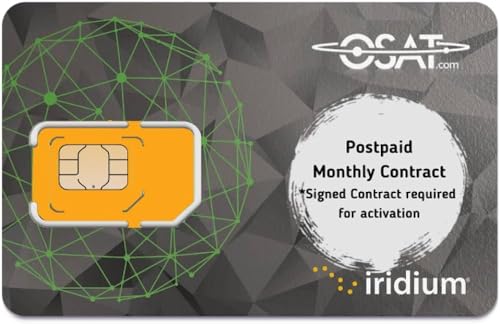
Iridium Satellite Phone Global Postpaid SIM Card (No Airtime Included)
£14.87 *View On Amazon* - Satellite Phones
Garmin inReach Mini 2, Lightweight and Compact Satellite Communicator, Hiking Handheld, Two Way Messaging, Interactive SOS Alerts, Location Sharing, Global Satellite Network, Rugged Design, Black
Original price was: £244.05.£229.00Current price is: £229.00. *View On Amazon* - Satellite Phones
Iridium 9575 Extreme Satellite Phone with a Prepaid SIM card (No Airtime Included)
£1,301.90 *View On Amazon*







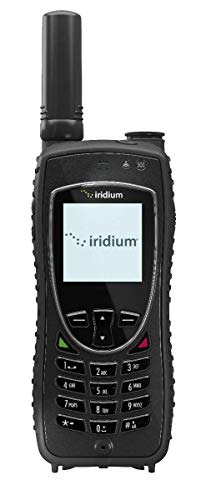
What Is A Satellite Phone?
A satellite phone is a mobile communication device that connects to satellites instead of relying on local mobile phone towers. This can make it useful in remote areas, offshore locations, rural work sites, mountains, deserts, forests or places where normal mobile coverage is poor.
Satellite phones are commonly used by remote travellers, sailors, outdoor workers, expedition teams, emergency planners, journalists, aid workers, adventure groups and people who need communication beyond standard mobile networks.
How To Choose The Right Satellite Phone
Start with coverage. Different satellite phone networks cover different parts of the world, so check that the phone and service plan work in the countries, seas or regions where you expect to use it.
Next, think about how you will communicate. Some users mainly need emergency voice calls. Others may need text messaging, GPS location sharing, voicemail, email style messages or basic data. Satellite data is usually far more limited than normal mobile internet, so do not buy a satellite phone expecting everyday smartphone style browsing.
Airtime costs also matter. Many satellite phones need a SIM card, prepaid airtime, monthly contract or active service plan. The handset price is only part of the total cost, so check call rates, text costs, top up rules, expiry dates and any ongoing subscription before buying.
Satellite Phone Or Personal Location Beacon?
A satellite phone is for communication. It can let you call or message people when mobile signal is not available, depending on coverage, battery life and service plan.
A Personal Location Beacon is different. It is an emergency distress device used to alert search and rescue services in a serious situation. It is not designed for normal conversations, trip updates or routine contact.
If you need two way communication, a satellite phone may be the better choice. If you mainly need an emergency rescue alert device, a PLB may be more suitable. Some people carry both for remote or higher risk trips.
Key Features To Compare
When comparing satellite phones, look at network coverage, call quality, battery life, standby time, handset durability, waterproofing claims, GPS features, emergency functions, messaging support, airtime plan, SIM type, charging method and ease of use.
Battery life is especially important because satellite phones are often carried for backup use. A phone that is flat when needed is no help, so check charging options, spare battery availability and how long the device can stay ready between charges.
Ease of use matters too. In an emergency or difficult outdoor situation, simple menus, clear signal indicators, large buttons and straightforward calling can be more valuable than complicated extra features.
Coverage, Signal And Clear Sky View
Satellite phones usually work best outside with a clear view of the sky. Buildings, vehicles, cliffs, heavy tree cover, valleys and poor positioning can all affect connection quality.
The type of satellite network also matters. Some systems offer broader global style coverage, while others may be stronger in certain regions but weaker elsewhere. Always check the network map against your actual travel plans.
Do not assume a satellite phone will work everywhere, indoors or in every country. Coverage, local laws, service status, handset setup and surroundings all make a difference.
Handheld Satellite Phone Or Satellite Messenger?
A handheld satellite phone is usually better if you need voice calls. It can be useful when you need to explain a situation, speak to family, contact a work base or make urgent calls beyond mobile coverage.
A satellite messenger is usually smaller and may focus on text messages, location sharing, tracking or SOS features rather than voice calls. It can be useful for lightweight trips, but it may not replace the reassurance of speaking to someone directly.
The best choice depends on whether voice communication is essential or whether short messages and location updates are enough.
Using Satellite Phones Responsibly Abroad
Satellite phones are not allowed everywhere. Some countries restrict, license or ban satellite phones, and travellers may face confiscation, fines, detention or legal trouble if they carry one without permission.
Before travelling abroad with a satellite phone, check the latest travel advice, customs rules and local communications laws for every country on your route. This includes transit stops, border crossings and remote regions.
Also think about privacy and safety. A satellite phone can be a valuable safety tool, but it should be used responsibly and legally. Do not rely on general assumptions when travelling internationally.
Beginner, Traveller Or Remote Worker?
Beginners should look for a satellite phone that is simple to set up, easy to operate and supported by a clear airtime plan. It should be tested before any serious trip, not opened for the first time in an emergency.
Travellers may want broad coverage, reliable battery life, simple charging and a plan that suits occasional use. Remote workers may need stronger durability, regular airtime, spare power options and a communication routine that works with their team.
The best satellite phone is not always the most advanced one. It is the phone that works where you are going, has an active service plan and is simple enough to use when it matters.
Useful Satellite Phone Accessories To Consider
Useful accessories can include spare batteries, solar chargers, power banks, mains chargers, vehicle chargers, protective cases, waterproof pouches, external antennas, SIM cards, airtime vouchers and lanyards.
A protective case can help keep the handset safe in a rucksack, boat, vehicle or work bag. Spare power can be important for longer trips. External antenna options may be useful for vehicle, marine or fixed location use, depending on the phone and network.
Choose accessories that match your exact satellite phone model and service provider. Chargers, batteries, antennas and SIM cards are not always interchangeable.
Why Buy Satellite Phones From YPC?
At YPC, we have used a lot of outdoor equipment ourselves in real activity settings, so we understand why dependable communication kit matters. A satellite phone needs to be practical, charged, covered by the right network and suitable for the places where you actually plan to use it.
Browse the Satellite Phones range, compare the options and choose the communication device that fits your travel, outdoor safety or remote working needs.
Satellite Phones FAQs
What is a satellite phone used for?
A satellite phone is used for calls and messages in places where normal mobile signal may be unavailable. It can be useful for remote travel, marine use, outdoor work, expeditions and emergency planning.
Is a satellite phone the same as a normal mobile phone?
No. A satellite phone connects through satellites rather than local mobile masts. It usually needs a suitable service plan and works best outdoors with a clear view of the sky.
Do satellite phones work anywhere?
Not always. Coverage depends on the satellite network, country, surroundings, service plan and local restrictions. Buildings, mountains, trees and indoor use can affect signal.
Do satellite phones work indoors?
Usually, satellite phones work best outdoors with a clear view of the sky. Indoor use may need an external antenna or specialist setup, depending on the phone and network.
Do satellite phones need a subscription?
Many satellite phones need a SIM card, prepaid airtime or monthly service plan. Check the total cost, call rates, text rates, expiry dates and coverage before buying.
Can satellite phones access the internet?
Some satellite phones support basic data, but they are not normally designed for everyday smartphone style internet use. Speeds, costs and features vary by network and handset.
Is a satellite phone better than a Personal Location Beacon?
They do different jobs. A satellite phone is for two way communication. A Personal Location Beacon is for emergency distress alerting. The better choice depends on whether you need conversation, messaging or rescue alerting.
Can I take a satellite phone abroad?
Not always. Some countries restrict, license or ban satellite phones. Check current travel advice and local laws before carrying or using one outside the UK.
What should I look for when buying a satellite phone?
Look at network coverage, battery life, handset durability, airtime costs, SIM requirements, call quality, messaging support, charging options, emergency features and ease of use.
Are satellite phones waterproof?
Some satellite phones may have water resistance or rugged protection, but levels vary. Always check the product details before relying on one in rain, marine use or harsh outdoor conditions.
Do satellite phones have GPS?
Some satellite phones include GPS or location features, but features vary by model. Check the product details if location sharing or emergency positioning is important to you.
Should I test a satellite phone before a trip?
Yes. Set it up, activate the service, charge it, learn the menus and test it in a suitable outdoor location before relying on it for travel or emergency use.
 Getting ready for Summer? View our Home and Garden Products

Heading outdoors this winter? Take a look at our Outdoor Clothing.