
Cat Trees and Scratching Posts
Cat trees and scratching posts are designed to give cats a suitable place to scratch, climb, stretch, perch, play and rest. They are useful for indoor cats, outdoor cats with indoor time, kittens, adult cats, multi cat homes and owners who want to protect furniture while supporting natural cat behaviour.
The right choice depends on your cat’s size, age, activity level and home layout. Height, stability, scratching surface, platform size, materials, comfort areas and available floor space are all worth comparing before choosing.
- Cat Trees and Scratching Posts
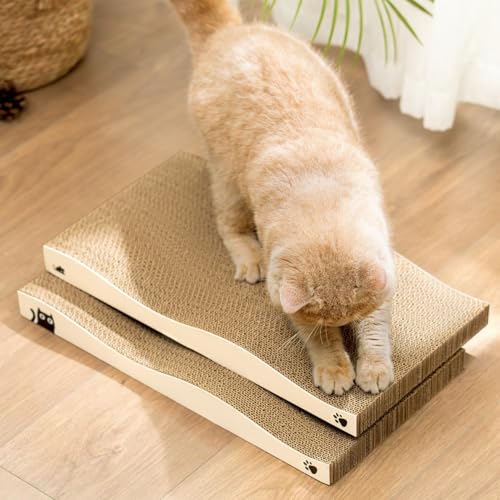
Corrugated Cardboard Cat Scratching Boards, Pack of 2
£9.99 *View On Amazon* - Cat Trees and Scratching Posts
TRIXIE Replacement Sisal Post for Cat Trees, 9 x 40 cm
£9.49 *View On Amazon* - Cat Trees and Scratching Posts
Cat Cardboard Scratcher House with Scratch Pads, 30 x 30 x 30 cm
£12.99 *View On Amazon* - Cat Trees and Scratching Posts
MEETOZ Cat Scratching Board 2-Pack with Catnip, Double-Sided Cardboard
Original price was: £11.99.£10.66Current price is: £10.66. *View On Amazon* - Cat Trees and Scratching Posts
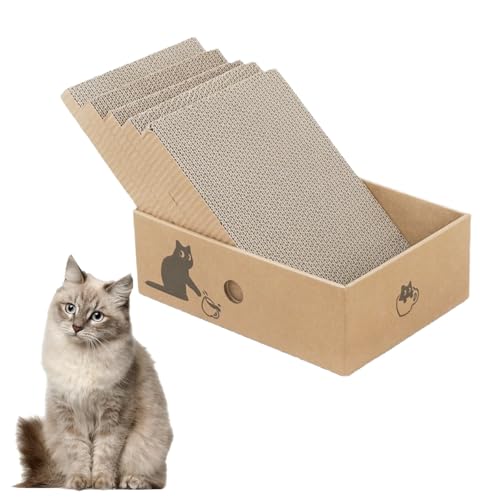
Cat Scratching Board with Box, 42 x 26 cm, 5-Layer Design
£17.99 *View On Amazon* - Cat Trees and Scratching Posts
Amazon Basics Cat Scratching Board with Catnip, Curved 2-Pack
£10.00 *View On Amazon* - Cat Trees and Scratching Posts
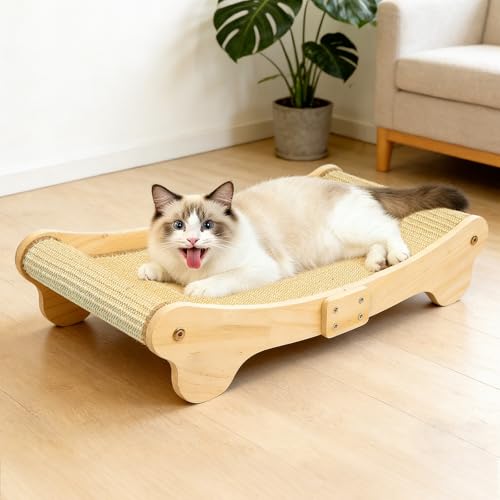
CheerPals Sisal Cat Scratcher Bed, Curved Wood Pet Furniture 60 x 35 x 15 cm
£29.99 *View On Amazon* - Cat Trees and Scratching Posts
FUKUMARU L Shape Cat Scratcher Wall Mounted with Ball Toy, 68 cm
£19.99 *View On Amazon* - Cat Trees and Scratching Posts
L Shaped Cat Scratching Board with Ball Toy
Original price was: £12.99.£7.99Current price is: £7.99. *View On Amazon* - Cat Trees and Scratching Posts
DONWEI Sisal Cat Scratcher Bed with Solid Wood Frame
£19.99 *View On Amazon* - Cat Trees and Scratching Posts
Feandrea Cat Scratching Post with Plush Perch, 71 cm, Beige
Original price was: £27.99.£19.54Current price is: £19.54. *View On Amazon* - Cat Trees and Scratching Posts
MUAEEOK 5 Pack Cat Scratcher Pad with Box, Brown
Original price was: £14.99.£12.74Current price is: £12.74. *View On Amazon* - Cat Trees and Scratching Posts
TRIXIE Sisal Hanging Scratching Board for Cats with Catnip 11 x 56 cm Beige 43181
Original price was: £10.33.£9.22Current price is: £9.22. *View On Amazon* - Cat Trees and Scratching Posts
DIVCHI L Shape Vertical Cat Scratcher Board with Ball Toy, 69 cm
£19.29 *View On Amazon* - Cat Trees and Scratching Posts
Cat Scratch Board 2-Pack Corrugated Cardboard Scratchers with Catnip
Original price was: £11.99.£9.11Current price is: £9.11. *View On Amazon* - Cat Trees and Scratching Posts
2-Piece Sisal Cat Scratcher Mats, Grey 60 x 25 cm
£19.99 *View On Amazon* - Cat Trees and Scratching Posts
AUSCAT Carrot Cat Scratching Post for Indoor Cats and Kittens
£28.99 *View On Amazon* - Cat Trees and Scratching Posts
Amazon Basics Cactus Cat Scratching Post for Indoor Cats, 68 cm Green
£31.00 *View On Amazon* - Cat Trees and Scratching Posts
5-Pack Reversible Cat Scratching Board with Box, 325 x 235 x 110 mm
Original price was: £14.49.£12.31Current price is: £12.31. *View On Amazon* - Cat Trees and Scratching Posts
ADEPTNA 2 Pack Reversible Cardboard Cat Scratch Boards with Catnip
£7.95 *View On Amazon* - Cat Trees and Scratching Posts
Black Cotton Rope Cat Scratcher Mat, Round 16.9 in
Original price was: £12.97.£12.17Current price is: £12.17. *View On Amazon* - Cat Trees and Scratching Posts
OMATSBEH Reversible Cardboard Cat Scratching Board 2 Pack
£9.99 *View On Amazon* - Cat Trees and Scratching Posts
3 Pack Cat Scratching Mats, 50 x 25 cm Sisal, Beige
£15.99 *View On Amazon* - Cat Trees and Scratching Posts
5 Piece Cat Scratching Board Set with Box and Reversible Scratch Pads
Original price was: £15.99.£11.55Current price is: £11.55. *View On Amazon*




What Are Cat Trees and Scratching Posts?
Cat trees are freestanding cat furniture products that may include platforms, posts, beds, hideaways, ramps, toys, hammocks or lookout areas, depending on the product listed. They give cats vertical space and can help create a more interesting indoor environment.
Scratching posts are usually simpler products designed to give cats a dedicated surface for scratching and stretching. They may be upright posts, flat scratchers, angled scratchers, wall mounted options or combined with cat trees where listed.
Products in this category can vary widely, from compact scratching posts for small rooms to taller cat towers with multiple levels. The best choice is the one that suits your cat and your living space.
What Are Cat Trees and Scratching Posts Used For?
Cat trees and scratching posts are used to support everyday cat activity. Scratching helps cats stretch, condition their claws and mark territory through scent and texture. Providing a suitable scratching surface can help redirect scratching away from sofas, carpets and other household furniture.
Cat trees give cats height, choice and space. Many cats enjoy sitting above floor level, watching the room, hiding away or having a quiet resting spot. For indoor cats especially, a cat tree can add useful variety to the home.
They can also help in multi cat households by giving cats more places to rest, climb and move away from each other when needed.
How To Choose The Right Cat Tree Or Scratching Post
Start with your cat’s size and personality. A large adult cat may need a wider base, stronger posts and larger platforms. A kitten may enjoy lower platforms and easy climbing access. An older cat may need lower levels, gentle steps and comfortable resting areas.
Next, think about your home. A tall cat tree can be useful if you have floor space and a cat that loves height. A compact scratching post may be better for smaller rooms, flats or specific problem scratching areas.
Scratching material is important. Sisal rope, sisal fabric, carpet style surfaces, cardboard and wood based scratchers can all feel different depending on the product. Some cats strongly prefer one texture over another.
Stability should be a priority. A cat tree or post that wobbles too much may make a cat nervous and may be less safe. Check base size, weight, height and assembly details where listed before buying.
Key Features To Compare
When comparing cat trees and scratching posts, look at height, base stability, platform size, scratching material, post thickness, cover material, hideaway size, toy attachments, assembly method and care instructions.
Height can add interest, but taller is not always better. A high cat tree needs a stable base and enough room around it. A shorter tree may be more suitable for kittens, older cats or homes with limited space.
Platform size matters because cats need enough room to sit, turn and rest comfortably. Small platforms may suit kittens, but larger cats may need wider resting areas.
Scratching surface should be durable enough for repeated use where listed. If your cat already scratches a certain texture, choose a product with a similar surface where suitable.
Washable or wipe clean areas where listed can be helpful, especially in multi cat homes or where fur, dust and loose claw sheaths build up over time.
Cat Trees Compared With Scratching Posts Cat Beds And Cat Toys
A cat tree gives vertical space and may combine scratching, climbing, resting and play in one product. It can be a good option for indoor cats or active cats that enjoy height.
A scratching post is more focused. It is usually chosen to provide a clear scratching area and may take up less space than a full cat tree.
A cat bed gives a resting place, but it does not usually provide climbing or scratching. Some cat trees include beds or padded platforms where listed, offering both rest and activity in one setup.
Cat toys encourage play and movement, but they do not replace a dedicated scratching area. Toys can work well alongside a cat tree by making the space more engaging.
For many homes, a scratching post and a resting area are both useful. A cat tree can combine these needs where the size and design suit your cat.
Guidance For First Time Regular And Experienced Cat Owners
First time cat owners should choose a sturdy, simple scratching post or modest cat tree that suits the cat’s size and the room. Comfort, stability and clear scratching surfaces matter more than extra features.
Regular cat owners may want to compare height, material durability, replacement parts where listed and how easy the product is to clean. If a cat scratches daily, the surface needs to cope with repeated use.
Experienced owners may choose different products for different cats. One cat may prefer a tall lookout tower, while another may prefer a low horizontal scratcher. Multi cat homes may need more than one scratching area to reduce competition.
If your cat is not using the product, placement, texture and height may be the issue. Many cats prefer scratching posts near areas where they already rest, stretch or scratch.
Use Cases By Cat Type And Home Setup
For indoor cats, cat trees and scratching posts can provide important enrichment, especially where outdoor climbing and scratching options are limited. Vertical space can help make the home feel more interesting.
For kittens, choose lower and stable products that are easy to climb. Avoid overly tall or complicated structures unless the product is suitable and supervised use is practical.
For older cats, lower platforms, gentle access and soft resting areas may be more suitable. A very tall or narrow cat tree may be harder for them to use comfortably.
For large cats, check platform size, weight guidance where listed, post strength and overall stability. A small cat tree may not feel comfortable or secure for a bigger cat.
For multi cat homes, larger cat trees with several levels or multiple scratching posts around the home may be useful. Giving cats more choices can help reduce crowding around one favourite spot.
For small homes, compact scratching posts, corner scratchers or smaller cat trees may be more practical than large towers.
Fit Compatibility And Home Placement
Placement can make a big difference. Cats often enjoy cat trees near windows, quiet corners, social rooms or areas where they can watch household activity without feeling trapped.
A scratching post may be more effective if placed near furniture the cat already scratches. Moving it too far away from the problem area may make it less appealing.
Check floor space carefully before buying. Cat trees can look smaller in product photos than they feel in a room. Consider base width, height, ceiling clearance and access around the product.
Avoid placing cat trees where they could block doorways, create trip hazards or stand on uneven flooring. Tall products should be positioned on a stable surface and assembled securely according to the instructions.
If you have children or other pets, consider whether the cat has a quiet route to use the tree without being disturbed.
Scratching Surfaces Climbing Areas And Comfort
Cats can be particular about scratching surfaces. Some prefer upright posts for full body stretching, while others prefer flat or angled scratchers. If your cat ignores one style, a different angle or texture may work better.
Sisal style surfaces are common on scratching posts where listed, while cardboard scratchers can appeal to cats that like shredding textures. Carpet covered areas may feel softer, but some owners avoid them if they do not want cats to associate carpet with scratching.
Climbing areas should feel secure. Steps, platforms and ramps should support comfortable movement. Cats should be able to get up and down without feeling trapped or unbalanced.
Resting areas should suit your cat’s sleeping habits. Some cats like enclosed hideaways, while others prefer open platforms. A product with several options may suit cats that like variety.
Safety Care Maintenance And Storage
Cat trees and scratching posts should be assembled carefully and checked regularly. Loose screws, unstable bases, damaged posts, frayed materials or detached toys should be dealt with before the cat continues using the product.
Choose a product that suits your cat’s size and activity. A powerful jumper or large cat may need a stronger and wider structure than a small kitten.
Hanging toys should be checked often. Strings, elastic and small parts can become hazards if damaged or chewed. Remove unsafe toys or loose pieces immediately.
Vacuum or brush surfaces where suitable to remove fur, dust and loose debris. Wipe clean areas according to the care instructions. Avoid harsh cleaning products unless the product guidance says they are suitable.
If a scratching post becomes badly worn, unstable or sharp at the edges, it may need replacing. A worn surface can be less appealing to the cat and less practical in the home.
Useful Accessories To Consider
Useful accessories can include cat toys, cat beds, replacement scratching pads where compatible, catnip where suitable, grooming brushes, litter mats, food bowls, water fountains and cat carriers.
For encouraging use, some owners may place toys near the cat tree or use suitable catnip where appropriate. Not every cat responds to catnip, so behaviour can vary.
For multi cat homes, extra beds, scratchers and feeding areas may help give each cat more choice. For indoor cats, combining cat trees with interactive toys and regular play can create a more engaging routine.
Why Buy Cat Trees and Scratching Posts From YPC?
At YPC, we understand active lifestyles and the need for practical products that work in real use. Cat trees and scratching posts can vary by size, stability, materials, scratching surface, comfort areas, activity level and home suitability, so comparing the details helps you choose with more confidence.
YPC helps you browse cat furniture and scratching products with real pet care needs in mind, whether you are buying for a kitten, indoor cat, large cat, older cat, multi cat home or everyday furniture protection. Explore the Cat Trees and Scratching Posts category to browse the available options and compare the features that matter most for your cat and your home.
FAQs
What is the difference between a cat tree and a scratching post?
A cat tree usually includes platforms, climbing areas, resting spaces and scratching posts. A scratching post is usually a simpler product focused mainly on giving cats a suitable surface to scratch.
Do cats need scratching posts?
Scratching posts are useful because scratching is normal cat behaviour. A suitable post can help cats stretch, condition their claws and redirect scratching away from furniture.
What should I look for in a cat tree?
Look for stability, suitable height, platform size, scratching surfaces, comfortable resting areas, safe assembly and a design that matches your cat’s size and activity level.
Are cat trees suitable for kittens?
Some cat trees are suitable for kittens where listed, but lower and stable designs are usually more practical. Very tall structures may need supervision and may not suit very young kittens.
What scratching material do cats prefer?
Cats vary. Some prefer sisal rope or fabric, while others like cardboard, carpet style textures or wood based scratchers. If your cat already scratches a certain texture, that can guide your choice.
Where should I put a cat scratching post?
Place it somewhere your cat naturally spends time or near furniture they already scratch. Cats often like scratching after waking, so areas near resting spots can work well.
Are tall cat trees safe?
Tall cat trees can be suitable where they are stable, properly assembled and matched to the cat’s size and activity. Check base width, product guidance and positioning before use.
Can cat trees help indoor cats?
Yes, cat trees can be very useful for indoor cats because they provide climbing, perching, scratching and resting opportunities. They can help make indoor spaces more interesting.
How do I encourage my cat to use a scratching post?
Place the post in a useful location, choose a texture your cat likes and make the area inviting with toys or suitable catnip where appropriate. Avoid forcing the cat onto it.
How do I clean a cat tree?
Follow the product care instructions. Vacuum or brush away fur, wipe suitable surfaces gently and check regularly for loose parts, damaged scratching material or unstable sections.
 Getting ready for Summer? View our Home and Garden Products

Heading outdoors this winter? Take a look at our Outdoor Clothing.