
Dog Beds and Bedding
Dog beds and bedding are designed to give dogs a comfortable place to rest, sleep and relax at home, in crates, in cars or while travelling. They can include soft beds, mattress style beds, raised beds, crate mats, blankets, cushions, bolster beds, washable bedding and other resting accessories, depending on the products listed.
The right dog bed or bedding depends on your dog’s size, age, sleeping position, coat type, mobility, chewing habits and where the bed will be used. Comfort, support, cover material, washability, thickness, shape and durability are all worth comparing before choosing.
- Dog Beds and Bedding
ASIJIA Washable Large Dog Bed Mat 90 x 56 cm, Anti-Slip Sherpa Dog Crate Mattress, Khaki
Original price was: £15.68.£14.88Current price is: £14.88. *View On Amazon* - Dog Beds and Bedding
lionto Dog Basket with Fluffy Reversible Cushion, 60 x 50 cm, Brown
£19.95 *View On Amazon* - Dog Beds and Bedding
MIXJOY Medium Rectangle Dog Bed, Grey, 63 x 53 x 20 cm
Original price was: £27.99.£16.99Current price is: £16.99. *View On Amazon* - Dog Beds and Bedding
Feandrea Warm Dog Cat Bed Mattress for Crate 90 x 65 cm S
Original price was: £14.99.£12.74Current price is: £12.74. *View On Amazon* - Dog Beds and Bedding
Bedsure Orthopedic Dog Bed Medium Oval Bolster Pet Bed 76 x 51 x 16.5 cm Grey
Original price was: £34.99.£29.74Current price is: £29.74. *View On Amazon* - Dog Beds and Bedding
AmigoZone Luxury Fleece Dog Bed Cover Only – Large, Black Paw
£5.99 *View On Amazon* - Dog Beds and Bedding
Amazon Basics Dog Steps with Removable Cover, 3-Step Pet Stairs, Grey
Original price was: £22.67.£21.99Current price is: £21.99. *View On Amazon* - Dog Beds and Bedding
Petlicity Deluxe Pet Bed Extra Soft Grey Small 51 cm x 36 cm
£10.99 *View On Amazon* - Dog Beds and Bedding
Brit Cotton Large Pet Dog Bed – Pack of 1 – Blue Bone (90 x 60 x 5 cm)
£11.99 *View On Amazon* - Dog Beds and Bedding
Amazon Basics Cat and Dog Bed, Medium, Grey Swirl, 89 x 58 x 8 cm
£23.99 *View On Amazon* - Dog Beds and Bedding
Baodan Small Dog Bed 50 x 40 cm Grey
Original price was: £19.99.£14.99Current price is: £14.99. *View On Amazon* - Dog Beds and Bedding
Feandrea Dog Bed Mat, Machine Washable, M, 75 x 50 cm
Original price was: £12.99.£9.74Current price is: £9.74. *View On Amazon* - Dog Beds and Bedding
Adam Home Dog Pet Bed Large 95 x 65 cm Removable Zipped Cover Mustard
£12.99 *View On Amazon* - Dog Beds and Bedding
EHEYCIGA Orthopedic Memory Foam Dog Bed Sofa XL 107 x 76 x 18 cm Grey
Original price was: £52.99.£37.99Current price is: £37.99. *View On Amazon* - Dog Beds and Bedding
Baodan Washable Dog Bed for Medium and Small Dogs and Cats, M 75 x 50 cm, Grey
Original price was: £15.99.£13.59Current price is: £13.59. *View On Amazon* - Dog Beds and Bedding
Bedsure Large Round Cat Bed for Indoor Cats, 63 x 53 cm, Washable
Original price was: £26.99.£22.94Current price is: £22.94. *View On Amazon* - Dog Beds and Bedding
Pawk Large Dog Bed Washable Grey 89 x 58 x 9 cm
Original price was: £16.99.£13.59Current price is: £13.59. *View On Amazon* - Dog Beds and Bedding
BingoPaw Large Dog Bed Washable Grey L (90 x 60 x 10 cm)
Original price was: £23.99.£19.99Current price is: £19.99. *View On Amazon* - Dog Beds and Bedding
Feandrea Orthopaedic Dog Sofa Bed, M, Dove Grey, 76 x 51 x 16 cm, PGW321GD01
£22.99 *View On Amazon* - Dog Beds and Bedding
JOEJOY Dog Bed Medium Washable Rectangle Cat Bed 63 x 53 x 21 cm
Original price was: £23.99.£19.93Current price is: £19.93. *View On Amazon* - Dog Beds and Bedding
FEANDREA Dog Bed Reversible Cushion 73 x 60 x 27 cm Grey PGW31GG
£28.90 *View On Amazon*


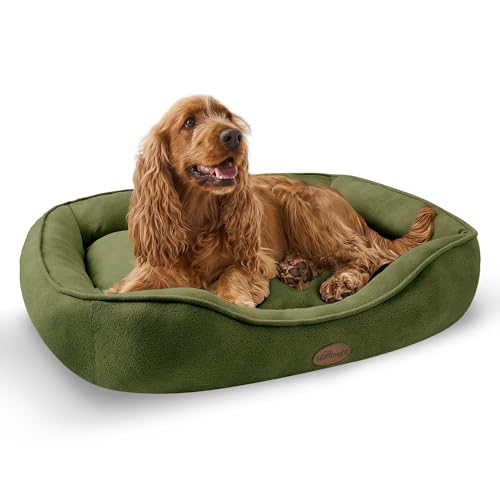


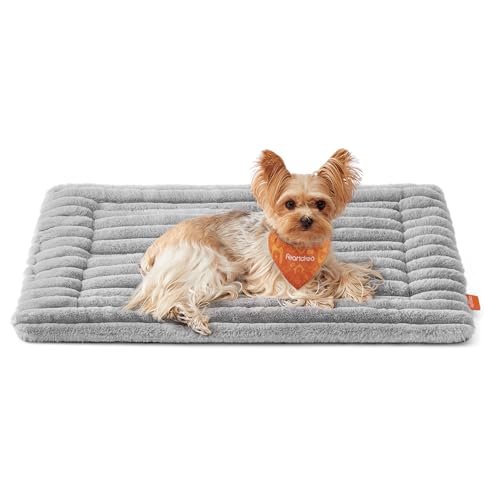


What Are Dog Beds and Bedding?
Dog beds and bedding are pet products made to support a dog’s resting and sleeping routine. They provide a dedicated place for dogs to lie down, curl up, stretch out or settle quietly.
Products in this category may include padded dog beds, fleece blankets, crate bedding, waterproof mats, orthopaedic style beds where listed, cooling mats, heated style bedding where suitable, travel beds and washable covers depending on the range available.
Some beds are made for everyday indoor use, while others may be designed for travel, crates, kennels, cars or outdoor style settings where stated. Because designs vary widely, it is important to compare each product carefully before buying.
What Are Dog Beds and Bedding Used For?
Dog beds and bedding are used to give dogs a safe, familiar and comfortable resting spot. They can help keep dogs off cold floors, protect furniture, support crate training routines and make travel or overnight stays feel more settled.
For puppies, bedding can help create a cosy sleeping area. For adult dogs, a good bed can become their everyday resting place. For senior dogs, supportive bedding may be especially useful where suitable, particularly if they prefer softer surfaces or need easier access.
Dog bedding can also help keep the home cleaner by giving dogs a washable place to rest after walks, play, training or outdoor activity.
How To Choose The Right Dog Bed Or Bedding
Start with your dog’s size. A bed should be large enough for your dog to rest comfortably in their preferred position. Some dogs curl up tightly, while others stretch out fully, so sleeping style matters as much as breed size.
Next, consider comfort and support. A soft blanket may be enough for some dogs, while others may prefer a thicker mattress, bolster sides or a more supportive bed where listed. Older dogs or larger dogs may benefit from careful comparison of thickness, firmness and ease of getting in and out.
Washability is important for almost every dog owner. Dogs bring in mud, hair, moisture and outdoor smells, so removable covers or easy clean materials where listed can make life easier.
Also think about where the bed will be used. A living room bed, crate mat, car boot mat, kennel pad and travel blanket may all need different features.
Key Features To Compare
When comparing dog beds and bedding, look at size, shape, filling, cover material, thickness, washability, non slip base where listed, water resistance where stated, edge support, warmth and care instructions.
Shape affects how dogs use the bed. Bolster beds or raised sides may suit dogs that like to curl up or rest their head on an edge. Flat mattress beds may suit dogs that stretch out or need easier access.
Material matters too. Fleece, plush, canvas, fabric, waterproof style covers and padded fillings can all feel different and may suit different dogs. Some fabrics may be softer, while others may be easier to wipe clean depending on the product.
Durability is worth checking if your dog digs, chews or circles before lying down. No bed is indestructible unless clearly stated, so choose carefully based on your dog’s habits.
Dog Beds Compared With Dog Blankets Crate Mats And Sofa Covers
Dog beds, blankets, crate mats and sofa covers all support comfort, but they do different jobs. A dog bed gives a dedicated resting area with padding and structure. It is usually the main sleeping spot.
Dog blankets are more flexible. They can be placed on beds, sofas, car seats, crates or floors. They are useful for warmth, travel and adding a familiar scent to a new place.
Crate mats are designed to fit inside dog crates where suitable. They should be the right size for the crate and allow the dog to stand, turn and rest safely.
Sofa covers are mainly used to protect furniture. They are useful for dogs that are allowed on sofas, but they are not the same as a proper resting bed.
Guidance For Puppies Adult Dogs And Senior Dogs
Puppies need bedding that is comfortable, easy to clean and safe for their stage of development. Young dogs may chew, scratch or have accidents, so simple washable bedding can be very practical.
Adult dogs may prefer a bed that matches their sleeping habits. Active dogs may enjoy a cosy place to recover after exercise, while calmer dogs may spend longer periods resting during the day.
Senior dogs may need bedding that is easier to access and supportive enough for comfort. High sides, very deep beds or slippery surfaces may not suit every older dog, so check shape and height carefully.
For dogs with joint concerns, injury, skin issues or medical needs, seek advice from a qualified vet before relying on a specific bedding type.
Use Cases By Home Routine And Dog Lifestyle
For everyday home use, a dog bed should be comfortable, durable and easy to clean. It should fit naturally into the room without blocking walkways or creating a trip hazard.
For crates, bedding should fit the crate properly and should not bunch up or restrict movement. It should be suitable for the dog’s chewing habits and supervised where needed.
For travel, lightweight bedding or blankets can help create a familiar resting area in cars, holiday homes, campsites or visiting spaces where suitable.
For muddy dogs, washable mats, quick drying blankets or wipe clean bedding where listed may be more practical than deep plush beds.
For dogs that feel the cold, warmer bedding or soft blankets may be useful where suitable. For dogs that overheat easily, breathable or cooling style options where listed may be worth comparing.
For multi dog homes, each dog may need their own bed or resting space to reduce competition and support calmer routines.
Fit Compatibility And Sleeping Comfort
A dog bed should suit your dog’s body length, weight and preferred sleeping position. Measure your dog while resting if possible, then compare the bed size where listed.
If your dog likes to curl up, a nest style or bolster bed may feel cosy. If your dog stretches out, a rectangular mattress style bed may be more practical.
Think about floor surface too. A non slip base where listed can be useful on smooth floors. Thicker bedding may help on hard floors, while thinner mats may work better inside crates or on top of existing bedding.
Compatibility with covers, blankets, crates, car boots and washing machines also matters. A bed may be comfortable, but it still needs to fit the space and care routine.
Safety Hygiene And Sensible Use
Dog beds and bedding should be checked regularly for damage. Loose stuffing, torn seams, broken zips, dangling fabric or chewed pieces can become unsafe if swallowed or tangled.
Choose bedding that suits your dog’s behaviour. Heavy chewers may need tougher materials and closer supervision. Puppies may need bedding that can cope with accidents and frequent washing.
Keep the bed in a suitable place away from direct heat, open flames, damp areas and anything the dog should not chew. Heated bedding or electrical products where listed should only be used exactly as instructed.
If your dog suddenly avoids their bed, struggles to get up, seems stiff or shows discomfort when lying down, consider whether the bed still suits them and seek veterinary advice where needed.
Care Maintenance And Storage
Follow the care label on each dog bed or bedding product. Some covers may be removable and washable, while others may need spot cleaning or gentle care.
Wash bedding regularly to help manage hair, dirt, smells and allergens. Dogs that get wet, muddy or shed heavily may need more frequent cleaning.
Let bedding dry fully before returning it to your dog. Damp bedding can become unpleasant and may affect material condition.
Shake out blankets and mats where suitable, and check under beds for trapped hair, crumbs or small items. Store spare bedding clean and dry, ideally somewhere easy to access after wet walks or washing days.
Useful Accessories To Consider
Useful accessories can include dog blankets, crate mats, washable covers, pet hair removers, grooming brushes, dog towels, travel bowls, car seat covers, puppy pads, cleaning sprays suitable for pet areas and storage baskets.
For puppies, spare blankets and washable bedding can be useful. For senior dogs, easy access beds and supportive mats may be worth comparing where suitable.
For outdoor loving dogs, a drying towel, washable blanket and easy clean bed can make the return from walks much simpler.
Why Buy Dog Beds and Bedding From YPC?
At YPC, we understand active lifestyles and the need for practical products that work in real use. Dog beds and bedding can vary by size, shape, material, filling, washability, support, warmth, durability and suitability for different dogs, so comparing the details helps you choose with more confidence.
YPC helps you browse dog comfort products with real home routines in mind, whether you are buying for a puppy, adult dog, senior dog, crate setup, travel, muddy walks or everyday sleeping spaces. Explore the Dog Beds and Bedding category to browse the available options and compare the features that matter most for comfort, care and practical dog ownership.
FAQs
What are dog beds and bedding used for?
Dog beds and bedding are used to give dogs a comfortable place to rest, sleep and relax. They can also help protect floors, crates, cars and furniture from hair, dirt and everyday wear.
What size dog bed should I buy?
Choose a dog bed based on your dog’s size and sleeping position. Your dog should be able to curl up or stretch out comfortably, depending on how they normally sleep.
Are washable dog beds worth it?
Washable dog beds or removable covers can be very useful because dogs bring in hair, mud, moisture and smells. Check the product care instructions before buying.
What type of bed is best for older dogs?
Older dogs may benefit from supportive, easy access bedding where suitable. Look at thickness, firmness, height and whether the dog can get in and out comfortably. Seek vet advice if your dog has mobility or joint concerns.
Are dog blankets better than dog beds?
Dog blankets are flexible and easy to move, but they do not usually provide the same structure or padding as a dog bed. Many owners use both for comfort and convenience.
Can dog bedding be used in crates?
Some dog bedding can be used in crates where the size and product design are suitable. Make sure the bedding fits safely and does not restrict the dog’s movement inside the crate.
What should I look for in bedding for puppies?
For puppies, look for safe, washable and comfortable bedding. Avoid loose parts or materials that are easy to chew apart, and expect to clean bedding more often during training.
How often should dog bedding be washed?
Wash dog bedding regularly, especially if it smells, collects hair or becomes muddy. Dogs with allergies, skin issues or heavy shedding may need more frequent cleaning. Follow the care label.
Are raised sides useful on dog beds?
Raised sides can be useful for dogs that like to curl up, lean or rest their head on an edge. Dogs that stretch out fully may prefer a flatter mattress style bed.
When should I replace a dog bed?
Replace a dog bed when it becomes flattened, torn, smelly after cleaning, unsafe, uncomfortable or no longer suits your dog’s size or mobility. Check seams, zips, filling and cover condition regularly.
 Getting ready for Summer? View our Home and Garden Products

Heading outdoors this winter? Take a look at our Outdoor Clothing.