
Dog Food
Dog food is designed to provide suitable meals for dogs at different life stages, sizes and activity levels, depending on the product listed. It can include dry dog food, wet dog food, puppy food, adult dog food, senior dog food, breed size formulas, treats, complementary foods and specialist options where suitable.
The right dog food depends on your dog’s age, size, weight, activity level, taste preferences, health needs and feeding routine. Ingredients, complete food wording, portion guidance, texture, storage, allergens and veterinary advice where needed are all worth considering before choosing.
- Dog Food
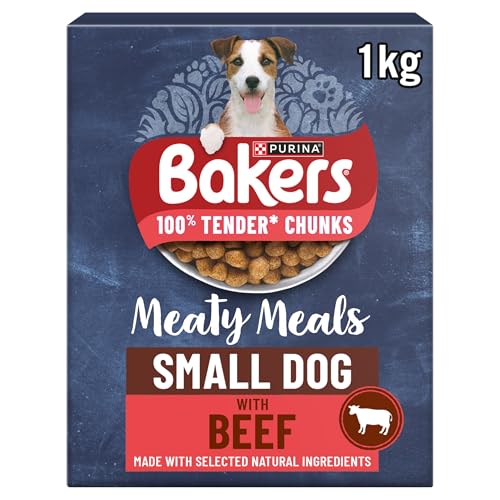
BAKERS Meaty Meals Small Adult Dry Dog Food Beef 1kg Pack of 5
Original price was: £17.50.£15.00Current price is: £15.00. *View On Amazon* - Dog Food
Wagg Meaty Goodness Complete Dry Adult Dog Food Beef 12kg
Original price was: £15.00.£12.80Current price is: £12.80. *View On Amazon* - Dog Food
BAKERS Meaty Meals Small Adult Dry Dog Chicken 1kg Pack of 5
Original price was: £21.45.£16.45Current price is: £16.45. *View On Amazon* - Dog Food
Natures Menu Raw Boost Dry Food for Dogs with Fresh Chicken 1.5kg
Original price was: £14.99.£13.59Current price is: £13.59. *View On Amazon* - Dog Food
Cesar Classic Terrine Wet Dog Food Tray Beef & Poultry in Loaf 24 x 150g
Original price was: £21.87.£16.69Current price is: £16.69. *View On Amazon* - Dog Food
Pedigree Adult Dog Wet Food Pouch Mixed Selection in Gravy 40 x 100 g
Original price was: £15.88.£11.49Current price is: £11.49. *View On Amazon* - Dog Food
Forthglade Cold Pressed Dry Dog Food 2kg Chicken & Vegetables
Original price was: £16.49.£15.84Current price is: £15.84. *View On Amazon* - Dog Food
Butcher’s Complete Wet Tray Adult Dog Food Traditional Recipes 12 x 150g
Original price was: £7.99.£6.50Current price is: £6.50. *View On Amazon* - Dog Food
Butcher’s Joints & Coat Wet Dog Food Variety Pack, 24 x 390 g
Original price was: £6.99.£6.35Current price is: £6.35. *View On Amazon* - Dog Food
Autarky Hypoallergenic Mature Lite Succulent Salmon Dry Dog Food for Senior Dogs 12 kg
Original price was: £36.99.£27.79Current price is: £27.79. *View On Amazon* - Dog Food
Arkwrights Chicken Dry Dog Food 15 kg
Original price was: £21.26.£16.19Current price is: £16.19. *View On Amazon*






What Is Dog Food?
Dog food is food made specifically for dogs. It is designed to suit canine feeding needs and is available in different formats such as dry kibble, wet tins, trays, pouches, pâté style food, chunks in gravy, puppy food, senior food and diet focused products where listed.
Some dog foods are described as complete, meaning they are intended to provide daily nutrition when fed according to the instructions. Others may be complementary, meaning they should usually be fed alongside a suitable complete diet.
Dog food is not the same as cat food or general pet food. Dogs have their own nutritional requirements, so food should be chosen specifically for dogs and matched carefully to the individual animal.
What Is Dog Food Used For?
Dog food is used for everyday feeding, growth, maintenance, energy, meal routines and general dog care. It helps provide meals that suit the dog’s life stage, body size and daily activity level where the product guidance supports that use.
Puppies usually need food designed for growth where listed. Adult dogs need suitable maintenance food. Senior dogs may need food designed with older dogs in mind, depending on the product and any veterinary guidance.
Dog food can also support different household routines. Some owners prefer dry food because it is easy to store and measure. Others choose wet food because their dog prefers softer meals. Many dogs are fed a mix where suitable.
How To Choose The Right Dog Food
Start with your dog’s life stage. Puppy, adult and senior dog foods are usually made with different needs in mind, so check the product description and feeding guide before buying.
Next, consider your dog’s size and breed type where relevant. Small dogs, medium dogs and large dogs may need different kibble sizes, portion amounts or product types depending on the listing. A large breed puppy, for example, may need a different approach from a small adult dog.
Think about activity level too. A working dog, active outdoor dog or sporty dog may have different feeding needs from a less active indoor dog. Portion guidance should be followed carefully and adjusted only where appropriate.
If your dog has allergies, digestive issues, weight concerns, skin problems, dental issues, kidney concerns, diabetes or any diagnosed condition, speak to a qualified vet before changing food or choosing specialist products.
Key Features To Compare
When comparing dog food, look at life stage, food type, complete or complementary wording, ingredients, protein source, kibble size, texture, flavour, pack size, feeding instructions, allergens and storage guidance.
Texture can matter. Some dogs prefer crunchy dry food, while others prefer wet food, softer textures or mixed feeding where suitable. If your dog is fussy, smaller packs may be useful when trying a new food.
Pack size should suit your routine. Larger bags can be practical for regular feeding, but they need proper storage. Smaller packs may be better for trial use, travel or dogs with changing preferences.
Feeding instructions are important. The right amount can depend on weight, age, activity, neuter status, body condition and whether the dog receives treats or other foods during the day.
Ingredients and dietary suitability should be checked carefully, especially if your dog has known sensitivities or has been advised to follow a particular diet.
Dry Dog Food Compared With Wet Dog Food
Dry dog food and wet dog food both have practical uses, but they suit different routines. Dry food is usually easier to store, measure and serve. It may also be more convenient for feeding schedules and travel where suitable.
Wet dog food usually has a softer texture and stronger smell, which some dogs find appealing. It may be useful for dogs that prefer softer meals or need food that is easier to chew where appropriate.
Wet food usually needs more careful storage once opened and may create more packaging waste. Dry food should be kept sealed, dry and away from heat, damp and pests.
Neither format is automatically better for every dog. The right choice depends on your dog’s needs, preference, routine and any professional advice that applies.
Guidance For Puppies Adult Dogs And Senior Dogs
Puppies should usually be fed food suitable for growth where listed. Puppy food may be designed to support young dogs during development, but feeding amounts and timing should follow the product guidance.
Adult dogs need food that suits their size, activity level and body condition. Regular weighing and monitoring can help you notice changes in weight or appetite.
Senior dogs may benefit from food made for older dogs where suitable. If an older dog suddenly becomes fussy, loses weight, gains weight, drinks more, struggles to chew or changes appetite, it is sensible to seek veterinary advice.
For all life stages, food changes should usually be made gradually unless a vet advises otherwise. Sudden changes can upset some dogs.
Use Cases By Dog Type And Lifestyle
For small dogs, kibble size, portion control and flavour preference may be important. Smaller dogs may need smaller pieces where listed and careful measuring because portions can be easy to overestimate.
For large dogs, pack size, feeding quantity, joint support wording where listed and breed size suitability may be worth comparing. Always check whether the product is intended for large breeds where that matters.
For active dogs, energy needs may be higher depending on routine, but food choice should still be based on product guidance and body condition.
For less active dogs, portion control and treat management may matter more. Weight management foods may be available where listed, but they should be used carefully and with vet guidance where needed.
For dogs with sensitive stomachs, allergies or specialist health needs, avoid guessing. Choose products only with suitable guidance and speak to a vet before making major changes.
For multi dog homes, different dogs may need different foods. Feeding separately can help if one dog eats too quickly, steals food or needs a special diet.
Complete Foods Treats And Complementary Feeding
Complete dog food is intended to provide the main daily nutrition for dogs when used according to the feeding instructions. This wording is important, so check the label before relying on a food as the main diet.
Complementary dog food is not usually intended to be the full diet on its own. It may include toppers, mixers, broths, snacks or occasional foods where listed.
Dog treats can be useful for training, rewards and bonding, but they should be fed sensibly. Too many treats can affect weight and meal balance.
If you use toppers, chews, treats or complementary foods, remember to consider the total amount your dog eats across the day.
Fit Compatibility And Feeding Practicality
Dog food should fit your dog’s needs and your daily routine. If you measure meals carefully, dry food and a scoop or scale may be useful. If your dog prefers softer meals, wet food may be easier to serve where suitable.
Bowl choice can affect feeding too. Some dogs may benefit from slow feeders where suitable and listed, especially if they eat very quickly. Raised bowls, travel bowls or non slip bowls may also be useful depending on the dog and home setup.
Storage space matters. Large dry food bags may need a sealed container, while wet food multipacks need cupboard space and opened portions may need refrigeration according to the label.
If changing food, introduce the new food gradually where suitable. Mixing small amounts into the existing food over time may help some dogs adjust.
Safety Hygiene And Sensible Feeding
Dog food should be served and stored safely. Follow the product feeding and storage instructions, including guidance for opened wet food, dry food freshness and use by dates.
Keep bowls clean and remove uneaten wet food after a suitable period, especially in warm weather. Dry food should be kept sealed and protected from damp, pests and strong smells.
Fresh water should always be available where appropriate, especially when feeding dry food or during warm weather and exercise.
Do not feed dogs foods that are unsuitable for them. Human foods, cat food and certain ingredients can cause problems. If your dog eats something they should not, seek veterinary advice.
If your dog stops eating, eats much more than usual, vomits repeatedly, loses weight, gains weight quickly or shows signs of illness, contact a vet.
Care Maintenance And Storage
Store dog food according to the label. Dry food should usually be kept sealed in a cool, dry place. Wet food should be stored as instructed, and opened portions should be handled carefully.
Check packaging before use. Do not feed food from damaged, swollen, leaking or heavily dented containers. Do not use food that smells unusual, looks mouldy or is past its use guidance.
Wash bowls regularly and keep feeding areas clean. Food mats can help catch spills, especially with wet food, water bowls or enthusiastic eaters.
If using food storage tubs, clean them before refilling so old crumbs, oils or residue do not build up.
Useful Accessories To Consider
Useful accessories can include dog bowls, water bowls, slow feeders, food storage tubs, measuring scoops, feeding mats, treat pouches, travel bowls, dog treats, grooming products and cleaning supplies.
For dry food, a sealed storage tub and scoop can make portioning easier. For wet food, spare bowls and a wipe clean feeding mat can help keep mealtimes tidier.
For training routines, treat pouches and suitable treats may be useful where appropriate. For travel, collapsible bowls and smaller food containers can make feeding away from home easier.
Why Buy Dog Food From YPC?
At YPC, we understand active lifestyles and the need for practical products that work in real use. Dog food can vary by life stage, format, flavour, ingredients, portion guidance, pack size, dietary suitability and storage needs, so comparing the details helps you choose with more confidence.
YPC helps you browse dog food with real everyday care in mind, whether you are buying for a puppy, adult dog, senior dog, small breed, large breed, active dog, fussy eater or multi dog household. Explore the Dog Food category to browse the available options and compare the features that matter most for your dog’s feeding routine.
FAQs
What is dog food used for?
Dog food is used to provide suitable meals for dogs based on their age, size, activity level and feeding needs. It can include dry food, wet food, puppy food, senior food, treats and specialist options where listed.
What is the difference between dry and wet dog food?
Dry dog food is usually easier to store, measure and serve, while wet dog food has a softer texture and may appeal to dogs that prefer moist meals. The right choice depends on your dog and routine.
What does complete dog food mean?
Complete dog food means the product is intended to provide the main daily nutrition for a dog when fed according to the instructions. Always check the label before using it as the main diet.
Can puppies eat adult dog food?
Puppies usually need food designed for growth where listed. Adult dog food may not meet their needs, so choose puppy suitable food and follow feeding guidance.
How do I choose food for a fussy dog?
For fussy dogs, compare texture, flavour, smell and format. Smaller packs can be useful when trying new food. If fussiness appears suddenly or your dog stops eating, seek veterinary advice.
Should small dogs and large dogs eat different food?
Some dog foods are designed for different breed sizes where listed. Kibble size, portion guidance and suitability can vary, so check the product details before buying.
Can I mix wet and dry dog food?
Many owners use both wet and dry dog food where suitable. Make sure the total amount fed is appropriate and that complete food remains the main part of the diet unless advised otherwise.
Are dog treats part of a normal diet?
Dog treats can be used occasionally for training or rewards, but they should not replace complete dog food. Too many treats can affect weight and meal balance.
How should I store dog food?
Store dry food sealed in a cool, dry place. Store wet food according to the label and refrigerate opened portions where instructed. Do not use food that is damaged, mouldy or past its use guidance.
When should I ask a vet about dog food?
Ask a vet if your dog has health conditions, allergies, weight concerns, digestive issues, skin problems, dental issues, diabetes, kidney concerns or sudden appetite changes.
 Getting ready for Summer? View our Home and Garden Products

Heading outdoors this winter? Take a look at our Outdoor Clothing.