
Dog Grooming
Dog grooming products are designed to help keep your dog’s coat, claws and general hygiene easier to manage at home. They can be used for brushing, de shedding, detangling, bathing, nail trimming, drying, cleaning and regular coat maintenance, depending on the product type and your dog’s needs.
The right dog grooming product should suit your dog’s breed, coat length, skin sensitivity, age, temperament and grooming routine. Brush type, comb style, clipper suitability, shampoo type, handle comfort, cleaning method and safety features are all worth comparing before choosing.
- Dog Grooming
Dog Grooming Scissors Set – 5 Piece Pet Grooming Kit for Dogs, Cats & All Pets
Original price was: £9.95.£8.99Current price is: £8.99. *View On Amazon* - Dog Grooming
Dog Dryer High Velocity Pet Dryer 5.2HP/2800W Black
Original price was: £53.68.£45.63Current price is: £45.63. *View On Amazon* - Dog Grooming
FeelNeedy Dual-Sided Dematting & Deshedding Dog Brush
Original price was: £6.99.£5.94Current price is: £5.94. *View On Amazon* - Dog Grooming
Rosewood Soft Protection Slicker Brush for Dogs, Large
Original price was: £9.00.£4.99Current price is: £4.99. *View On Amazon* - Dog Grooming
2 Pack Pet Hair Remover Gloves, Dual-Sided Grooming Gloves
Original price was: £7.99.£7.59Current price is: £7.59. *View On Amazon* - Dog Grooming
Dog Grooming Hammock Table Foldable Pet Bath Stand D0a4-C One Size
£15.99 *View On Amazon* - Dog Grooming
oneisall Quiet Dog Clippers Upgraded Pro with 5-in-1 Blade
Original price was: £30.99.£22.99Current price is: £22.99. *View On Amazon* - Dog Grooming
oneisall Dog Clippers & Paw Trimmer Dual Blade Grooming Kit for Thick Hair
Original price was: £45.69.£32.29Current price is: £32.29. *View On Amazon* - Dog Grooming
Wahl Colour Pro Rechargeable Dog & Pet Clipper with Colour Coded Combs
Original price was: £49.99.£40.00Current price is: £40.00. *View On Amazon* - Dog Grooming
7.0 inches Professional Dog Grooming Scissors Set with Comb
Original price was: £44.99.£36.82Current price is: £36.82. *View On Amazon* - Dog Grooming
oneisall Dog Grooming Clippers & Paw Trimmer Kit 2-in-1 with LED Light
Original price was: £40.99.£29.99Current price is: £29.99. *View On Amazon* - Dog Grooming
USION Pet Grooming Glove 2 Pack, 259 Pins Pet Hair Remover
Original price was: £6.99.£6.29Current price is: £6.29. *View On Amazon* - Dog Grooming
oneisall Dog Grooming Vacuum 15000Pa Pet Vacuum Kit for Shedding
Original price was: £129.99.£79.97Current price is: £79.97. *View On Amazon*

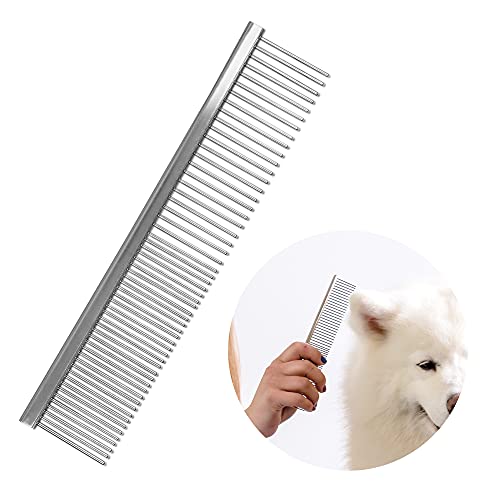


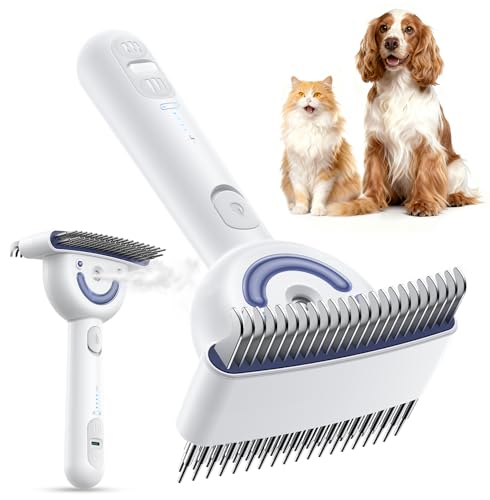


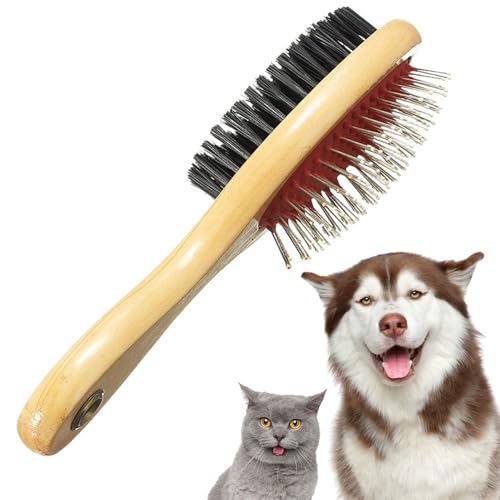

What Is Dog Grooming?
Dog grooming is the routine care used to help maintain a dog’s coat, skin, claws and cleanliness. It can include brushing, combing, bathing, drying, trimming, de shedding, paw care and nail care, depending on the dog and the products used.
Products in this category may include dog brushes, combs, de shedding tools, slicker brushes, grooming gloves, nail clippers, dog shampoos, conditioners, pet towels, grooming wipes, coat sprays, clippers, trimmers and grooming kits, depending on what is listed.
Different dogs need different grooming routines. A short coated dog may only need occasional brushing, while a long coated, curly coated or double coated dog may need more regular care to help prevent knots, matting and loose hair build up.
What Are Dog Grooming Products Used For?
Dog grooming products are used to help remove loose fur, manage shedding, reduce tangles, keep coats cleaner and support everyday hygiene. They can also make it easier to check your dog’s skin, paws, ears and coat for dirt, burrs, ticks, sore areas or changes that may need attention.
For regular pet owners, grooming can help keep the home cleaner by reducing loose hair on furniture, carpets and clothing. For active dogs, grooming can help remove mud, grass seeds and outdoor debris after walks, camping trips or garden play.
Grooming can also be a useful bonding routine when done calmly and gently. Many dogs enjoy being brushed once they are used to the process, but nervous dogs may need slow introductions and short sessions.
How To Choose The Right Dog Grooming Product
Start by looking at your dog’s coat type. Short haired dogs may suit grooming gloves, soft brushes or de shedding tools where appropriate. Long haired dogs may need combs, slicker brushes and detangling tools. Curly or woolly coats may need more careful brushing and clipping routines depending on the breed and coat condition.
Next, think about what you need the product to do. A brush is useful for loose hair and coat smoothing. A comb can help check for knots and tangles. Nail clippers are used for claw care. Shampoo and wipes are used for cleaning. Clippers and trimmers may be useful for coat maintenance where suitable.
Your dog’s temperament matters too. If your dog dislikes grooming, choose gentle tools and start with short calm sessions. A grooming glove may feel less worrying than a firm brush. A dog that is used to grooming may tolerate more detailed brushing, combing or trimming.
Also consider how easy the product is for you to use. A comfortable handle, simple cleaning method and clear instructions can make grooming less stressful for both you and your dog.
Key Features To Compare
When comparing dog grooming products, look at coat suitability, tool shape, bristle type, tooth spacing, blade design where listed, handle grip, washable parts, safety guards and product instructions.
For brushes, softer bristles may suit sensitive dogs or lighter grooming, while slicker brushes and pin brushes may be more useful for longer or thicker coats where suitable. The tool should work through the coat without scraping the skin or pulling harshly.
For combs, tooth spacing matters. Wider teeth can help with thicker coats and early detangling, while finer teeth may be useful for checking smaller areas or finishing work where suitable.
For nail clippers, grip and cutting control are important. Dog claws vary in thickness, so choose a product that suits the size of your dog. Safety guards where listed may help, but careful handling is still needed.
For shampoos and coat cleaners, check that the product is made for dogs. Avoid using human shampoo unless a qualified professional says it is suitable, as dog skin and coat care needs are different.
Dog Brushes Compared With Combs Clippers And Grooming Gloves
Dog brushes are often used for regular coat care. They can help remove loose hair, smooth the coat and make shedding easier to manage depending on the brush type.
Combs are useful for working through the coat more carefully. They can help find knots, check for tangles and separate longer hair. They are especially useful for dogs with feathering, long coats or areas that tangle easily.
Clippers and trimmers are used for cutting or maintaining coat length where suitable. They need careful use, especially around sensitive areas, mats, folds, paws and ears. If you are unsure, professional grooming may be safer.
Grooming gloves can be a gentle option for dogs that dislike normal brushes. They feel more like stroking and can help collect loose fur during calm handling.
De shedding tools can be useful for dogs that shed heavily, but they should be used according to the product guidance and not overused.
Guidance For Puppies Adult Dogs And Senior Dogs
Puppies should be introduced to grooming slowly and positively. A soft brush, gentle handling and short sessions can help them learn that grooming is normal and safe. Early calm experiences can make adult grooming much easier.
Adult dogs may need different tools depending on coat type, lifestyle and season. Dogs that swim, roll, walk in muddy areas or spend lots of time outdoors may need more regular cleaning and coat checks.
Senior dogs may need extra patience. They may be stiffer, more sensitive or less able to stand for long grooming sessions. Softer tools, non slip surfaces and shorter grooming times can make the routine more comfortable.
Dogs with skin problems, pain, anxiety, ear issues, sore paws or heavy matting may need advice from a vet or professional groomer before home grooming is attempted.
Use Cases By Coat Type And Lifestyle
For short coated dogs, grooming gloves, soft brushes or rubber style tools where suitable may help remove loose hair and keep the coat looking tidy.
For long coated dogs, combs, slicker brushes and detangling tools may be useful because knots can form behind the ears, under the legs, around the tail and in feathered areas.
For double coated dogs, de shedding tools and undercoat brushes where suitable may help manage seasonal shedding. Do not shave or strip coats unless this is appropriate for the breed and advised by someone with suitable knowledge.
For curly coated dogs, regular brushing and clipping may be needed to help prevent mats. Coat care can be more involved, so professional grooming may still be required.
For active dogs, towels, wipes, shampoos and paw cleaning products can be useful after muddy walks, camping trips, beach days or wet weather outings.
For nervous dogs, grooming gloves, treats, calm handling and very short sessions can help build confidence over time.
Fit Compatibility And Practical Use
Dog grooming tools should be suitable for the dog’s size, coat and tolerance level. A large slicker brush may feel too much for a tiny dog, while a small soft brush may not be effective on a thick double coat.
Work gently and avoid forcing tools through knots. If a tangle does not come away easily, stop and use a suitable detangling method or seek professional help.
Choose a quiet place with good lighting and enough space. A non slip mat can help dogs feel more secure when standing for grooming. Keep tools within reach so you do not have to keep leaving the dog unattended.
If using clippers or trimmers, check the product instructions carefully. Make sure the coat is suitable, the blade or guard is correct, and the dog is calm enough for safe use.
Safety Care Maintenance And Hygiene
Dog grooming should never cause pain, fear or distress. Stop if your dog becomes very anxious, sore, aggressive or uncomfortable. Short sessions are often better than trying to complete everything at once.
Check your dog’s skin while grooming. Redness, sores, bald patches, swelling, parasites, wounds, strong odours or painful mats may need advice from a vet or professional groomer.
Be careful with scissors, clippers, blades and nail tools. Cutting too close to the skin or claw quick can cause pain and bleeding. If you are unsure, ask a vet, groomer or experienced professional to show you the correct method.
Clean grooming tools after use where suitable. Remove trapped fur from brushes and combs, wipe handles if needed and store tools clean and dry. Do not share grooming tools between dogs if there is a skin issue, parasite concern or hygiene risk.
Use shampoos, sprays and wipes only as directed. Rinse products properly where required and avoid eyes, ears and sensitive areas unless the product guidance says it is suitable.
Useful Accessories To Consider
Useful accessories can include dog towels, grooming wipes, pet hair rollers, nail clippers, dog shampoo, conditioners, drying coats, non slip mats, grooming tables where suitable, treat pouches and storage bags.
For dogs that shed, pet hair rollers and washable bedding can help keep the home easier to manage. For bathing, towels, shower attachments and gentle dog shampoo where suitable can make cleaning more practical.
For regular grooming routines, keeping brushes, combs, wipes and nail tools together in one bag or box can make sessions quicker to set up and easier to manage.
For dogs that dislike grooming, treats, patience and calm handling are often just as important as the tool itself.
Why Buy Dog Grooming Products From YPC?
At YPC, we understand active lifestyles and the need for practical products that work in real use. Dog grooming products can vary by coat suitability, tool type, comfort, safety features, cleaning needs and ease of handling, so comparing the details helps you choose with more confidence.
YPC helps you browse dog care products with real pet ownership in mind, whether you are buying for a puppy, a long haired dog, a heavy shedder, an active outdoor dog, a senior dog or everyday home grooming. Explore the Dog Grooming category to browse the available options and compare the features that matter most for your dog’s routine.
FAQs
What dog grooming products do I need?
The most useful products depend on your dog’s coat and care needs. Many owners use a brush or comb, while some dogs may also need nail clippers, shampoo, grooming wipes, de shedding tools or clippers where suitable.
How often should I groom my dog?
Grooming frequency depends on coat type, shedding, activity level and breed needs. Short coated dogs may need occasional brushing, while long coated or curly coated dogs may need more regular care.
What brush is best for a short haired dog?
A soft brush, rubber grooming tool or grooming glove where suitable may work well for short haired dogs. Choose a tool that removes loose fur without irritating the skin.
What grooming tool is best for long haired dogs?
Long haired dogs may benefit from a comb, slicker brush or detangling tool where suitable. Regular gentle grooming helps prevent knots from becoming painful mats.
Can I clip my dog’s coat at home?
Some owners may be able to trim or clip their dog at home with suitable tools and knowledge. If the coat is matted, the dog is nervous or you are unsure, a professional groomer is usually safer.
How do I trim my dog’s nails safely?
Use suitable dog nail clippers and trim carefully, avoiding the quick. If you are unsure where to cut, ask a vet, groomer or experienced professional to show you.
Do dogs need baths often?
Bathing needs vary by dog, coat and lifestyle. Many dogs only need baths when dirty or smelly, while others may need a more regular routine. Use dog suitable shampoo and follow product guidance.
How can I make dog grooming less stressful?
Keep sessions short, calm and positive. Start with gentle handling, reward relaxed behaviour and stop before your dog becomes overwhelmed. Building a routine slowly often works better than forcing a long grooming session.
 Getting ready for Summer? View our Home and Garden Products

Heading outdoors this winter? Take a look at our Outdoor Clothing.