
Aquarium Cleaning and Maintenance
Aquarium cleaning and maintenance products help keep fish tanks, aquariums and aquatic habitats cleaner, clearer and easier to manage. They can be used for water changes, gravel cleaning, algae removal, filter care, glass cleaning, waste removal and general aquarium upkeep, depending on the products listed.
The right aquarium cleaning product should suit your tank size, fish type, filter setup and maintenance routine. Whether you keep a small home aquarium, a larger tropical tank, a cold water setup or a planted aquarium, it is worth comparing compatibility, ease of use, cleaning method, storage and care guidance before choosing.
- Aquarium Cleaning and Maintenance
Evolution Aqua Pure Aquarium Balls, 25 Pack
Original price was: £8.25.£7.95Current price is: £7.95. *View On Amazon* - Aquarium Cleaning and Maintenance
API Stress Zyme Aquarium Cleaning Solution 30 ml
£2.20 *View On Amazon* - Aquarium Cleaning and Maintenance
Stainless Steel Curved Aquarium Tongs, 27 cm Feeding Tweezers
£4.69 *View On Amazon* - Aquarium Cleaning and Maintenance
LUVDECO 3-in-1 Manual Aquarium Gravel Cleaner Siphon Pump Kit
Original price was: £6.99.£5.59Current price is: £5.59. *View On Amazon* - Aquarium Cleaning and Maintenance
3 in 1 Fish Tank Cleaning Kit with 16 inch Detachable Rod
Original price was: £3.99.£3.79Current price is: £3.79. *View On Amazon* - Aquarium Cleaning and Maintenance
Aquarium Cleaning Kit with Extractor, Filter and Brush
£7.65 *View On Amazon* - Aquarium Cleaning and Maintenance
5 Piece Aquarium Fish Net and Cleaning Brush Set with Extendable Handle
£8.99 *View On Amazon* - Aquarium Cleaning and Maintenance
AQQA 6-in-1 Aquarium Cleaning Kit with Telescopic Handle
Original price was: £13.79.£11.03Current price is: £11.03. *View On Amazon* - Aquarium Cleaning and Maintenance
4 in 1 Stainless Steel Aquarium Aquascaping Tool Set
£9.89 *View On Amazon* - Aquarium Cleaning and Maintenance
ARKA Xtreme Tap Safe Aquarium Water Conditioner 236 ml
£9.64 *View On Amazon* - Aquarium Cleaning and Maintenance
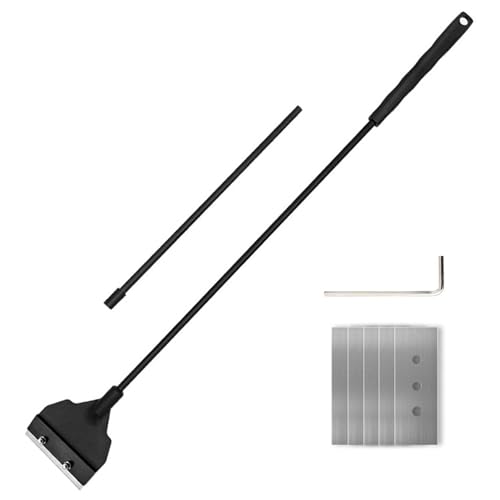
Gelishan 65 cm Aquarium Algae Scraper with 5 Replacement Blades
Original price was: £5.99.£4.99Current price is: £4.99. *View On Amazon* - Aquarium Cleaning and Maintenance
Interpet Sludge Buster Aquarium Treatment 125 ml
£8.07 *View On Amazon* - Aquarium Cleaning and Maintenance
Python No Spill Clean and Fill Aquarium Maintenance System, 50 Foot
Original price was: £86.78.£84.50Current price is: £84.50. *View On Amazon* - Aquarium Cleaning and Maintenance
RPHONGHONG 3-in-1 Fish Tank Cleaner Kit, 260 cm Aquarium Syphon, Grey
£10.99 *View On Amazon* - Aquarium Cleaning and Maintenance
14 Inch Straight Blade Aquarium Scissors and Forceps
£11.99 *View On Amazon* - Aquarium Cleaning and Maintenance
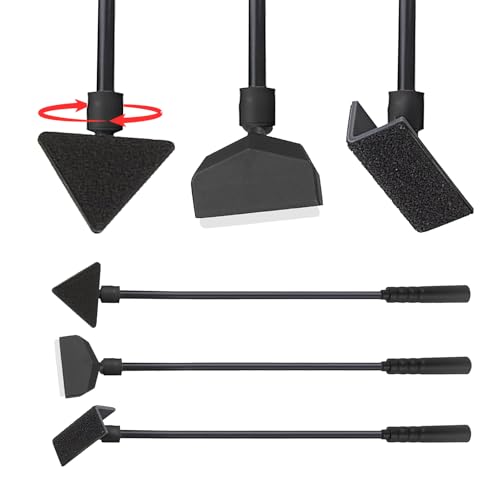
17-Piece Aquarium Cleaning Kit with 35 cm 3-in-1 Glass Cleaner
£9.49 *View On Amazon* - Aquarium Cleaning and Maintenance
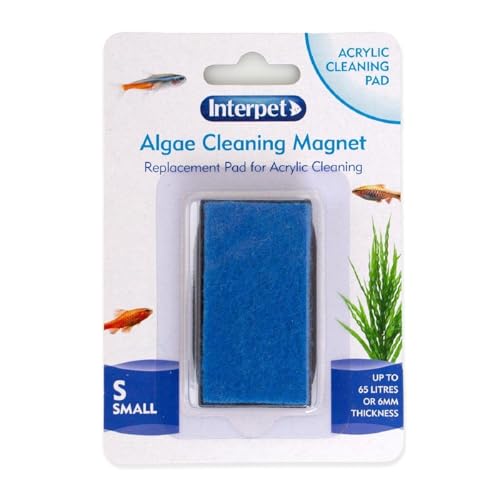
Interpet Replacement Blue Pad for Small Aquarium Cleaning Magnet
£2.99 *View On Amazon* - Aquarium Cleaning and Maintenance
Interpet Aquarium Algae Cleaning Magnet for Small Aquariums
Original price was: £7.19.£5.94Current price is: £5.94. *View On Amazon* - Aquarium Cleaning and Maintenance
Signstek 5-in-1 Aquarium Aquascaping Tool Set with Pouch
£13.99 *View On Amazon* - Aquarium Cleaning and Maintenance
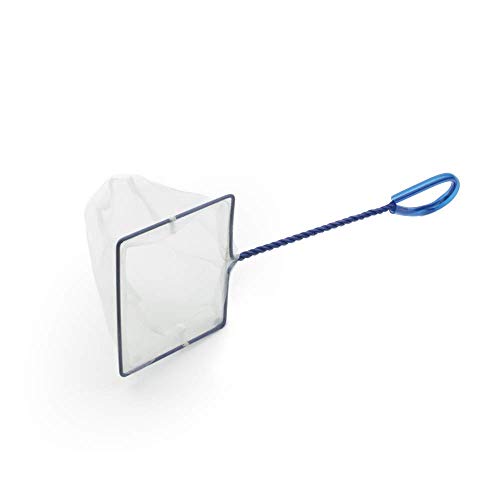
Interpet Fine Mesh Aquarium Fish Tank Catch Net, Large, 5 x 6 in
£6.04 *View On Amazon* - Aquarium Cleaning and Maintenance
2 Piece Extendable Fish Tank Net Set for Aquarium Cleaning
£5.49 *View On Amazon* - Aquarium Cleaning and Maintenance
Interpet Clean Aquarium Pods 24 Pack Water Treatment Pods
Original price was: £21.95.£20.55Current price is: £20.55. *View On Amazon* - Aquarium Cleaning and Maintenance
GWBPES Fish Tank Cleaning Kit for Aquarium Maintenance
£6.99 *View On Amazon* - Aquarium Cleaning and Maintenance
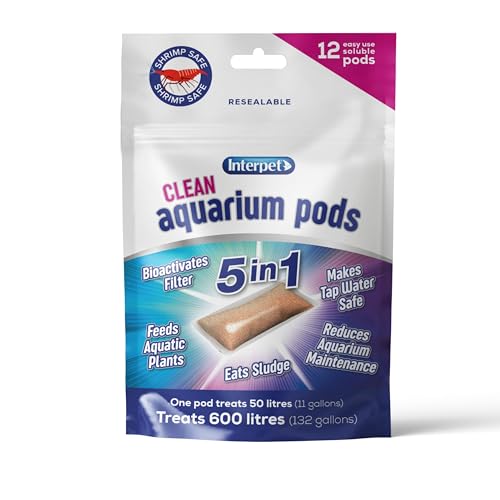
Interpet Clean Aquarium Pods 12 Pack for Freshwater Tanks
Original price was: £14.68.£13.20Current price is: £13.20. *View On Amazon*









What Is Aquarium Cleaning and Maintenance Equipment?
Aquarium cleaning and maintenance equipment includes the tools, accessories and products used to help keep an aquarium clean, balanced and suitable for aquatic life. This category can include gravel cleaners, siphons, algae scrapers, glass cleaners, filter brushes, water change tools, nets, buckets, maintenance kits, water testing items and cleaning accessories where listed.
Some products are used for regular weekly care, while others are useful for occasional deeper cleaning or specific problems such as algae build up, debris or filter blockages. Because aquariums vary widely, always choose products that suit your tank and livestock.
What Are Aquarium Cleaning Products Used For?
Aquarium cleaning products are used to remove waste, uneaten food, algae, debris and dirt from tanks without disturbing the aquarium more than necessary. They can help make routine maintenance quicker, cleaner and more controlled.
Gravel cleaners and siphons are often used during water changes to remove debris from the substrate. Algae scrapers and pads can help clean glass or acrylic where suitable. Filter brushes can help clean tubes, pipework and small parts. Nets can help remove floating debris or safely move fish where appropriate.
Good cleaning habits can support a healthier aquarium environment, but cleaning should be done carefully and gradually rather than stripping the tank completely.
How To Choose The Right Aquarium Cleaning Product
Start by thinking about your tank size and setup. A small aquarium may only need compact tools, while a larger tank may benefit from longer handles, larger siphons or more efficient water change accessories. Deep tanks may need tools with extra reach where listed.
Next, consider the surfaces and materials in your aquarium. Glass tanks and acrylic tanks may need different cleaning pads or scrapers, so check product suitability before use. A tool that is too abrasive could scratch some surfaces.
Also think about your fish, plants and decorations. A heavily planted tank may need more careful cleaning around roots and delicate areas. A tank with small fish, shrimp or fry may need gentler siphon control where suitable.
Key Features To Compare
When comparing aquarium cleaning and maintenance products, look at tank compatibility, material suitability, handle length, suction control, brush size, scraper type, ease of cleaning, storage and whether the product is intended for freshwater, marine or general aquarium use where listed.
For siphons and gravel cleaners, compare tube size, flow control, hose length and whether the design suits your substrate. Fine sand, gravel and planted areas may all need different care.
For algae tools, check whether they are suitable for glass, acrylic or both where stated. Magnetic cleaners, handled scrapers and cleaning pads can all feel different in use.
For filter cleaning tools, compare brush thickness, flexibility and length. Small pipework, impellers and filter tubes can be awkward to clean without the right sized tool.
Aquarium Cleaning Tools Compared With Water Treatments And Test Kits
Aquarium cleaning tools physically remove dirt, algae and waste from the tank. They are practical items used during regular maintenance and water changes.
Water treatments are different. They may be used to condition tap water, support water quality or treat specific issues where listed, but they do not replace physical cleaning or routine water changes.
Test kits are also different. They help monitor water conditions such as ammonia, nitrite, nitrate or pH where listed, but they do not clean the tank. They can help guide maintenance decisions, especially if the aquarium is new or changing.
The best routine often uses a mix of careful cleaning, regular water changes, suitable filtration and monitoring where appropriate.
Guidance For Beginners Regular Keepers And Experienced Aquarists
Beginners should choose simple, easy to control cleaning tools that suit their tank size. A basic siphon, algae pad and dedicated aquarium bucket can be a sensible starting point.
Regular fish keepers may want to compare longer lasting tools, better reach, easier flow control and more organised maintenance kits. A routine becomes easier when the right tools are ready to hand.
Experienced aquarists may prefer specific tools for different tanks, such as separate equipment for quarantine tanks, planted tanks, marine tanks or delicate species setups where suitable.
For any aquarium owner, patience matters. Cleaning too much at once can disturb the tank, so follow sensible aquarium care guidance and avoid sudden changes unless advised by a suitable expert.
Use Cases By Aquarium Type
For small aquariums, compact siphons, small algae pads and fine cleaning tools can help with controlled maintenance without removing too much water too quickly.
For larger tanks, longer hoses, larger gravel cleaners and extended handle tools may make cleaning more efficient. Storage and hose management can also become more important.
For planted aquariums, gentle tools are useful around plants, roots and substrate. Avoid disturbing planted areas more than necessary.
For cold water and tropical aquariums, regular cleaning tools can support basic upkeep, but always match water change routines to the needs of the fish and tank.
For marine aquariums, check product suitability carefully. Salt water setups may have different maintenance needs, and tools should be compatible with the tank type where stated.
Fit Compatibility And Practical Setup
Aquarium cleaning equipment should suit the tank, substrate, filter and livestock. A gravel cleaner that is too large may be awkward in a small tank, while a tiny siphon may be slow in a larger aquarium.
If using magnetic cleaners, check glass thickness and tank surface suitability where listed. If using scrapers, check blade or pad compatibility and avoid using damaged tools on aquarium surfaces.
Use dedicated aquarium cleaning equipment where possible. Buckets, cloths and tools used with household cleaners should not be used for aquariums, as residues may be harmful to fish.
Before cleaning, plan where water will go, how much will be removed and how replacement water will be prepared. A tidy setup helps reduce spills and stress.
Safety Hygiene Care And Storage
Aquarium cleaning products should be used carefully around fish, plants and equipment. Switch off electrical items where appropriate and safe to do so before water changes or maintenance, following the product guidance for filters, heaters and lights.
Do not use household soaps, detergents, bleach or strong cleaners inside an aquarium unless a product is specifically intended for aquarium use and the instructions clearly support it. Residues can be dangerous for aquatic life.
Clean tools after use and let them dry fully before storage. Store aquarium tools separately from household cleaning items to avoid contamination.
Check hoses, brushes, scraper edges and magnetic cleaners regularly for dirt, trapped grit, cracks or damage. A small piece of grit on a cleaning pad can scratch glass or acrylic, so inspect tools before use.
Useful Accessories To Consider
Useful accessories can include aquarium buckets, siphons, gravel cleaners, algae pads, magnetic cleaners, filter brushes, fish nets, water conditioners, test kits, towels, storage hooks and maintenance kits where suitable.
For regular care, keeping a dedicated aquarium bucket, towel and siphon together can make water changes easier. For planted tanks, smaller detail tools may help around tight areas.
For larger aquariums, hose clips, longer siphons and organised storage can make maintenance less messy and more practical.
Why Buy Aquarium Cleaning and Maintenance Products From YPC?
At YPC, we understand active lifestyles and the need for practical products that work in real use. Aquarium cleaning and maintenance products can vary by tank suitability, tool size, material compatibility, cleaning method, ease of use and care needs, so comparing the details helps you choose with more confidence.
YPC helps you browse aquarium care products with real home routines in mind, whether you are buying for small tanks, larger aquariums, planted setups, water changes, algae control or filter maintenance. Explore the Aquarium Cleaning and Maintenance category to browse the available options and compare the features that matter most for cleaner, easier aquarium care.
FAQs
What does Aquarium Cleaning and Maintenance include?
Aquarium Cleaning and Maintenance can include siphons, gravel cleaners, algae scrapers, magnetic cleaners, filter brushes, nets, water change tools, buckets, test kits and other aquarium care accessories where listed.
How often should I clean my aquarium?
Cleaning frequency depends on tank size, stocking level, filtration, feeding and water quality. Many aquariums need regular partial water changes and light cleaning, but the exact routine should suit the tank and livestock.
Can I use household cleaning products in an aquarium?
No, household cleaning products should not be used inside an aquarium unless they are clearly designed for aquarium use. Soap, detergent and chemical residues can be harmful to fish and aquatic life.
What is a gravel cleaner used for?
A gravel cleaner is used to remove debris, waste and uneaten food from the substrate during water changes. It helps clean the bottom of the tank while removing water at the same time.
Are algae scrapers safe for all tanks?
Not always. Some scrapers are suitable for glass, while others may be suitable for acrylic where stated. Check the product details carefully to avoid scratching the aquarium surface.
Do I need separate cleaning tools for my aquarium?
Using dedicated aquarium cleaning tools is sensible because it helps avoid contamination from household cleaners or other residues. Keep aquarium tools separate and store them clean and dry.
Can aquarium cleaning remove beneficial bacteria?
Over cleaning can disturb beneficial bacteria, especially if filter media and substrate are cleaned too aggressively. Clean gradually and follow suitable aquarium care guidance for your tank setup.
What should I check before buying aquarium maintenance products?
Check tank size, surface material, freshwater or marine suitability where listed, tool size, cleaning method, compatibility with your substrate and whether the product is safe for the aquarium type you keep.
 Getting ready for Summer? View our Home and Garden Products

Heading outdoors this winter? Take a look at our Outdoor Clothing.