
Aquarium Water Treatments and Test Kits
Aquarium water treatments and test kits are used to help fish keepers manage water quality, check tank conditions and support a healthier aquarium environment. They can be useful for new tanks, established aquariums, water changes, tropical tanks, cold water tanks, planted aquariums and community setups, depending on the product and water type listed.
The right products should match your aquarium size, fish species, water source and maintenance routine. Treatment type, test method, water parameter coverage, dosage guidance, tank compatibility and ease of use are all important details to compare before choosing.
- Aquarium Water Treatments and Test Kits
AquaCare Ammonia Liquid Aquarium Water Test Kit, 40 Tests
£8.99 *View On Amazon* - Aquarium Water Treatments and Test Kits
SimplexHealth Home Water Test Kit 3-in-1, 5 Test Strips
£4.99 *View On Amazon* - Aquarium Water Treatments and Test Kits
NT Labs Marine Lab Ammonia Test Kit for Marine Aquariums
£11.99 *View On Amazon* - Aquarium Water Treatments and Test Kits
VANSUKY 7-in-1 Aquarium Test Strips, 100 Strips
£8.19 *View On Amazon* - Aquarium Water Treatments and Test Kits
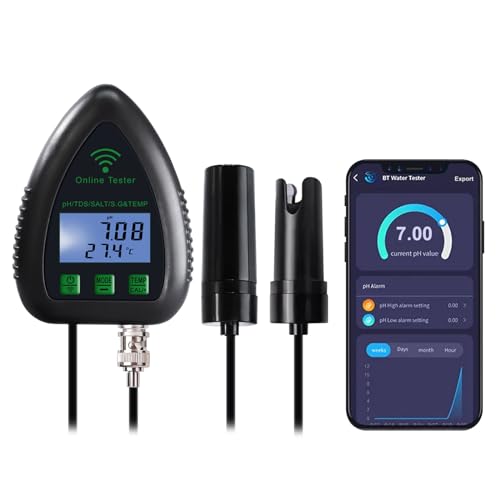
WiFi Water Quality Tester with App Monitoring for Aquarium Use
Original price was: £57.90.£55.90Current price is: £55.90. *View On Amazon* - Aquarium Water Treatments and Test Kits
2025 Upgraded 4-in-1 Digital Water Quality Tester, TDS/EC and Temperature Meter
£4.59 *View On Amazon* - Aquarium Water Treatments and Test Kits
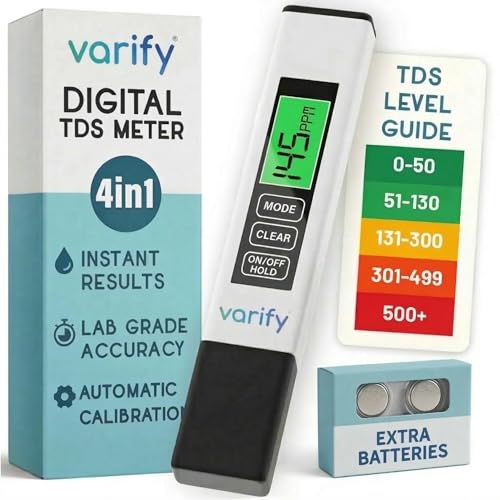
4-in-1 Digital TDS Meter Water Tester with EC and Temperature
£9.99 *View On Amazon* - Aquarium Water Treatments and Test Kits
API 3-Pack Carbonate KH Test Kit for Fresh and Saltwater Aquariums
£18.49 *View On Amazon* - Aquarium Water Treatments and Test Kits
7-in-1 Aquarium Water Test Strips, 50-Pack Test Kit
£5.99 *View On Amazon* - Aquarium Water Treatments and Test Kits
PRO Ultra Legionella Water Test Kit, 100 CFU/L, 25-Minute Results
£74.00 *View On Amazon* - Aquarium Water Treatments and Test Kits
White Test Tube Holder and Bottle Storage for API Masterkit Test Kit
£10.99 *View On Amazon* - Aquarium Water Treatments and Test Kits
Digital TDS Water Tester Pen with LCD Display, 0-9990 PPM
£4.49 *View On Amazon* - Aquarium Water Treatments and Test Kits
AquaCare Nitrite Liquid Test Kit for Freshwater Aquariums, 40 Tests
£8.99 *View On Amazon* - Aquarium Water Treatments and Test Kits
ausyde 50-Pack 16-in-1 Water Test Strips for Drinking Water
Original price was: £7.99.£6.79Current price is: £6.79. *View On Amazon* - Aquarium Water Treatments and Test Kits
Tetra Test Kit NO2 Nitrite Liquid Water Test Kit 2 x 10 ml
£12.09 *View On Amazon* - Aquarium Water Treatments and Test Kits
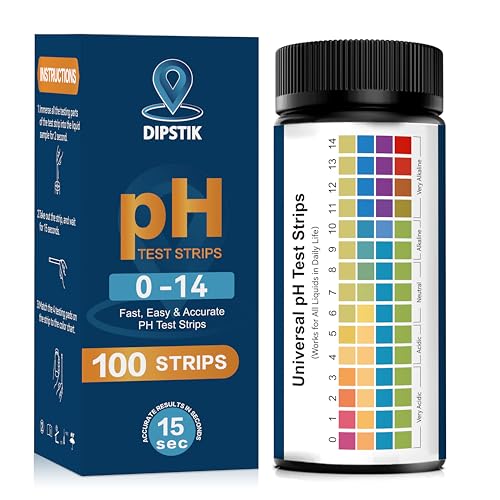
100 pH Test Strips 0-14 Universal Test Paper
£8.99 *View On Amazon* - Aquarium Water Treatments and Test Kits
Gipnva 100 PCS 9-in-1 Aquarium Test Strips
£7.34 *View On Amazon* - Aquarium Water Treatments and Test Kits
100-Piece 9-in-1 Aquarium Test Strips Water Test Kit
Original price was: £8.99.£6.49Current price is: £6.49. *View On Amazon* - Aquarium Water Treatments and Test Kits
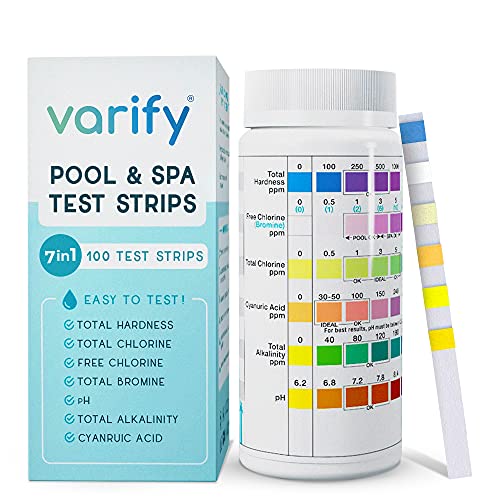
Varify 7-in-1 Pool and Spa Test Strips, 100 Strips
£8.99 *View On Amazon* - Aquarium Water Treatments and Test Kits
API Replacement Test Tubes for Aquarium Test Kits, 3 Pack
£6.99 *View On Amazon* - Aquarium Water Treatments and Test Kits
9-in-1 Aquarium Test Strips, 50-Pack Water Test Kit
£5.99 *View On Amazon* - Aquarium Water Treatments and Test Kits
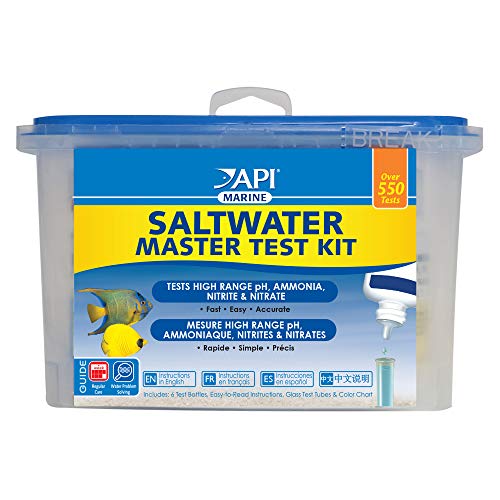
API Saltwater Master Test Kit 550-Test Aquarium Water Test Kit
£24.46 *View On Amazon* - Aquarium Water Treatments and Test Kits
Watersafe Coliform Bacteria Water Test Kit
£12.99 *View On Amazon* - Aquarium Water Treatments and Test Kits
Blagdon Quick & Easy Complete Pond Water Quality Dip Test Kit
£14.35 *View On Amazon*











What Are Aquarium Water Treatments and Test Kits?
Aquarium water treatments are products used to prepare, adjust or support aquarium water conditions where suitable. They may include water conditioners, dechlorinators, starter bacteria products, pH adjusters, hardness treatments, algae treatments and other specialist water care products, depending on what is listed.
Aquarium test kits are used to check water conditions. They may test for pH, ammonia, nitrite, nitrate, chlorine, hardness, carbonate hardness, phosphate or other parameters where listed.
Products in this category may include liquid test kits, test strips, digital testers, water conditioners, tap water treatments, filter bacteria products, pond and aquarium treatments and replacement testing accessories where available.
What Are Aquarium Water Treatments and Test Kits Used For?
Aquarium water treatments and test kits are used to support routine fish tank care. Test kits help you understand what is happening in the water, while treatments may help prepare tap water, support a new tank, adjust certain water conditions or deal with specific water quality concerns where suitable.
For new aquariums, testing can help monitor the tank as it settles. For established tanks, regular testing can help spot changes before they become more serious. After water changes, treatments such as water conditioners may be needed where tap water contains chlorine or chloramine.
These products should be used carefully and according to the instructions. They are tools for better aquarium care, not a replacement for suitable tank size, filtration, feeding control and regular maintenance.
How To Choose The Right Aquarium Water Treatment Or Test Kit
Start by deciding whether you need to test the water, treat the water or both. If you are unsure what is wrong in a tank, testing first is usually more useful than adding treatments without knowing the water conditions.
Next, check the aquarium type. Freshwater, tropical, cold water, planted and marine style setups can all have different water care needs. Do not assume every treatment or test kit suits every aquarium.
Think about the parameter you need to measure. Many fish keepers test for ammonia, nitrite, nitrate and pH as part of routine care. Other tests, such as hardness or phosphate, may be useful depending on the tank, water source and fish species.
For treatments, always check what the product is designed to do. A tap water conditioner is different from a pH adjuster, algae treatment or bacterial support product. Choose based on the actual water care need and the product guidance.
Key Features To Compare
When comparing aquarium water treatments and test kits, look at water type suitability, parameter coverage, test method, accuracy guidance where listed, dosage instructions, bottle size, treatment purpose, tank capacity guidance and expiry or storage information.
Liquid test kits may offer more detailed testing where listed, while test strips can be quick and convenient for routine checks. The better choice depends on your experience level, time and how much detail you need.
For water treatments, dosage clarity is very important. A good product should make it clear how much to use for a given amount of water. Always measure tank volume carefully and follow the instructions rather than guessing.
Compatibility also matters. Some products may not be suitable for certain fish, invertebrates, plants, filters or water types unless stated. Read the description carefully before adding anything to an aquarium.
Water Treatments Compared With Test Kits
Water treatments and test kits do different jobs. A test kit checks water conditions and helps you understand what may be happening inside the aquarium.
A water treatment is added to the water to perform a specific task, such as treating tap water, supporting filtration bacteria where listed or adjusting a particular water parameter.
Test kits are useful for decision making. Treatments are useful when there is a clear reason to use them. Using both properly can help make aquarium care more controlled and less based on guesswork.
For example, if fish appear stressed, testing water may help identify whether ammonia, nitrite, nitrate, pH or other conditions need attention. Adding random treatments without testing can make problems harder to understand.
Guidance For Beginner Regular And Experienced Fish Keepers
Beginners should start with essential testing and water preparation products. A suitable water conditioner, thermometer, filter and basic test kit can be more useful than buying many treatments at once.
Regular fish keepers may want to keep a more complete testing routine, especially for ammonia, nitrite, nitrate and pH where suitable. This can help monitor water changes, stocking levels and filter performance over time.
Experienced fish keepers may use more specific tests for planted tanks, sensitive species, breeding setups or specialist aquariums. They may also compare liquid kits, digital tools, hardness tests and targeted treatments more closely.
Whatever your experience level, water care should be consistent. Sudden changes, overdosing or using several products together without guidance can be risky for fish.
Use Cases By Aquarium Type And Situation
For new tanks, test kits can help monitor the aquarium during setup and early stocking. Bacterial support products may be used where suitable, but they should not replace patient tank cycling and regular testing.
For routine water changes, water conditioners may be useful where tap water needs treatment before being added to the tank. Always follow the product dosage guidance.
For tropical aquariums, testing pH, ammonia, nitrite and nitrate can help support a stable environment. Fish species may have different needs, so check suitable water conditions before choosing treatments.
For cold water tanks, water quality is still important. Goldfish and similar fish can produce a lot of waste, so testing and suitable filtration are especially worth considering.
For planted tanks, tests for nitrate, phosphate, hardness or pH may be useful depending on the setup. Plant fertilisers and water treatments should be chosen carefully to suit both plants and livestock.
For problem solving, test before treating where possible. Cloudy water, algae, unusual fish behaviour or poor plant growth can have different causes, so accurate information is valuable.
Fit Compatibility And Practical Setup
Aquarium water treatments and test kits should be compatible with your tank size, water type and livestock. Check whether the product is suitable for freshwater, marine, tropical, cold water, planted tanks or ponds where listed.
Tank volume matters for treatments. Dosing should usually be based on the amount of water being treated, not guessed by eye. If you are treating water for a water change, measure the replacement water carefully.
Some test kits require careful timing, colour comparison or reagent mixing. Follow the instructions exactly, as incorrect testing can give misleading results.
If you use filter media, UV equipment, carbon, medications or plant fertilisers, check whether these affect or interact with water treatments where listed. Compatibility can vary by product.
Water Quality Dosing And Routine Testing
Good aquarium care relies on stable water conditions. Test kits can help you track changes over time, especially after setting up a new tank, adding fish, changing filters or adjusting feeding.
Do not overdose water treatments. More product does not automatically mean better results. Overdosing can be harmful, so use the correct amount and avoid mixing products unless the instructions clearly say they can be used together.
Keep a simple testing routine if you are managing an aquarium regularly. Testing before and after major changes can help you understand how the tank responds.
If water readings are poor, look at the whole setup. Filtration, stocking level, feeding, maintenance and water change routine can all affect results. A treatment may help in some situations, but it should not hide ongoing care problems.
Safety Care Maintenance And Storage
Aquarium treatments and test kits should be kept out of reach of children and pets. Store bottles, strips, reagents and chemicals according to the product guidance, away from heat, damp and direct sunlight where needed.
Do not use expired, contaminated or incorrectly stored test products if the result may be unreliable. Test strips should usually be kept dry and sealed where the product guidance requires it.
Avoid touching aquarium water, food or equipment with chemical residue on your hands. Wash hands after using water treatments or test reagents and before handling other aquarium items.
Never mix aquarium chemicals unless the instructions clearly allow it. Some combinations may affect water quality, fish safety or test results.
If fish show distress, gasping, unusual swimming, loss of appetite or sudden behaviour changes, test the water and seek advice from a suitable aquatic specialist or vet where needed.
Useful Accessories To Consider
Useful accessories can include aquarium filters, replacement filter media, thermometers, gravel cleaners, algae scrapers, fish nets, water change buckets, siphons, fish food, air pumps and aquarium maintenance tools.
For routine care, a dedicated aquarium bucket, test kit, water conditioner and cleaning tools can make water changes more organised. Keep aquarium tools separate from household cleaning items.
For new tanks, a thermometer, basic test kit, conditioner and suitable filter can help form a practical setup. For established tanks, spare test supplies and replacement filter media may be worth keeping on hand where suitable.
Why Buy Aquarium Water Treatments and Test Kits From YPC?
At YPC, we understand active lifestyles and the need for practical products that work in real use. Aquarium water treatments and test kits can vary by water type, test coverage, dosage method, tank compatibility, ease of use and maintenance purpose, so comparing the details helps you choose with more confidence.
YPC helps you browse aquarium care products with real fish keeping routines in mind, whether you are setting up a new tank, maintaining a tropical aquarium, managing water changes, testing water quality or supporting an established fish tank. Explore the Aquarium Water Treatments and Test Kits category to browse the available options and compare the features that matter most for your aquarium.
FAQs
What are aquarium water treatments used for?
Aquarium water treatments are used to prepare, adjust or support tank water conditions where suitable. They may help treat tap water, support new tanks or deal with specific water care needs depending on the product.
What do aquarium test kits measure?
Aquarium test kits may measure pH, ammonia, nitrite, nitrate, chlorine, hardness, carbonate hardness, phosphate or other water parameters where listed. The exact tests depend on the kit.
Do I need to test aquarium water?
Testing aquarium water is useful because it helps you understand tank conditions rather than guessing. It is especially important in new tanks, after changes or when fish appear stressed.
Are test strips or liquid test kits better?
Test strips can be quick and convenient, while liquid test kits may offer more detailed readings where listed. The right choice depends on how much detail you need and how often you test.
When should I use aquarium water conditioner?
Aquarium water conditioner is often used when adding tap water to a tank, where the product is designed to treat chlorine, chloramine or related tap water concerns. Always follow the dosage instructions.
Can I add several aquarium treatments at once?
Only combine treatments if the product instructions clearly say it is safe. Mixing products without guidance can affect water chemistry, fish health or test results.
How often should I test my fish tank water?
Testing frequency depends on the tank age, fish load, maintenance routine and any problems. New tanks and problem tanks usually need more frequent testing than stable established aquariums.
How should I store aquarium test kits and treatments?
Store them sealed, dry and away from heat, damp, sunlight, children and pets. Follow the product storage instructions and avoid using expired or damaged test products.
 Getting ready for Summer? View our Home and Garden Products

Heading outdoors this winter? Take a look at our Outdoor Clothing.