
Reptile Cleaning and Maintenance
Reptile cleaning and maintenance products help keep vivariums, terrariums, tortoise tables and reptile enclosures cleaner, fresher and easier to manage. They are used for removing waste, cleaning surfaces, maintaining accessories, managing substrate areas and supporting regular habitat care, depending on the product and the species being kept.
The right cleaning and maintenance products should suit your reptile, enclosure type, substrate, humidity level and daily care routine. Lizards, snakes, tortoises, geckos and amphibians can all have different habitat needs, so it is important to compare suitability and product guidance carefully before buying.
- Reptile Cleaning and Maintenance
2 Pack Plastic Reptile Feeding Tweezers, 18 cm, Anti-Slip
Original price was: £5.99.£4.99Current price is: £4.99. *View On Amazon* - Reptile Cleaning and Maintenance
SLSON 100 Pack 0.5 oz Gecko Feeding Cups, Black Plastic
£7.19 *View On Amazon* - Reptile Cleaning and Maintenance
Magnetic Gecko Ledge Reptile Feeder with 1/2 Feeding Cups
£14.99 *View On Amazon* - Reptile Cleaning and Maintenance
Ronyme Insect Breeding Box with Mesh Ventilation and Drawer Tray
Original price was: £12.19.£11.78Current price is: £11.78. *View On Amazon* - Reptile Cleaning and Maintenance
Blue River Gecko Diet Mixing Bottle 240 ml with Whisk Ball and Brushes
£9.99 *View On Amazon* - Reptile Cleaning and Maintenance
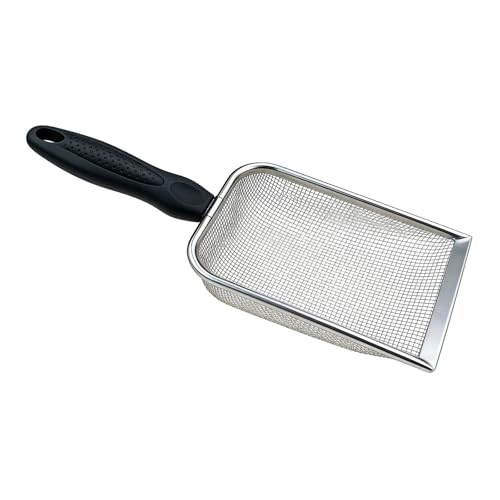
PRETYZOOM Stainless Steel Sand Shovel for Reptile Enclosures
£7.59 *View On Amazon* - Reptile Cleaning and Maintenance
Foldable Reptile Bath Set with Brush, Towel and Pet Tub
£10.40 *View On Amazon* - Reptile Cleaning and Maintenance
MONOJLY Stainless Steel Reptile Sand Shovel for Terrariums
£6.50 *View On Amazon* - Reptile Cleaning and Maintenance
MiOYOOW Magnetic Reptile Feeding Ledge with 2 Feeding Cups
£15.99 *View On Amazon* - Reptile Cleaning and Maintenance
PlushPlumage Stainless Steel Cat Litter Scoop, Silver
£7.99 *View On Amazon* - Reptile Cleaning and Maintenance
PLUSHCEWT Stainless Steel Cat Litter Scoop with Rubber Handle
£12.01 *View On Amazon* - Reptile Cleaning and Maintenance
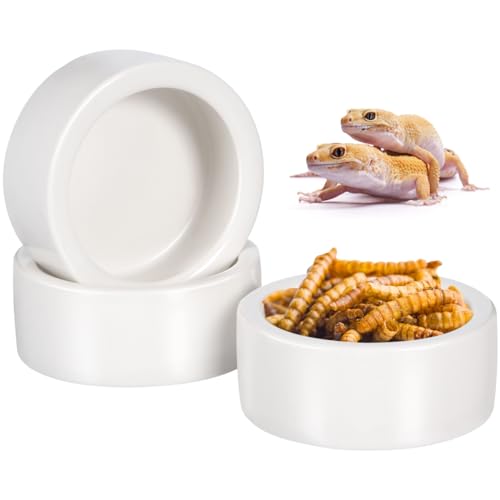
3 Piece Ceramic Reptile Feeding Bowls for Geckos and Small Lizards
£9.99 *View On Amazon* - Reptile Cleaning and Maintenance
Reptile Growth 4-Piece Reptile Bowl and Feeding Tweezer Set
£9.99 *View On Amazon* - Reptile Cleaning and Maintenance
LKTFATD Reptile Climbing Vine with 2 Hooks for Terrariums
£6.99 *View On Amazon* - Reptile Cleaning and Maintenance
Sorcristy Stainless Steel Feeding Tongs 14.57 Inch Straight Mouth
£7.89 *View On Amazon* - Reptile Cleaning and Maintenance
Pangea Silicone Gecko Feeding Ledge with Magnetic Mini Food Dish, Black
£23.18 *View On Amazon* - Reptile Cleaning and Maintenance
GDFHBD Pet Slate and Brush Set for Reptile Care and Cleaning
Original price was: £5.73.£5.13Current price is: £5.13. *View On Amazon* - Reptile Cleaning and Maintenance
DVOFU Chicken Poop Scooper Stainless Steel Mesh Cleaning Tool
£7.99 *View On Amazon* - Reptile Cleaning and Maintenance
AB Tools Sand Scoop Cleaning Aid for Vivarium and Terrarium Substrate
£8.09 *View On Amazon* - Reptile Cleaning and Maintenance
Generic Reptile Tank Cleaning Kit with Dustpan, Brush, Sponge and Rag
£20.70 *View On Amazon* - Reptile Cleaning and Maintenance
Stainless Steel Straight Aquarium Tweezers Feeding and Plant Tool, 27 cm
£4.19 *View On Amazon* - Reptile Cleaning and Maintenance
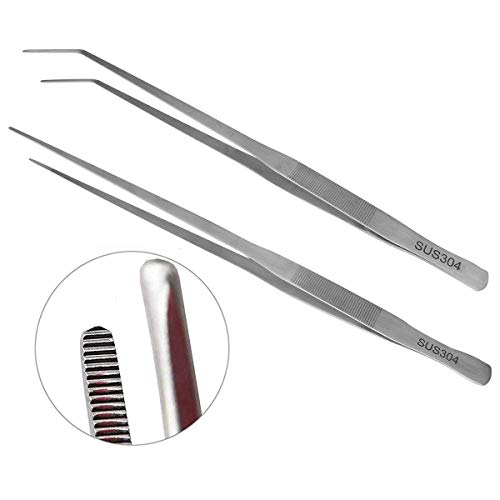
18.9 inch Stainless Steel Aquarium Tweezers Set, Straight and Curved
£20.95 *View On Amazon* - Reptile Cleaning and Maintenance
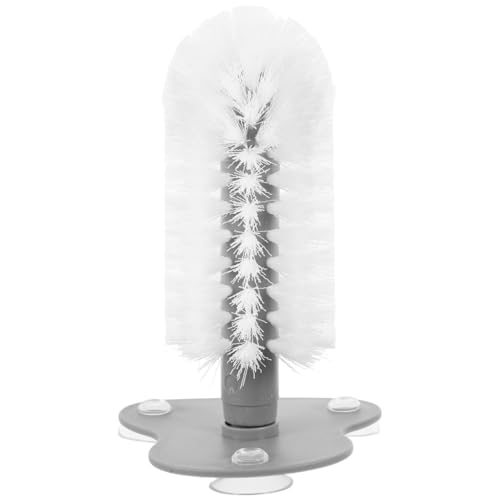
Warmhm Turtle Suction Brush for Shell Cleaning with Suction Cup
£13.79 *View On Amazon* - Reptile Cleaning and Maintenance
Safe4 Professional Surface Disinfectant Cleaner Ready to Use 500 ml, Lavender
£4.49 *View On Amazon*







What Is Reptile Cleaning And Maintenance Equipment?
Reptile cleaning and maintenance equipment includes products used to clean, refresh and care for reptile habitats. This category may include reptile disinfectants, enclosure cleaners, waste removers, substrate scoops, cleaning brushes, glass cleaners, odour control products, feeding tongs, maintenance tools, water bowl cleaners and related accessories where listed.
These products are designed to support regular enclosure hygiene and practical reptile care. Some are used daily for spot cleaning, while others are used during deeper cleans or enclosure resets.
Because reptiles can be sensitive to unsuitable chemicals, residues and poor hygiene, cleaning products should always be chosen and used according to the product instructions and the needs of the animal.
What Are Reptile Cleaning And Maintenance Products Used For?
Reptile cleaning and maintenance products are used to remove waste, clean surfaces, refresh feeding areas, maintain water bowls, wipe glass, manage substrate and keep enclosure accessories in better condition.
Daily cleaning may include removing droppings, uneaten food and shed skin where appropriate. Regular maintenance may include wiping surfaces, cleaning hides, refreshing water bowls and checking décor, branches, rocks, plants and heating areas.
Deeper cleaning may involve removing substrate, cleaning the enclosure, disinfecting suitable surfaces where the product allows and allowing everything to dry properly before the reptile returns. The exact routine depends on the species, enclosure type and product guidance.
How To Choose The Right Reptile Cleaning Product
Start with the species you keep. A bearded dragon, corn snake, leopard gecko, royal python, tortoise or crested gecko may all need different enclosure conditions. Amphibians and some reptiles may be especially sensitive to residues, so suitability matters.
Next, think about the enclosure. Glass terrariums, wooden vivariums, plastic tubs, tortoise tables and mesh topped enclosures may need different cleaning approaches. A product suitable for one surface may not be suitable for another, so check the listing carefully.
Consider the type of cleaning you need. For daily waste removal, scoops, wipes, tongs and small tools may be useful. For deeper cleaning, a suitable reptile enclosure cleaner or disinfectant where listed may be more appropriate.
Also think about drying time and ventilation. Some cleaning products need surfaces to be rinsed, wiped or left to dry before the animal goes back in. Always follow the instructions and never rush a reptile back into an enclosure that still smells strongly of cleaning product.
Key Features To Compare
When comparing reptile cleaning and maintenance products, look at intended species, surface compatibility, product type, ingredients guidance where listed, ease of use, drying needs, odour control, tool size, cleaning method and storage instructions.
For disinfectants and sprays, check whether the product is described as suitable for reptile habitats and which surfaces it can be used on. Do not assume ordinary household cleaners are suitable for reptile enclosures.
For scoops and waste tools, compare handle length, scoop size, material and ease of cleaning. A small scoop may suit fine substrate, while larger tools may be more useful for bigger enclosures.
For brushes and scrapers, check whether they suit glass, plastic, bowls, décor or textured surfaces where listed. The tool should clean effectively without damaging the enclosure.
For odour products, check how they are intended to be used. Good cleaning and proper husbandry are usually more important than masking smells.
Reptile Cleaners Compared With General Household Cleaning Products
Reptile cleaning products are chosen for use around reptile habitats, where suitability and residue control matter. They may be designed for vivariums, terrariums, feeding items or enclosure accessories where listed.
General household cleaners may contain fragrances, residues or chemicals that are not suitable for reptiles. Even products that seem mild can be inappropriate inside an animal enclosure unless clearly stated as suitable.
Aquarium cleaners, bird cage cleaners and small animal cleaners may also differ. A product made for one pet environment should not automatically be used for reptiles unless the product information supports that use.
For reptile care, it is usually safer to choose products intended for reptile habitats and follow the guidance exactly.
Guidance For New Regular And Experienced Reptile Keepers
New reptile keepers should start with simple cleaning essentials. A suitable habitat cleaner, waste scoop, feeding tongs, water bowl cleaning tool and spare cloths can make routine care easier.
Regular reptile keepers may want to compare disinfectants, larger cleaning tools, substrate management accessories and products that make deeper cleans quicker and more organised. A reliable routine helps keep the enclosure more manageable over time.
Experienced keepers may prefer different cleaning setups for different species or enclosures. A dry desert style vivarium, humid tropical terrarium and tortoise table may each need different tools, cleaning frequency and maintenance products.
For all keepers, observation is important. Changes in smell, waste, mould, mites, water quality, appetite or behaviour should be taken seriously and addressed with appropriate care.
Use Cases By Reptile And Enclosure Type
For bearded dragons and other dry habitat reptiles, spot cleaning waste, removing leftover food and keeping surfaces dry and clean can be important parts of routine care.
For snakes, cleaning hides, water bowls and substrate areas after waste or shed skin can help maintain a tidy enclosure. Deeper cleaning may be needed after soiling, depending on the setup.
For geckos and arboreal reptiles, glass cleaning, décor maintenance and humidity related cleaning may matter more. Mist systems, plants and climbing accessories may need regular checking where used.
For tortoises, food mess, substrate, water bowls and outdoor style housing accessories may need practical cleaning tools. Larger enclosures may benefit from stronger scoops and easy clean bowls where suitable.
For amphibians, cleaning products should be chosen with extra care because many amphibians are sensitive to chemicals and residues. Always check suitability and seek specialist advice where needed.
For quarantine or temporary setups, simple, easy to clean tools and surfaces can make monitoring and hygiene more straightforward.
Fit Compatibility And Practical Setup
Reptile cleaning products should fit the enclosure and routine. A large vivarium may need longer handled tools, while a small terrarium may need compact brushes, cloths or tweezers.
Check whether products can be used on glass, plastic, wood, resin décor, ceramic bowls, artificial plants or other enclosure materials where listed. Some materials may absorb moisture or cleaning products differently.
Keep reptile cleaning tools separate from household cleaning tools. Dedicated cloths, brushes, buckets and scoops help reduce cross contamination and make reptile care more organised.
Think about where cleaning items will be stored. Sprays, disinfectants and small tools should be kept safely away from children, pets and food preparation areas.
If using substrate, choose tools that match the substrate type. Fine sand style substrate, bark, soil mixes, paper bedding and reptile carpets may all need different cleaning approaches where suitable.
Safety Hygiene Care And Maintenance
Reptile cleaning should always be done with hygiene in mind. Wash hands after handling reptiles, waste, substrate, bowls, décor or cleaning tools. Keep reptile care items away from kitchen sinks, food surfaces and human washing up items where possible.
Follow the instructions on every cleaning product. Some may need dilution, rinsing, contact time, drying time or ventilation before the enclosure is used again. Do not mix cleaning products unless the product guidance clearly allows it.
Remove reptiles from the enclosure during deeper cleaning where appropriate and keep them in a secure temporary place. Never leave a reptile unattended in an unsafe container or exposed to unsuitable temperatures.
Check enclosure accessories during cleaning. Damaged hides, sharp décor, cracked bowls, loose fittings or mouldy items should be removed or replaced where needed.
If you notice signs of illness, parasites, unusual waste, refusal to eat or major changes in behaviour, seek advice from a qualified reptile vet or experienced reptile care professional.
Cleaning Routine And Storage
A practical reptile cleaning routine often includes daily checks, regular spot cleaning and scheduled deeper maintenance. The exact timing depends on the species, enclosure size, substrate, humidity and feeding routine.
Daily checks may include removing waste, replacing dirty water, clearing leftover food and checking temperature and humidity equipment where used.
Regular cleaning may include wiping surfaces, cleaning bowls, checking hides and refreshing parts of the substrate where suitable.
Deeper cleaning may include removing accessories, replacing substrate, disinfecting suitable surfaces and allowing everything to dry before resetting the enclosure.
Store cleaning products clean, dry and clearly separated from feeding items. Keep lids closed, follow storage instructions and avoid leaving tools or chemicals where reptiles, pets or children can reach them.
Useful Accessories To Consider
Useful accessories can include feeding tongs, waste scoops, reptile safe disinfectants where listed, cleaning brushes, glass cloths, spare bowls, substrate, terrarium liners, gloves, buckets, spray bottles and storage containers.
For humid setups, spare cloths, ventilation checks and suitable cleaning tools can help manage condensation and surface build up. For dry setups, waste removal tools and easy clean feeding areas may be especially practical.
For larger collections or multiple enclosures, labelled tools and separate cleaning items for each setup can make maintenance more organised.
Why Buy Reptile Cleaning And Maintenance Products From YPC?
At YPC, we understand active lifestyles and the need for practical products that work in real use. Reptile cleaning and maintenance products can vary by species suitability, surface compatibility, cleaning method, tool size, drying needs and care guidance, so comparing the details helps you choose with more confidence.
YPC helps you browse reptile care products with real habitat routines in mind, whether you are buying for daily spot cleaning, deeper enclosure maintenance, bowl cleaning, substrate management, glass care or replacing worn tools. Explore the Reptile Cleaning and Maintenance category to browse the available options and compare the features that matter most for your reptile setup.
FAQs
What is reptile cleaning and maintenance equipment used for?
Reptile cleaning and maintenance equipment is used to clean vivariums, terrariums, bowls, décor, substrate areas and accessories. It helps owners manage waste, hygiene and routine enclosure care.
Can I use normal household cleaner in a reptile enclosure?
You should not assume household cleaners are suitable for reptile enclosures. Reptiles can be sensitive to chemicals and residues, so choose products intended for reptile habitats where listed and follow the instructions carefully.
How often should I clean a reptile enclosure?
Cleaning frequency depends on the species, enclosure size, substrate, humidity and feeding routine. Waste and uneaten food should usually be removed promptly, with deeper cleaning done as needed according to the setup.
What tools are useful for reptile cleaning?
Useful tools can include waste scoops, feeding tongs, cleaning brushes, cloths, reptile habitat cleaners, spare bowls, gloves and storage containers. The right tools depend on the enclosure and species.
Do reptile cleaning products need rinsing?
Some products may need rinsing, wiping, drying or ventilation before the reptile returns to the enclosure. Always follow the product instructions rather than guessing.
How do I clean reptile water bowls?
Clean water bowls regularly using suitable methods and products where appropriate. Rinse and dry according to the product guidance, and replace dirty water promptly.
Are reptile cleaning products safe for amphibians?
Not all reptile products are suitable for amphibians. Amphibians can be highly sensitive to chemicals and residues, so check product suitability carefully and seek specialist advice where needed.
How should I store reptile cleaning supplies?
Store reptile cleaning supplies clean, dry and away from food, children and pets. Keep them separate from household cleaning tools and feeding items to help reduce cross contamination.
 Getting ready for Summer? View our Home and Garden Products

Heading outdoors this winter? Take a look at our Outdoor Clothing.